"The US intelligence community assesses that Iran retains 1,500 to 2,500 ballistic missiles," a 15 November report in The Wall Street Journal concluded — a blunt statistic that frames a broader, urgent problem for US allies across the Indo‑Pacific.
US and Israeli operations in the Middle East: what the numbers show
Despite "months of intensive US and Israeli military operations" aimed in part at destroying Iran’s missile capabilities, Tehran has retained a large inventory. The Wall Street Journal’s 15 November report — cited in the source material — places that inventory at 1,500 to 2,500 ballistic missiles. The article draws two central lessons: offensive superiority does not guarantee elimination of an adversary’s ground‑based strike missiles, and effective missile defence depends on large quantities of interceptors.
Interceptor stocks: Patriot, Thaad and the CSIS estimate
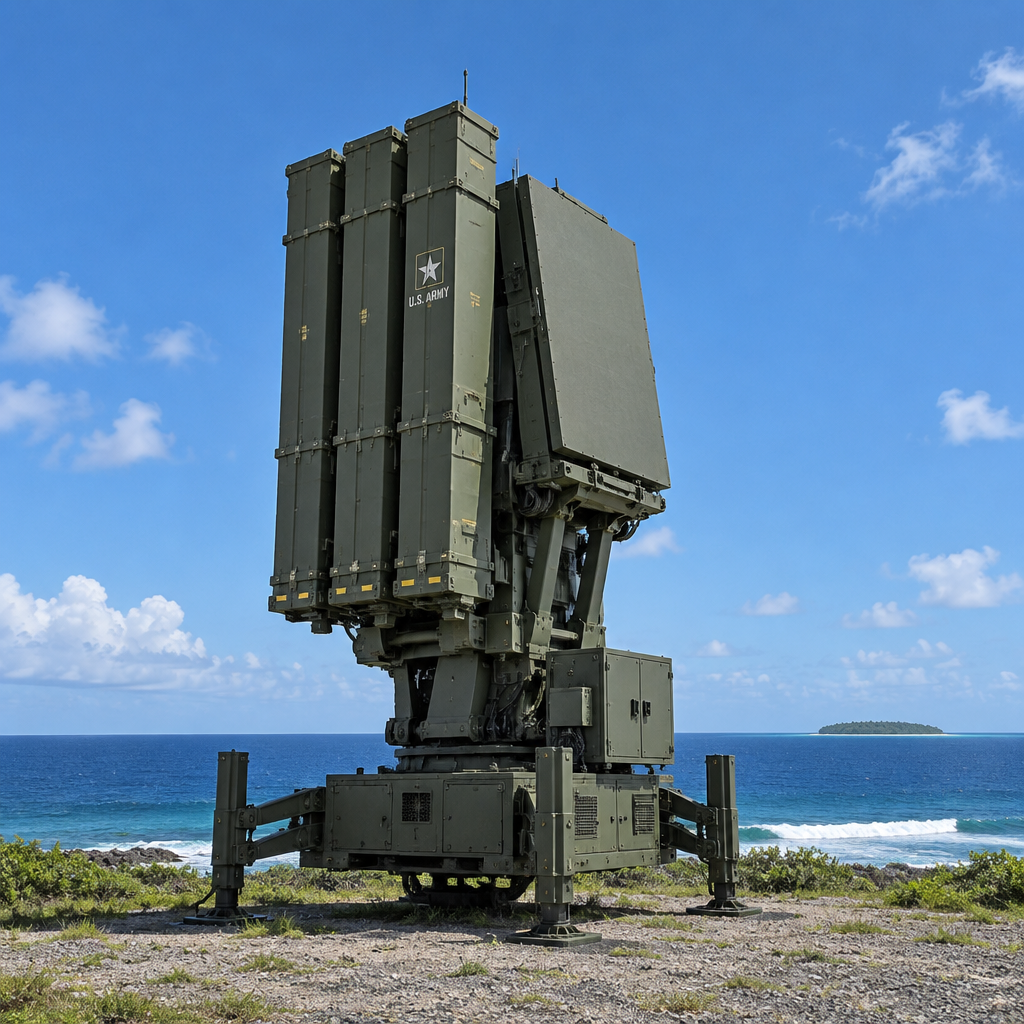
Modern missile defences such as Patriot, Thaad and Aegis have repeatedly intercepted advanced missile threats, the article notes, saving lives and protecting infrastructure. But success has come at a cost. A recent analysis by the Center for Strategic and International Studies estimates that about two‑thirds of the US’s prewar Patriot interceptor stocks and around half of its Thaad interceptors have been expended in this year’s conflict with Iran. These figures are described as estimates rather than publicly confirmed Pentagon data, but they illustrate the scale of expenditure and the resulting strain on available inventories.
The article warns that expanding manufacturing capacity, rebuilding specialised supply chains and training skilled workers will take years, not months, while demand from Ukraine, the Middle East and Indo‑Pacific partners continues to grow. The unavoidable conclusion offered: the US cannot assume unlimited missile‑defence resources for simultaneous crises in multiple theatres.

The cyber insurance questionnaire just landed. Now what?
SOC 2, HIPAA, insurance renewals - someone has to own security strategy. Nubivance provides fractional CISO leadership without the full-time salary.
Get a security leadChina’s missile forces and the DIA 2025 assessment
The strategic implication is stark: if offensive and defensive operations in the Middle East cannot eliminate or stabilise Iran’s missile threat, the challenge posed by China would be far larger. The source cites the US Defense Intelligence Agency’s 2025 assessment that the People’s Liberation Army Rocket Force possessed about 900 short‑range ballistic missiles, 1,300 medium‑range ballistic missiles and 500 intermediate‑range ballistic missiles, "in addition to intercontinental ballistic missiles and ground‑launched cruise missiles."
The article adds that China has invested heavily in hypersonic weapons, sophisticated sensors, electromagnetic warfare and the ability to conduct coordinated strikes against US and allied facilities. In a conflict over Taiwan, Beijing could seek to overwhelm defences through large‑scale, coordinated missile and drone attacks across the western Pacific — a campaign that would test sensor networks, logistics and the availability of interceptors across vast distances.
Five priorities for the US and its allies
- Replenish and expand theatre missile‑defence interceptor inventories through sustained funding and multi‑year procurement contracts for Patriot, Thaad, SM‑3 and other critical interceptors, plus realistic wartime stockpile requirements and pre‑positioned stocks.
- Expand allied co‑production of interceptors, with the US–Japan SM‑3 Block IIA cooperation cited as a model; in April 2026 the two countries reaffirmed plans to increase production by about four times and explore further expansion.
- Accelerate investment in emerging missile‑defence technologies — directed‑energy weapons, high‑power microwaves, electronic warfare, autonomous interceptors and AI‑enabled battle‑management systems — to improve cost‑exchange ratios and preserve high‑end interceptors for the most sophisticated threats.
- Integrate missile defence into a broader missile defeat strategy that includes disrupting missile operations before launch through intelligence, cyber and electromagnetic options and, where appropriate, conventional strike options.
- Incorporate realistic interceptor‑expenditure and replenishment assumptions into military planning and exercises, testing how long stocks could support operations, how quickly replacements could arrive and how commanders would prioritise defence when stocks are constrained.
What this means for Australia, Japan, and South Korea
Australia is urged to explore participation in interceptor manufacturing, component production, maintenance and supply‑chain development; Canberra’s Guided Weapons and Explosive Ordnance Enterprise and emerging domestic production of GMLRS munitions are cited as an important foundation. Japan’s joint development and planned production expansion of the SM‑3 Block IIA is presented as a practical model for allied co‑production. South Korea is identified as having "substantial advanced manufacturing capabilities and considerable experience developing indigenous air and missile‑defence systems" that could be leveraged in a regional industrial effort.
The account closes with a pointed strategic admonition: tactical successes in Ukraine and the Middle East demonstrate the value of modern missile defence, but they also expose a deeper problem — interceptor inventories, sensors, command networks and industrial capacity must be rebuilt and integrated now. As the source puts it, "The time to address the Indo‑Pacific missile defence inventory problem is now – not after a conflict has begun and the magazines are running empty."