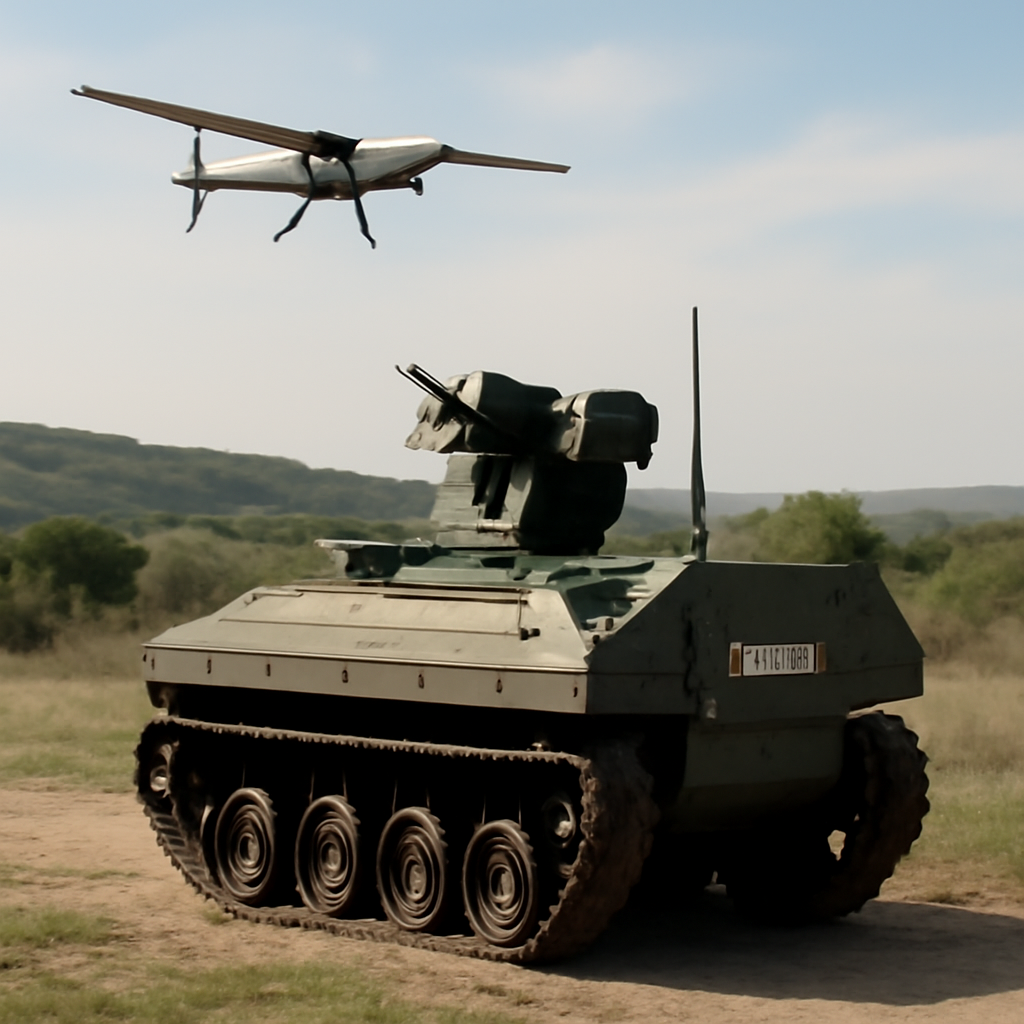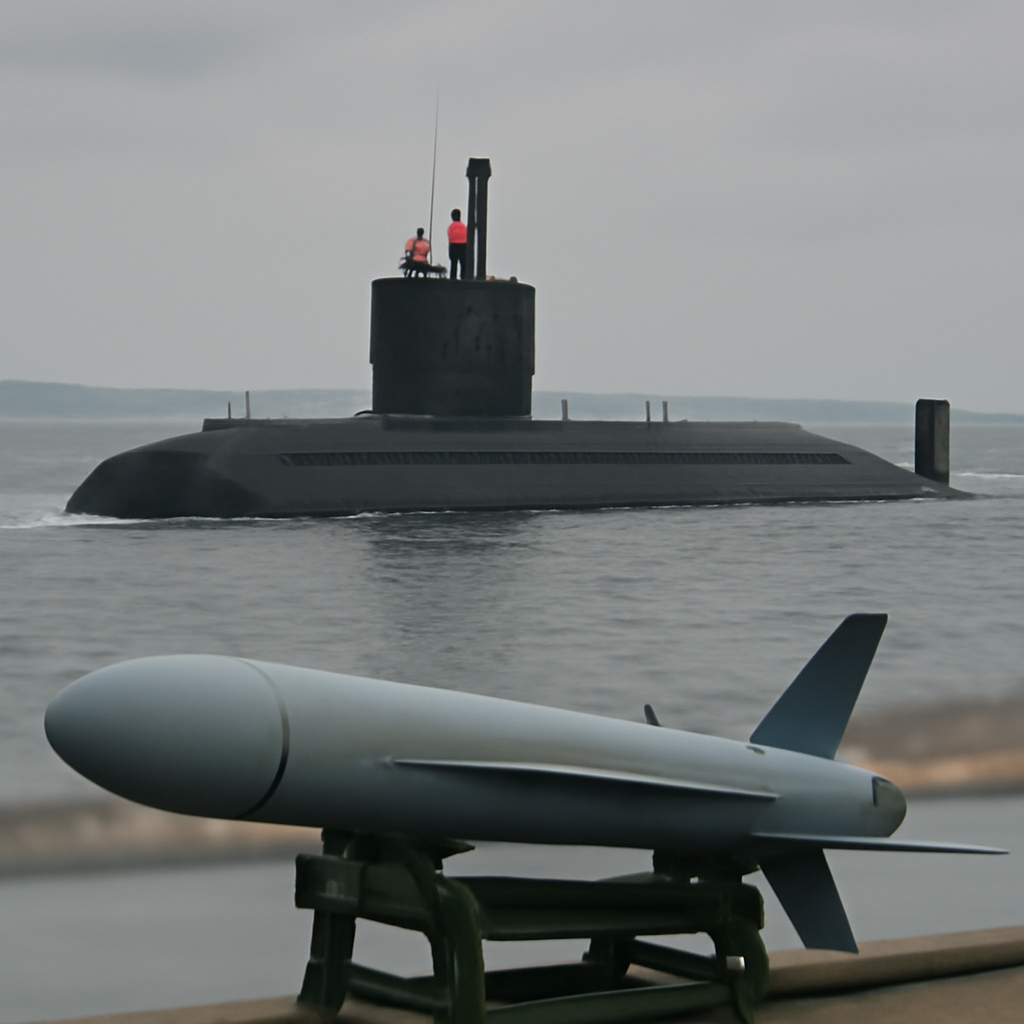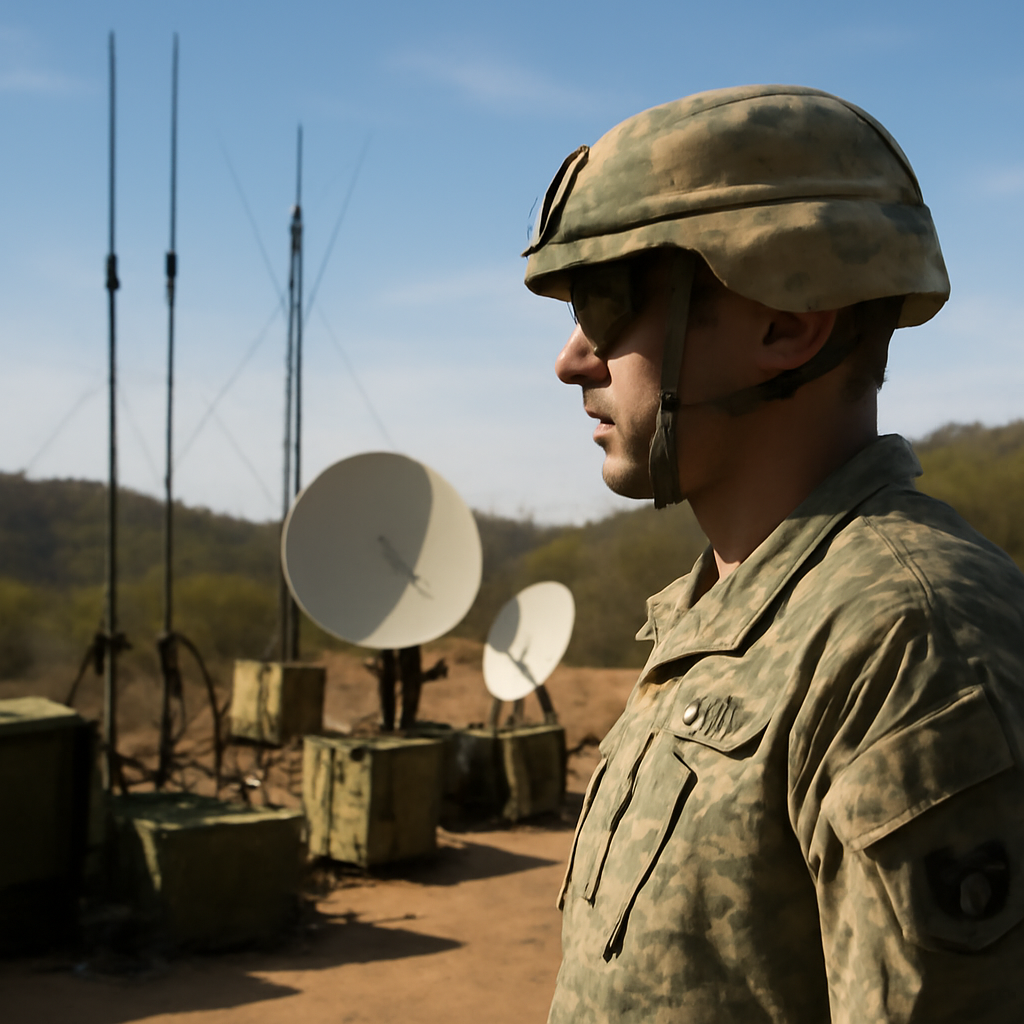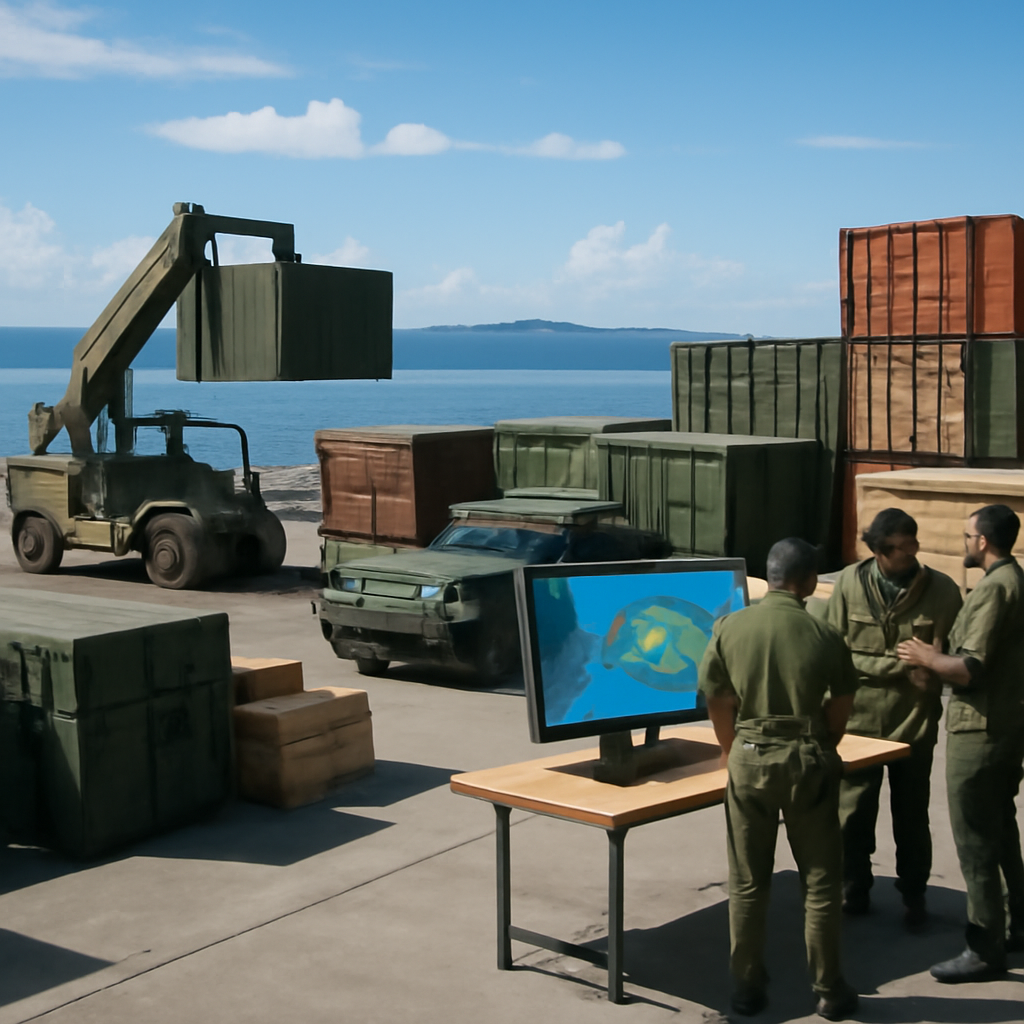
“We cannot win if our supply lines are 5,000 miles long,” Gen. Xavier Brunson, commander of U.S. Forces Korea, told a military audience — a blunt summation of the sustainment dilemma that commanders in the Indo‑Pacific repeatedly described this month.
Geography as a logistical opponent: miles that matter
Brig. Gen. Jim Bliss of the New Zealand Army laid out the arithmetic at the Indo‑Pacific Security Forum: Hawaii sits 3,000 miles from the U.S. West Coast, Guam is 5,000 miles from Hawaii, and the first island chain — including Japan, Taiwan, and the Philippines — lies roughly 1,500 miles from Guam. That chain of distances, Bliss said, creates “a vast ocean” with “very, very little in the way of logistics nodes on land forward available to be used.”
Commanders framed those distances not as abstract cartography but as operational constraints: if troops and materiel are not forward when fighting starts, moving them in time is unlikely. Maj. Gen. Gavin Gardner, commander of the Army’s 8th Theater Sustainment Command, described the calculus as overcoming “that 7,000‑mile distance” from the continental United States to where forces are expected to operate.
Pre‑positioning and repair‑forward: closing the window of vulnerability
U.S. leaders emphasized two practical responses: put more materiel forward, and fix more of it forward. Gardner said the Army has been pre‑positioning equipment on a “significant scale” in partner countries, using organizations such as the Defense Logistics Agency and Army Materiel Command to build “joint interior lines.”
Repair capability is equally central. Gardner recounted a time when a broken Army watercraft had to be sent back to the U.S. West Coast — a 30‑day sail — and warned that such delays are untenable. “Now, I can fix it in South Korea. I could fix it in Japan. I could fix it in the Philippines. I could fix it in Australia. I could fix it in Singapore,” he said, crediting expanded contracts.
Brunson said U.S. installations on the Korean peninsula are already “fixing forward”: Korean dry docks have “successfully overhauled” three U.S. ships, with two more in the queue. That work, he said, uses “special repair authority and weaponizing advanced manufacturing” to convert temporary fixes into a “permanent deterrent.”

This site is the portfolio.
OSINTSights runs on Cloudflare Workers, D1, R2, and Vectorize, with an AI pipeline on Hetzner ARM. Nubivance designed, built, and operates it. We do the same for clients.
See what we buildSustainment recast as a warfighting function and the 45‑day benchmark
Marine Maj. Gen. George Rowell, INDOPACOM’s director of strategic planning and policy, argued that resilience “is no longer a support function, but has to be a warfighting function.” He urged a shift in posture so sustainment — command and control, logistics, and the ability to take hits in a degraded environment — is planned as part of combat power.
The Marines have set an operational target: Maj. Gen. Matthew Mowery, deputy commander of Marine Corps Forces Pacific, said the Marines aim to sustain their own forces for 45 days within the first island chain. But he cautioned that building an “iron mountain” of supplies forward is not realistic and warned that if forces are not already present when “the shooting starts,” planners must “plan to live without them.”
Australian Maj. Gen. Ash Collingburn echoed the urgency: “If it’s not forward when the fighting starts, then it’s really hard to get” supplies and people forward. Across speakers, sustainment at range — across time, distance, and contested lines of communication — was described as the theater’s defining challenge.
Industry and shipbuilding capacity: a structural constraint
Rowell spotlighted the industrial dimension, noting that China “possesses over 50 percent of the global commercial shipbuilding capacity, while the U.S. has about 0.1 percent.” That mismatch, he said, makes it imperative to “accelerate capacity through both established and emerging industrial partners” and to “innovate with non‑traditional primes.”
Adm. Samuel Paparo, commander of U.S. Indo‑Pacific Command, framed sustainment historically: Allied victory in World War II rested on industry building “combat power at scale,” and sustainment delivering it “from the factory floor to the fighting positions across the globe.” In the current theater, Paparo said, the solution mixes posture, pre‑positioning and “a network of distribution centers,” while recognizing the need to protect immobile stocks and keep movable supplies flowing.
What this means for U.S. Forces Korea, the Army’s 8th Theater Sustainment Command, and Marine Corps Forces Pacific
- U.S. Forces Korea: Will continue to expand repair‑forward authorities and leverage partner dockyards — Korea’s dry docks already overhauled three U.S. ships — to shorten maintenance timelines and sustain deterrent posture on the peninsula.
- 8th Theater Sustainment Command / DLA / Army Materiel Command: Will press pre‑positioning in partners such as Australia and pursue contracts and partnerships that enable repairs and parts distribution in South Korea, Japan, the Philippines, Australia and Singapore to avoid ocean‑length return journeys.
- Marine Corps Forces Pacific: Will pursue its 45‑day sustainment target inside the first island chain while accepting limits on how much materiel can be stockpiled forward, and will plan operations knowing some forces may not arrive after hostilities begin.
Commanders at multiple forums this month agreed on one practical, if uncomfortable, conclusion: having the combat formations in place is not the same as having the sustainment in place. They described active measures — forward stockage, expanded repair contracts, leveraged allied facilities, and new distribution nodes — intended to shorten the distances on paper that remain long at sea. The question they left in sharper focus than any slogan was operational: the United States and its partners can posture to “fight tonight,” as leaders say they are doing, but whether industry capacity, forward stocks, and repair networks can endure a sustained, contested campaign is the problem their briefs continue to return to.