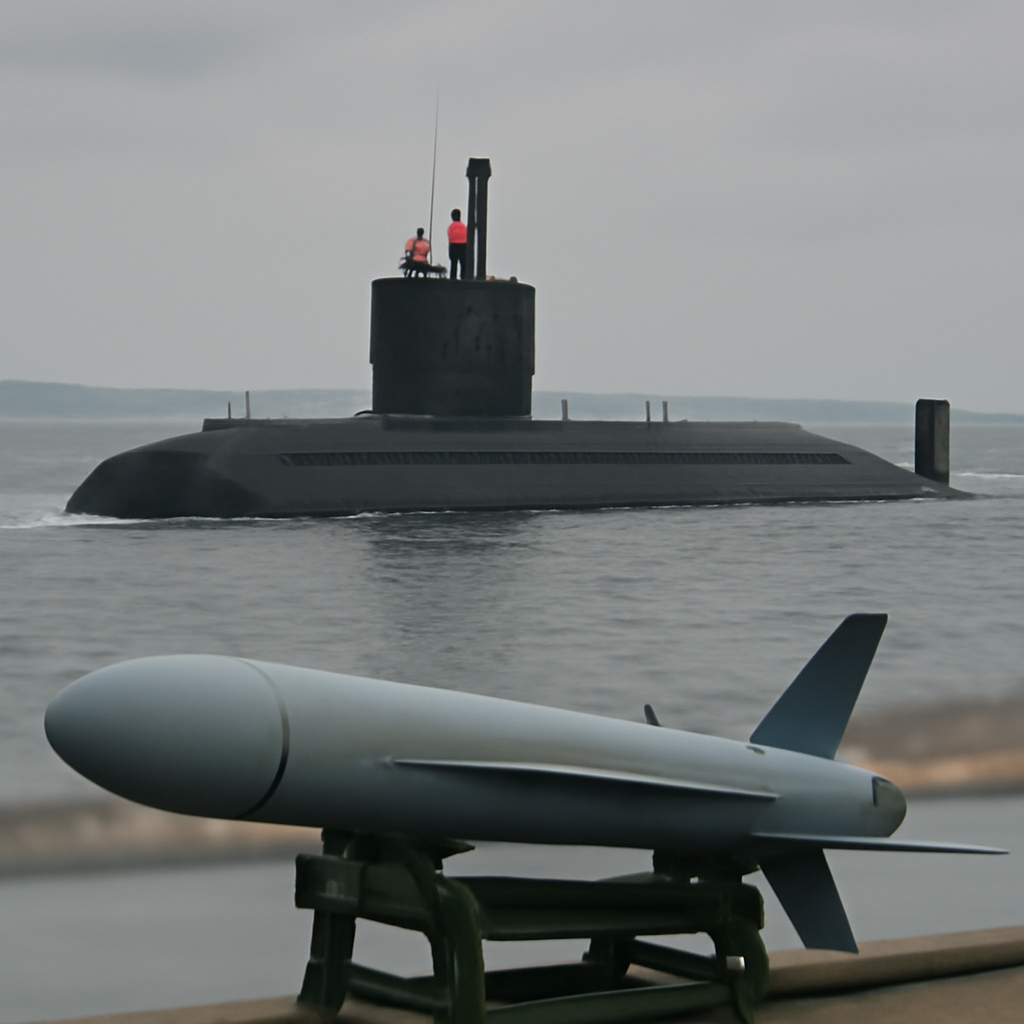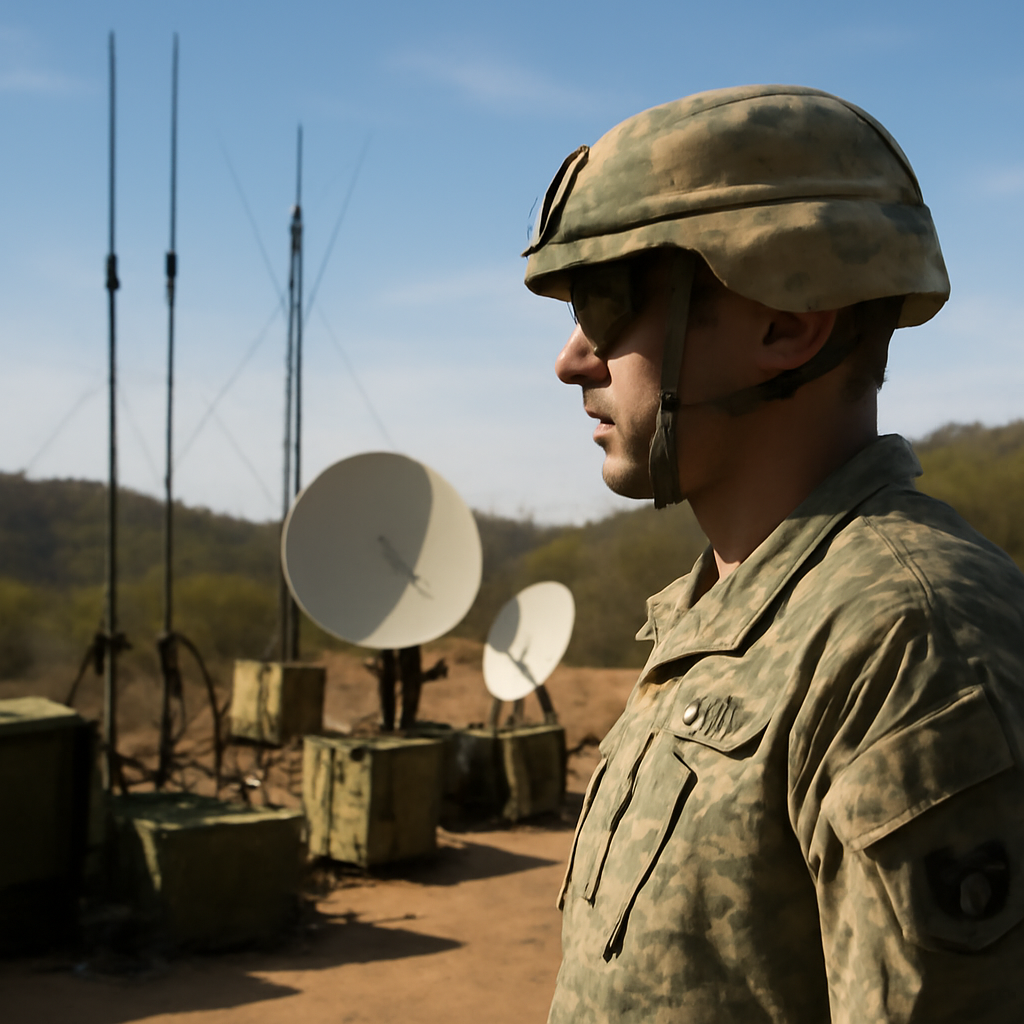
“Decisive military victory.” “Hanging around.” Two short, blunt phrases — both attributed to Hegseth — that capture a tension familiar in wars and ceasefires: when does victory become proclamation, and when does presence become occupation?
What was said and what was counted
According to reporting, Hegseth declared a “decisive military victory” in Iran and said the United States is “hanging around” to enforce a ceasefire. Separately, the Joint Chiefs chairman has tallied more than 13,000 strikes on Iran since the war began.
Immediate meaning and competing signals
Those two facts together — a public declaration of victory and a separate tally of more than 13,000 strikes — send mixed signals. A declaration of decisive victory suggests an endpoint, while an ongoing tally of strikes and the characterization of U.S. forces as remaining to enforce a ceasefire suggest continued kinetic activity and on-the-ground presence. Policymakers, military planners and publics often interpret such dissonance differently: some may view the declaration as a political or morale statement intended to signal finality; others may see the continuing strikes and presence as evidence that major operations, deterrence missions or stabilization tasks remain under way.

This site is the portfolio.
OSINTSights runs on Cloudflare Workers, D1, R2, and Vectorize, with an AI pipeline on Hetzner ARM. Nubivance designed, built, and operates it. We do the same for clients.
See what we buildWhy this matters to different stakeholders
- Policymakers: Public statements that a war is “decisive” can shape domestic expectations about timelines, costs and objectives. At the same time, a high number of strikes and an ongoing enforcement role complicate decisions about force posture, rules of engagement and diplomatic follow-through.
- Military and planners: The Joint Chiefs chairman’s tally of more than 13,000 strikes is a metric that must be reconciled with operational aims. If the mission has shifted toward enforcing a ceasefire, commanders must weigh the threat environment that produced those strikes against the requirements of stabilization, de-escalation and force protection.
- Technologists and analysts: Large strike counts raise questions about targeting, intelligence cycles and the logistics of sustained operations. They also feed into assessments of attribution, escalation risk and the resilience of adversary networks.
- Adversaries and regional actors: A public declaration of victory may be read as confidence or overreach. The continuing tally of strikes and the stated role of enforcing a ceasefire could be seen as a deterrent posture or as a provocation, depending on perspective.
Risks, ambiguities and the path ahead
When political language — “decisive military victory” — and operational indicators — thousands of strikes and an enforcement presence — diverge, several risks arise: misaligned expectations at home and among partners; unclear objectives for forces in theater; and an unpredictable strategic environment that adversaries may try to exploit. Clarity about end states, lines of authority and the transition from kinetic operations to ceasefire enforcement or reconstruction is essential to reduce those risks.
At the same time, metrics like strike counts are blunt instruments. They quantify activity but do not in themselves define strategic success or the conditions for a durable peace. How those numbers are contextualized by decisionmakers — and communicated to domestic and international audiences — will matter for credibility and for future policy choices.
Hegseth’s words and the Joint Chiefs chairman’s tally offer a snapshot of a conflict in a complex phase: a pronouncement of finality on one hand, and a record of intense military activity on the other. Which will define the next chapter — the declaration or the continued operations — depends on political will, operational realities and the interpretations of allies and adversaries. In the fog between rhetoric and reality, who decides that the war is truly over?