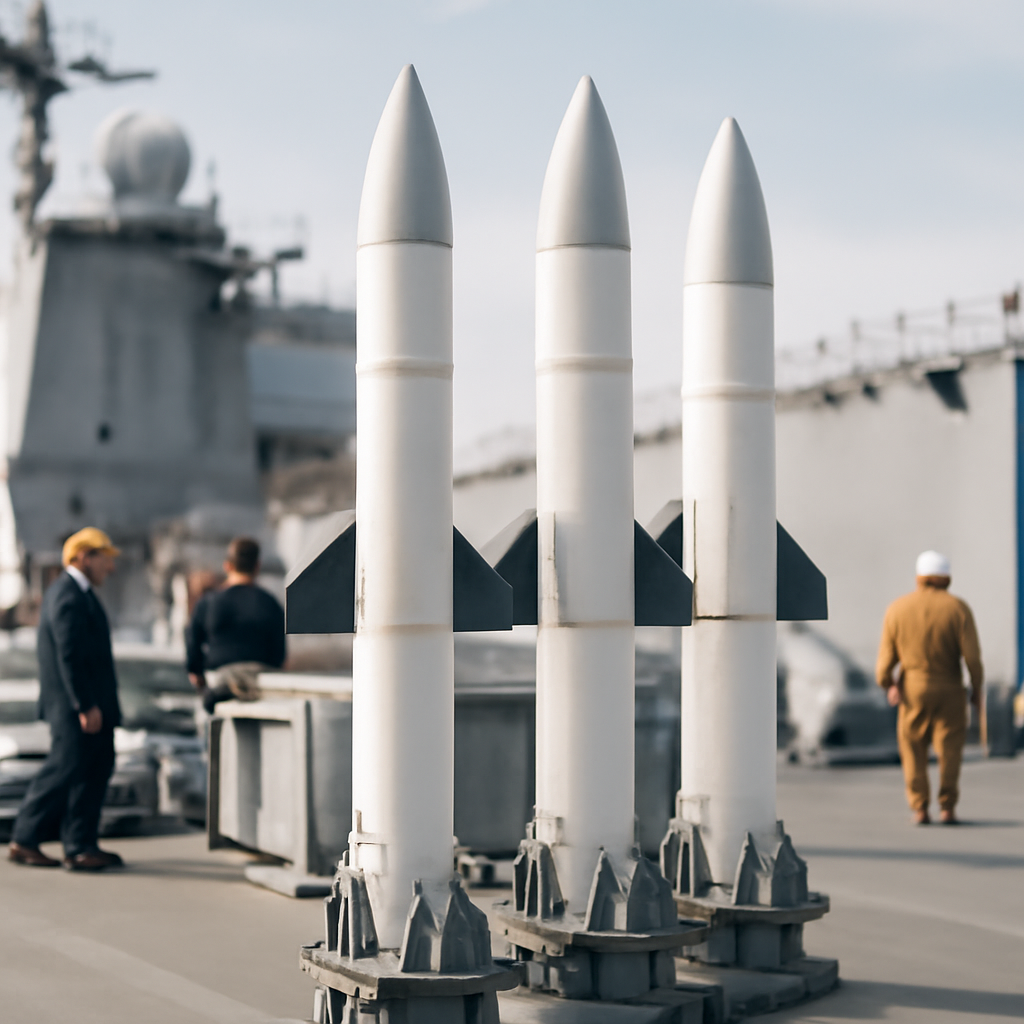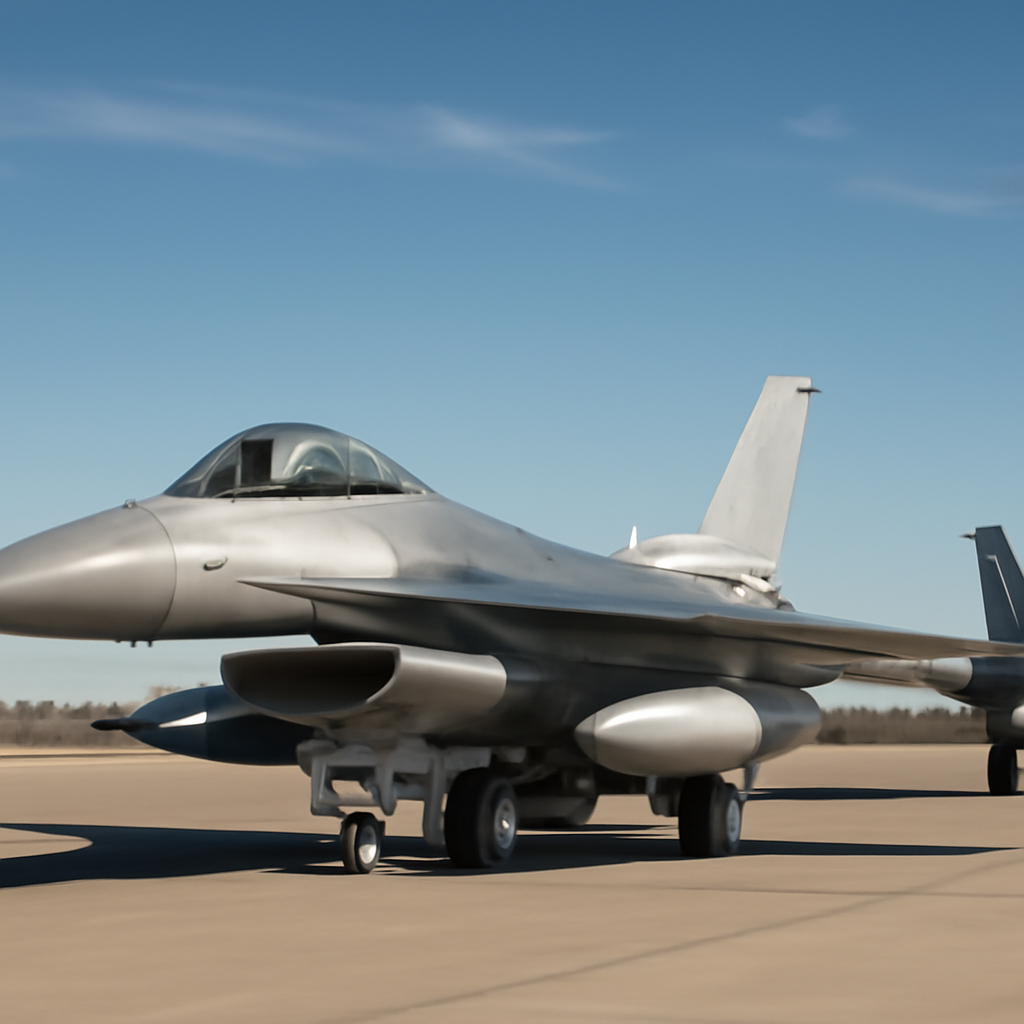
“‘middle power strategy’… ‘distraction’ on which US partners would ‘waste valuable time, money and political capital’,” wrote US Under Secretary of Defense Elbridge Colby on 15 June on X.
Elbridge Colby’s public critique, 15 June
Colby’s posts on X on 15 June dismissed the emergence of what he called “middle power strategy,” arguing it was a diversion for US partners. He framed the case for US primacy in industrial-military terms, writing that the United States “makes the best [military] equipment, and we make it at a scale that no plausible competitor can match.” He also warned that “access to the American [defence industrial base] is a privilege, not a right,” and said that “under President [Donald] Trump’s leadership, countries not only see the value of American engagement, they can no longer take it for granted.”
What middle power strategy describes in practice
The term as used in recent policymaker and analyst conversations describes stronger US partners working more deeply together in reaction to uncertainty in their security environments and concerns about the reliability of US backing. In practice that has taken military and diplomatic forms: European countries stepping up joint weapons development; Japan and Australia enhancing defence cooperation; and European states issuing joint statements on fighting in Iran. The central logic is straightforward: if partners cannot be certain of continuous US support, they will seek ways to reduce vulnerability and increase resilience through closer cooperation with peers.

This site is the portfolio.
OSINTSights runs on Cloudflare Workers, D1, R2, and Vectorize, with an AI pipeline on Hetzner ARM. Nubivance designed, built, and operates it. We do the same for clients.
See what we buildAustralia’s 2026 National Defence Strategy as an example
Australia’s 2026 National Defence Strategy is cited as a concrete instance of this logic. The document outlines plans for deepening engagement with Indo‑Pacific partners such as Japan, India and New Zealand to bolster regional defence and security. The strategy does not label those plans “middle power strategy,” but the closer ties and cooperative planning the document prescribes are exactly the practical measures analysts describe as middle power alignment. Crucially, Australia’s chapter on engagement with middle powers is immediately preceded in the document by a chapter on Australia’s role in the US alliance — underscoring that this cooperative posture sits alongside, not in place of, traditional alliance ties.
Why the critique misunderstands alignment and intent
Colby argued that middle powers lack a “coherent basis for alignment,” and that they might be attempting to replace the United States. The alternative reading set out in the record is different: middle powers are largely democracies with similar levels of economic development and overlapping security interests, and they often align well with each other — even if some pairings are more natural than others. Most importantly, the aim is not to supplant the United States. Rather, countries pursuing deeper cooperation are engaging in strategic hedging. They seek to preserve options and to mitigate the risk that Washington might limit or withdraw support, a possibility Colby himself emphasised.
What this means for policymakers and defence-industrial cooperation
- Policymakers and alliance managers: Colby’s framing — that access to US industrial capacity is conditional — reinforces why partners are exploring reciprocal or autonomous capabilities. This will shape planning decisions about shared procurement, interoperability, and contingency arrangements among allies and partners.
- Defence-industrial cooperation among partners: The article highlights a simple arithmetic: no single partner can match US sophistication and quantity, but by pooling resources and coordinating programs, partners have “a fair shot at closing the gap.” Expect deeper joint weapons development and cross‑national supply‑chain arrangements where political will exists.
- Indo‑Pacific partners — Australia, Japan, India, New Zealand: Their actions in the 2026 National Defence Strategy and other cooperative moves are portrayed as resilience measures. Those countries are strengthening bilateral and multilateral defence ties while explicitly maintaining links to the US alliance.
Conclusion
Colby’s blunt dismissal of middle power strategy has paradoxically clarified why it is gaining traction: his warnings about conditional access to US industrial capacity and an era in which American engagement “can no longer be taken for granted” are precisely the drivers that make deeper inter‑partner cooperation sensible. The record shows these initiatives are aimed at hedging and resilience, not replacement. The immediate question left on the table is explicit in the policies themselves — will Washington’s declarations about access and privilege push partners to accelerate capability-sharing, or will alliance management find ways to reduce the incentives for independent pooling? The answer will determine whether middle power strategy remains an emergent practice of sensible hedging or becomes a long‑term feature of allied planning.