“The cavalry arrived here to meet your cavalry in private industry to make sure that we are not drone sufficient, from parity, but drone dominant,” Under Secretary of Defense for Research and Engineering Emil Michael told an audience gathered at the Eisenhower Executive Office Building on Aug. 20, 2026.
Eisenhower Executive Office Building gathering: who showed up and what they sought
Nearly 100 company representatives and government officials — officials from roughly 40 companies, by the White House’s count — came together for the first White House Drone Dominance event. Speakers included National Security Council Senior Director for Counterterrorism Sebastian Gorka, Under Secretary Emil Michael, and Small Business Administration head Kelly Loeffler. The event was framed as the opening salvo in a broader government push to expand domestic drone production and to align private-sector capacity with federal needs.
Fair-style engagement: agencies, finance and component makers on hand
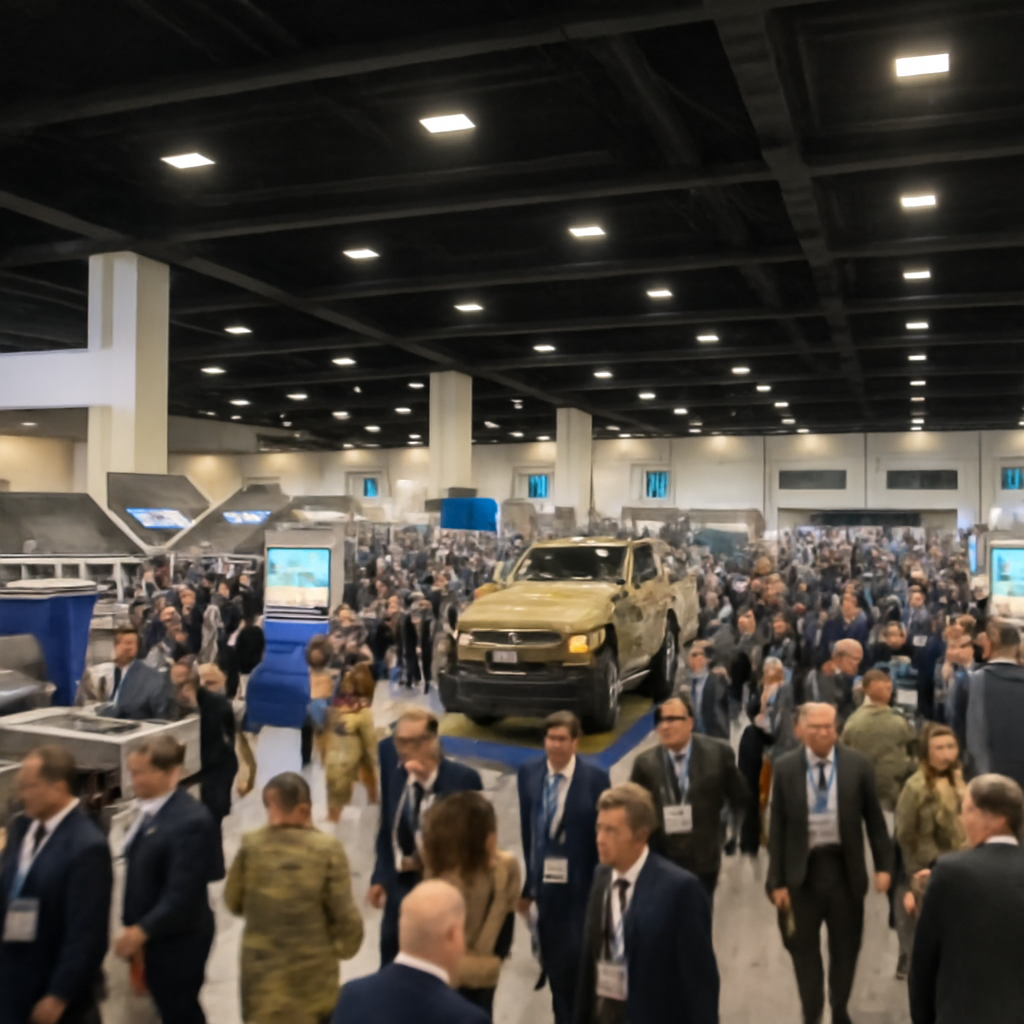
Following morning remarks, participants moved through a “fair”-style exhibition where individual government offices staffed tables for one-on-one discussions. Present were DoD’s Direct Reporting Portfolio Manager for autonomy, the Department of Commerce, the SBA, the Export-Import Bank of the U.S., the Department of Homeland Security, the FAA and others. A White House official said the event included companies that manufacture components such as batteries, cameras, thermal sensors and motors — the sub-supply base the administration is trying to expand domestically.

Audit-ready is a season. It shouldn't be.
Evidence in spreadsheets, controls drifting between audits, frameworks multiplying on flat headcount. Nubivance runs continuous compliance on Rapid7 Cyber GRC - SOC 2, HIPAA, ISO 27001, PCI, CMMC.
End the scrambleInvestment pledges and near-term financing moves
Michael signaled additional industrial finance moves similar to a recent Office of Strategic Capital “conditional loan” to Performance Drone Works for $820 million. “In the next two weeks, you’ll see more of those deals,” he said, adding: “We’re building up capacity in America to ensure the supply chain is resilient and can serve your needs.” The remarks tied concrete financing actions to the White House’s stated goal of accelerating production on U.S. soil.
Policy drivers: the June 2025 executive order and Pentagon directives
The gathering comes more than 14 months after President Donald Trump signed the “Unleashing American Drone Dominance” executive order in June 2025. The next month, Defense Secretary Pete Hegseth issued a related directive intended to cut through bureaucratic red tape and accelerate drone production and fielding. The White House described a new executive order requirement that gives companies until the start of 2027 to stop using critical materials and minerals sourced from Russia, Iran, North Korea and most notably China — a constraint explicitly tied to the administration’s industrial approach.
Gauntlet competitions, procurement tallies and the DAWG
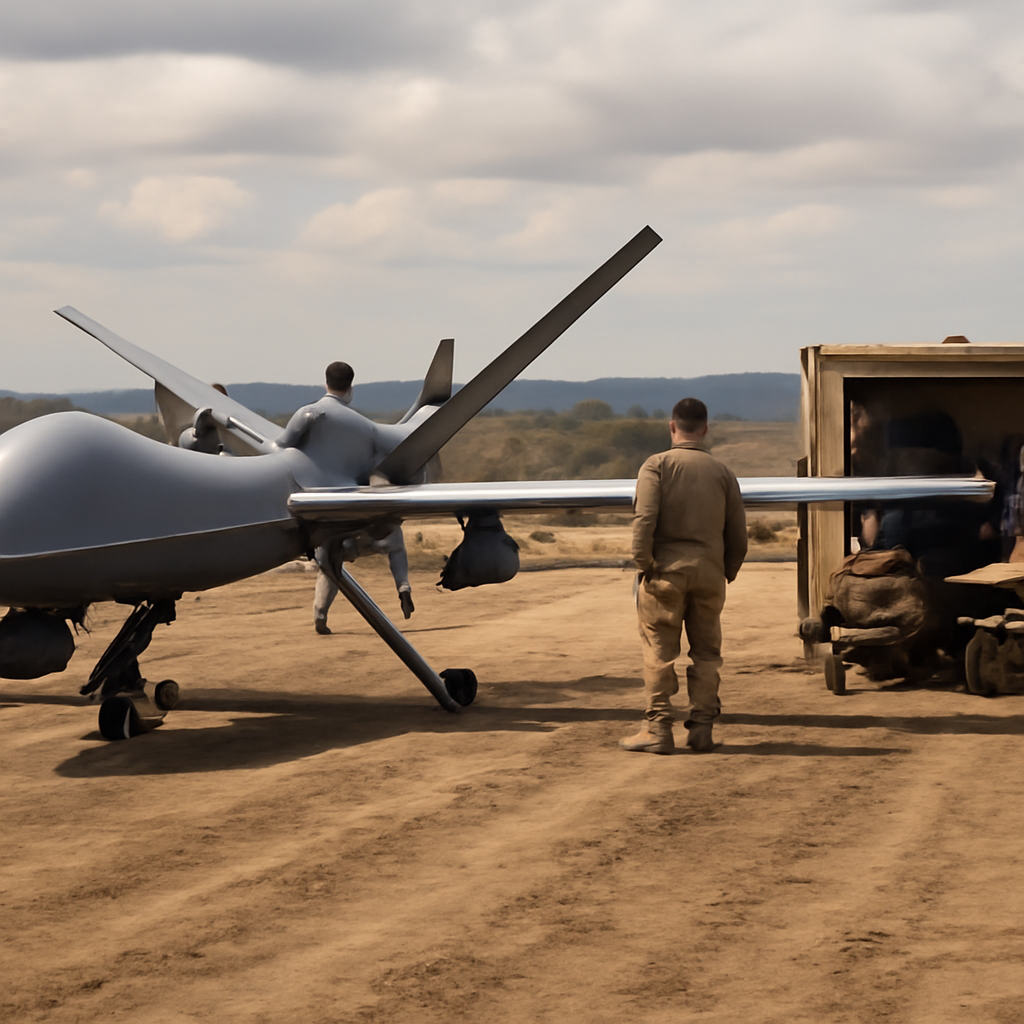
The Pentagon has moved on multiple fronts: it established the DPRM for autonomy, outlined plans to spend nearly $55 billion on a successor to the Biden-era Replicator initiative called the Defense Autonomous Warfare Group (DAWG), and launched the Drone Dominance program profiled at the White House event. Drone Dominance is billed as a vehicle to spend $1 billion over two years on small, attack drones. The department is running gauntlet-style competitions to place orders: Gauntlet 1 focused on small, one-way attack drones and, according to the Leaderboard, 11 companies received deals to provide 24,320 aerial weapons. For Gauntlet 2, the department invited 19 companies to Fort Carson, Colo., this month to demonstrate drones with various lethal payloads; top performers could receive a share of the 60,000 platforms the department expects to order from that round.
What this means for component manufacturers, DoD procurement leaders, and regulators
- Component manufacturers (batteries, cameras, thermal sensors, motors): They will need to align production with DoD requirements while working to meet FAA rules and the executive order’s materials deadline at the start of 2027.
- DoD procurement leaders and program offices: They will continue to use gauntlet-style competitions and place large, rapid orders — Gauntlet 1 already yielded contracts for 24,320 platforms and Gauntlet 2 could produce allocations from a 60,000-platform expected buy.
- Regulators and financing bodies (Department of Commerce, SBA, Export-Import Bank, FAA, DHS): These agencies acted as touchpoints at the event, positioning themselves as sources of guidance, export and financing support as industry pursues domestic scale-up.
The White House convening was pitched as one element of a whole-of-government effort to reshape production lines and supply chains for unmanned systems. With an $820 million conditional loan already public and Emil Michael promising further deals “in the next two weeks,” the near-term markers to watch are new Office of Strategic Capital transactions and the outcomes from Gauntlet 2 at Fort Carson — measures that will test whether the administration’s mix of procurement, finance and regulatory pressure can convert plans into the production surge the event advertised.