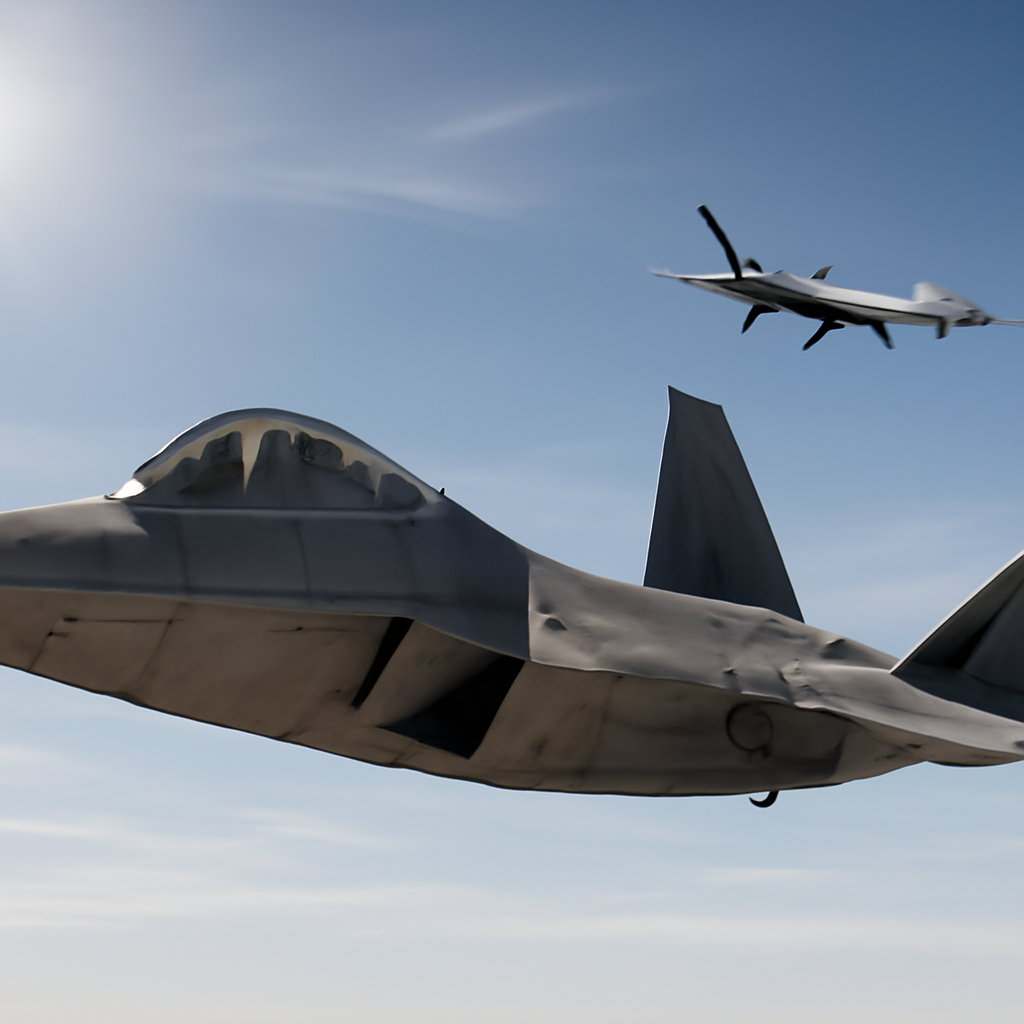
“Ukraine launched approximately 600 unmanned aerial vehicles across 14 Russian regions on the night of May 16–17,” the Security Service of Ukraine (SBU) and Kyiv reporting confirm — a concentrated strike package that hit oil infrastructure, a microelectronics hub, and military facilities deep inside Russia and occupied Crimea.
Targets in Moscow Oblast, Zelenograd, Ryazan, and Crimea
The SBU identified four primary targets in Moscow Oblast: the Angstrem semiconductor plant, the Moscow Oil Refinery in Kapotnya, the Solnechnogorsk fuel pumping station, and the Volodarskoye fuel pumping station. Kyiv Post’s OSINT analysis corroborated strikes on the Solnechnogorsk oil storage facility near Durykino and on the Elma Technology Park in Zelenograd, described in reporting as the centre of Russia’s domestic microelectronics production. The SBU also reported hits on air-defence systems and infrastructure at the Belbek military airfield in occupied Crimea.
Separate but related strikes on May 15 and 16 expanded the tally of economic and military targets. On May 15 Ukrainian drones struck the Ryazan Oil Refinery — one of Russia’s largest, processing over 17 million tonnes per year — causing a fire visible across the city. The same night a Beriev Be-200 and a Ka-27 were struck in Yeysk along with a Tor‑M2 air-defence system. On May 16 a fire was reported at the Nevinnomyssk Azot plant in Stavropol Krai; an NSDC official described that plant as a critical component of Russia’s defence-industrial complex.
Platforms in the deep-strike fleet: An-196 Liutyi, UJ‑26 Beaver, and Fire Point FP‑1
Ukraine’s long-range strike capability, as described in reporting, uses multiple platform types. The An‑196 Liutyi is a propeller-driven, cruise-missile‑type platform with a range exceeding 1,000 km and a 75 kg payload, employing hybrid guidance that combines inertial navigation, satellite communications, and machine‑vision terminal homing. The UJ‑26 Beaver has been used for deep strikes against airfields and infrastructure in Crimea and beyond. Fire Point’s FP‑1 is portrayed as a mass‑producible loitering munition priced at roughly $55,000, carrying up to 120 kg of explosives with an approximate 1,500 km range.
Operational evolution was also reported: Ukraine has begun deploying modified long‑range UAVs that carry both a 60 kg strike warhead and up to eight NURS unguided aviation rockets, combining kamikaze and rocket‑launch functions in a single airframe. Swarm sizes have grown — 100–200 drones per night became common in early 2026 — and mid‑range strikes (50–250 km) have quadrupled in frequency since late 2025, according to the same reporting.

Audit-ready is a season. It shouldn't be.
Evidence in spreadsheets, controls drifting between audits, frameworks multiplying on flat headcount. Nubivance runs continuous compliance on Rapid7 Cyber GRC - SOC 2, HIPAA, ISO 27001, PCI, CMMC.
End the scrambleRussia’s interception claims, casualties, and disruption
Russia’s Defence Ministry claimed it intercepted and destroyed 556 Ukrainian drones overnight across 14 regions during the May 16–17 operation, and by midday on May 17 said the total had risen to over 1,000 drones intercepted or jammed in 24 hours. RIA, citing Defence Ministry data, reported that Russia had intercepted 3,124 Ukrainian drones in the past week, with peak days on May 13 (572) and May 17 (1,054).
Those figures sit alongside corroborating and contradictory material. Kyiv Post geolocation data and eyewitness footage confirmed that a number of strike drones passed through Moscow’s Pantsir and S‑400 defences and struck targets. Moscow Mayor Sobyanin said 120 drones heading for the capital were shot down. The reported human toll included at least four people killed — three near Moscow — and 12 wounded, mostly near the Moscow refinery. Airport operations were disrupted: roughly 200 flights at Sheremetyevo and 100 at Vnukovo were delayed or cancelled.
On the same night Russia launched 287 drones toward Ukraine, injuring at least nine people in Dnipropetrovsk and Zaporizhzhia regions; Ukraine’s Air Force said it shot down all but eight. In response to the strikes, Russia introduced new restrictions on reporting the aftermath of drone strikes, banning publication of photos, videos, or details without official authorization.
The first mass salvo exchange: roughly 900 loitering munitions in 12 hours
The May 16–17 window may represent the first time two state militaries simultaneously exchanged mass loitering‑munition salvos. Ukraine launched approximately 600 one‑way attack drones into Russia while Russia fired 287 at Ukraine, producing roughly 900 uncrewed strike platforms crossing in opposite directions within a 12‑hour period. Three days earlier, Russia had fired 675 drones and 56 missiles at Kyiv. The reporting frames these figures not as isolated deep strikes but as part of a sustained, industrial‑scale attrition campaign using expendable platforms — a tempo that the source observes has outpaced the doctrinal frameworks many defence establishments use to think about air campaigns.
How technologists, policymakers, and affected enterprises are likely to respond
- Technologists and security teams will watch guidance and terminal‑homing technologies closely: hybrid navigation that pairs inertial systems, satellite links, and machine‑vision terminal homing — and the addition of rocket‑armed UAVs — changes signature, flight profile, and countermeasure requirements.
- Policymakers and regulators will contend with scale and information control: state claims of thousands of interceptions, domestic reporting bans on strike aftermaths, and the logistical strain on civil aviation and emergency services increase the policy pressure around disclosure and civil resilience.
- Operators and affected enterprises — oil refineries, fuel pumping stations, microelectronics plants, and chemical producers named in the strikes — now face visible physical risk: Ryazan, Kapotnya, Zelenograd’s Elma Technology Park, Angstrem, and Nevinnomyssk Azot were all specifically cited as damaged or struck in the reporting.
The May 16–17 operation combined high volume, diversified platforms, and targeted economic and industrial nodes: Major Robert Brovdi reported 46 strategic targets with 186 precision impacts in that raid, while Russian agencies reported thousands of interceptions across a single week. Those parallel claims — and the new mix of munition types and carriage methods — leave a clear, immediate question rooted in the facts: can existing air‑defence doctrine, industrial production of expendable strike platforms, and controls on post‑strike information keep pace with a campaign measured in the thousands of loitering munitions?