"Today, an attack by a drone was repelled against one of the industrial facilities in Noyabrsk," Dmitry Artyukhov, governor of the Yamalo-Nenets Autonomous Okrug, wrote on Telegram, adding that "there are no casualties or injuries" as emergency crews worked the scene.
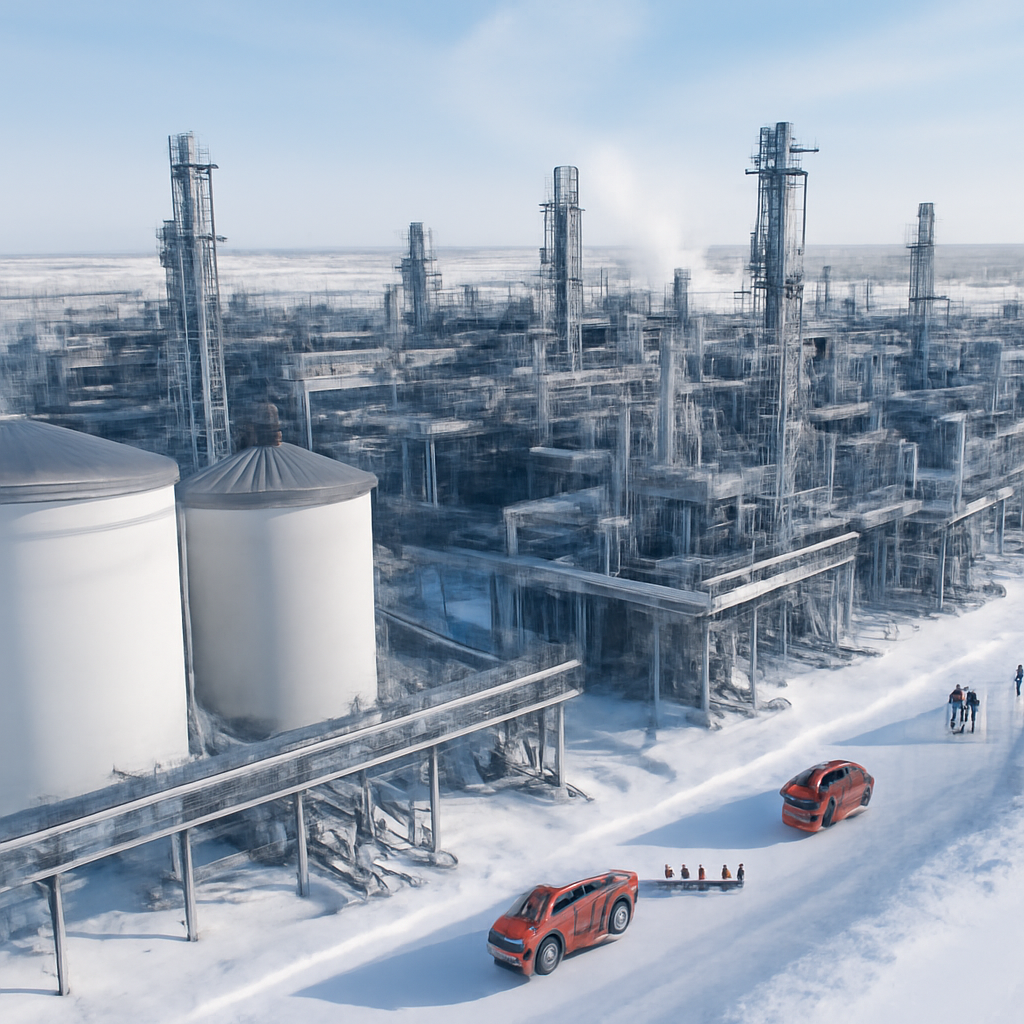
The Novy Urengoy Condensate Stabilization Plant
Ukraine’s Armed Forces General Staff said on X that on 9 September 2026 units of the Defence Forces struck the Novy Urengoy Gas Condensate Processing Plant in Novy Urengoy, Yamalo-Nenets Autonomous Okrug. The general staff said the plant has an annual processing capacity of approximately 19.5 million tons and "produces stabilized gas condensate, petroleum fractions, diesel fuel and other petroleum products," adding that "its products are used, among other purposes, to meet the needs of the Russian armed forces." Video circulating from the scene shows distant flames and smoke but offers little detail about the extent of damage.
Claims about distance and significance
Russian and Ukrainian officials framed the strike in geographic terms: Russian statements said the attack struck an industrial facility in Noyabrsk more than 1,700 miles from the Ukrainian border, while multiple social posts and outlets described strikes on Russia’s arctic gas hub at distances of roughly 3,000–3,200 km from Ukraine. The Russian Mediazzzona Telegram channel called the Novy Urengoy attack "the furthest strike since the start of the war," noting the previous record was an attack on the Omsk oil refinery in July 2026 at about 2,500 km from the border.

Audit-ready is a season. It shouldn't be.
Evidence in spreadsheets, controls drifting between audits, frameworks multiplying on flat headcount. Nubivance runs continuous compliance on Rapid7 Cyber GRC - SOC 2, HIPAA, ISO 27001, PCI, CMMC.
End the scrambleFire Point’s posts and the question of which system was used
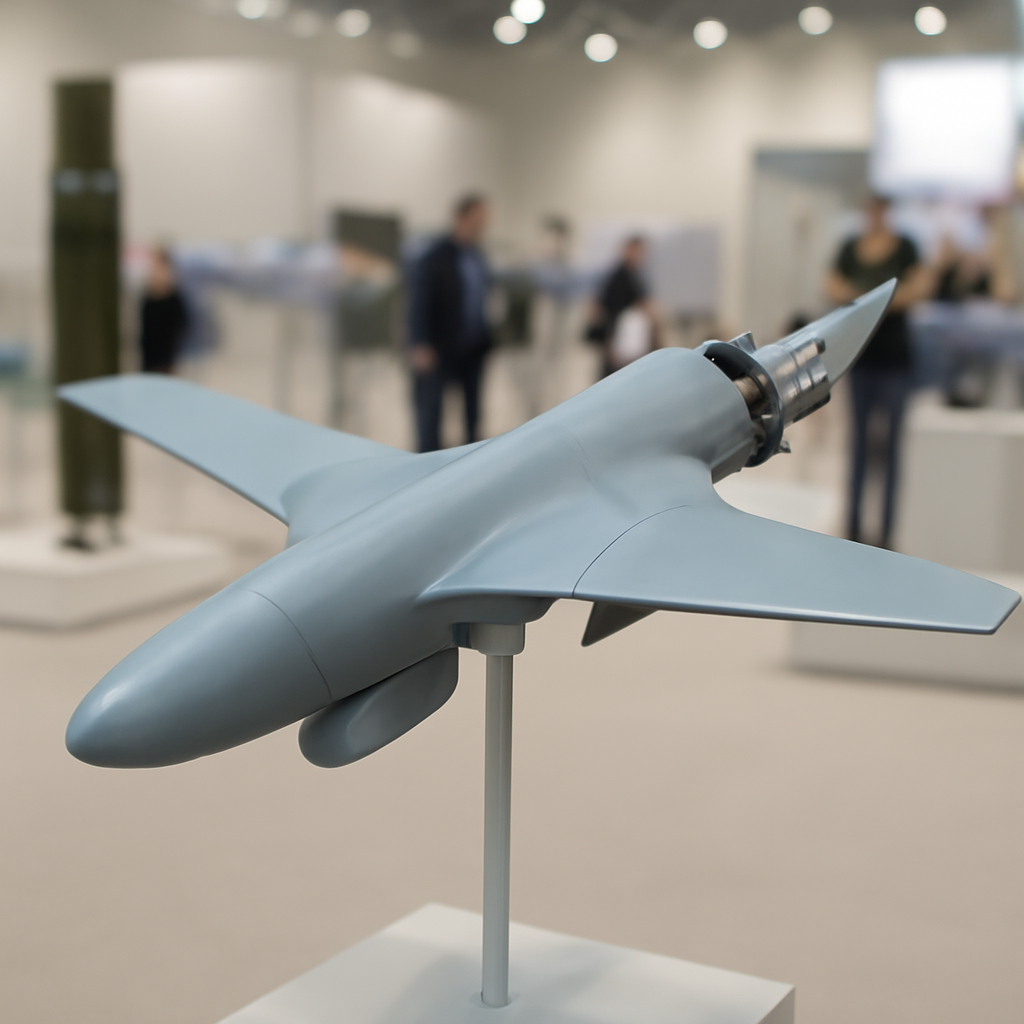
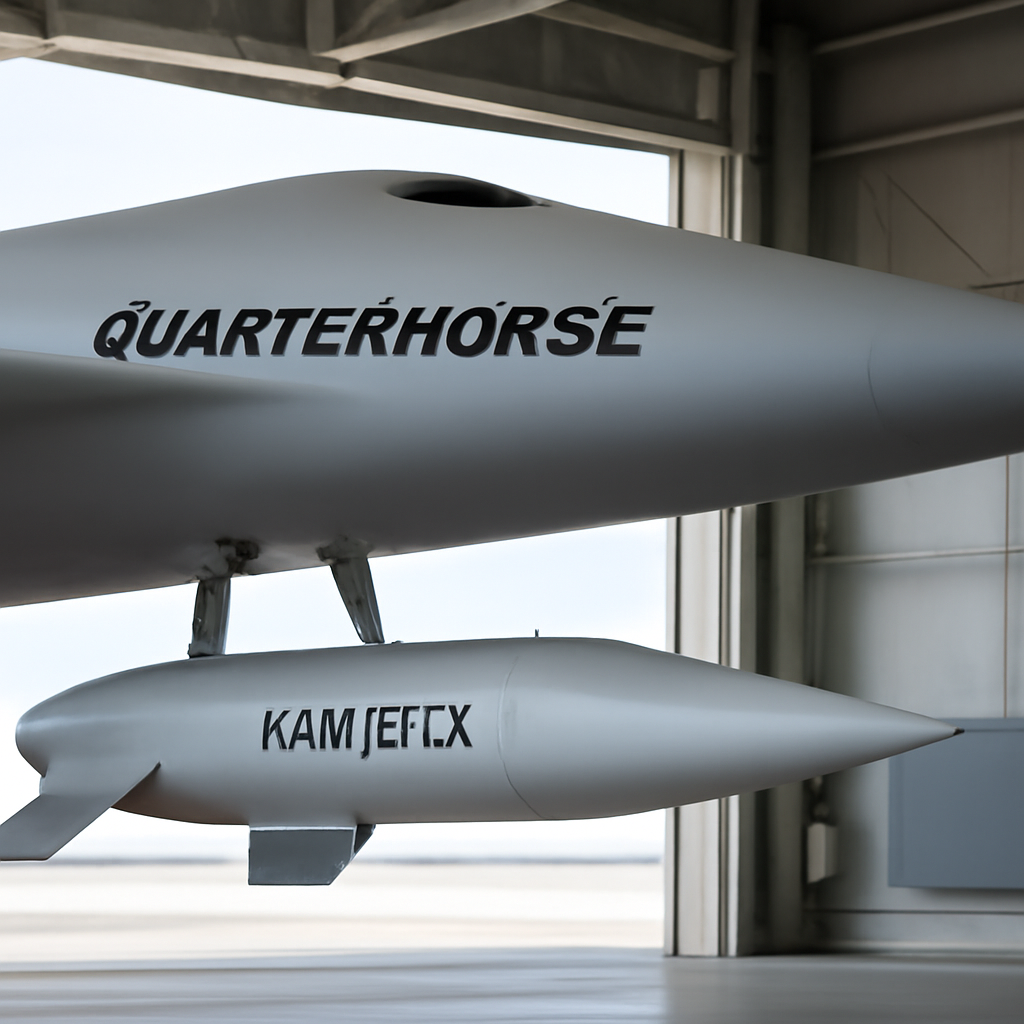
Online posts by the weapons company Fire Point and its founder, Denys Shtilierman, hinted that one of their drones may have been involved. Fire Point posted a video of the gas plant with a message saying, "Guess who traveled over 3300 km (about 2,050 miles) and successfully achieved their goal." Shtilierman posted the same clip with the teased caption "3200))." Fire Point also claims its FP-1 drones can now travel about 2,100 miles (3,400 km) with a 60 kg payload. Neither the company nor Ukrainian officials provided independent confirmation that Fire Point systems carried out this particular strike; the Ukrainian General Staff likewise released no technical details about how the strike was executed. The source material also notes alternatives: the attack could have been mounted by a different system, by a launch from inside Russia, or by third parties used in past deep strikes.
Regional Russian response: governor, presidential envoy, and airport restrictions
Governor Dmitry Artyukhov said on Telegram that debris from a drone caused a fire at an industrial facility and urged residents to "rely only on information from official sources." Artem Zhoga, the Presidential Envoy of the Russian Federation to the Ural Federal District, also posted on Telegram, calling the attack an assault by the "criminal Kyiv regime" on the Arctic region and saying the "enemy is trying to damage economic facilities in order to sow panic." Separate Russian reporting by RIA Novosti said a state of emergency was declared in the Khanty-Mansi Autonomous Okrug because of UAV activity and listed temporary restrictions at the airports of Igra, Nyagan, Uray, "Sovetsky," Surgut, and Khanty-Mansiysk. Videos circulated on social platforms appearing to show a Fire Point FP-1 drone over Khanty-Mansiysk and distant fires near Novy Urengoy.
How Gazprom, the Ukrainian Armed Forces General Staff, Fire Point, and regional authorities are responding
- Gazprom and Russia’s energy authorities: The Novy Urengoy region is described in the source as a central gas-production hub; the source cites Gazprom's 2020 estimate of the region’s gas resources at 26.5 trillion cubic meters. The plant strike — whether limited or substantial — joins a wider campaign the source says has already struck many refineries and processing sites and that Moscow has treated as strategically damaging to energy infrastructure.
- Ukrainian Armed Forces General Staff: The general staff publicly took credit for the strike and framed it as part of ongoing operations "against key enemy military targets," while offering only limited operational details.
- Fire Point weapons company: The company publicly celebrated a long-range mission and points to FP-1 range figures; at the same time, neither Fire Point nor Ukrainian authorities confirmed their systems were responsible for the Novy Urengoy impact.
- Regional Russian authorities: Governors and federal envoys have declared emergencies and imposed airport restrictions in affected districts; governors emphasized no casualties in official statements and urged calm.
The strike at Novy Urengoy, the multiple distance claims and the public hints from an arms manufacturer all underscore a fact stated in the source: Kyiv’s campaign against Russian energy infrastructure has extended deep into Russia and is accelerating. The source records that last month President Vladimir Putin signed a decree allowing the government to temporarily seize critical infrastructure that owners do not adequately protect — a legal step Moscow has taken as energy-sector losses mount. With Ukrainian officials saying that operations against "key enemy military targets are ongoing" and with manufacturers boasting longer ranges, the central practical question the facts leave is direct and narrow: will Russian authorities invoke the new seizure powers or expand protective measures where strikes continue to reach?
Source: https://www.twz.com/news-features/ukraine-carried-out-its-deepest-drone-strike-on-russia-ever