Tag: geopolitics
939 articles
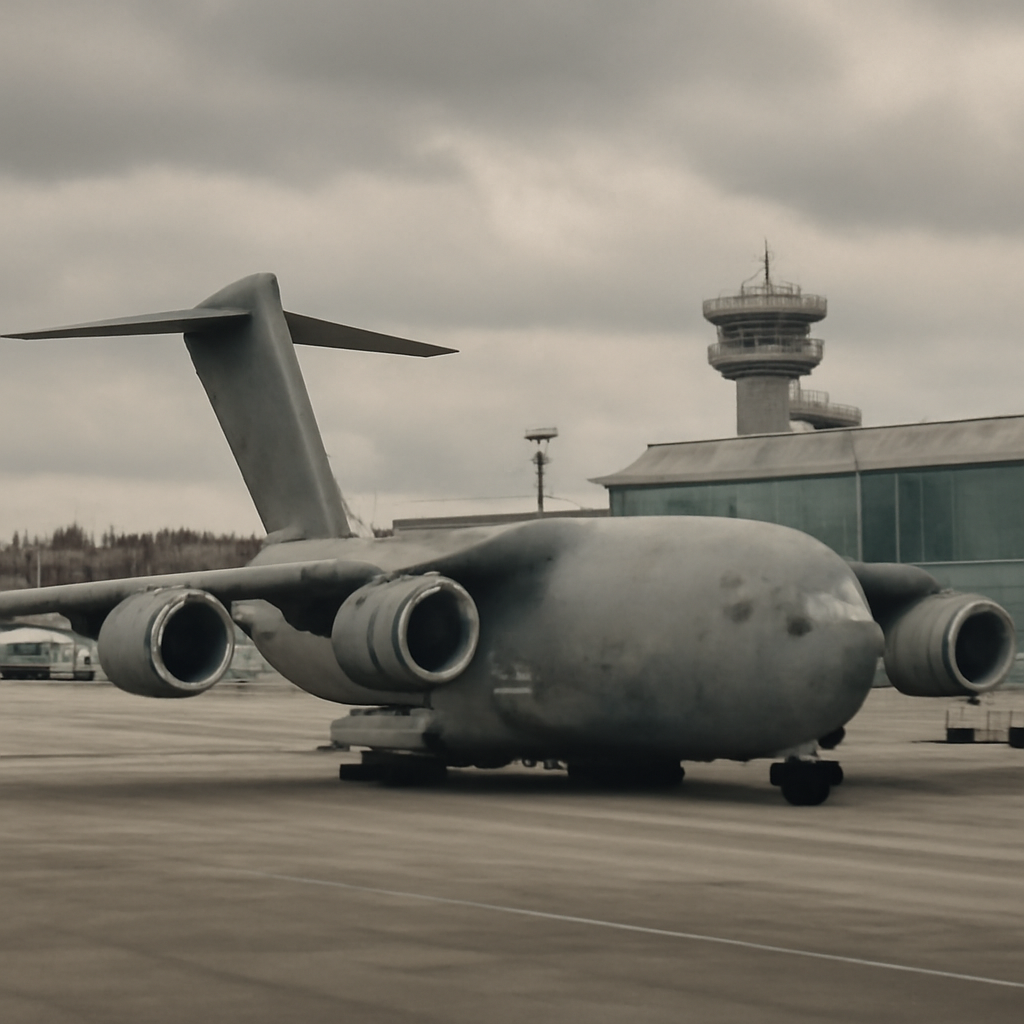
USAF C-17 Lands in Moscow Amid Heightened Tensions
In a bold move, a US Air Force C-17 Globemaster III landed at Moscow's Vnukovo International Airport on August 25, 2026, amid rising tensions between the US and Russia. The aircraft, operating under callsign RCH4555, departed Riga just hours earlier, sparking widespread interest and attention.

Turkey, Saudi Arabia, Pakistan pact turbocharges defense industrial ties
The trilateral agreement between Saudi Arabia, Turkey, and Pakistan is a game-changer, forging a lasting defense-industrial partnership that goes far beyond a simple arms deal. It's a strategic move towards creating a joint ecosystem for defense industries, driving innovation, and boosting local production through technology transfer and collaborative investments.

Pentagon Axes Civilian Protection Program, Faces Backlash
The Pentagon has axed its Civilian Protection Program, sparking widespread backlash, after Defense Secretary Pete Hegseth deemed its rules of engagement too restrictive. The move comes despite a 2025 poll of top commanders, who largely favored preserving the program in some form.
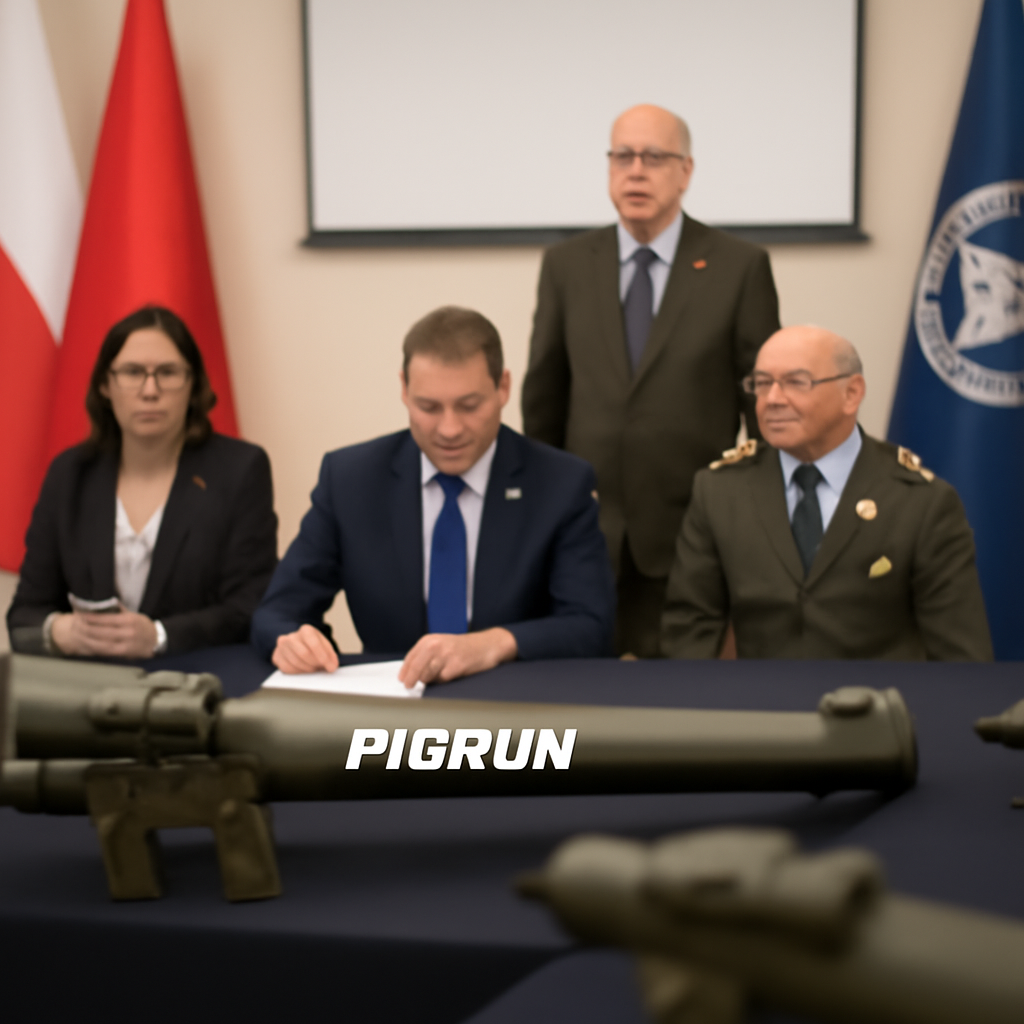
Poland Bolsters NATO Allies with $2 Billion Piorun Missile Deal
Poland is set to significantly boost its NATO allies' defense capabilities with a groundbreaking $2.16 billion deal to supply thousands of Piorun missiles and launch systems. This massive contract, valued at PLN 8 billion, marks a major milestone in the country's military modernization efforts.
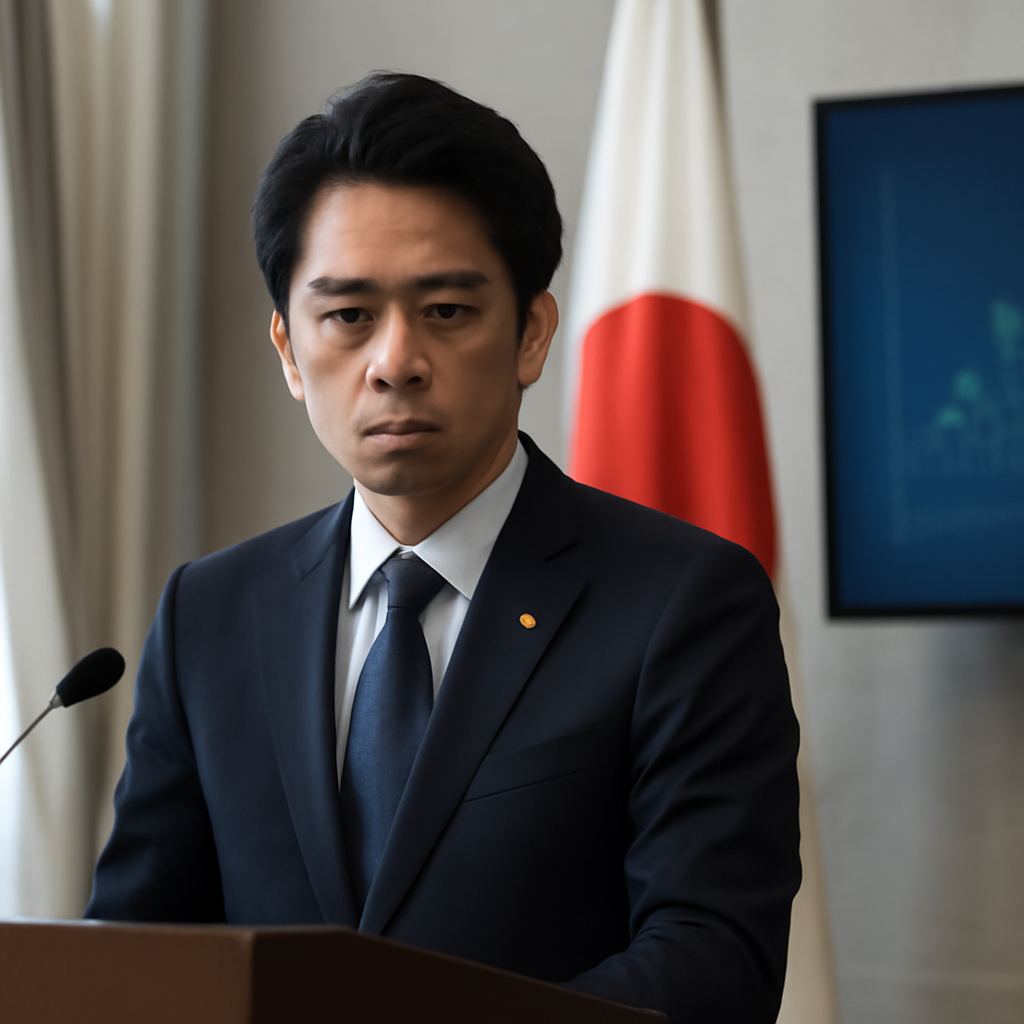
Japan's Defence Spending Falls Short Amid Fiscal Constraints
Japan's defence spending has fallen short of expectations, with a 2026 budget of 10.6 trillion yen translating to 1.5% of GDP, not 1.9% as claimed by Defence Minister Shinjiro Koizumi. This misses the 2% target set for 2027, highlighting fiscal constraints.
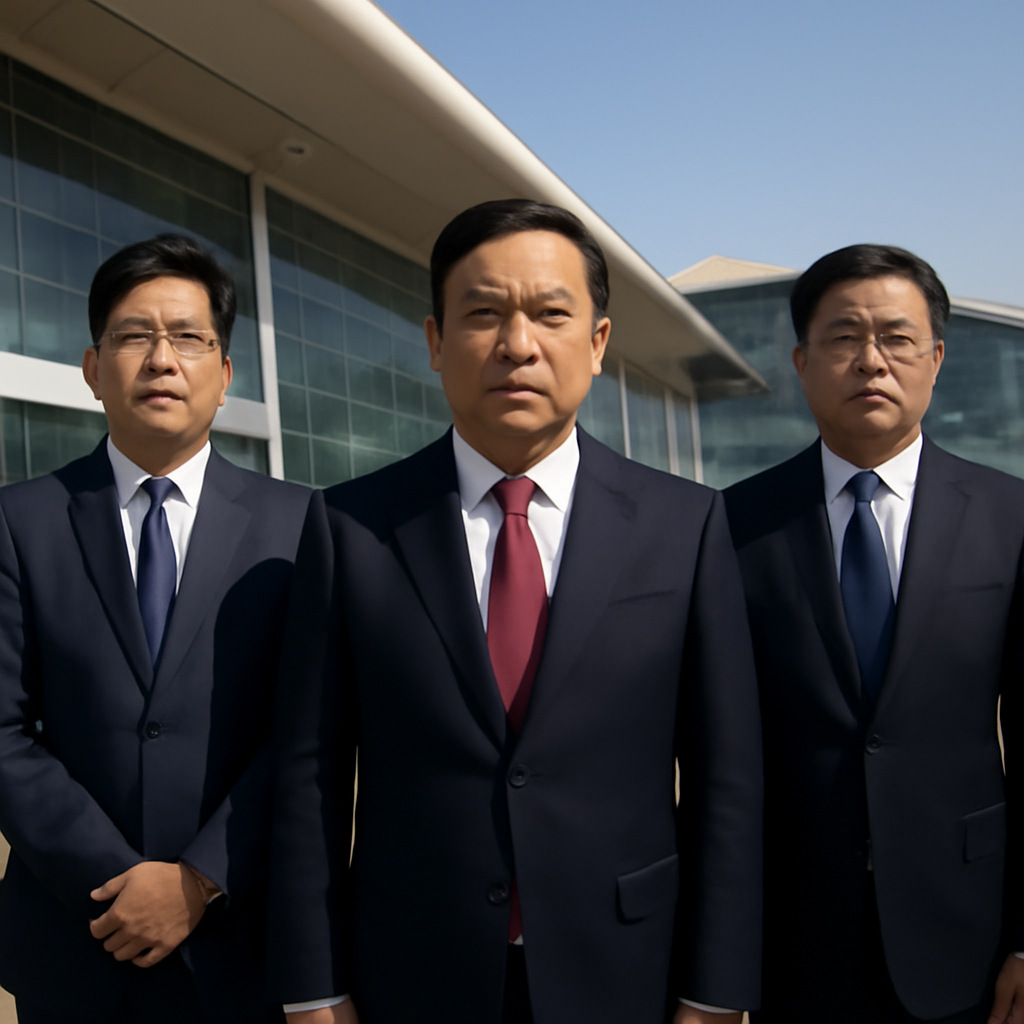
China's New Ambassador in Australia Signals Assertive Stance with United Front Ties
China's new ambassador to Australia, Liu Jinsong, made a bold statement on his first day in Sydney by posing for a photo with two high-profile figures tied to the United Front, a move that signals a more assertive approach to his role. This striking image, published on the Chinese embassy's website, immediately linked Liu to organised groups promoting the Chinese Communist Party's interests.
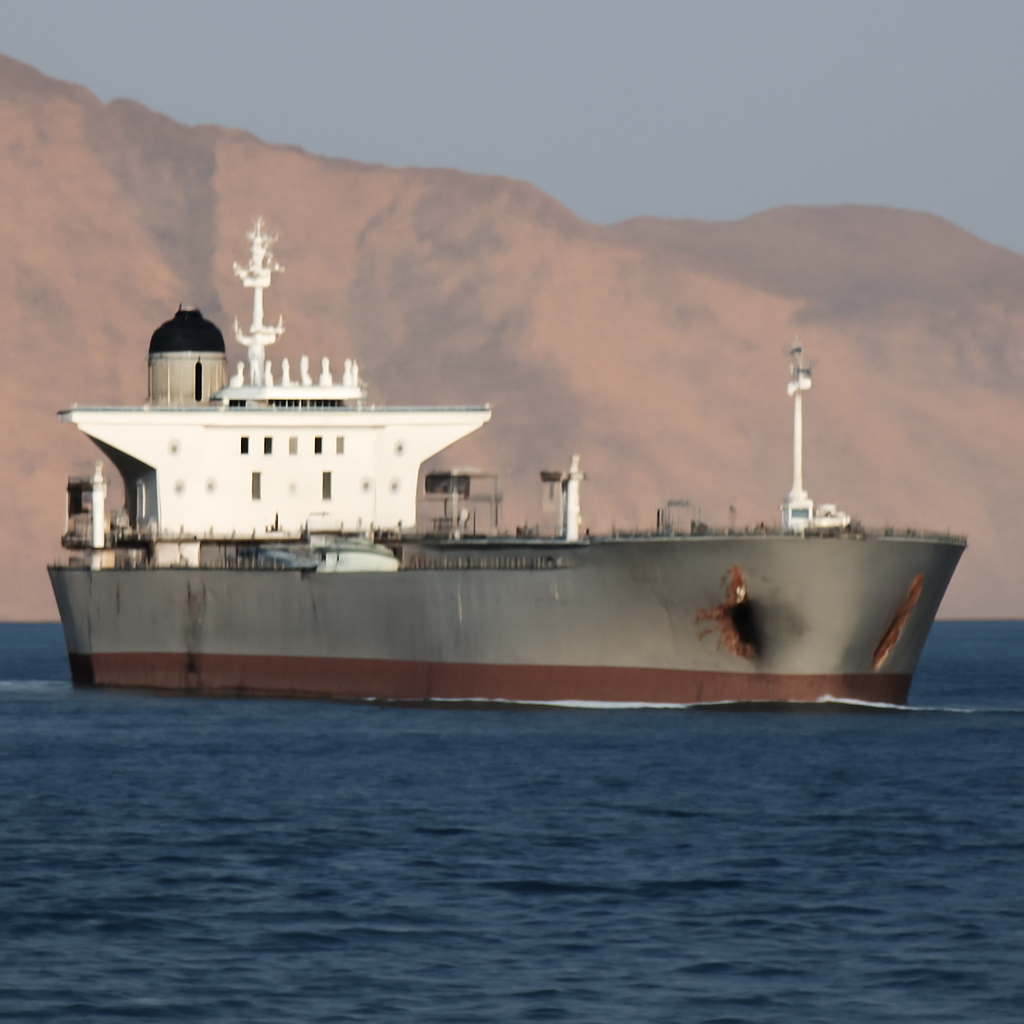
US Targets Iran with New Sanctions as Ship Struck in Strait of Hormuz
The US is turning up the heat on Iran with fresh sanctions, and it's clear they mean business - Treasury Secretary Scott Bessent warned countries to toe the line, just hours before a ship was hit in the Strait of Hormuz. The incident saw a vessel struck by an unknown projectile 9NM northeast of Ash Shishah, Oman, leaving its engine room damaged and disabled.
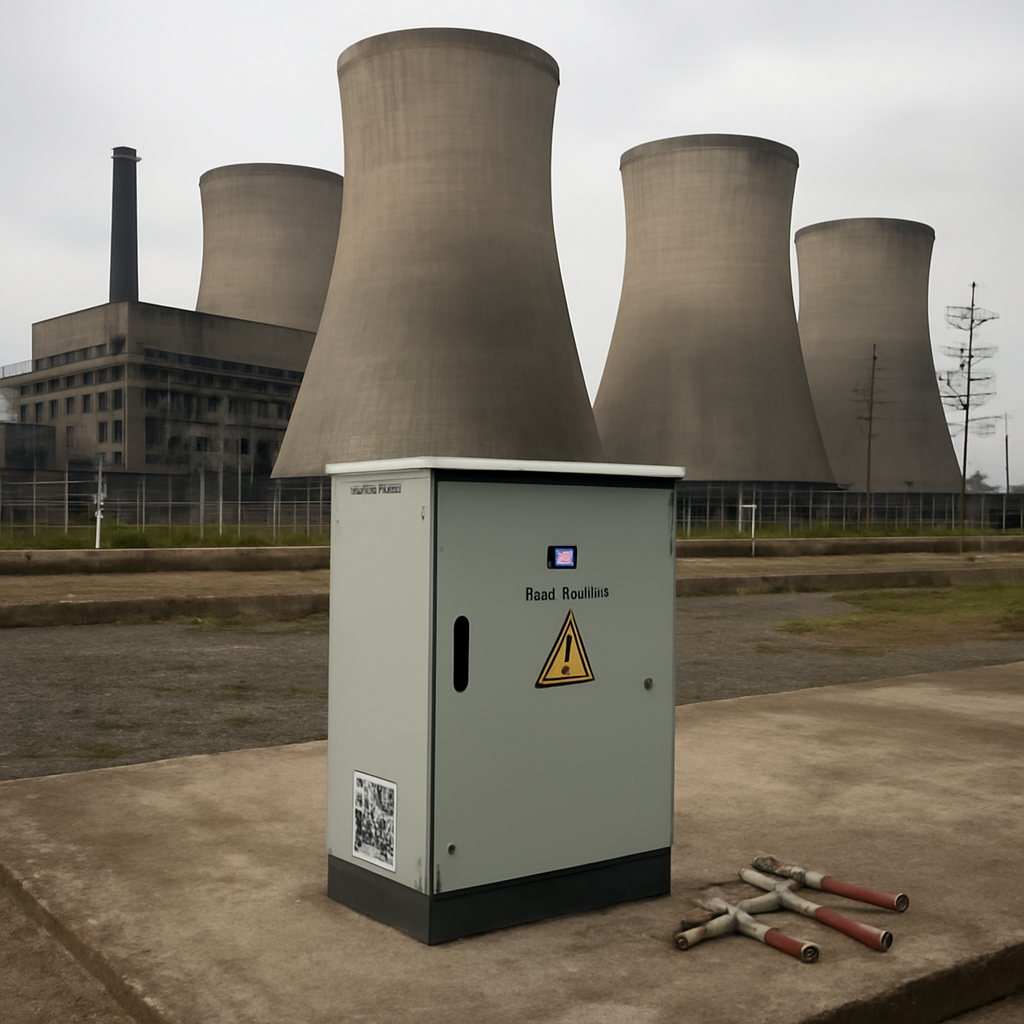
Iranian Hackers Expose UK Power Plant Vulnerability
Can a UK power plant vulnerability leave millions in the dark? Iranian hackers recently caused a four-day blackout at an unnamed UK facility, raising concerns about the potential for a larger, more critical attack.
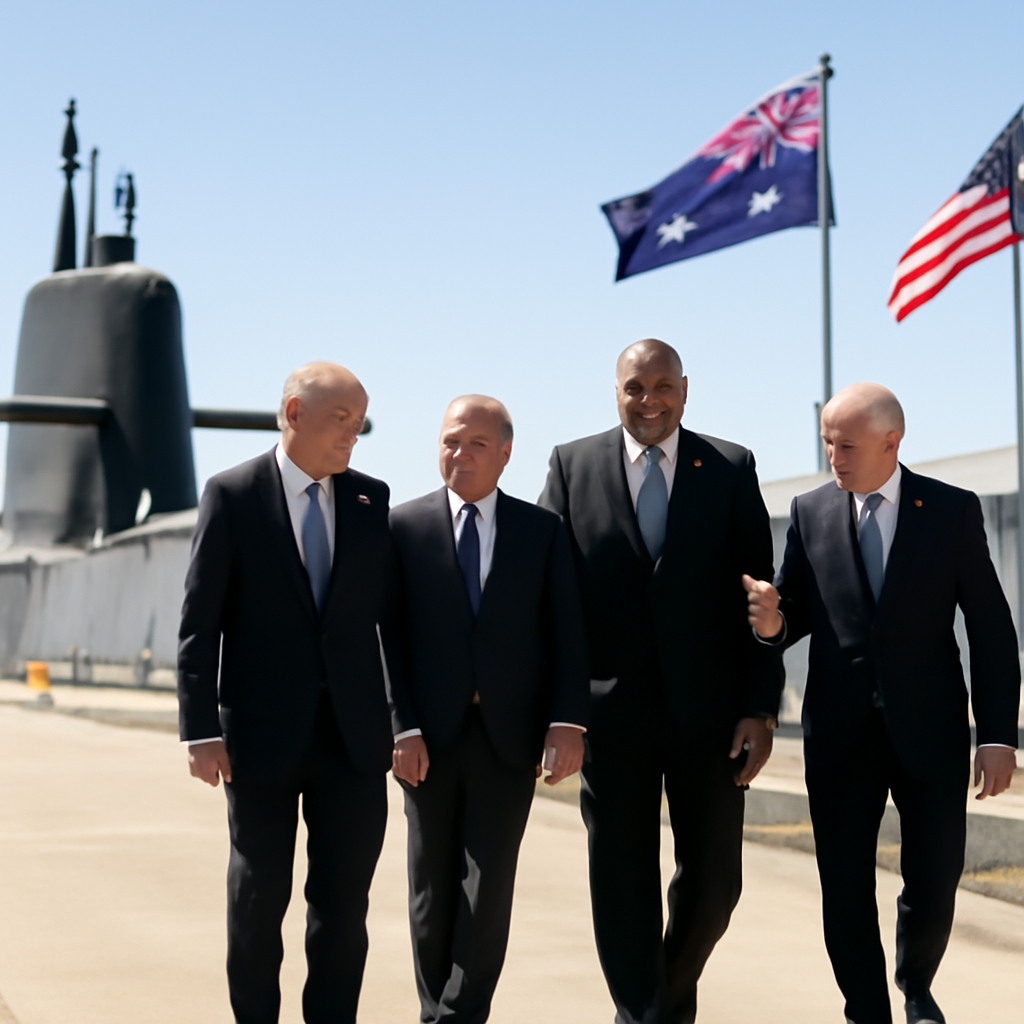
Australia Forges Indispensable US Alliance with AUKUS, Strategic Realignments
Australia is forging a powerful alliance with the US through AUKUS, a game-changing security partnership that's redefining strategic alignments. By teaming up with the US and UK, Canberra is turning alignment into a strength, not a weakness.
US Weighs Loyalty Tests in European Force Posture Review
Loyalty tests can backfire, warn experts Mara Karlin and Julianne Smith, as the US considers a new review of its European force posture that may judge countries on their ideological alignment with America. The proposed pass/fail criteria have sparked debate, with critics arguing that such tests erode, rather than build, loyalty.
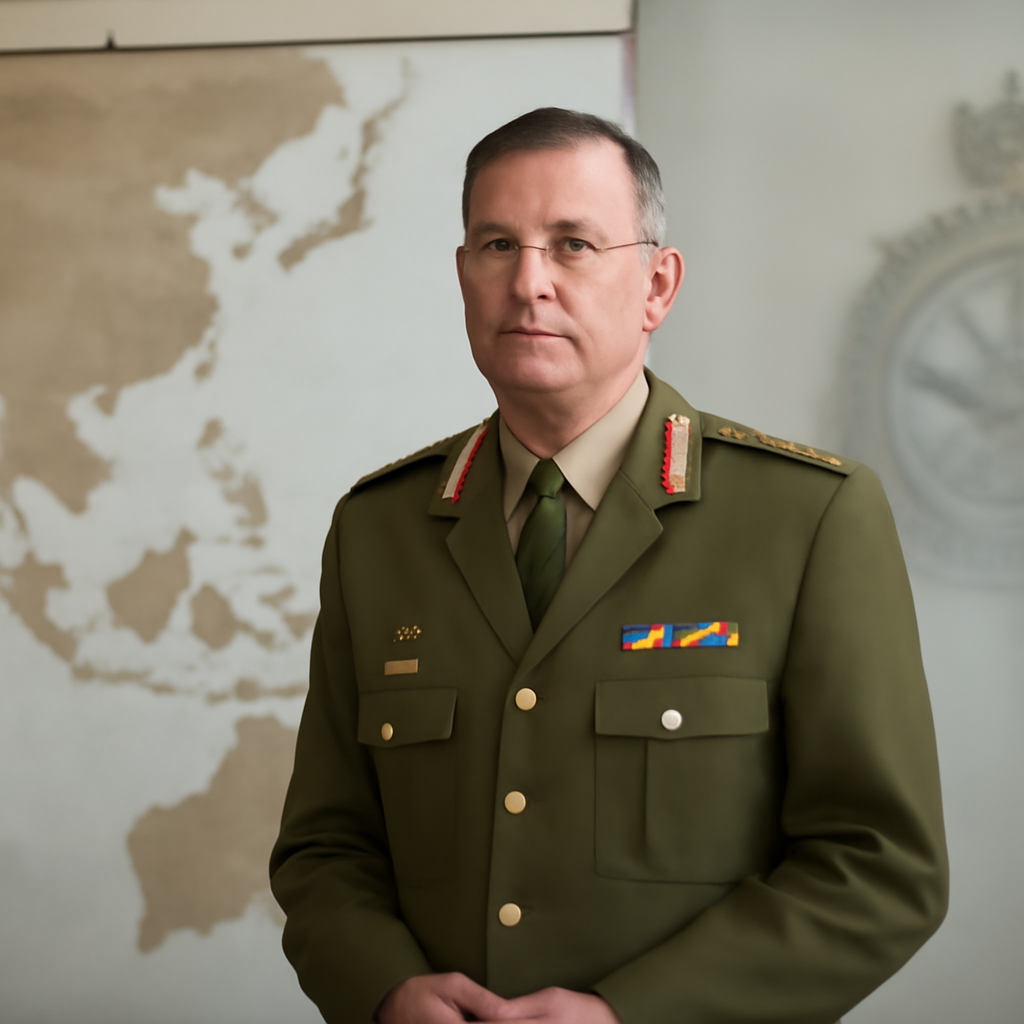
Australia Faces Shrinking Warning Time on China Threat
Australia's Defence Minister warns we're living in the most perilous times since World War II, and our window to prepare for a potential threat from China is rapidly shrinking. The days of having a decade to ready our defences are over.
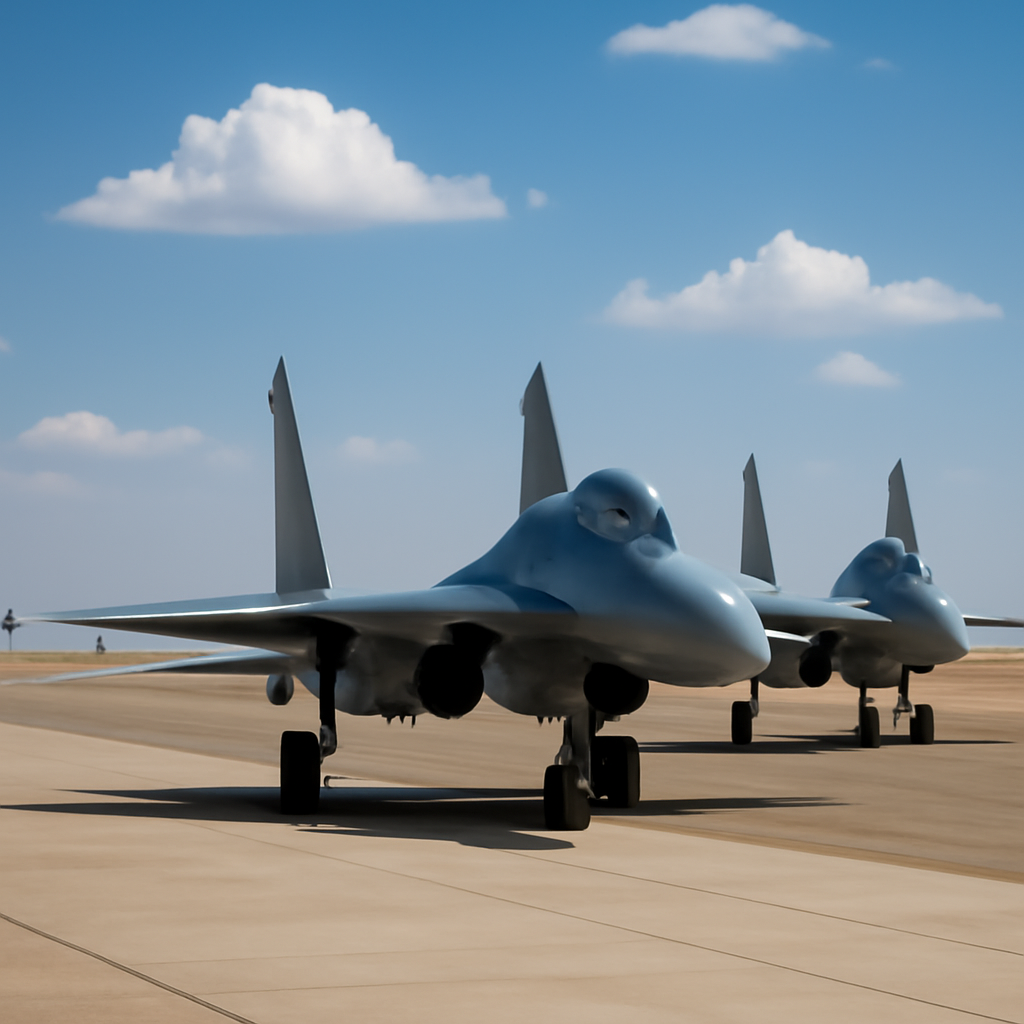
China's J-16 Fighters Debut in Africa with Egypt Joint Drills
China's J-16 fighter jets have made their debut in Africa, traveling over 6,000 kilometers to join Egyptian forces for a joint training exercise, marking a significant upgrade in their overseas deployment. This milestone moment showcases China's growing military reach and capabilities.
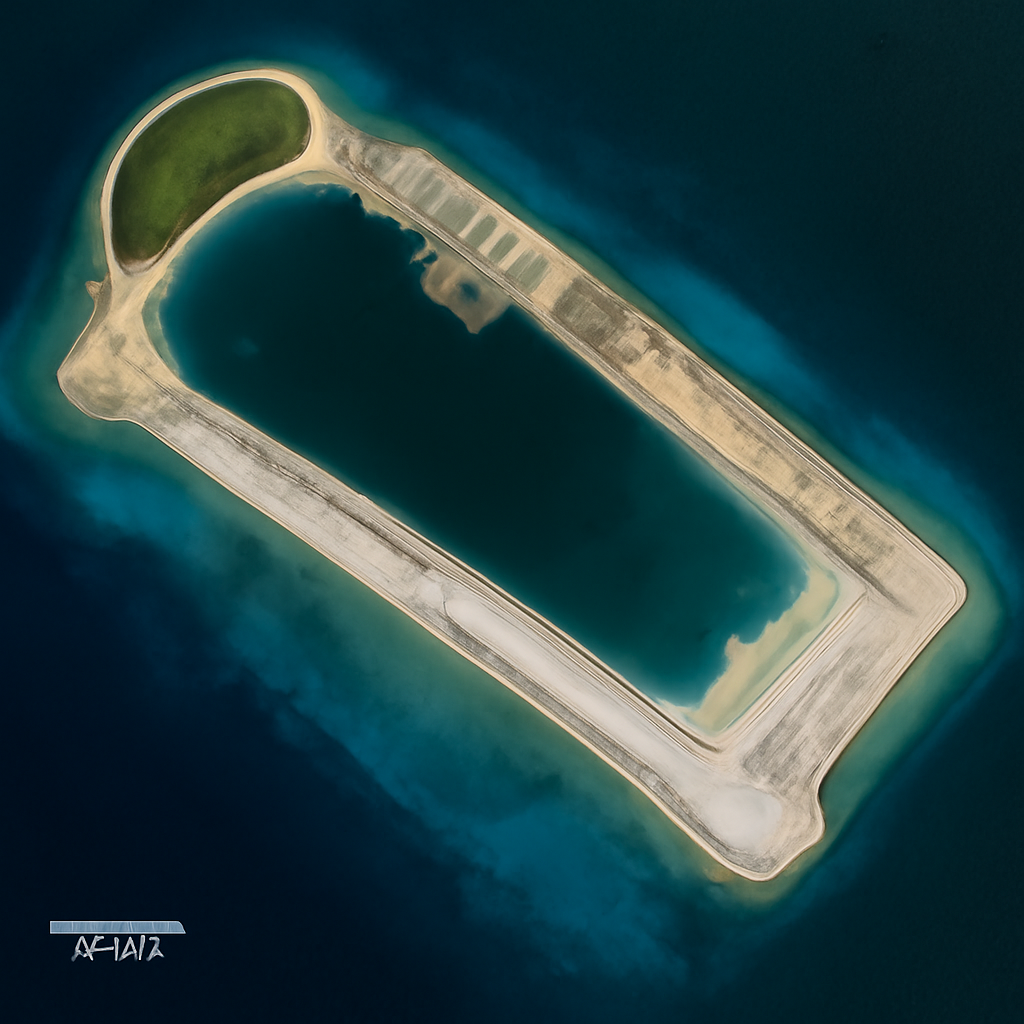
China Bolsters South China Sea Claim with Massive New Artificial Island
China has dramatically expanded its presence in the South China Sea, rapidly transforming a submerged shoal into a massive 3.7-mile-long artificial island, complete with a deep-water port and the makings of a military-grade runway. The astonishing reclamation project, fueled by over a million tons of dredged sand, has been nearly completed in under a year.
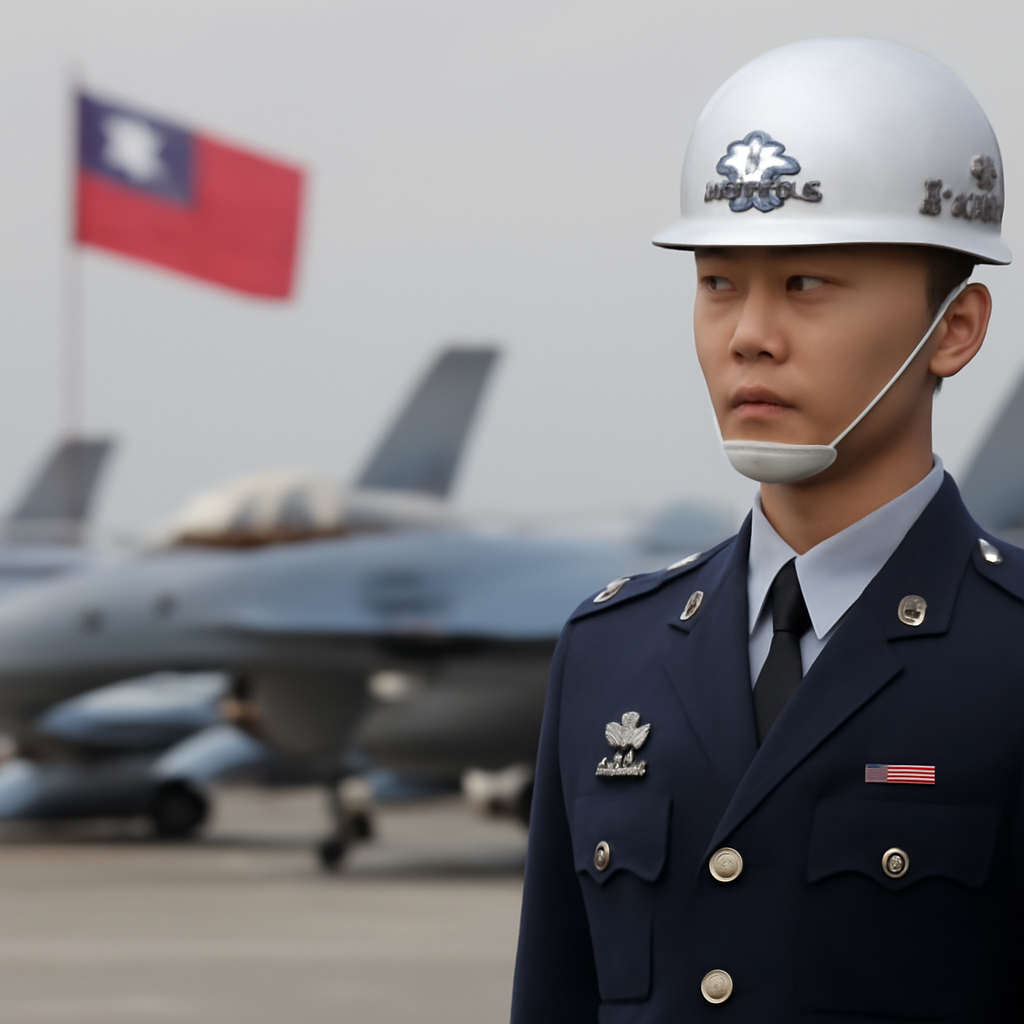
Taiwan Boosts Defense Budget to $35 Billion Amid China Threat
Taiwan is stepping up its defense game with a record $35 billion budget, a bold move that shows its commitment to safeguarding its sovereignty and deterring potential threats. This massive 18% increase is a clear signal of the island's determination to bolster its defenses and protect its people.

Think Tank ASPI Marks 25 Years of Shaping Australia's National Security Policy
Celebrating a quarter century of influence, the Australian Strategic Policy Institute (ASPI) was launched with a rare show of bipartisan unity, backed by both the Coalition and Labor parties. Founded 25 years ago with a bold vision of independence, ASPI was set free to challenge conventional thinking and shape Australia's national security policy.
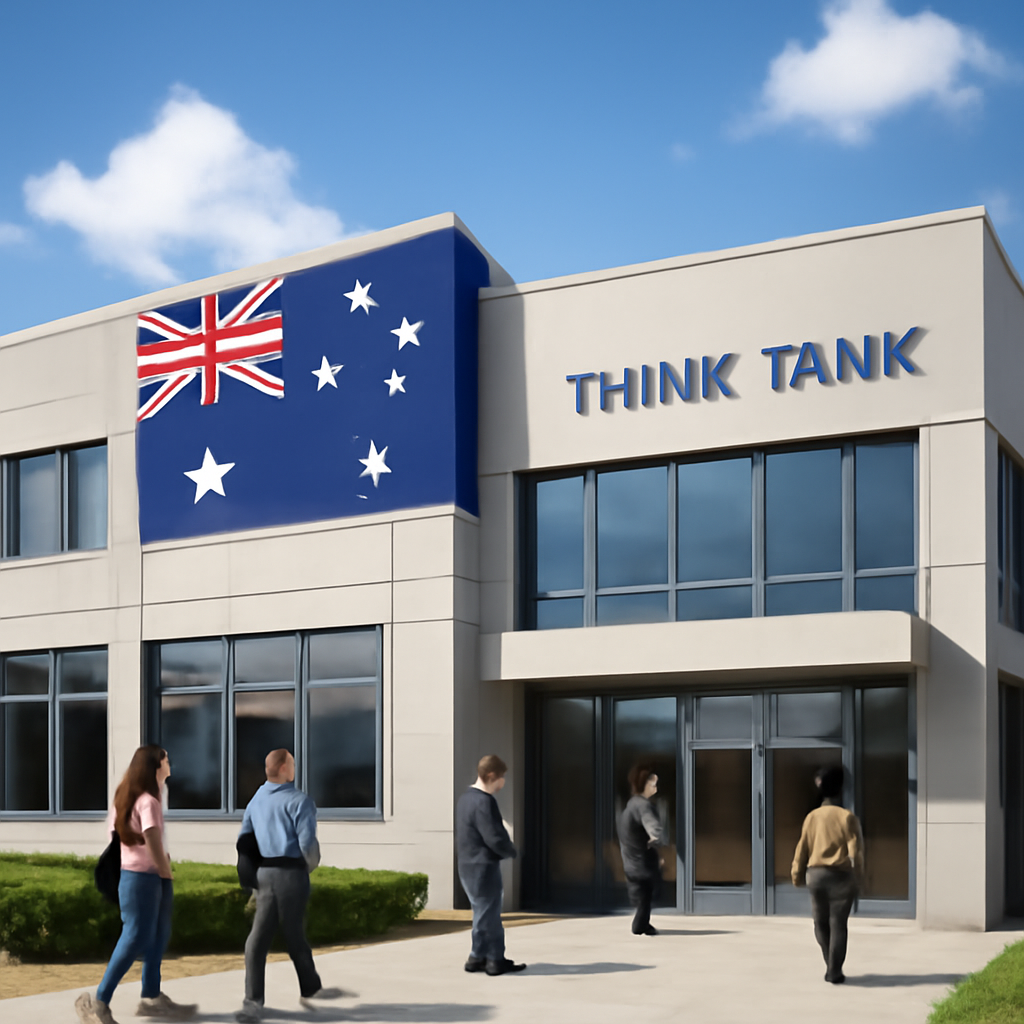
ASPI Celebrates 25 Years of Shaping National Security Debate
For 25 years, ASPI has been at the forefront of shaping Australia's national security debate, providing critical insights that challenge the status quo and inform government decision-making. From its roots in 2001, ASPI has remained committed to delivering contestable advice, fostering public discussion, and cultivating the next generation of security leaders.

NSA Deputy Warns of China's Pervasive Threat Across Domains
China's influence is a game-changer, touching every aspect of national security, and the competition is heating up, with artificial intelligence playing a major role. The NSA Deputy Director warns that Beijing is disrupting the status quo, acting as a spoiler from Greenland to the Korean Peninsula.
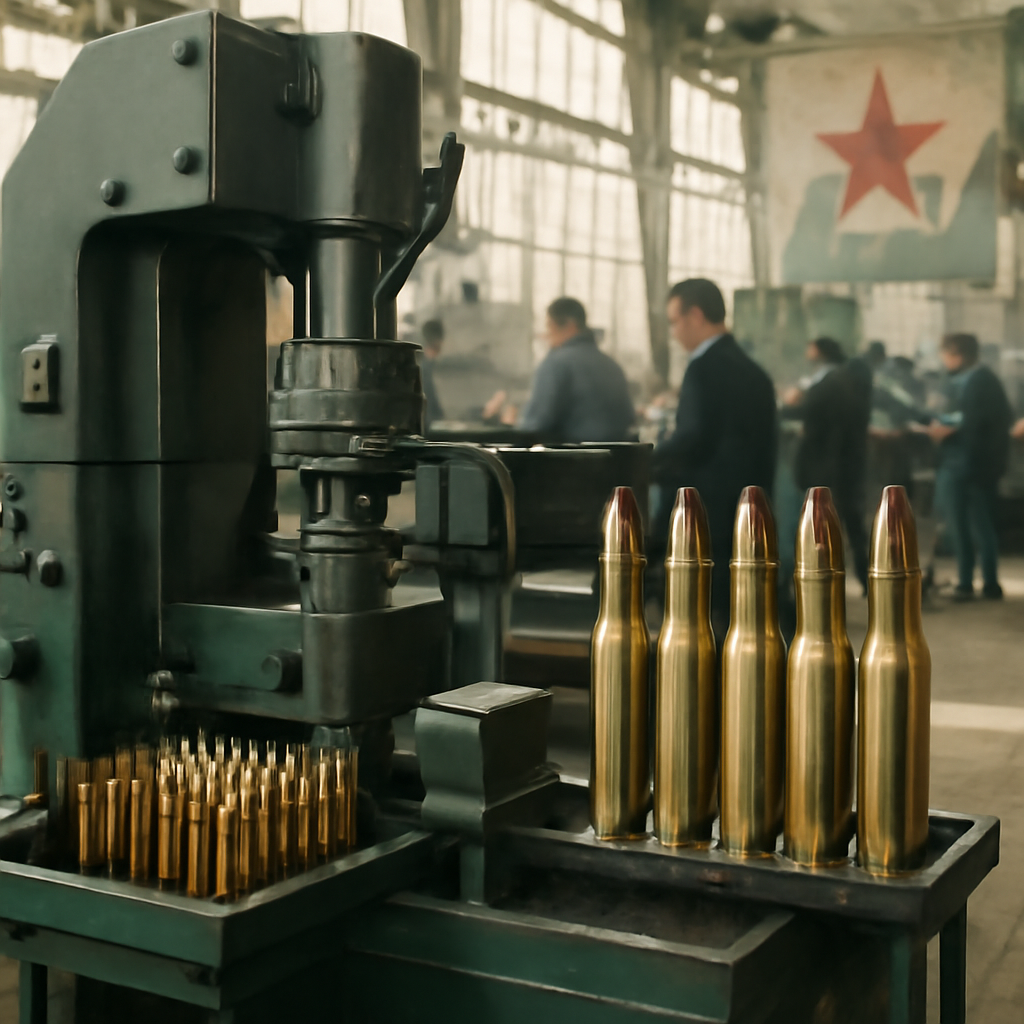
Mongolia Accelerates Defense Diversification with New Alliances
Mongolia is stepping up its defense game with a bold new approach to partnerships and industrial policy, marked by the recent launch of its first domestic ammunition production line in collaboration with Turkish defense company MKE. The milestone achievement signals a major shift in the country's strategy, with three types of ammunition now being produced locally.
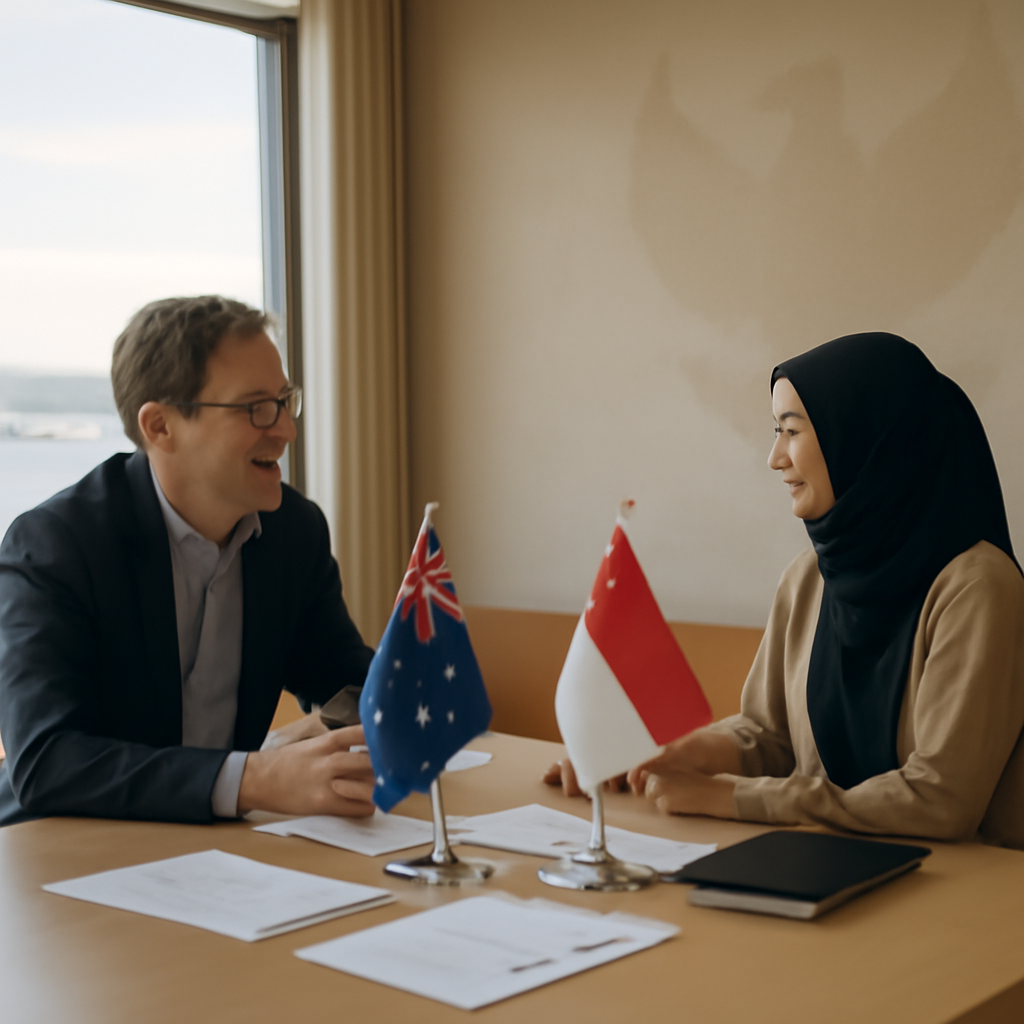
ASPI Forges Australia-Indonesia Ties Through Sustained Dialogue
Foreign Affairs Minister Penny Wong's bold declaration that Indonesia is Australia's most crucial partner underscores the significance of their relationship - one that has ebbed and flowed over 25 years, with ASPI playing a pivotal role in nurturing dialogue and understanding between the two nations. Through sustained engagement, ASPI has helped keep the lines of communication open, even in tough times, and encouraged Australian policymakers to see Indonesia as a valued partner.
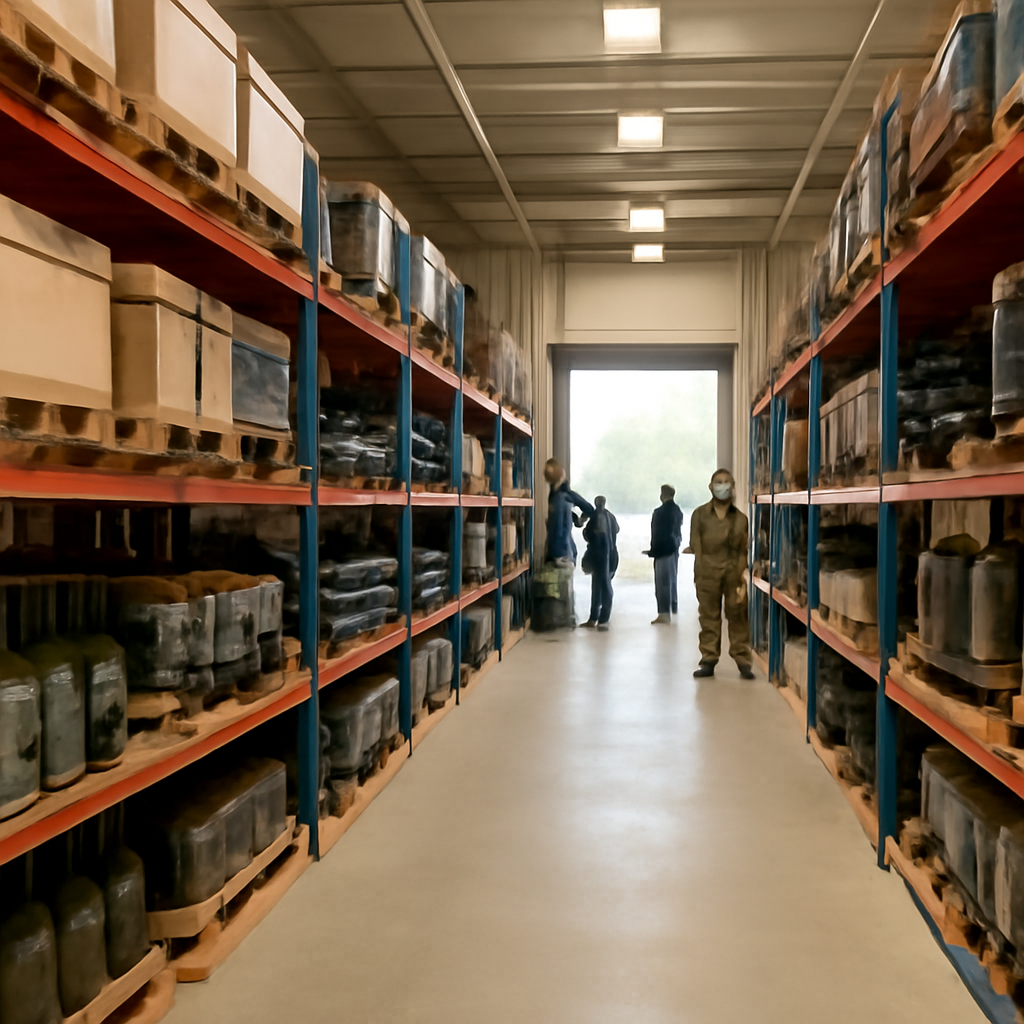
Pentagon Scrambles to Replenish Munitions Stockpiles Amid Iran War Surge
The Pentagon is racing to restock its munitions amid rising tensions with Iran, and defence giants are responding with game-changing innovations - including ultra-low-cost seekers and drone killers that could help ease the pressure on US stockpiles. Boeing, Northrop Grumman, and Lockheed Martin are leading the charge with affordable solutions.
Ukraine's Fire Point Courts Pakistan with Loitering Munitions Tech
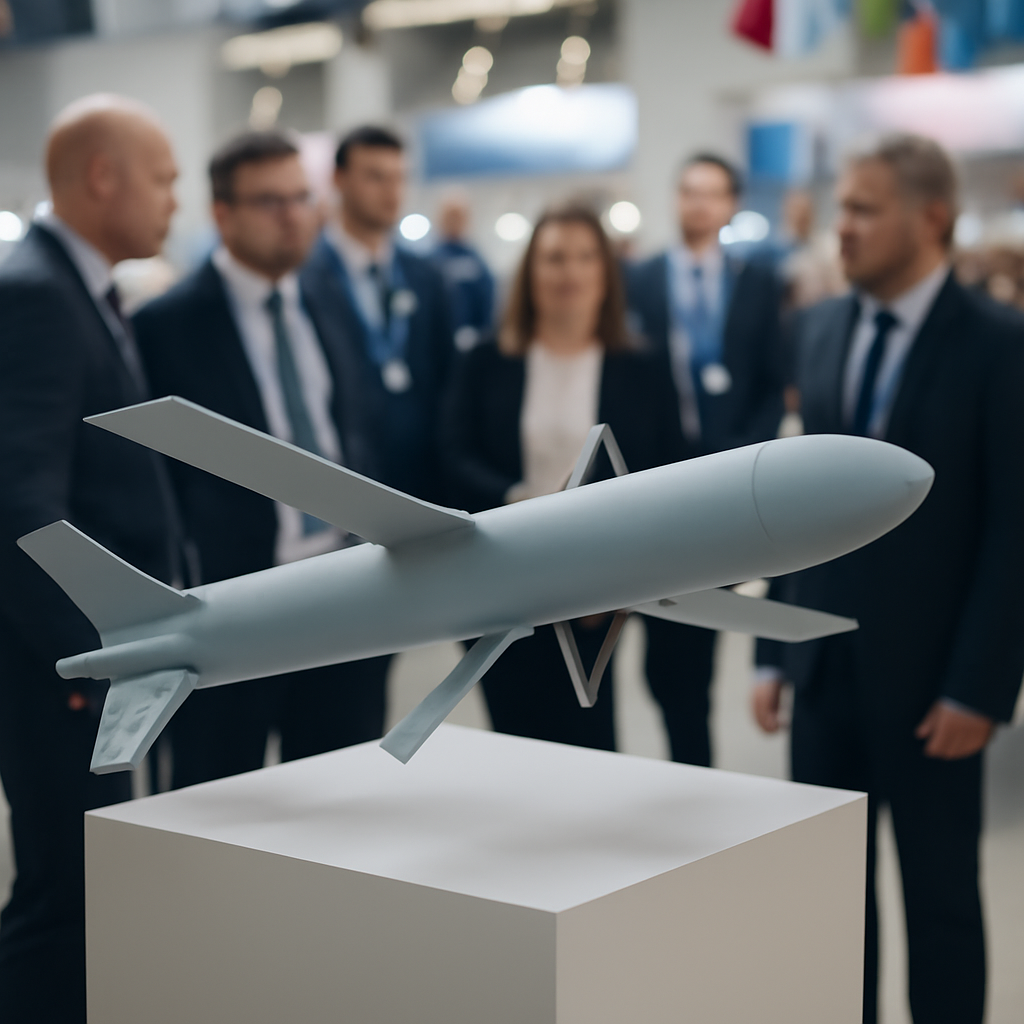
Ukraine-based Fire Point is wooing Pakistan with its cutting-edge loitering munitions tech, specifically the FP-1 Deep Strike with a 2,600 km range and the FP-2 Front Strike with a 200 km range. Can this be the spark that ignites a practical defence-industrial partnership between the two?
US Questionnaire Tests NATO Allies' Support
The US is putting NATO allies to the test with a questionnaire that probes their support for American policies, sparking concerns that it's an unnecessary stress test. Estonia's Foreign Affairs Committee chairman Marko Mihkelson is already speaking out against it, calling it an unwelcome way to handle the situation.

India and Australia forge digital path for South Asia
As South Asia charts its digital course, the choices it makes on vendors, standards, and data governance will have lasting impacts on regional resilience. New Delhi should prioritize digital transformation in its regional policy, partnering with Australia and like-minded nations to shape a secure and thriving digital future.
Russia Asserts Control Over Disputed Kuril Islands Amid Regional Tensions
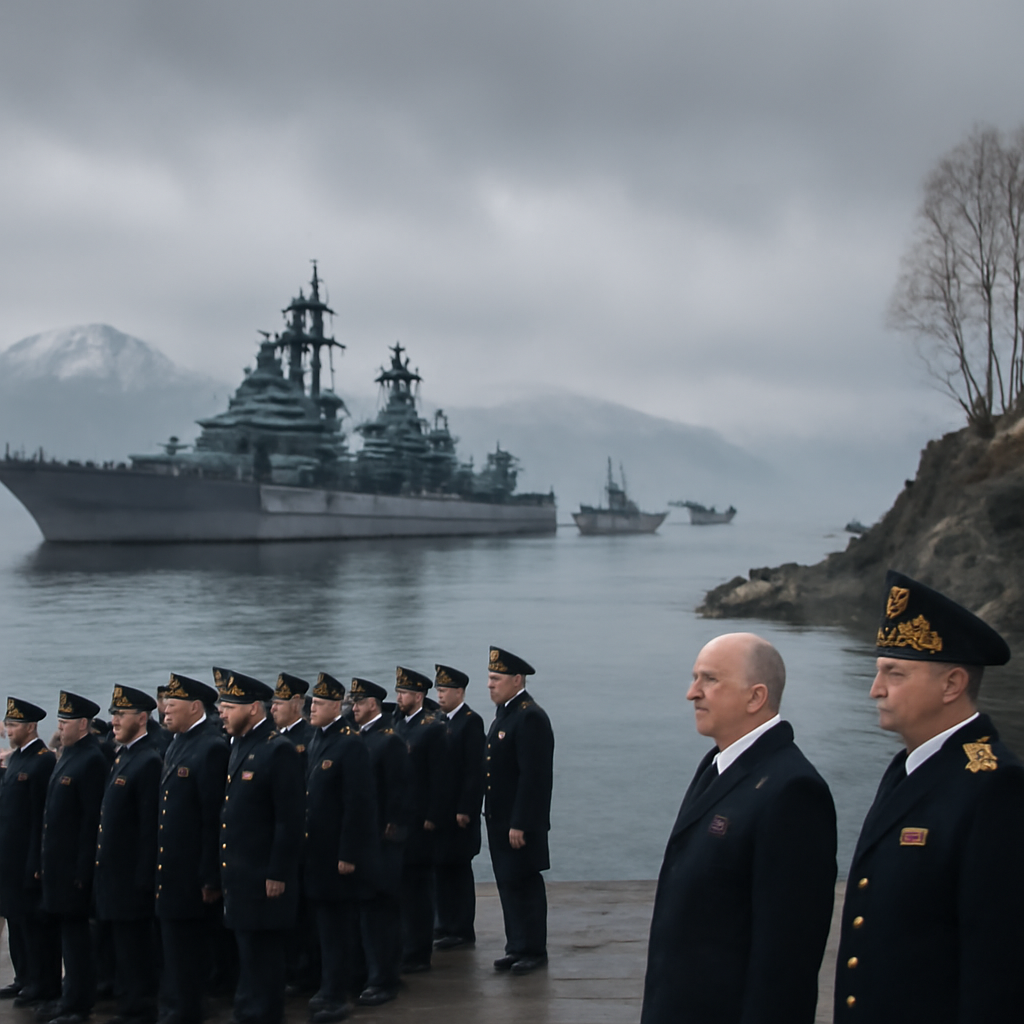
Russia flexes its military muscle in the disputed Kuril Islands, with a massive Pacific Fleet exercise and a high-profile visit from Vladimir Putin, signaling Moscow's determination to assert its control over the strategically vital territory. Putin's trip to Iturup, the first by a senior Russian official since the Ukraine war began, has likely raised the stakes in the long-standing dispute with Japan.