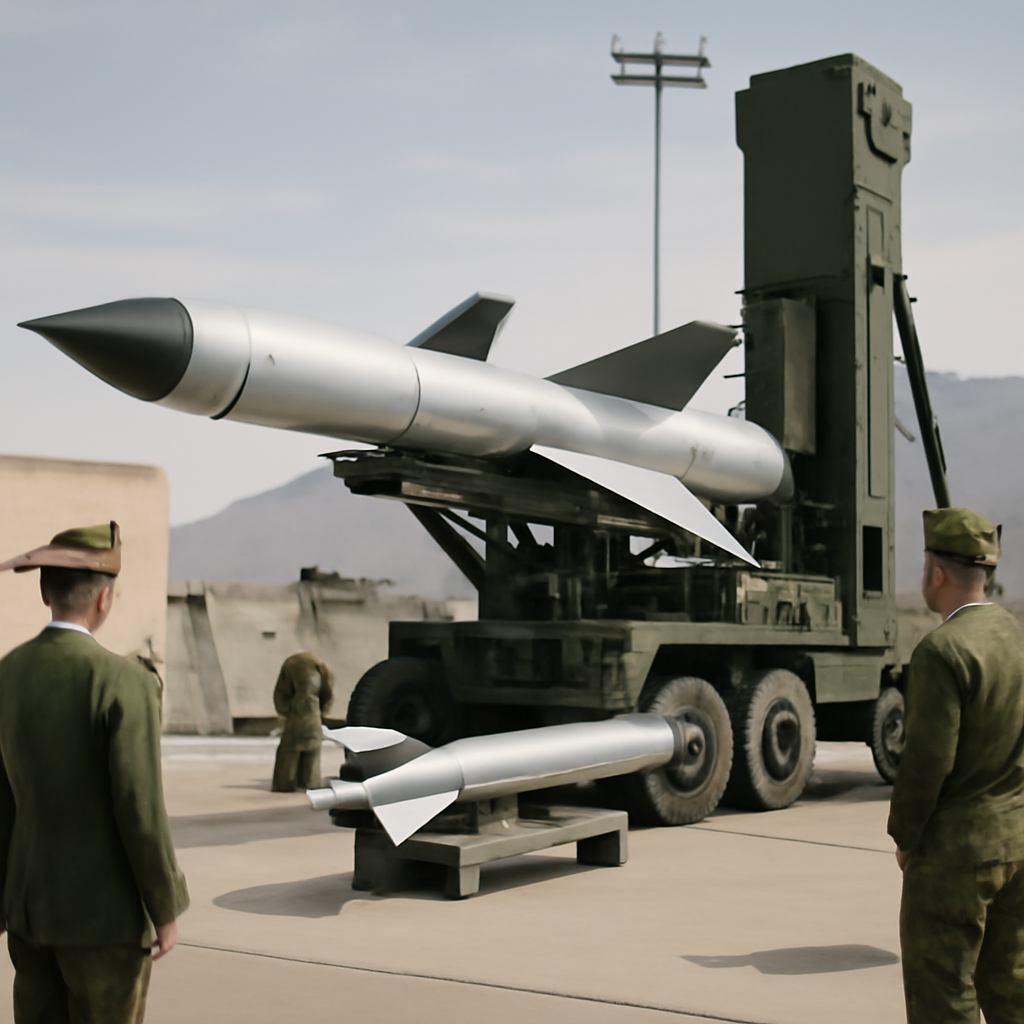
"I shall look forward personally to exterminating you, Mr. Bond."
What appeared and where
The War Zone published a post that included the line above and noted that the post titled "Bunker Talk: Let’s Talk About All The Things We Did And Didn’t Cover This Week" appeared on The War Zone. That single, stark sentence is the only direct excerpt provided in the source material available for this report.
Reading the line — context and limits
With only that sentence and the acknowledgement that it came from a War Zone post, any effort to place it in a wider factual narrative must be cautious. The source material supplies neither surrounding passages nor attribution for who speaks the line, nor the larger topic or intent of the post. As a result, this report cannot and does not assert additional facts about authorship, setting, or purpose beyond what the source explicitly states.

Audit-ready is a season. It shouldn't be.
Evidence in spreadsheets, controls drifting between audits, frameworks multiplying on flat headcount. Nubivance runs continuous compliance on Rapid7 Cyber GRC - SOC 2, HIPAA, ISO 27001, PCI, CMMC.
End the scrambleWhy a single line matters
Even standing alone, a quoted sentence of this kind can prompt important questions. Why did the post include that particular line? Was the quotation used illustratively, critically, historically, or as a rhetorical flourish? Without additional source material, those are open questions rather than established facts. Still, there are clear reasons why editors, readers, and analysts pay attention when charged language—especially violent or threatening wording—appears in published material:
- Tone and framing: Words that evoke personal threat or violence shape a reader’s emotional response and frame subsequent interpretation of surrounding content.
- Attribution and provenance: Who is quoted, and why, affects how the line should be read—quotation of a fictional villain differs in meaning from quotation of a real actor.
- Editorial intent: Inclusion of provocative material can serve critique, satire, context, or sensationalism; determining which requires the larger text.
Perspectives to consider
- Technologists: From a content-moderation and platform-safety standpoint, provocative language raises questions about how excerpts are surfaced, flagged, or contextualized. Systems that present decontextualized lines can amplify misunderstanding.
- Policymakers: Regulators and lawmakers interested in media standards and public safety may see the circulation of violent rhetoric—even in quotation—as a matter for guidance on labeling, context, or platform responsibility, though no such actions can be confirmed here.
- Users and readers: Consumers of news and commentary rely on context to interpret quotes. A single isolated sentence can mislead if readers lack surrounding material to indicate intent or source.
- Adversaries or malign actors: Quotations that invoke threat-language can be repurposed or weaponized by actors seeking to inflame, though there is no evidence in the provided source that such repurposing occurred.
Conclusion — questions that remain
The solitary line—"I shall look forward personally to exterminating you, Mr. Bond."—as presented in a War Zone post stands as a prompt rather than a conclusion. It invites further scrutiny: what was the context? who was being quoted? to what end was the line included? Those questions cannot be answered from the supplied material. They do, however, underscore a broader point: in journalism and analysis, context is not a luxury but a necessity. How will readers and platforms treat charged language when the surrounding narrative is absent?