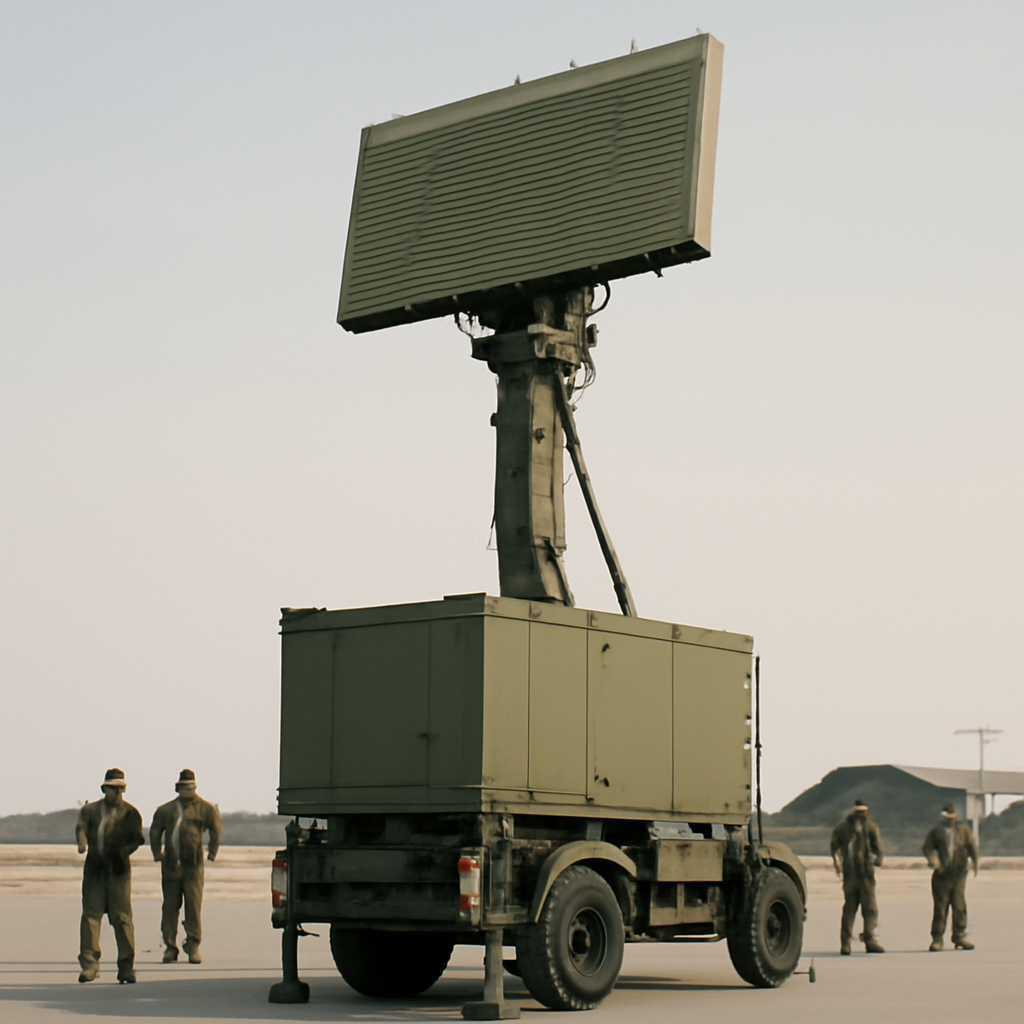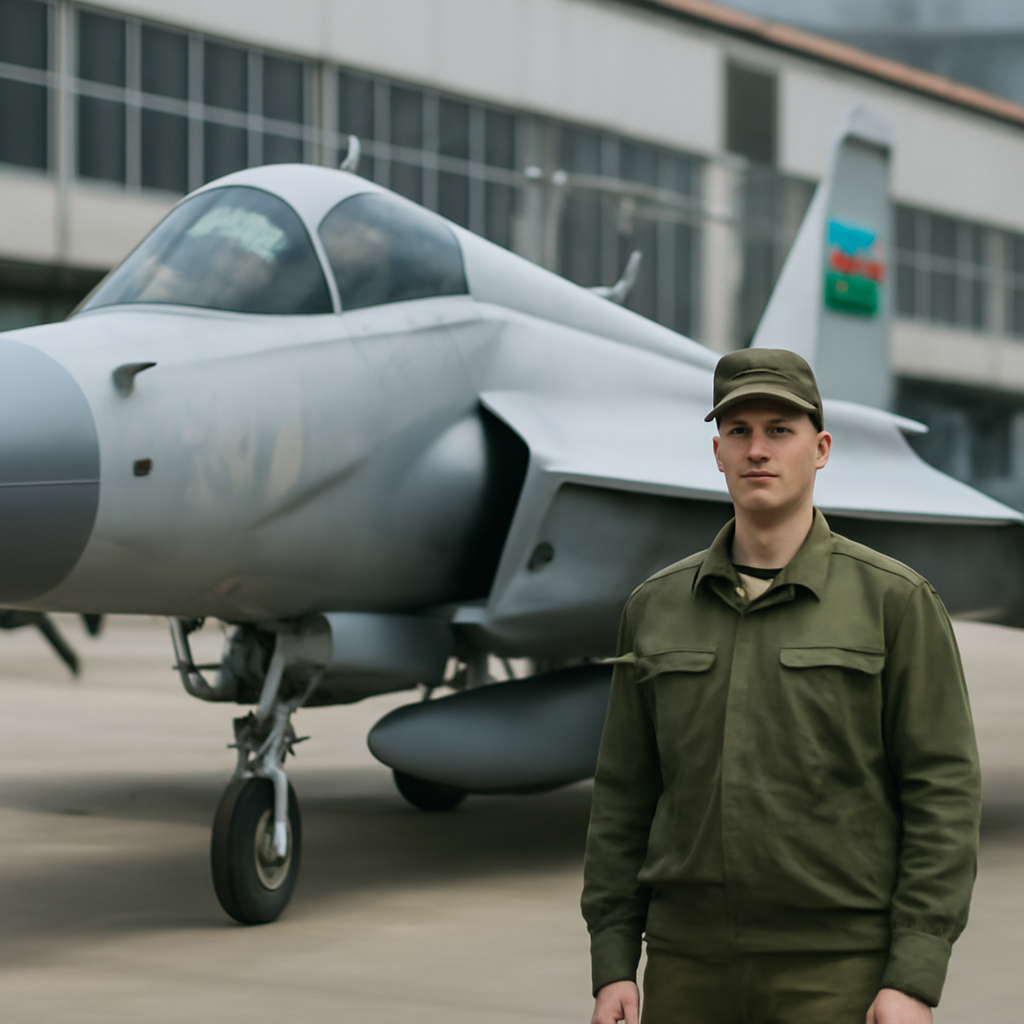
Can the lessons of two distant conflicts force a rethink of how skies are watched? Adm. Pierre Vandier, NATO’s Supreme Allied Commander Transformation (ACT), told Breaking Defense that they already are.
The claim in brief
Adm. Pierre Vandier told Breaking Defense that lessons from the Ukraine war and the Iran conflict are driving an air surveillance reframe. That statement, attributed directly to NATO’s ACT, frames recent operational learning as the catalyst for a deliberate change in how airspace monitoring is being approached.
What the statement implies
By linking an air surveillance “reframe” to lessons from two separate conflicts, the admiral’s comment signals a recognition that recent battlefield experience is informing NATO thinking. The remark places emphasis on adaptation: learning from others’ engagements and translating those lessons into new or revised surveillance postures. Beyond the headline, the statement suggests a process of reassessment inside NATO’s transformation leadership.

Audit-ready is a season. It shouldn't be.
Evidence in spreadsheets, controls drifting between audits, frameworks multiplying on flat headcount. Nubivance runs continuous compliance on Rapid7 Cyber GRC - SOC 2, HIPAA, ISO 27001, PCI, CMMC.
End the scrambleWho this touches and why it matters
- Policymakers: The admiral’s framing implies decisions are being shaped by combat observations, which may prompt debates about resource allocation and priorities within alliance planning.
- Technologists and planners: A declared “reframe” can translate into new requirements or shifting technical emphases for sensors, data fusion, and command-and-control design—areas that would be directly affected if concepts of surveillance change.
- Operational users and commanders: Changes to surveillance doctrine or tools would affect how commanders detect, monitor and respond to aerial threats or activities in their areas of responsibility.
- Adversaries and competitors: Public acknowledgment that lessons from recent conflicts are driving change signals to potential opponents that NATO is observing, analyzing and adapting—an informational element of deterrence or competition.
Questions that follow
The admiral’s remark raises practical and strategic questions: what specific lessons are being translated into policy or procurement choices; what timeline governs the reframe; how changes will be coordinated across alliance members; and how success will be measured. Adm. Vandier’s statement does not, on its own, answer those questions, but it sets the expectation that answers are being sought within NATO’s transformation effort.
Adm. Pierre Vandier’s comment to Breaking Defense is a concise public marker of a larger process: allies are watching recent conflicts, drawing lessons, and signaling intent to change how they watch the skies. How quickly that intent becomes new practice—and whether it proves sufficient—remains an open and consequential question.
Read the original Breaking Defense story: https://breakingdefense.com/2026/04/nato-revamps-air-surveillance-approach-for-the-cost-war-of-low-flying-drones-missiles/