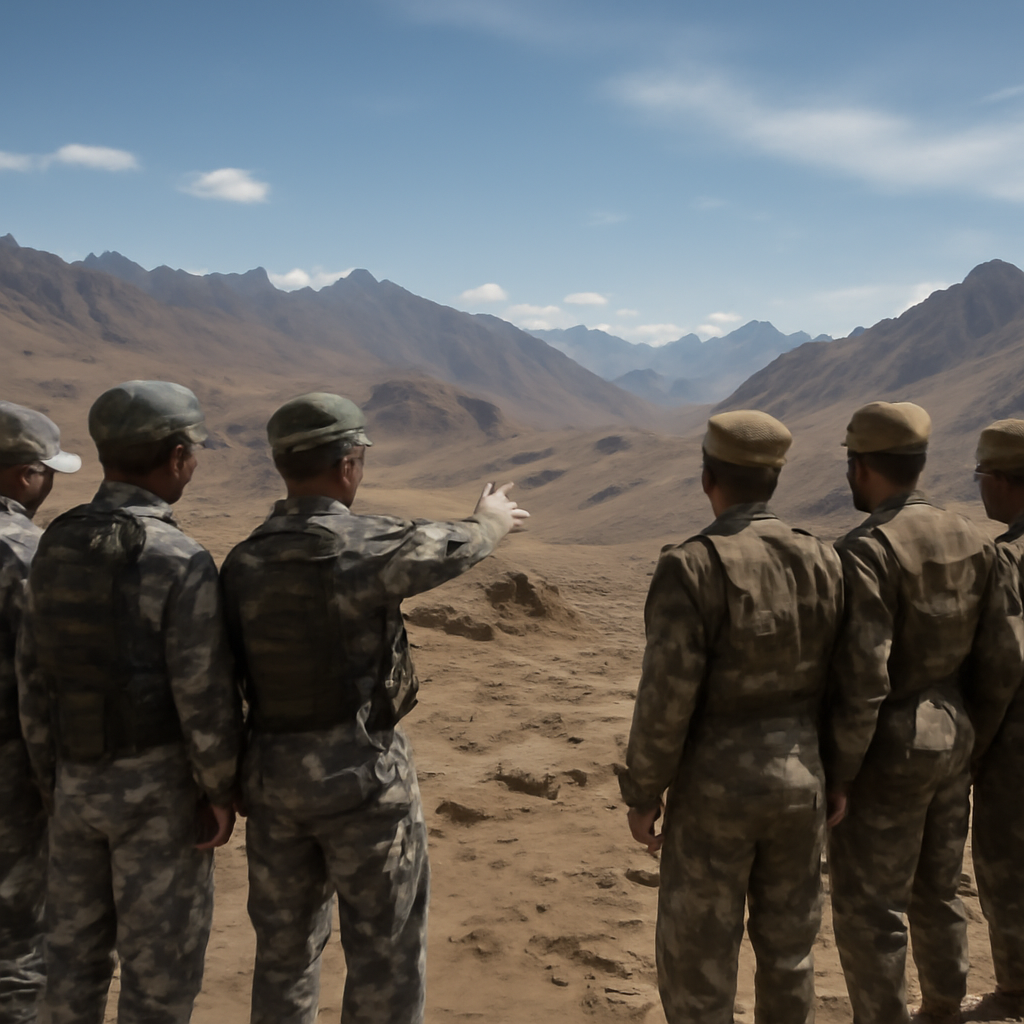
How do you reconcile a strategy that points north with forces that keep planting themselves in the south and east? That is the practical dilemma now facing the Australian Defence Force: the reserve component is shifting toward the country’s south and east even as formal strategy emphasises northern priorities.
Background: strategy and posture in tension
The Defence strategy explicitly prioritises the north. At the same time, the composition and location of the ADF matter for how that strategy can be executed. The reserves are one of the ADF’s key manpower pools, intended to provide regional presence, surge capacity and specialised skills where and when required.
Current situation: where people actually are
According to recent reporting, the ADF reserves are increasingly weighted in the country’s south and east. Observers note that this geographic concentration mirrors the distribution pattern already evident among active ADF personnel. In short: both reserve and full-time forces are congregating in the same parts of the country while the stated strategic emphasis is toward the north.

Audit-ready is a season. It shouldn't be.
Evidence in spreadsheets, controls drifting between audits, frameworks multiplying on flat headcount. Nubivance runs continuous compliance on Rapid7 Cyber GRC - SOC 2, HIPAA, ISO 27001, PCI, CMMC.
End the scrambleWhy this mismatch matters
- Operational alignment: If strategy prioritises the north but personnel are concentrated in the south and east, there is a clear risk of a misalignment between where forces are based and where they will be needed to implement policy.
- Response time and logistics: Geographic concentration can affect the speed at which reserves can be mobilised and deployed to northern areas, and can impose additional logistical burdens.
- Force resilience and regional presence: A durable regional presence requires locally based units. A south‑and‑east weighting can reduce persistent visibility and local knowledge in the north.
- Policy and planning signals: The distribution of personnel is itself a signal about priorities. A divergence between stated strategy and force posture may weaken credibility or complicate planning for policymakers and partners.
Perspectives to consider
Policymakers must reconcile intent and reality: if northern priorities are to be realised, basing and recruitment policies may need adjustment. From an operational perspective, commanders will be concerned about the practical implications for surge, sustainment and regional engagement. Technologists and logistics planners will note the different requirements for supporting dispersed forward basing versus concentrated metropolitan basing. Potential adversaries or competitors will observe not only strategic statements but the physical distribution of forces when assessing capability and intent.
The tension between declared strategy and where personnel actually live and train is not merely administrative. It shapes deterrence, readiness and the ability to respond where the strategy says response should occur.
Will policy follow posture, or will posture be reshaped to match policy? That question now stands at the heart of aligning Australia's defence ambitions with the forces tasked to deliver them.