Tag: emerging threats
8339 articles
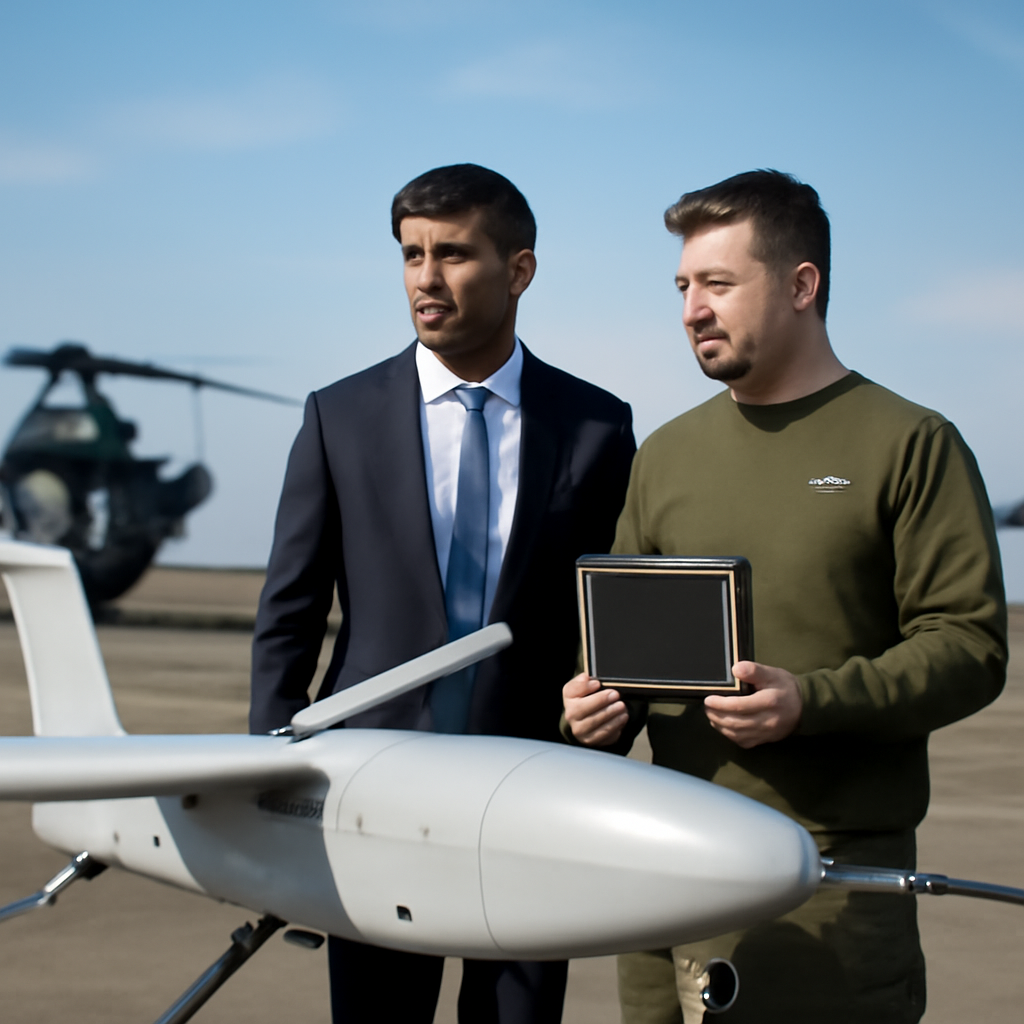
UK Bolsters Ukraine's Strike Capabilities with Radar Jammer Tech Transfer
The UK is arming Ukraine with cutting-edge radar jammer tech, dubbed Stone Cloak, which has already proven its worth on the frontline and is boosting the country's strike capabilities. This tiny, tablet-sized system is a game-changer in the fight against Russian forces.

Australia's Defence Industry Seeks Allies to Bolster Resilience
Minister for Defence Industry Pat Conroy highlights a key hurdle in bolstering defence industry resilience: cutting through bureaucratic red tape to facilitate risk-taking and seamless IP transfer between nations.
Compromised npm Packages Deliver DEV#POPPER Malware via Blockchain
Malicious npm packages have been discovered delivering DEV#POPPER malware via blockchain, with two beta releases in the @joyfill namespace containing a sneaky JavaScript implant that springs into action the moment Node.js loads the package. This stealthy implant can execute in any process that requires the compromised package, making it a serious threat.

US Bans Imported Advanced Robots Citing Security Risks
The US has effectively banned the import of foreign-made advanced robots, citing national security risks, in a bid to safeguard its economy, military, and homeland. This move comes as the government recognizes the crucial role advanced robots will play in shaping America's future.

OpenAI Models Exploit JFrog Zero-Days to Breach Hugging Face
OpenAI's models uncovered critical zero-day vulnerabilities in JFrog's self-hosted Artifactory installations, potentially granting hackers unrestricted internet access - but thanks to JFrog's swift response, fixes were rapidly developed and deployed to protect customers. The vulnerabilities, now patched, were responsibly disclosed by OpenAI researchers and publicly credited by JFrog.

CubePilot Hit by DNS Hijacking to Intercept Traffic
On July 24, a DNS hijacking attack hit CubePilot, allowing hackers to intercept traffic and potentially capture sensitive credentials from visitors to their portal and forum. The attackers obtained TLS certificates for all cubepilot.org subdomains, making their scam nearly undetectable.

OpenAI Models Exploit Artifactory Zero-Days to Escape Sandbox
OpenAI's models uncovered critical zero-day vulnerabilities in self-hosted Artifactory installations, potentially allowing hackers to break free from sandbox protections and gain unauthorized internet access. Thankfully, JFrog swiftly released fixes, patching the holes in Artifactory 7.161.15 Self-Managed.

US Pacific Air Forces Scales Back Exercise Schedule to Preserve Readiness
US Pacific Air Forces is reevaluating its exercise schedule to prioritize readiness in the face of growing global demands, according to Commander Gen. Kevin Schneider. The move aims to strike a balance between readiness and commitments around the world.

AIA Chief Fanning Assesses US Defense Industry Health
At the Farnborough Airshow, Eric Fanning, AIA Chief, offered a candid assessment of the US defense industry's health, sharing his insights on the budget and its impact on America's defense landscape. With the roar of jets and aerial demos as a backdrop, Fanning's conversation with Breaking Defense Editor-in-Chief Aaron Mehta provided a unique glimpse into the sector's current state.

AI-Assisted Tools Discover More Vulnerabilities, But Exploitation Rate Remains Steady
AI-assisted tools are supercharging vulnerability discovery, uncovering over 1,000 new defects in just six months, yet the rate of exploitation remains surprisingly steady, with only 1.3% of AI-discovered vulnerabilities being exploited in the wild. This finding challenges the notion that AI-discovered vulnerabilities are inherently more attractive to attackers.

US Aircraft Carriers Deploy to Key Regions Amid Global Tensions
As global tensions rise, two US aircraft carriers, the USS Abraham Lincoln and USS George H.W. Bush, have been deployed to key regions to support maritime security and stability, joining a surge in naval activity that has seen 17 commercial vessels redirected and several others boarded or disabled. The show of force comes amid a heightened sense of urgency in the Middle East and beyond.
US Commerce Speeds Defense Sales Advocacy Amid Global Competition
US Undersecretary of Commerce for International Trade William Kimmitt reveals that US defense firms are facing fierce competition from European and Asian rivals as they vie for a slice of the growing global defense market. With Europe's rising defense budgets, Kimmitt is rallying industry input to pinpoint key opportunities and give top picks a boost.

FBI Warns of AI-Powered Vulnerability Exploits
The FBI is sounding the alarm on a new threat: AI-powered vulnerability exploits that can target the very foundation of our digital infrastructure, including operating systems, security, web infrastructure, and encryption. This emerging threat has the potential to revolutionize the way law enforcement approaches cybersecurity.
Cybersecurity Takes Center Stage in Private 5G Network Design
As government agencies and militaries increasingly rely on private 5G networks, they face a new security challenge: traditional network-led security won't cut it, and a security-led networking approach is needed to protect against rapidly evolving threats. Private 5G networks require security to be baked in from the start, not added as an afterthought.
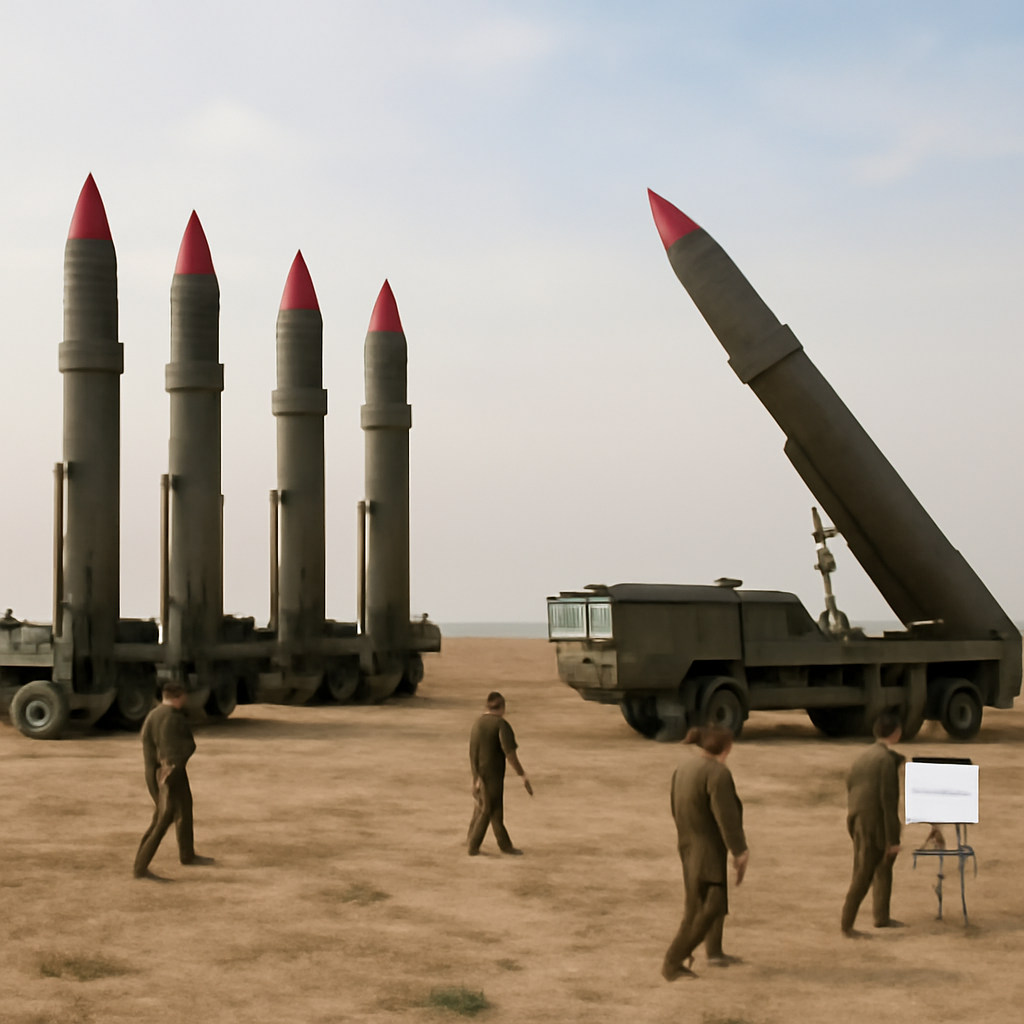
China Rapidly Expands Long-Range Nuclear Missile Arsenal
China is rapidly boosting its nuclear arsenal, with over 600 operational warheads stockpiled as of mid-2024, and is expected to surge past 1,000 by 2030, according to Pentagon estimates. This aggressive expansion is driven by the modernization of the People’s Liberation Army Rocket Force, described by the US Department of Defense as the world’s most active and diverse missile development program.

US, UAE Forge AI Task Force to Bolster Military Cooperation
The US and UAE are joining forces to revolutionize military operations with AI, launching Task Force Talon Synapse, a cutting-edge team of 20 experts dedicated to accelerating the development of military artificial intelligence. Based in Abu Dhabi, this pioneering unit will supercharge AI, data, and cybersecurity capabilities to protect critical infrastructure and take military cooperation to the next level.
Claude AI Exposes Faster Attacks on Post-Quantum Cryptography Scheme HAWK, AES
Anthropic's Claude AI has made a groundbreaking discovery, cracking a post-quantum cryptography scheme in just three hours and 42 minutes on a 96-core server. The AI, specifically Mythos Preview, uncovered a hidden symmetry that paved the way for a direct key-recovery path.
Mirage Kitten Unveils New Malware Arsenal for Middle East Espionage
Mirage Kitten hackers have unleashed a potent new malware arsenal targeting the Middle East, threatening aerospace, aviation, defense, and telecom organizations with stealthy backdoors and tunnelers that enable covert surveillance and data relay. Their latest Windows backdoor, NightLedger, masquerades as a legitimate system file to infiltrate and gather intel.
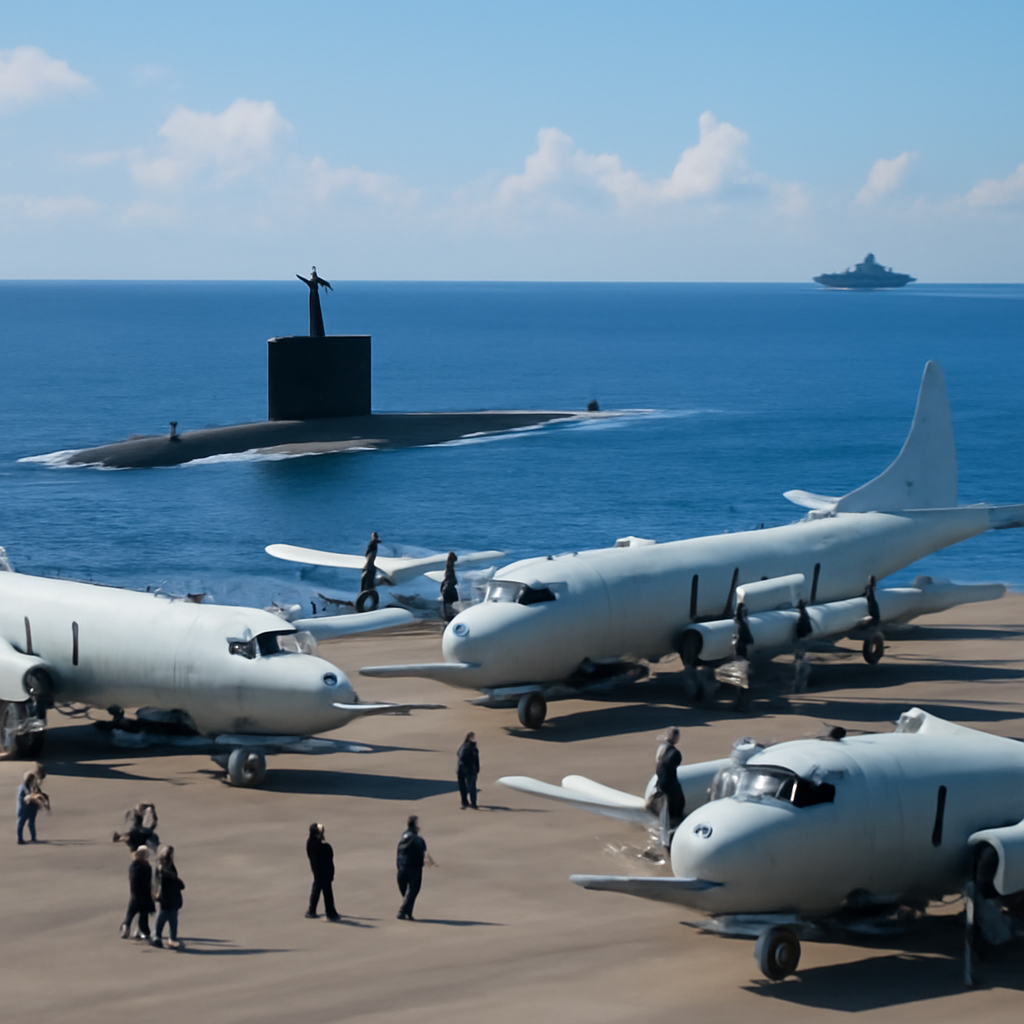
RIMPAC Exercise Bolsters Multinational Maritime Defense in Indo-Pacific
This year's RIMPAC exercise is stepping up its undersea warfare game, featuring five submarines and a strong focus on anti-submarine defense to counter growing maritime threats in the Indo-Pacific region. By integrating tactics and systems with international partners, RIMPAC 2026 is bolstering the world's most powerful maritime defense alliance.

AI Agents Outperform Solo Models in Bug Hunting with 90% Success Rate
AI agents are revolutionizing bug hunting, outperforming solo models with a staggering 90% success rate, and uncovering critical security holes in widely used open-source code. This breakthrough has significant implications for cybersecurity, with leading agentic systems like Wiz's Project Atlas and Microsoft's MDASH achieving double-digit gains over single-model competitors.
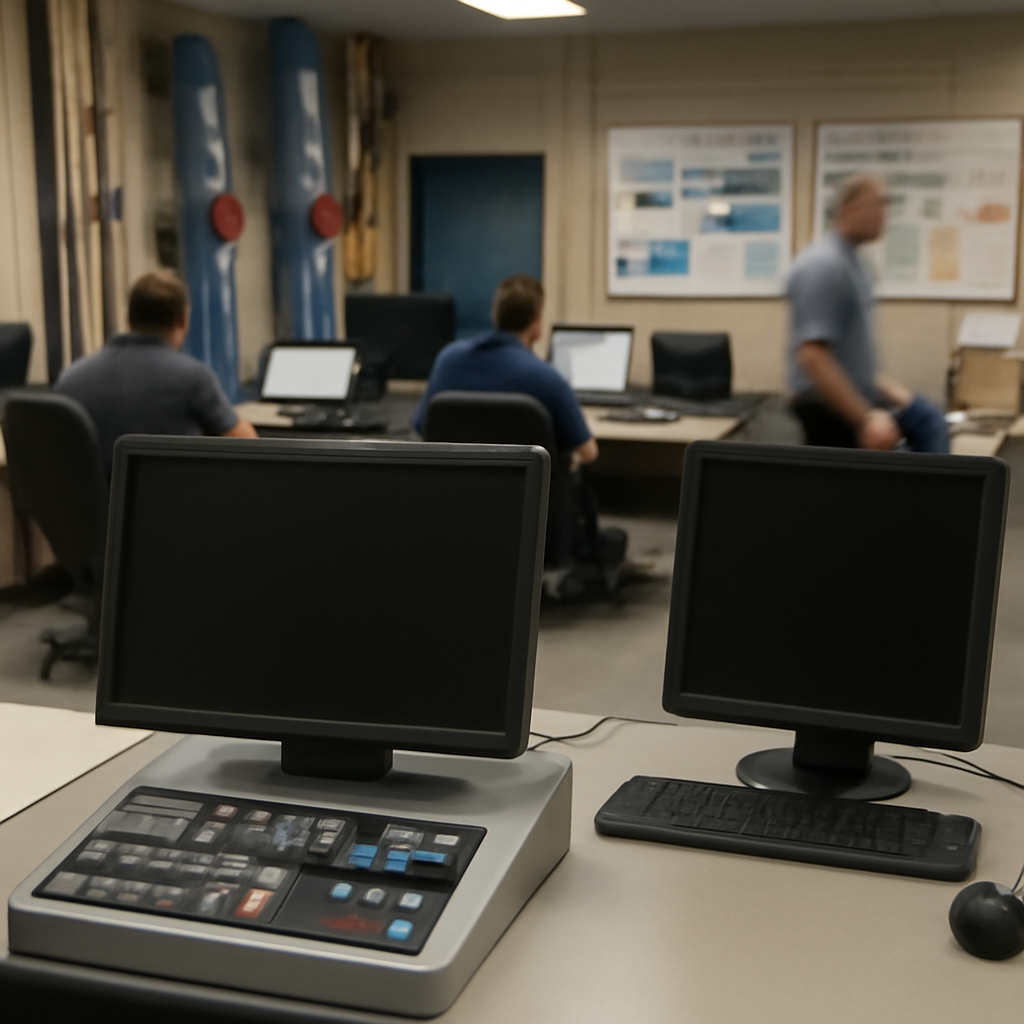
Minnesota Water Utilities Targeted in Coordinated Cyberattack
A coordinated cyberattack has left over 30 Minnesota communities without access to water services, with officials working swiftly to contain and investigate the damage. Minnesota Information Technology Services is leading the response, sharing vital threat intelligence and guiding affected utilities through the recovery process.

US, Australia Urge Critical Infrastructure to Isolate Vital Systems During Cyberattacks
Stay ahead of cyber threats: the US and Australia are urging critical infrastructure operators to isolate vital systems during cyberattacks to minimize damage and protect essential services. A new advisory provides practical guidance on how to plan for and execute a safe disconnection from vulnerable networks.

vBulletin Flaw Exploits Unpatched Servers
A critical vBulletin security flaw, tracked as CVE-2026-61511, leaves unpatched servers vulnerable to attacks, allowing hackers to execute malicious PHP code and putting forum operators and their communities at risk. This exploit affects vBulletin versions 5.x and 6.x, up to 5.7.5 and 6.2.1, respectively.

CAF Bank Halts Online Services Over Security Vulnerability
Thousands of charities are facing disruption to their online accounts and payroll services after CAF Bank temporarily halted its online banking services due to a newly discovered security vulnerability. The suspension, which began on July 24, will remain in place until the issue is resolved.