Tag: critical infrastructure
636 articles

Zero Trust Stalls at Data Movement Bottleneck
The moment data crosses a boundary, it's often assumed to be trustworthy - but that's exactly where attackers strike, exploiting this blind spot with alarming success. A recent Cyber360 survey reveals that 53% of security leaders still rely on manual processes to move sensitive data, leaving a gaping Zero Trust gap that's ripe for exploitation.

Australia's Urea Reliance Exposes Food, Transport Systems to Gulf Risks
Australia's heavy reliance on urea imports, particularly from the Middle East, puts its food and transport systems at risk of disruption, making it vulnerable to shocks in the Gulf region. A urea shortage can have far-reaching consequences, from reduced crop yields to higher food prices, highlighting the urgent need for a more stable supply chain.
AI Shifts to Real-Time Cyber Defense Against Machine-Speed Threats
The threat landscape has drastically changed: with AI, the window to exploit software flaws has shrunk from hours or days to mere minutes, forcing security leaders to revolutionize their cyber defense strategies. Traditional security processes simply can't keep up with machine-speed threats, making AI-powered real-time defense a critical game-changer.

Malware Targets Israeli Water Systems with Precision Attacks
A newly discovered malware strain called ZionSiphon is threatening Israeli water systems with precision attacks, leaving experts concerned about the vulnerability of critical infrastructure. This sophisticated code can infiltrate and manipulate the machines that control pumps and filters, putting a city's taps at risk.

Global Mineral Supply Chain Coordination Failure Spurs Investment Delays
We know what we need to do about critical minerals, but we're stuck - and the cost of our collective inaction is already clear in delayed investments and ongoing dependence. The real challenge isn't a lack of knowledge, but a failure to coordinate and act together.

Iran-Backed Hackers Intensify US Infrastructure Cyberattacks
Pro-Iran hackers are stepping up their game, targeting US infrastructure with increasing frequency, as seen in the recent breach of the Los Angeles Metro. The federal government is sounding the alarm, warning that critical systems remain vulnerable to these escalating cyberattacks.

Iran's Military Research Unveils Decade-Long Drone Development Push
Years ago, open-source data revealed Iran's secret plan to develop strike drones, which are now wreaking havoc across the Gulf and threatening shipping lanes. The signs were there - and now, ASPI's Critical Tech Tracker is shining a light on the decade-long research push that led to this crisis.

NIST Refocuses CVE Analysis Amid Vulnerability Surge
The National Institute of Standards and Technology (NIST) has adjusted its approach to vulnerability analysis, now prioritizing critical software, government systems, and actively exploited vulnerabilities amid a surge in reported threats. This strategic refocus aims to optimize its National Vulnerability Database's impact in a threat landscape that's outpacing its capacity.

Transportation Sector Grapples with Rising Cyber Risks from Connected Vehicles
As modern trucks transform into data centers on wheels, loaded with sensors and connectivity, they also become vulnerable to cyber threats - turning transportation into a pressing cybersecurity issue. With their expanding attack surfaces, the transportation sector is racing against time to tackle the fast-evolving risks of connected vehicles.

Venice Flood Defenses Breached by Hackers
Imagine a city's defenses against its greatest threat - water - being breached not by a natural disaster, but by an unknown cyber attacker. In a chilling turn of events, hackers have infiltrated Venice's hydraulic pump system, claiming they can wield the power to create floods at will.

Vulnerabilities Surge as Velocity Gap Widens in AI-Driven Development
The alarming truth: while alert volume grew by 52% year-over-year, prioritized critical risks exploded by nearly 400% in just 90 days, leaving defenders scrambling to keep up with a tsunami of high-impact problems. A new dataset from OX Security reveals this velocity gap in AI-driven development, where the noise is rising - but it's the critical risks that should give defenders pause.

Fraud Enters New Era, Demanding Proactive Hunt
As traditional fraud markers become obsolete, it's clear that a new approach is needed - one that treats digital identity as critical infrastructure and leverages a layered, real-time defense strategy to stay one step ahead of sophisticated crime rings. We must move beyond outdated tactics and adopt a proactive, systemic approach to fraud defense.

OT Cybersecurity Sector Fears AI Exclusion
As artificial intelligence revolutionizes software security, the operational technology cybersecurity sector is sounding the alarm: will experts who safeguard factories, grids, and industrial sites be left behind? Pure-play OT security firms are pushing for a seat at the table, fearing they may be sidelined by the latest AI-driven initiatives.

CISA Warns of Iranian Cyber Actors Targeting US Infrastructure
The Cybersecurity and Infrastructure Security Agency (CISA) has sounded the alarm: Iranian-linked cyber actors are targeting US critical infrastructure, posing a threat to public safety, services, and commerce. American organizations must take immediate action to assess their risk and bolster defenses.

Anthropic Deploys AI to Autonomously Fix Software Vulnerabilities
Imagine an AI that can proactively hunt down and fix hidden software vulnerabilities in critical systems before hackers can exploit them - Anthropic's new Project Glasswing is making this a reality with its cutting-edge AI model, Claude Mythos Preview. This groundbreaking initiative has the potential to revolutionize cybersecurity, but also raises intriguing questions about its capabilities and implications.

Iran-Linked Hackers Target Internet-Exposed PLCs in US Infrastructure
Iran-affiliated hackers are launching targeted cyber attacks on internet-exposed devices controlling US critical infrastructure, including power plants, water systems, and manufacturing lines. This urgent threat requires immediate attention to protect vulnerable systems from devastating intrusions that can diminish functionality and manipulate operations.

Feds Warn of Iranian Cyberattacks on US Energy, Water Systems
US government agencies have issued an urgent warning that Iranian hackers are launching targeted cyberattacks on America's energy and water infrastructure, posing a serious threat to the communities that rely on them. These attacks have already caused harm to victims in the past month, highlighting the need for immediate vigilance.

FBI Warns of Iranian Cyberattacks on US Water and Energy Facilities
The FBI is sounding the alarm: Iranian-affiliated hackers are increasingly targeting US water and energy facilities, with some attacks already disrupting operations. Is your facility's infrastructure secure from these growing threats?

Fuel Shortages Expose Economic Triage Priorities
When fuel supplies dwindle, governments face a tough decision: do they prioritize comfort or economic stability? Rationing fuel based on economic capability can help prevent wider system failures, but prioritizing comfort can undermine resilience.

US Navy's Minesweeper Exit Precedes Iran's Strait of Hormuz Mining
The US Navy's sudden exit from the Persian Gulf, marked by the retirement of its last four minesweepers in September 2025, created a power vacuum that Iran quickly exploited by mining the Strait of Hormuz just five months later. This bold move sent shockwaves through global energy shipments, causing commercial tanker traffic to plummet and prompting a frantic rethink of naval strategies worldwide.

Fortinet Rushes Patch for Exploited EMS Flaw
When the very tool designed to safeguard your network becomes a vulnerability, swift action is crucial - and that's exactly what Fortinet took by issuing an emergency security update over a weekend to patch a critical flaw in FortiClient Enterprise Management Server (EMS) that's being actively exploited by attackers. This out-of-the-usual-cycle patch underscores the urgency to protect your organization from prolonged exposure to potential threats.

US Tightens Router Security with Ban on Foreign-Made Devices
The US has taken a major step to safeguard its digital landscape by banning foreign-made routers, citing concerns that they pose a severe cybersecurity risk and supply chain vulnerability that could disrupt the economy and national defense. As a result, all new routers manufactured outside the US will require Federal Communications Commission approval before being sold in the country.

Cyberattacks Pose Critical Threat to Retail Supply Chain
In today's interconnected retail landscape, a looming threat jeopardizes the smooth flow of goods: cyberattacks on the supply chain. A single weak link can bring down the entire ecosystem, leaving retailers and consumers vulnerable to disruption.
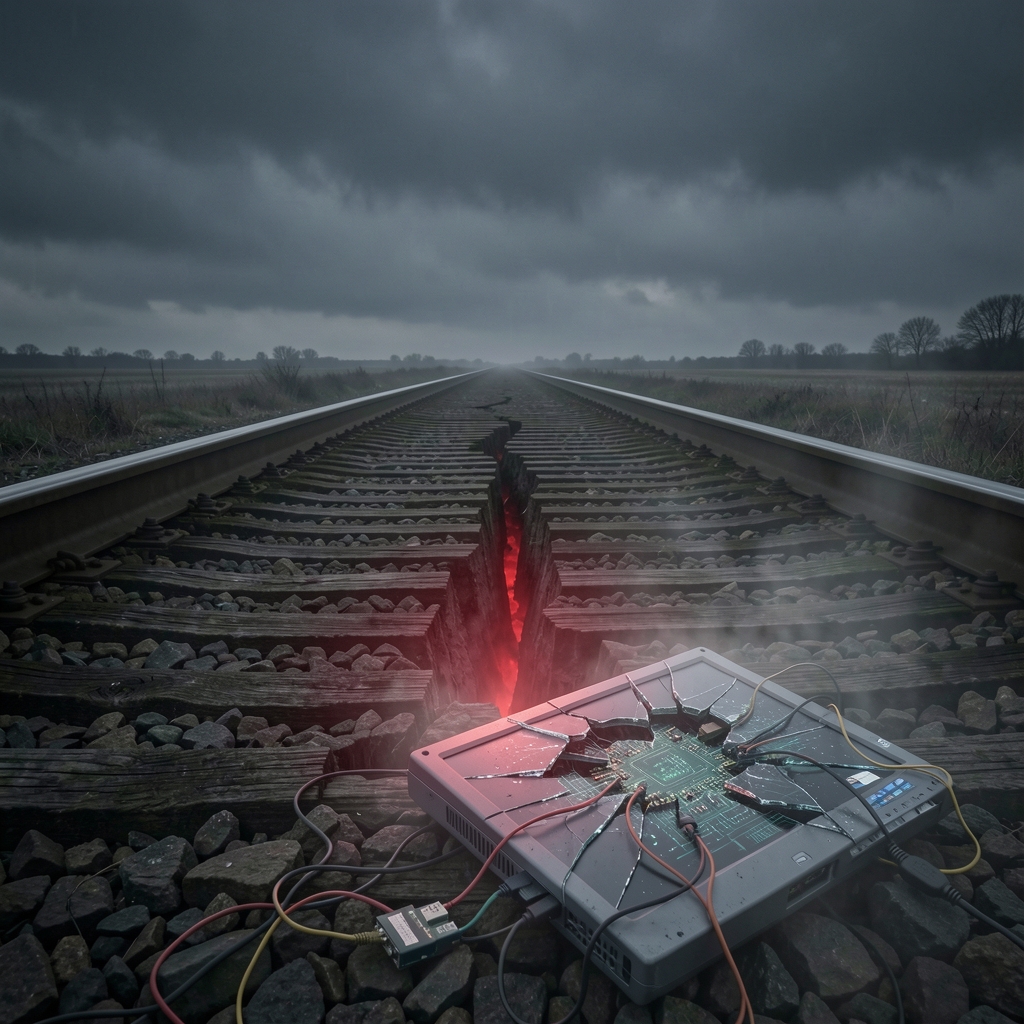
Critical Railroad Cybersecurity Threats Demand Urgent Attention
With millions of people and billions of dollars' worth of goods relying on America's rail network daily, the risk of cyberattacks poses a critical threat that demands immediate attention and robust security measures. The nation's economic stability is at stake, making it essential to safeguard this vital infrastructure from disruption.