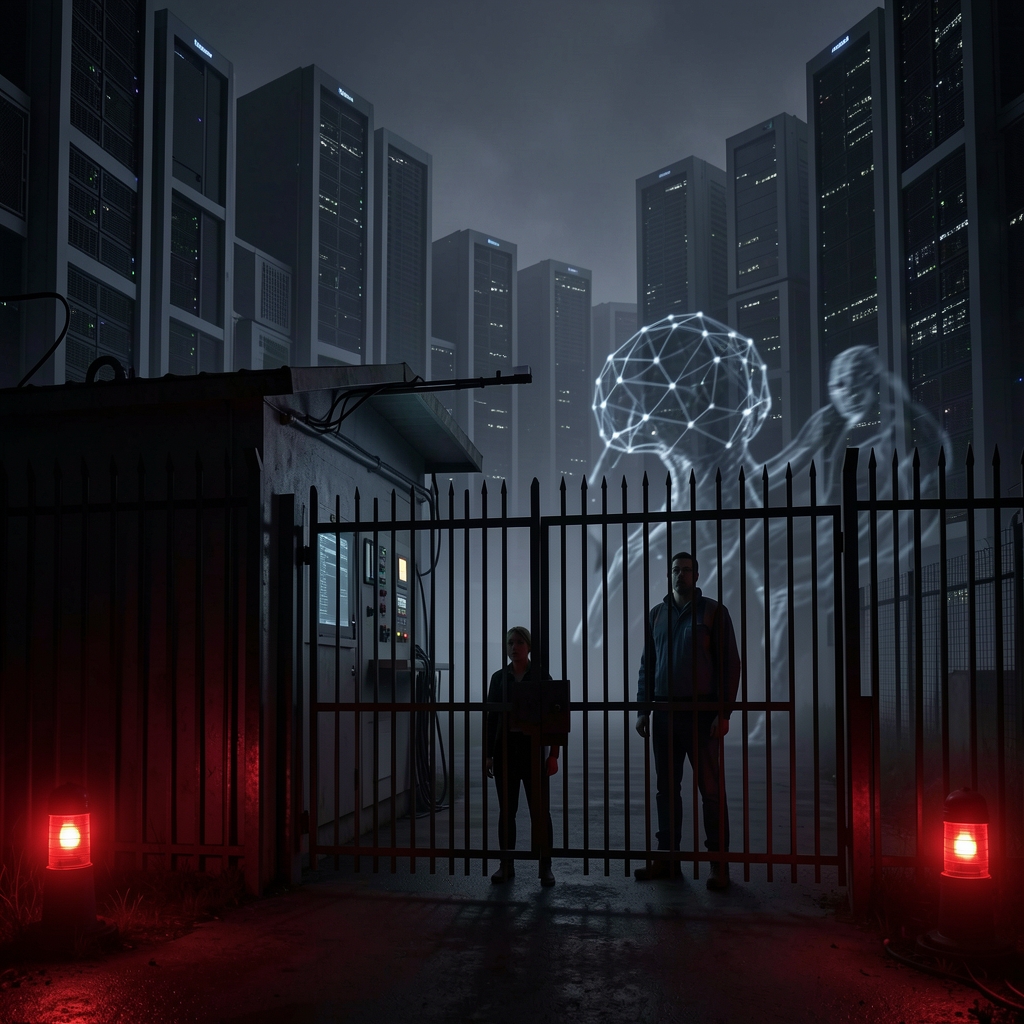
Will the specialists who protect the physical systems that keep factories, grids and industrial sites running be shut out as artificial intelligence reshapes software security? A growing chorus inside the operational technology cybersecurity community says that is exactly the risk they face.
Background: pure-play OT security firms want a seat at the table
Pure-play operational technology (OT) security firms are pressing for inclusion as the next wave of artificial intelligence tools is applied to securing critical software. The sector’s concern, as reported, centers on a fear that the makers and operators of industrial systems—and the security vendors that serve them—may be sidelined by the latest AI-driven initiatives.
The current situation: who might be left out
There is growing concern in the OT cybersecurity community that manufacturers and operators, and their security vendors, will be left out in the cold by the latest efforts to use artificial intelligence in securing critical software. That worry underpins calls from pure-play OT security companies for a more prominent role in conversations that will shape how AI is applied to critical systems.

Audit-ready is a season. It shouldn't be.
Evidence in spreadsheets, controls drifting between audits, frameworks multiplying on flat headcount. Nubivance runs continuous compliance on Rapid7 Cyber GRC - SOC 2, HIPAA, ISO 27001, PCI, CMMC.
End the scrambleWhy it matters: implications and unanswered questions
At stake is whether domain-specific knowledge about industrial control systems, legacy equipment and operational constraints is incorporated into AI-driven security approaches. The OT community’s demand for participation suggests a fear that broad AI initiatives could proceed without sufficient input from those who manage and defend physical infrastructure.
Those concerns raise several questions: will AI-driven security efforts reflect OT realities; will manufacturers and operators retain influence over security choices; and will specialized vendors find opportunities—or obstacles—when commercial AI models are introduced into environments that depend on tightly controlled, safety-critical systems?
What to watch next
The sector’s unease signals a moment of negotiation between AI proponents and OT specialists. Whether pure-play OT security firms secure a meaningful role in crafting AI-enabled defenses will shape how closely those defenses map to operational needs. The outcome will also influence who ultimately sets priorities for protecting critical software: the builders and operators of physical systems, or the providers of generalized AI security tools.
Who gets a seat at this table may determine not just the technology that is adopted, but the resilience of the systems that depend on it.
https://www.govinfosecurity.com/ot-cybersec-sector-frets-anthropic-will-leave-behind-a-31374