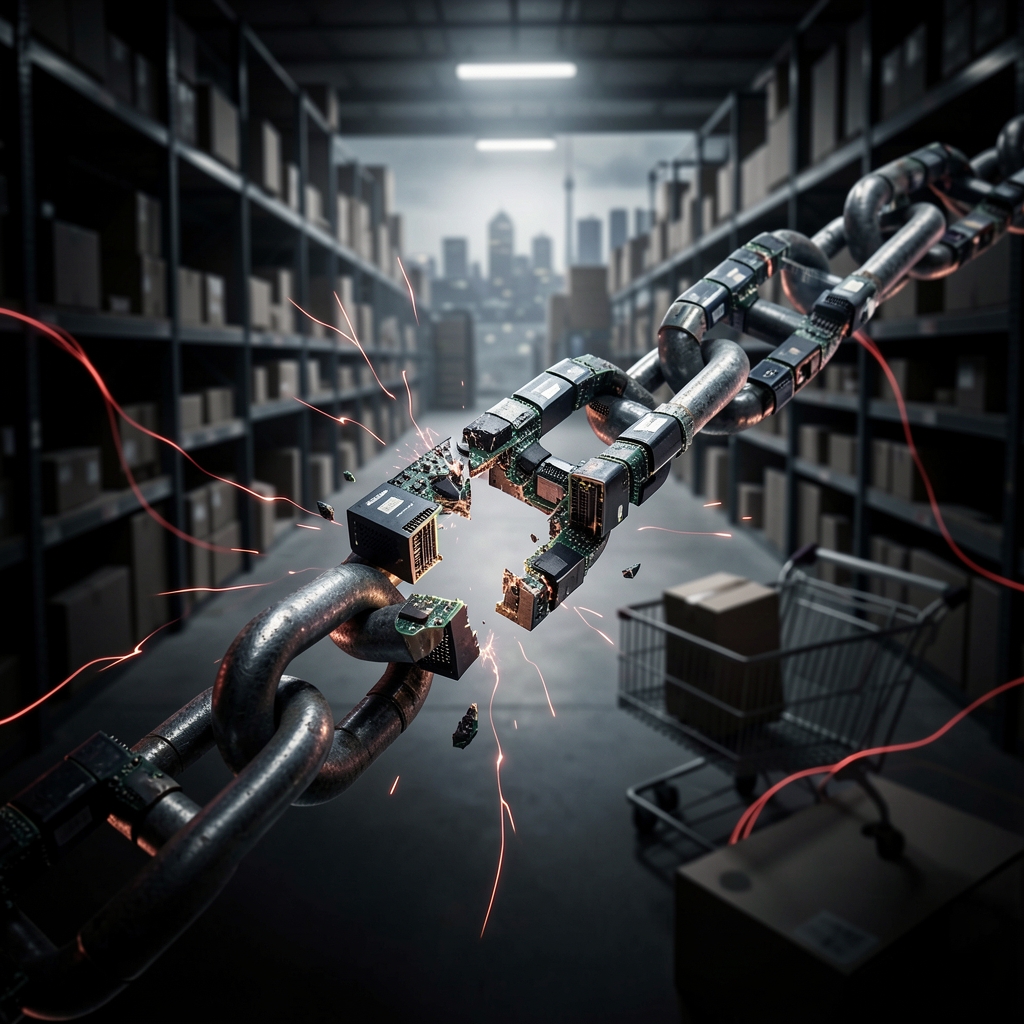
In an era where the global supply chain has become increasingly interconnected, a growing concern has emerged: the vulnerability of this complex network to cyberattacks. As consumers, we've grown accustomed to the seamless flow of goods from manufacturers to store shelves, but behind the scenes, a silent threat lurks, waiting to disrupt the delicate balance of the retail ecosystem.
"The supply chain is a complex beast, and it's only as strong as its weakest link," warns Rick McGuire, Vice President and Technical Lead for IBM's X-Force Threat Intelligence. This sentiment is echoed by experts across the industry, who point to a stark reality: the entire retail supply chain, from manufacturers to logistics providers to retailers, is under siege by threat actors.
To understand the scope of this threat, it's essential to examine the current landscape. The retail supply chain encompasses a vast array of stakeholders, each with its own set of vulnerabilities. Manufacturers, for instance, often rely on legacy systems and third-party suppliers, creating an attack surface that can be exploited by hackers. Logistics providers, meanwhile, handle sensitive data and shipments, making them attractive targets for cybercriminals. And retailers, under pressure to meet consumer demands, may prioritize speed and convenience over cybersecurity, leaving them exposed to threats.
The consequences of a successful cyberattack can be devastating. In 2020, for example, a ransomware attack on Trafigura, a major logistics provider, resulted in a $2.3 million payout to hackers. More recently, a cyberattack on JBS Foods, a leading meat supplier, forced the company to shut down operations and pay an $11 million ransom. These incidents illustrate the far-reaching impact of supply chain cyberattacks, which can lead to financial losses, reputational damage, and even food and medicine shortages.
From a technologist's perspective, the challenge lies in securing a complex network of disparate systems and stakeholders. "The supply chain is a classic example of a 'weak link' problem," notes a report by the Cybersecurity and Infrastructure Security Agency (CISA). "A single vulnerability in one part of the supply chain can have ripple effects throughout the entire system." To mitigate this risk, experts recommend implementing robust cybersecurity measures, such as encryption, secure communication protocols, and regular software updates.
Policymakers, meanwhile, are taking steps to address the issue. In 2020, the U.S. government launched the "Cyber Supply Chain Risk Management" initiative, aimed at improving the security and resilience of critical infrastructure. The European Union has also implemented regulations, such as the General Data Protection Regulation (GDPR), to hold companies accountable for supply chain security.
For users, the implications are clear: the products we buy and the services we rely on may be at risk. "As consumers, we have a right to expect that the products we purchase are safe and secure," says a spokesperson for the National Retail Federation. "But the reality is that the supply chain is a complex, global network, and there's only so much that individual companies can do to protect themselves." To mitigate this risk, consumers can take steps to protect themselves, such as monitoring their credit reports, using secure payment methods, and being cautious when clicking on links or downloading attachments.
Adversaries, of course, see the supply chain as a prime target. Cybercriminals and nation-state actors are actively probing for vulnerabilities, using tactics such as phishing, ransomware, and social engineering to gain access to sensitive systems. According to a report by the Ponemon Institute, 60% of organizations have experienced a supply chain cyberattack in the past year, with 70% citing a lack of visibility and control over their supply chain as a major risk factor.
Some of the key risks and challenges in the retail supply chain include:
- Increased reliance on third-party suppliers and logistics providers, creating new attack surfaces
- Growing use of IoT devices and connected systems, which can be exploited by hackers
- Rising threat of ransomware and other types of malware
- Insufficient visibility and control over the supply chain, making it difficult to detect and respond to threats
As we consider the complexities of the retail supply chain, a fundamental question arises: can we truly trust the flow of goods and services that underpins our modern economy? The answer, much like the supply chain itself, is multifaceted. While there are no easy solutions, experts agree that a combination of robust cybersecurity measures, collaborative information-sharing, and strategic policymaking can help mitigate the risks.
As Rick McGuire notes, "The supply chain is a shared responsibility, and we all have a role to play in securing it." The stakes are high, but by working together, we can build a more resilient, more secure supply chain – one that protects not just the bottom line, but the very fabric of our economy.
Source: https://www.securitymagazine.com/articles/102174-threat-actors-target-the-entire-retail-supply-chain



