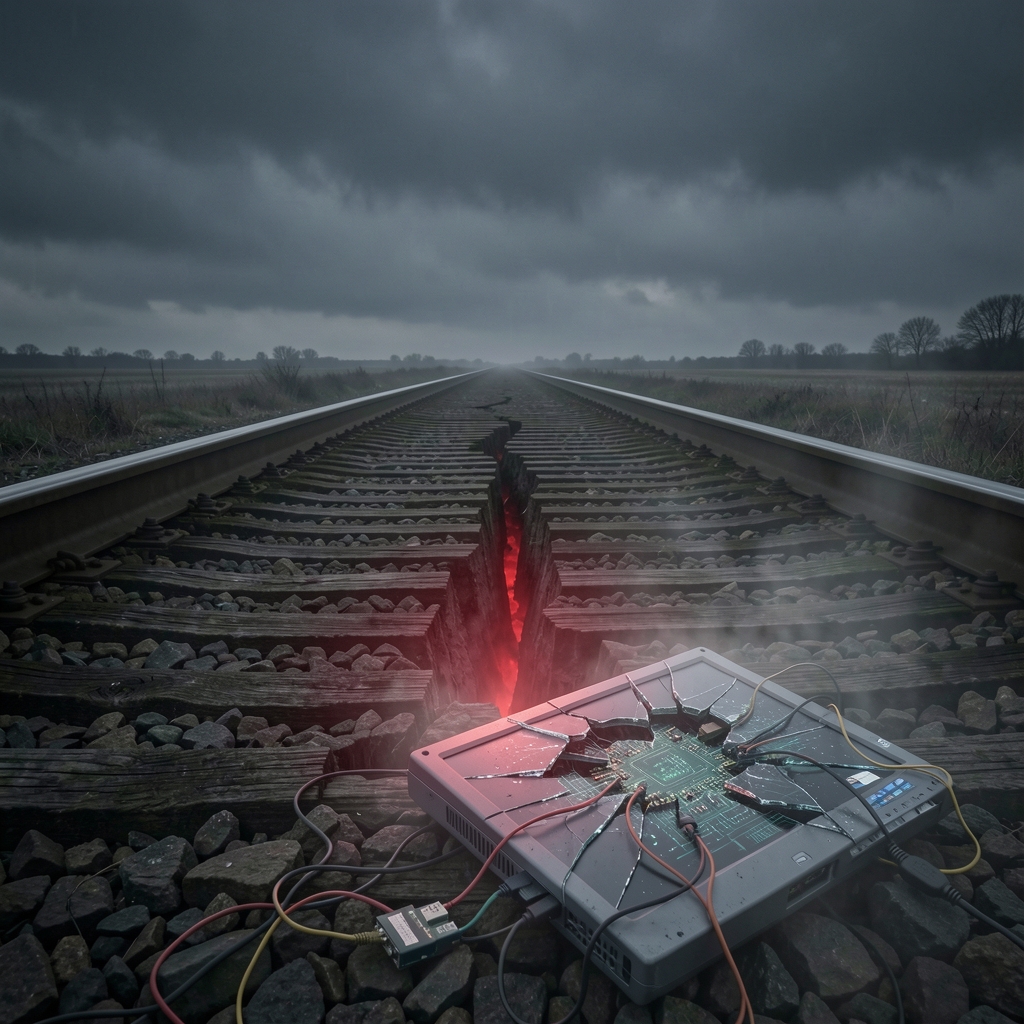
As the wheels of America's economy continue to turn, a growing concern is gaining traction: the vulnerability of the nation's railroads to cyberattacks. With millions of people and billions of dollars' worth of goods relying on the rail network every day, the stakes are high. "The railroad system is a critical infrastructure that we can't afford to have disrupted," said a representative from the American Association of Railroads, highlighting the urgent need for robust cybersecurity measures.
The recent Defend the Railroad Conference in Columbia, Maryland, brought together transportation experts and cybersecurity specialists to address this pressing issue. As the rail network becomes increasingly sophisticated and integral to national economic productivity, the threat of cyberattacks looms larger. The conference provided a platform for experts to share insights and discuss strategies for safeguarding America's railroads from the ever-evolving landscape of cyber threats.
The importance of railroads in America's transportation infrastructure cannot be overstated. The rail network spans over 140,000 miles, with freight railroads alone transporting nearly 40% of the country's freight. The network also supports millions of passengers daily, with commuter and passenger rail services operating in numerous metropolitan areas. Any disruption to this critical infrastructure could have far-reaching consequences, impacting not only the economy but also public safety.
In recent years, the rail industry has made significant strides in modernizing its infrastructure and adopting advanced technologies. The implementation of Positive Train Control (PTC) systems, for instance, has enhanced safety and efficiency. However, this increased reliance on technology also introduces new vulnerabilities. "As we continue to adopt more advanced technologies, we need to ensure that we're also prioritizing cybersecurity," emphasized a cybersecurity expert attending the conference.
The current situation is characterized by a heightened sense of awareness and concern among industry stakeholders. The Transportation Security Administration (TSA) has been actively engaged with the rail industry to enhance security measures, including the implementation of cybersecurity standards and guidelines. However, experts agree that more needs to be done to address the complex and evolving nature of cyber threats.
Some of the key challenges facing the rail industry include:
- Increasing connectivity and interdependencies between systems, creating potential entry points for attackers
- Limited resources and budget constraints, making it difficult for some railroads to invest in robust cybersecurity measures
- The need for information sharing and collaboration between different stakeholders, including government agencies, railroads, and cybersecurity experts
From a technologist's perspective, the solution lies in implementing robust cybersecurity measures, such as advanced threat detection systems and incident response plans. Policymakers, on the other hand, are focused on developing and enforcing regulations that promote cybersecurity best practices. Users, including passengers and freight customers, are concerned about the potential impact of cyberattacks on safety and reliability.
Adversaries, including nation-state actors and cybercrime groups, continue to probe for vulnerabilities in the rail network. A successful cyberattack could have devastating consequences, including disruptions to critical services, financial losses, and even physical harm. As one expert noted, "The rail industry is a prime target for attackers, and we need to be proactive in defending against these threats."
In conclusion, as America's railroads continue to play a vital role in the nation's economy, the need for robust cybersecurity measures has never been more pressing. The question is: are we doing enough to protect this critical infrastructure from the ever-evolving landscape of cyber threats? The answer, much like the rail network itself, is complex and multifaceted. One thing is certain, however: the stakes are high, and the consequences of inaction could be severe.
For more information on this topic, please visit: https://governmenttechnologyinsider.com/protecting-americas-railroads-from-cyberattacks/