Tag: critical infrastructure
636 articles
Cyber Threats Explosively Target Critical Infrastructure
In today's digital age, cyber threats have become a pressing national security concern, with adversaries able to bypass traditional borders and wreak havoc with just a few keystrokes. The lines between cybersecurity and strategic warfare have blurred, making it imperative to treat digital threats as a matter of national strategy.

Water Sector Grapples with Cyber Threats as Attacks Persist
The water sector is facing a harsh reality: cyber threats are on the rise, and threat actors are intensifying their attacks as global conflicts escalate. Recent attacks on water facilities have exposed glaring technical and organizational gaps that leave the sector vulnerable.

US Integrates AI into Critical Infrastructure to Bolster Cyber Defenses
The US government is ramping up its cyber defenses by deploying AI models across critical infrastructure sectors - and it's working closely with industry partners to make it happen. National Cyber Director Sean Cairncross says the goal is to get these models up and running ASAP to secure systems and safeguard the nation's digital future.

Cyberattacks Expose Growing Risks to Real-World Infrastructure
Cyberattacks are no longer just a digital threat, but a real-world danger that can disrupt food supplies, cripple transportation, contaminate water systems, and leave communities in the dark. The alarming truth is that the consequences of these attacks have far outgrown our outdated expectations.

Kiteworks Patches Flaw, Restores Systems After Intelligence Warning
Kiteworks has patched a critical flaw and lifted its shutdown advisory, confirming that its systems and customer environments show no signs of compromise or suspicious activity. With the threat neutralized, customers can now safely bring their hosted systems back online.

US Weighs Risks of Direct Investment in Strategic Sectors
The US government has made a bold move, investing $27.7 billion in 39 strategic deals since January 2025, spanning critical sectors like minerals, semiconductors, and infrastructure. This marks a significant shift in Washington's role in industry, departing from its long-standing hands-off approach to direct company ownership.

UK Convenes Secret Briefings to Warn Defense CEOs of Russian Threats
The UK government is sounding the alarm on a significant threat from Russia, warning defense and critical infrastructure leaders to be vigilant. Top officials will hold secret briefings with CEOs to share intelligence on the growing danger.

Ransomware Attack Disrupts Keio's Business Systems
Keio's business operations were disrupted after a ransomware attack was detected on its servers in the early hours of September 26, prompting swift action to shut down its network and prevent further damage. The company is now working closely with the police and external experts to investigate the incident and assess its impact.

CISA Warns of Widespread Exploitation of SharePoint, Adobe Commerce Flaws
Don't wait until it's too late - with nearly 1,000 customers across critical sectors like banking, government, and telecommunications at risk, organizations can't afford to delay action against widespread exploitation of SharePoint and Adobe Commerce flaws. A critical authentication-bypass vulnerability, CVE-2026-5430, is already being exploited, putting multiple WSO2 products at risk.
Senate Leaders Unveil Bill to Bolster Telecom Cybersecurity
Senate leaders Mark Warner and Ted Cruz have introduced the Telecommunications Cybersecurity and Resilience Act, a bipartisan bill aimed at fortifying the nation's telecom infrastructure against devastating cyberattacks like the historic Salt Typhoon hack. The legislation seeks to boost cybersecurity standards and bring government and industry together to protect critical infrastructure.

Lawmakers Push CISA to Bolster Biotech Cyber Defenses
US lawmakers are taking a crucial step to safeguard America's biotech sector by introducing bills that would boost cyber defenses for this rapidly evolving industry, deemed vital to the nation's economic and national security. The proposed legislation aims to fortify protections for biotech infrastructure, biomanufacturing, and sensitive biological data.
Google Deploys AI Scanners to Bolster Critical Infrastructure Defenses
Google's new Scan for Good program is using AI hunters to supercharge defenses for critical infrastructure, uncovering massive vulnerabilities like an exposed administrator key that left 8.8 million files in a nationally significant archive open to read, write, and delete access. By pairing its Gemini 3.8 Flash Cyber model with Wiz's Red Agent, Google aims to proactively identify and fix public exposures and attack paths across vital public services and nonprofits.
Tax Policy Targets Threat Actors Breaching US Water Systems
A small town's entire 2023 revenue was just $3.37 million, yet it had zero budget for cybersecurity - a stark reality that highlights the vulnerability of US water systems to threat actors.
Attackers Exploit F5 BIG-IP APM Zero-Day Vulnerability
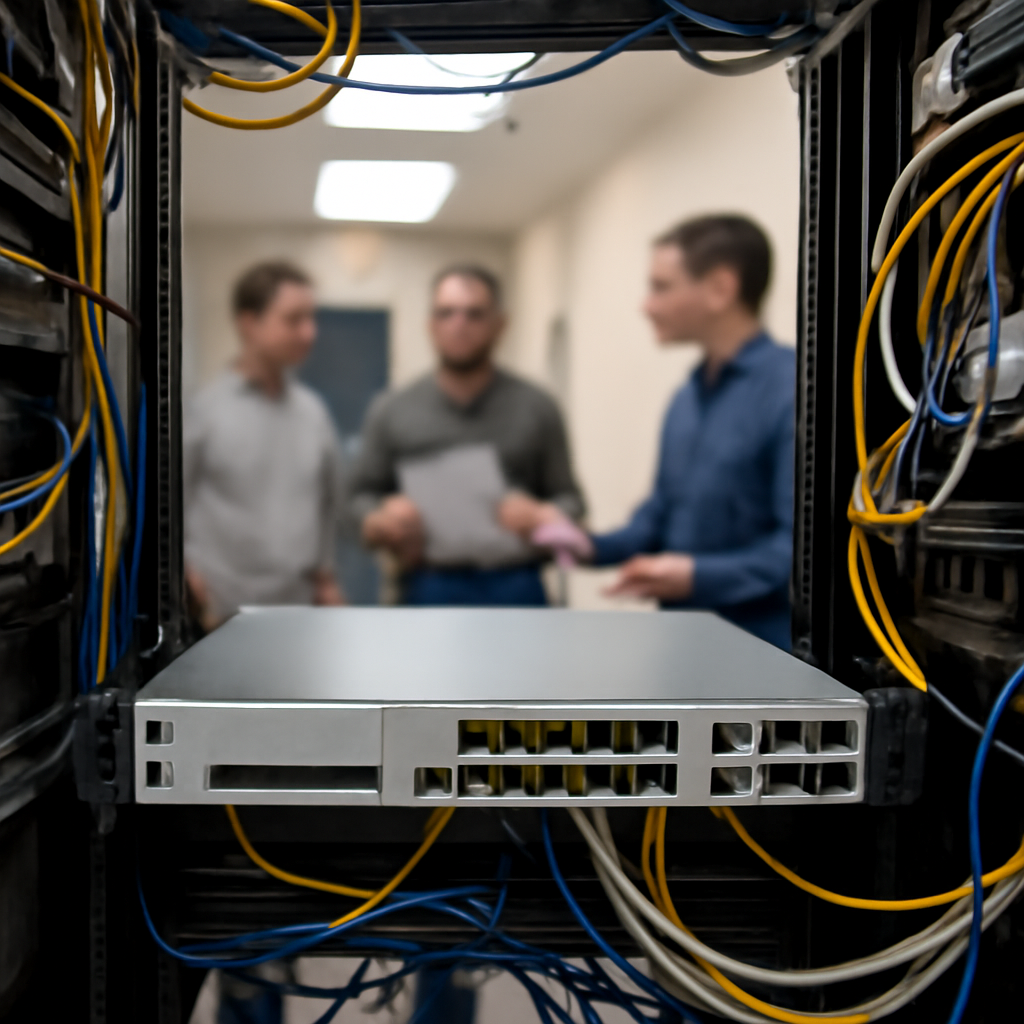
A critical zero-day vulnerability in F5 BIG-IP APM is under active attack, putting organizations at risk of remote code execution - and it's essential to take immediate action to protect yourself. This unpatched flaw is being exploited by attackers, making it crucial to act now to safeguard your systems.

Ryuk Ransomware Operative Draws 2-Year Prison Term
An Armenian man has been sentenced to 2 years in prison and 3 years of supervised release for his role in a string of devastating Ryuk ransomware attacks on US companies. He was found guilty of hacking and encrypting systems, causing significant disruption and financial loss.

Congress Proposes AI-Powered Cyber Defense Program
Rep. Josh Gottheimer is taking a proactive stance against cyber threats with the AI Cyber Defense Act, a new legislative proposal that would provide critical infrastructure operators with free access to cutting-edge AI technology to identify and fix security gaps. This innovative program aims to safeguard families and communities from potential disasters by staying ahead of emerging threats.

Infostealers Expose Credentials at 1 in 5 US Water Organizations
Infostealer exposure puts 1 in 5 US water organizations at risk of devastating attacks, giving hackers legitimate entry points to wreak havoc. This alarming vulnerability highlights the urgent need for water and wastewater organizations to bolster their defenses.

Europe Scrambles to Counter Russia's Escalating Hybrid Attacks
Ukraine strikes back with a bang, hitting a key Russian oil facility and logistics hub in the Moscow region, dealing a significant blow to the war machine with billions of dollars in damage. President Volodymyr Zelenskyy says their long-range responses are having a major impact.

Australia Urges Substitutes for Critical Minerals
As new US defence procurement rules take effect in 2027, Australia is pushing to reduce its reliance on critical minerals from uncertain foreign sources by exploring substitutes that can perform the same function. By finding alternative materials, Australia can build a more resilient supply chain - and fast.
US Military's Cyber Vulnerability Lies in Overlooked Infrastructure
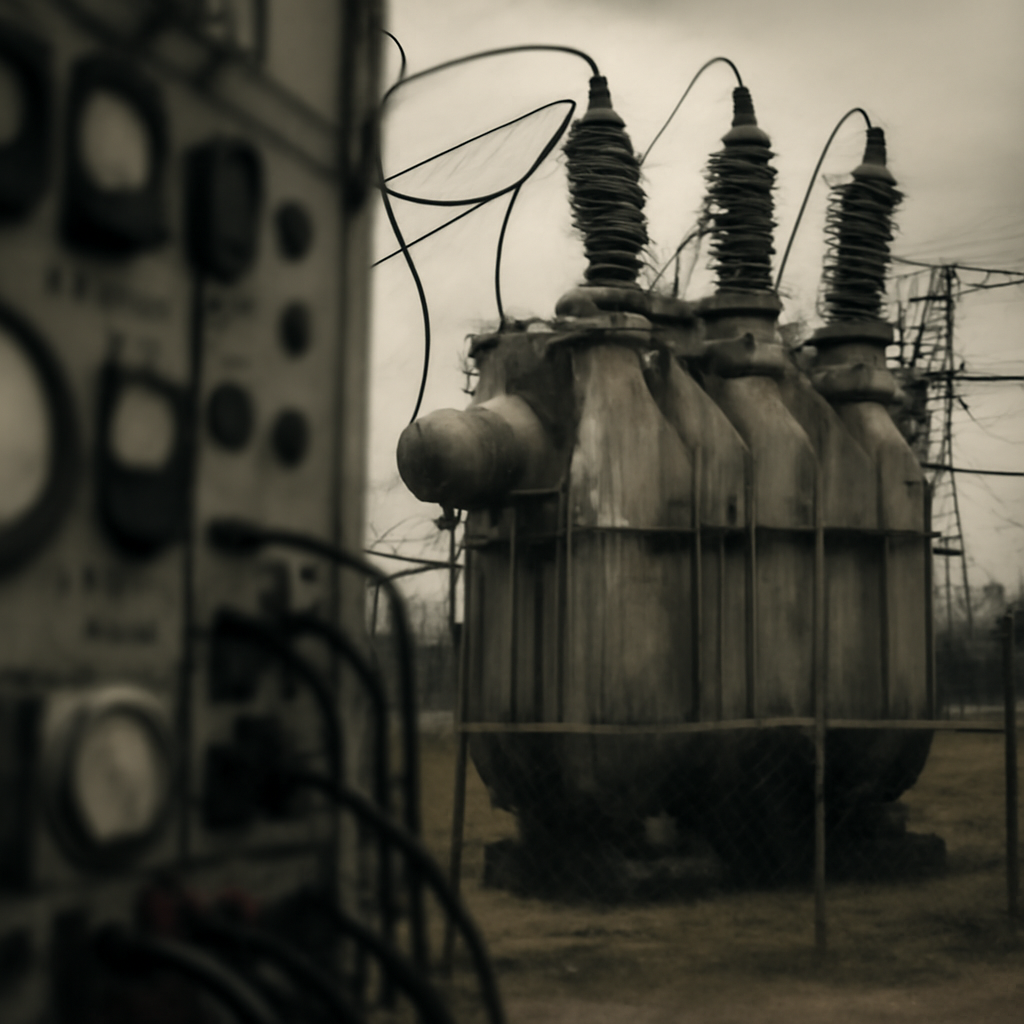
Iranian hacking groups are using surprisingly simple yet effective tactics to wreak havoc on US critical infrastructure, businesses, and public services - and they don't need to be the most sophisticated players in the game to get results. By relying on volume, repeatability, and clear objectives, they're able to impose significant pain and disruption.
CISA Promotes Decoys to Detect Breaches
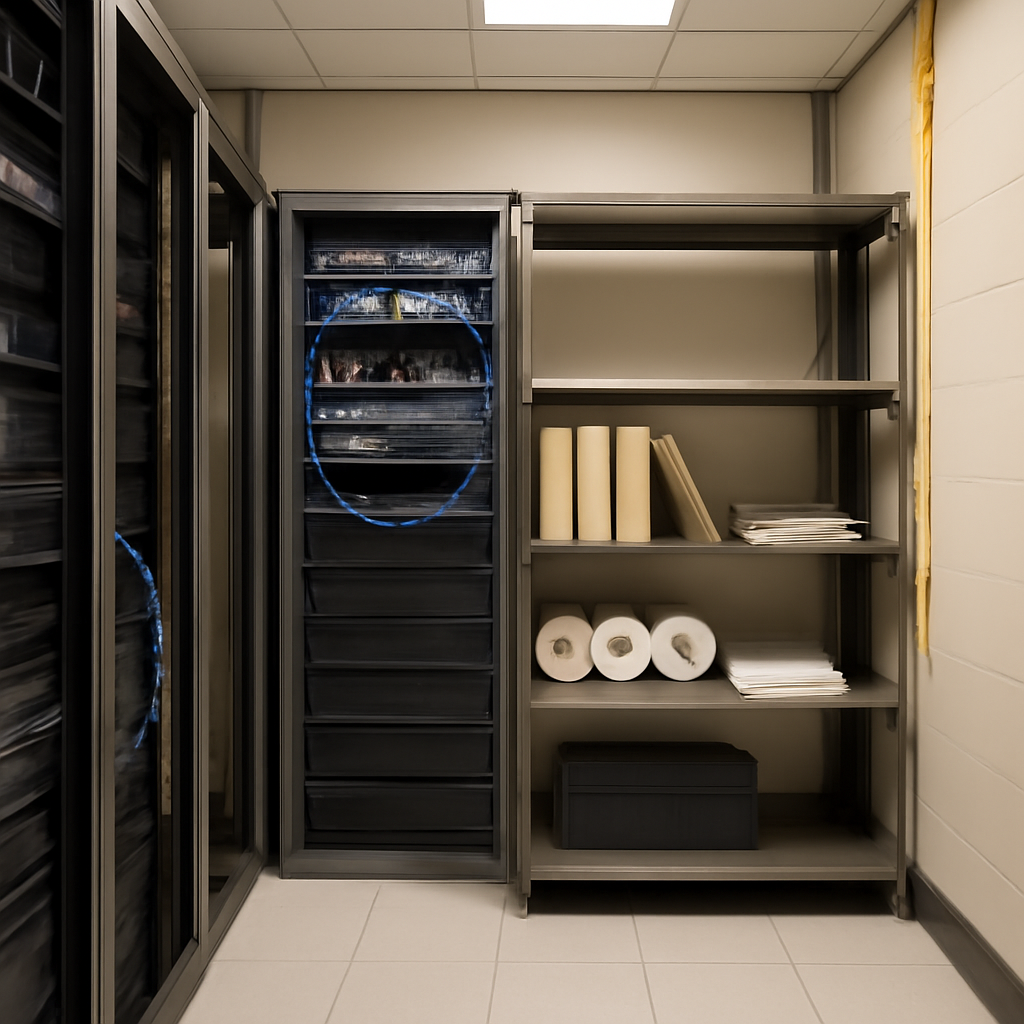
Want to catch cyber attackers in the act? Planting decoy files, accounts, and credentials inside your network can expose machine-driven threats and help you detect breaches before they cause harm.

CISA Deploys Cyber Decoys to Disrupt Attackers
CISA is shaking things up in the cybersecurity world with a clever tactic: deploying cyber decoys to lure in and expose attackers, making it easier to detect and respond to threats. By using these low-cost, high-impact decoys, critical infrastructure owners and operators can stay one step ahead of intruders.
Taiwanese Back Military Exercises, But Understanding Lags
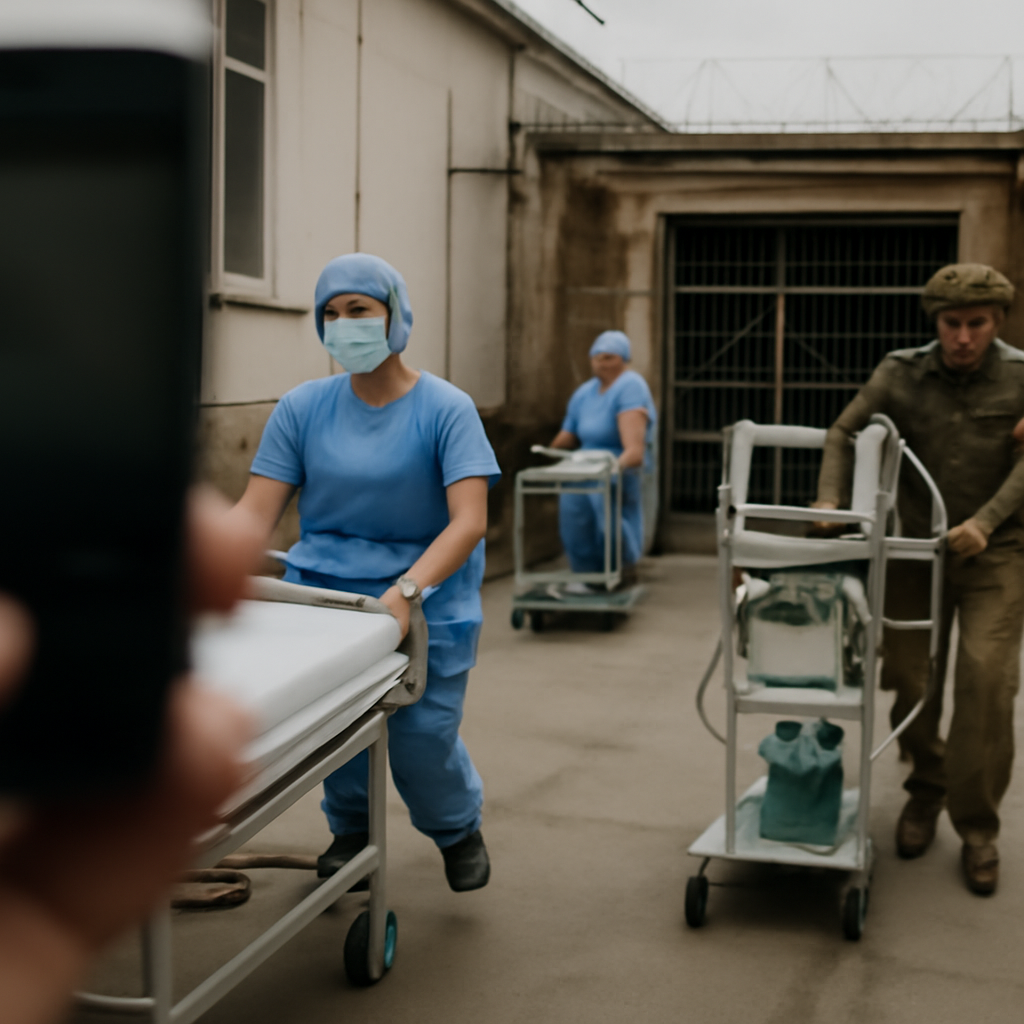
This year's Han Kuang military exercises in Taiwan didn't just happen on distant battlefields - they spilled into daily life, with troops barricading a major bridge and hospitals rehearsing underground medical ops. Even mobile internet was deliberately slowed to mimic the communication chaos of wartime.
APT Groups Target Private 5G Networks with Exploits and Evasion
Two advanced persistent threat (APT) groups, Salt Typhoon and Volt Typhoon, were discovered secretly infiltrating telecom and critical infrastructure networks, including private 5G networks, to access sensitive data and potentially set the stage for future espionage. These stealthy intrusions went undetected for a period, highlighting the need for heightened security measures to protect against such threats.