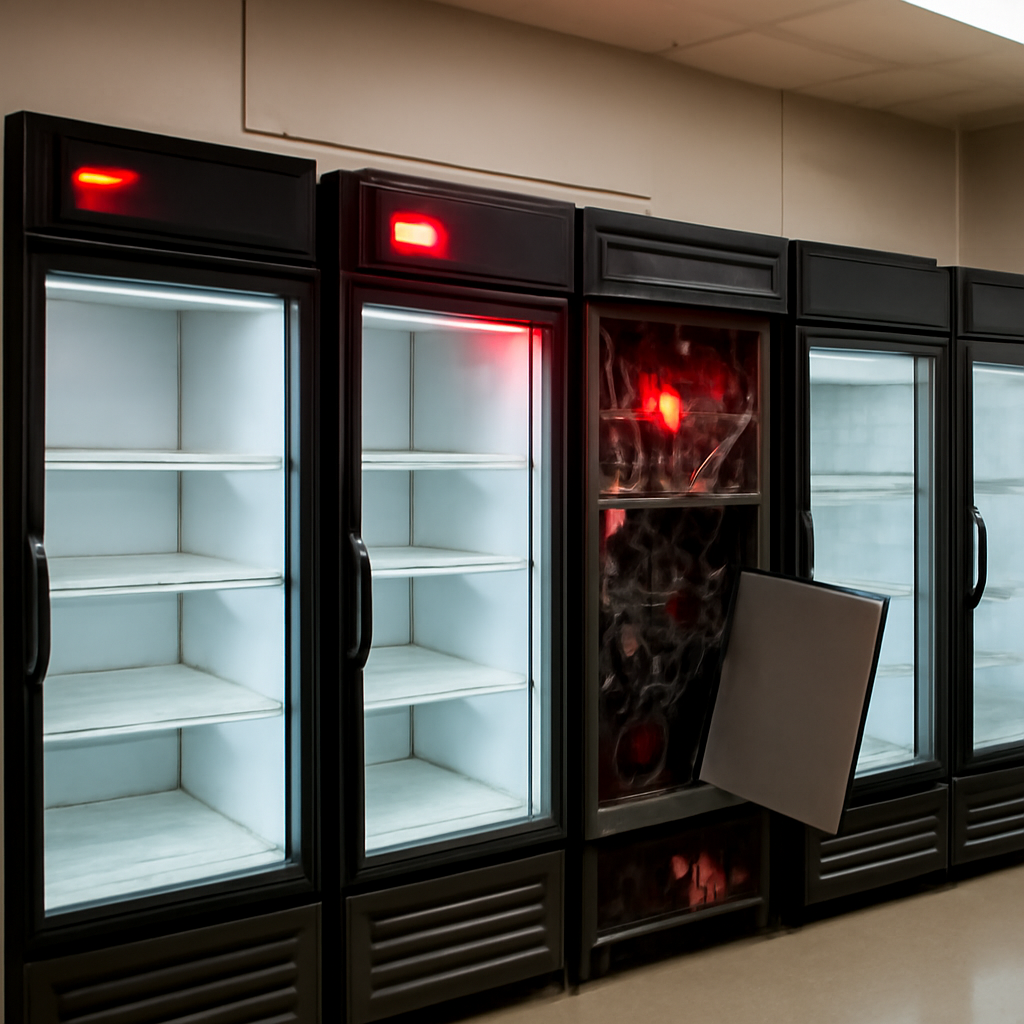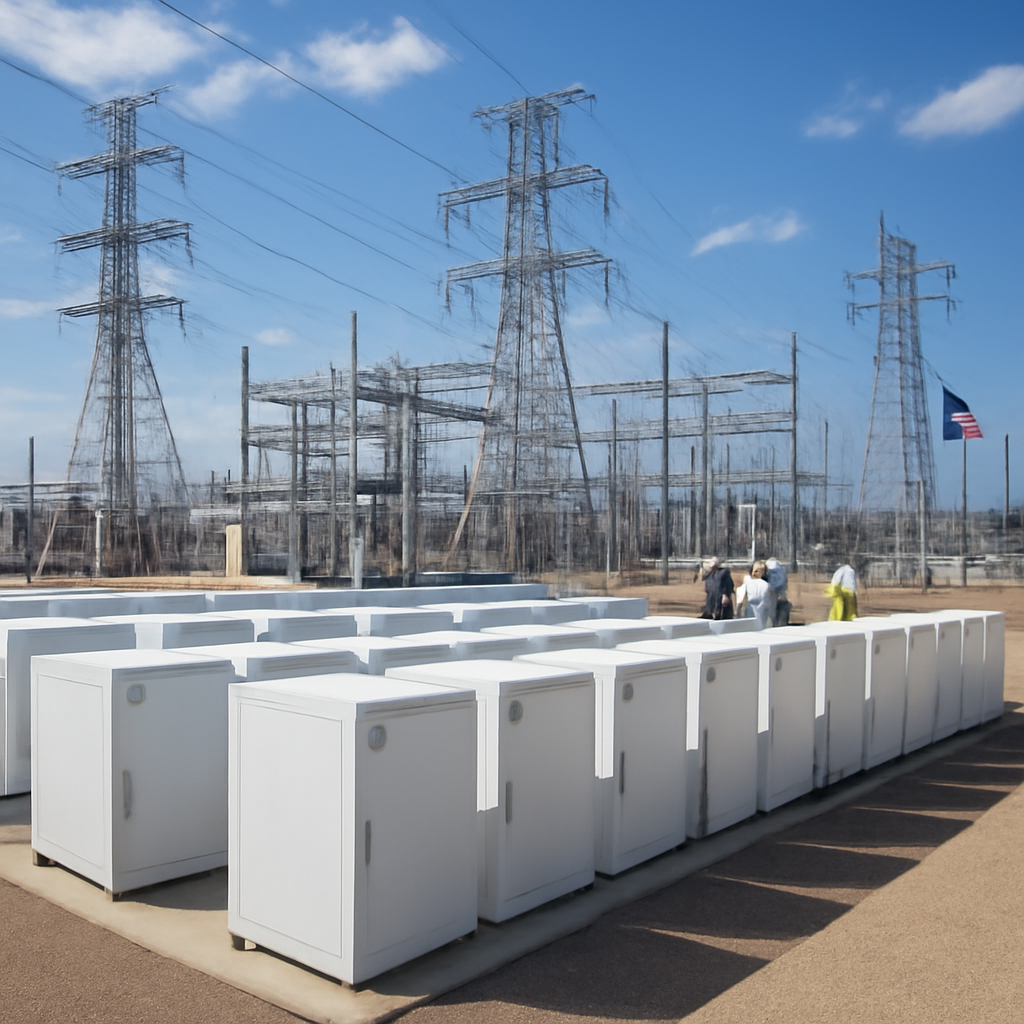
“With current industry-average security practices, there is a 92% probability of a notable cyberattack on battery infrastructure by 2031.”
Centrii's risk assessment: one number, wide consequences
A risk assessment published by Centrii finds that compromising just 5.4% of the ERCOT battery fleet could destabilize the entire Texas grid. In concrete terms, the report equates that 5.4% to roughly 1,500 battery units and warns that a successful attack on that scale could impact about 30 million people.
The attack model and the scale of economic harm
Centrii modeled a coordinated cyberattack against the Texas grid. The firm’s scenario analysis projects that a “significant attack” of the sort modeled could produce as much as $65 billion in economic damages. The assessment ties physical-system disruption — manipulation or loss of a relatively small share of battery assets — to large-scale social and economic consequences.

Audit-ready is a season. It shouldn't be.
Evidence in spreadsheets, controls drifting between audits, frameworks multiplying on flat headcount. Nubivance runs continuous compliance on Rapid7 Cyber GRC - SOC 2, HIPAA, ISO 27001, PCI, CMMC.
End the scrambleHardening to IEC 62443 Security Level 2: costed mitigation
The report evaluates a specific mitigation: elevating the security of the battery fleet to IEC 62443 Security Level 2. According to Centrii, implementing that upgrade — framed as reducing the modeled attack’s effectiveness — would cost between $800 million and $2.8 billion. The assessment positions that expense as an alternative to bearing the full force of the modeled economic damage.
Probability, timeframe, and implied urgency
Centrii’s assessment places a 92% probability on a “notable cyberattack on battery infrastructure” occurring by 2031 under current, industry-average security practices. That probabilistic judgment, coupled with the report’s modeled cost of up to $65 billion, frames the next several years as a period of materially elevated risk for ERCOT-connected battery assets.
What this means for battery operators, policymakers, and the public
- Battery operators: The report identifies a concrete technical target — raising fleet security to IEC 62443 Security Level 2 — and attaches a sector-wide price tag of $800 million to $2.8 billion. Operators will weigh those retrofit and hardening costs against the Centrii model’s projected damages and the 92% probability of a notable attack by 2031.
- Policymakers and regulators: The assessment creates a fiscal and regulatory choice between mandated security upgrades with an estimated multi-hundred-million-to-multi-billion-dollar bill and exposure to the modeled $65 billion in economic damages tied to a coordinated incident.
- The public: Centrii’s modeling ties the compromise of about 1,500 battery units to impacts on roughly 30 million people, framing the question as not only an economic calculation but one with direct consequences for population-scale service continuity.
Centrii’s numbers present a stark arithmetic trade-off: an investment of up to $2.8 billion to elevate battery security to a specified standard versus a modeled exposure of up to $65 billion in economic damages, set against a 92% chance of a notable attack by 2031 under prevailing practices. Whether decision-makers treat that trade-off as persuasive will determine whether the report is acted on as an early warning or catalogued as a cost-benefit exercise.
Read the full Centrii-based assessment at Security Magazine: https://www.securitymagazine.com/articles/102549-compromising-54-of-texas-battery-fleet-could-black-out-the-grid