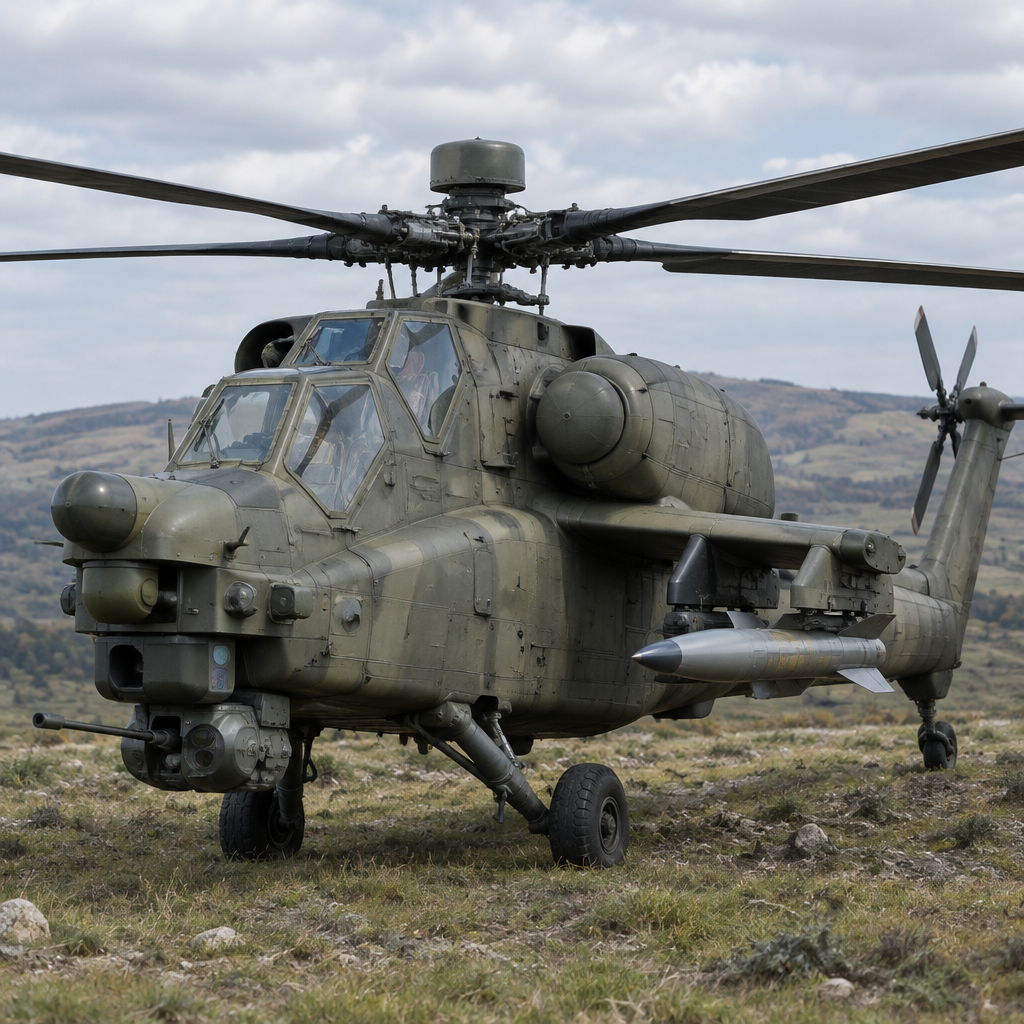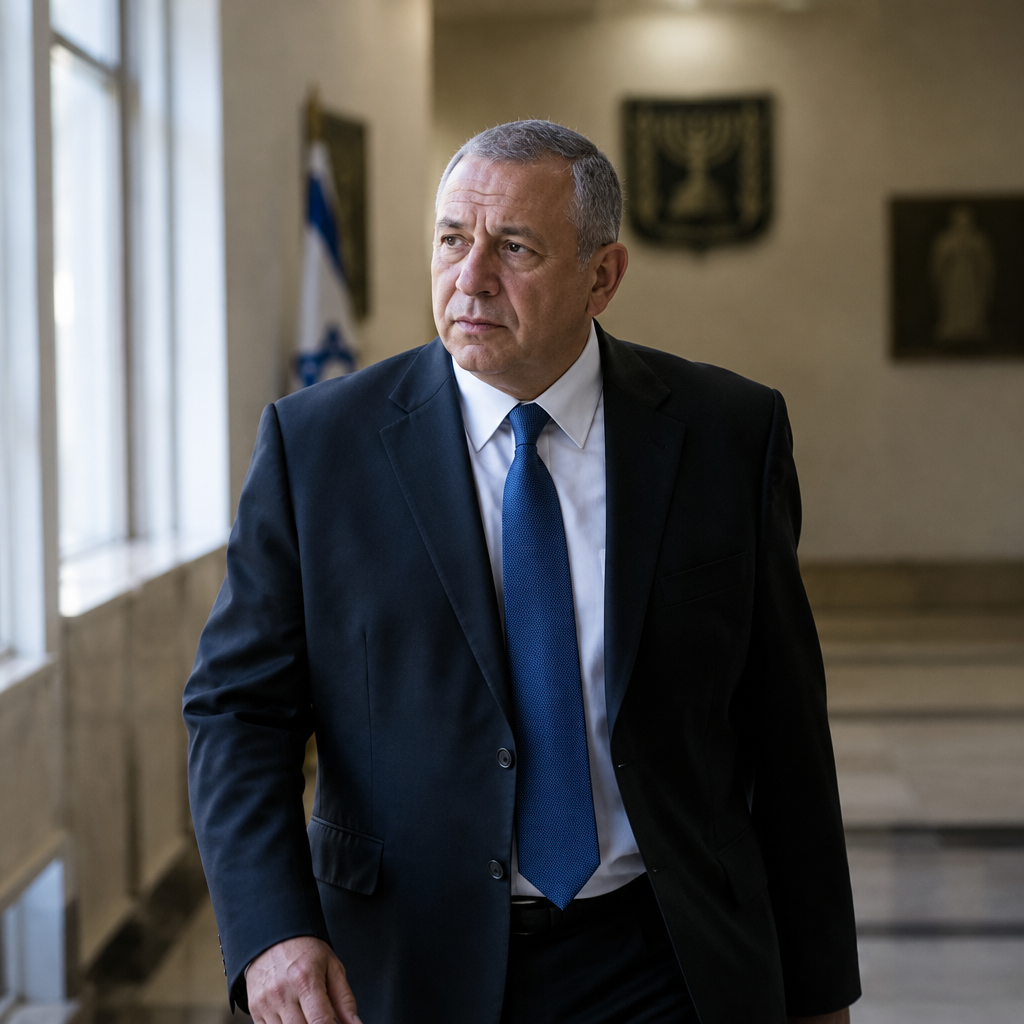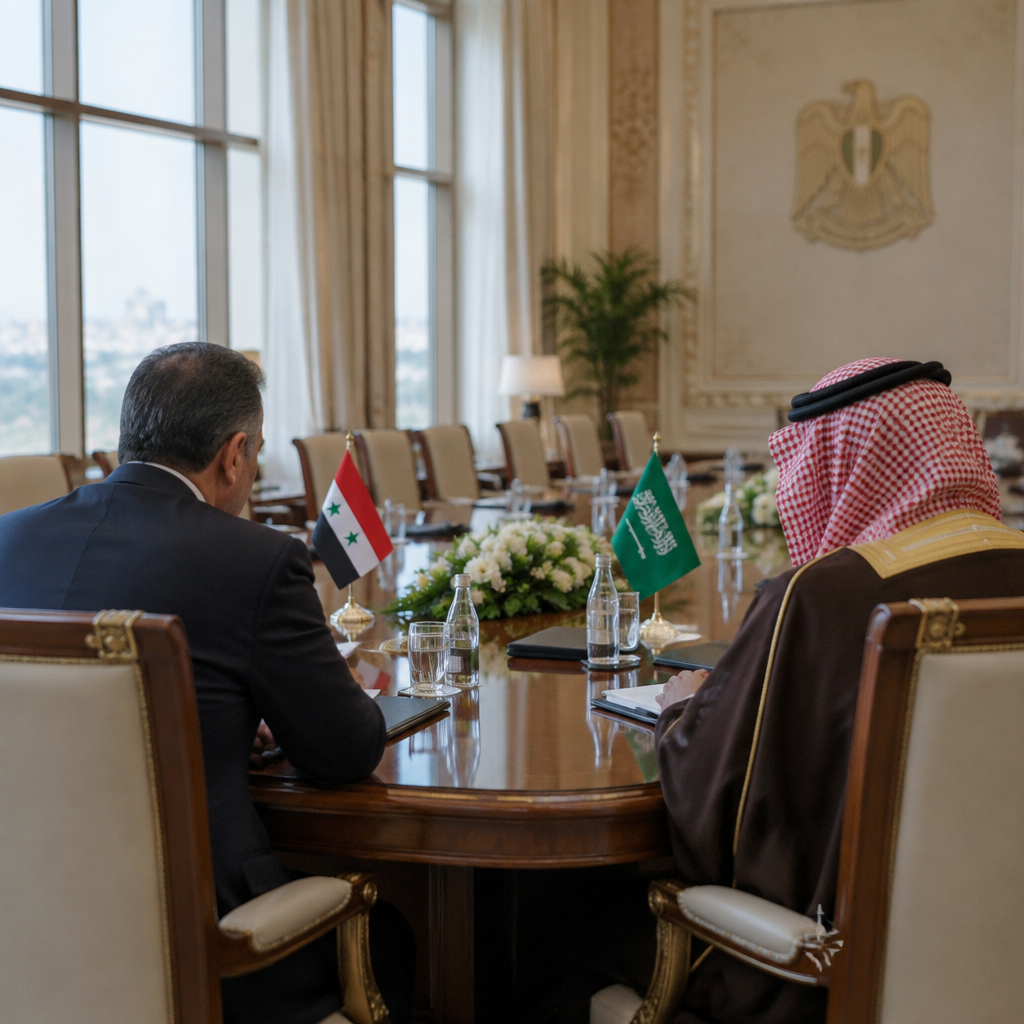
"The agreement marks another step in Syria’s growing political, economic and military alignment with Saudi Arabia, as Damascus seeks to rebuild its armed forces and strengthen its regional partnerships," Freddy Khoueiry told Breaking Defense.
Ahmad al-Sharaa’s Riyadh visit and the undisclosed defense pact
Saudi Arabia and Syria signed "an agreement on cooperation between the two countries’ defense ministries" during Syrian President Ahmad al-Sharaa’s visit to Riyadh, the Saudi official press agency reported. The announcement accompanied several government cooperation accords; the defense text itself was not disclosed. Breaking Defense described the pact as the first defense agreement between the Kingdom and Syria since the fall of Bashar Assad in Damascus.
What experts say: Freddy Khoueiry and Serhat Süha Çubukçuoğlu
RANE Lead MENA and defense analyst Freddy Khoueiry told Breaking Defense the deal is evidence of growing ties and argued it will help Damascus rebuild its armed forces after a 14-year civil war that ended in December 2024 with the overthrow of the Assad regime. Serhat Süha Çubukçuoğlu, director of the Turkey program at TRENDS Research & Advisory, framed the agreement as part of "Saudi diplomatic, and economic outreach to court Syria and keep it in its sphere of influence."

Your town's IT department is one person. Maybe.
Ransomware crews target small municipalities because nobody's watching. Nubivance gives Maine and New Hampshire towns a security program sized to a town budget.
Protect the town officeProbable components: training, intelligence sharing, equipment and reconstruction
Khoueiry outlined what the agreement "will likely initially focus on": military training, intelligence sharing, equipment transfers and assistance in rebuilding Syria’s armed forces. He added that these elements would fit Damascus’s declared goal of ending all foreign military presence on its soil as it restores national capabilities. The sourcing in Breaking Defense makes clear, however, that explicit operational or material commitments were not published with the announcement.
What this means for the Syrian army, Saudi operations in Yemen, and Mecca Pact members
- The Syrian army: The agreement is presented as a vehicle for rebuilding capabilities after the civil war and regime change. Khoueiry emphasized reconstruction of the armed forces as a central Syrian objective.
- Saudi operations in Yemen and the Houthis: Khoueiry said the pact could "pave the way for more direct military cooperation, potentially including Syrian personnel supporting Saudi operations in Yemen" against the Iran-backed Houthi militant group — but he qualified that prospect as "speculative and unlikely in the near term."
- Mecca Pact members (Saudi Arabia, Pakistan, Turkey): Damascus is "weighing joining" the Mecca Pact, Syrian foreign minister Asaad al-Shaibani announced last week. Khoueiry allowed that Syria "could potentially join by early 2027," contingent on negotiations and Damascus’s willingness to assume the pact’s collective defense obligations; Çubukçuoğlu was more sceptical, noting the pact’s NATO Article-5–type mutual defense architecture and the complications that would arise if Syria entered into collective defense arrangements.
Regional constraints: Israeli operations and southern Syrian territory
Çubukçuoğlu flagged Israeli military operations in Syria, including the occupation of southern Syrian territory, as a complicating factor for any deeper security compact. He suggested that the prospect of collective defense obligations could be "neutered" by the reality of Israeli activity in Syria and expressed doubt that Mecca Pact members would go to war with Israel over territory: "I think that’s inconceivable at this point [any] of these countries will enter into a war with Israel to liberate territory," he told Breaking Defense.
The public record released with the Riyadh visit is brief: a titled defense cooperation agreement, participants' names, and expert commentary. The document did not list timelines, force-posture changes, equipment types, or financial terms. Experts interviewed by Breaking Defense see the deal as deliberate diplomatic reorientation by Damascus toward Riyadh — a geopolitical reversal after years of Syrian alignment with Iran under Bashar Assad — but they differ on whether the pact presages immediate operational turns such as Syrian support in Yemen or formal entry into the Mecca Pact.
Concluded plainly, the signed agreement is a concrete step in a broader recalibration of relations between Damascus and Riyadh, yet its import will hinge on implementation details that have not been published and on sensitive regional fault lines — most notably the unresolved issue of Israeli military activity in Syria and whether Damascus will accept collective defense commitments. Will Damascus take the formal steps to join the Mecca Pact by early 2027, or will the agreement remain an initial, bilateral pathway to training and rebuilding? The facts released so far leave that question open.
Source: Breaking Defense