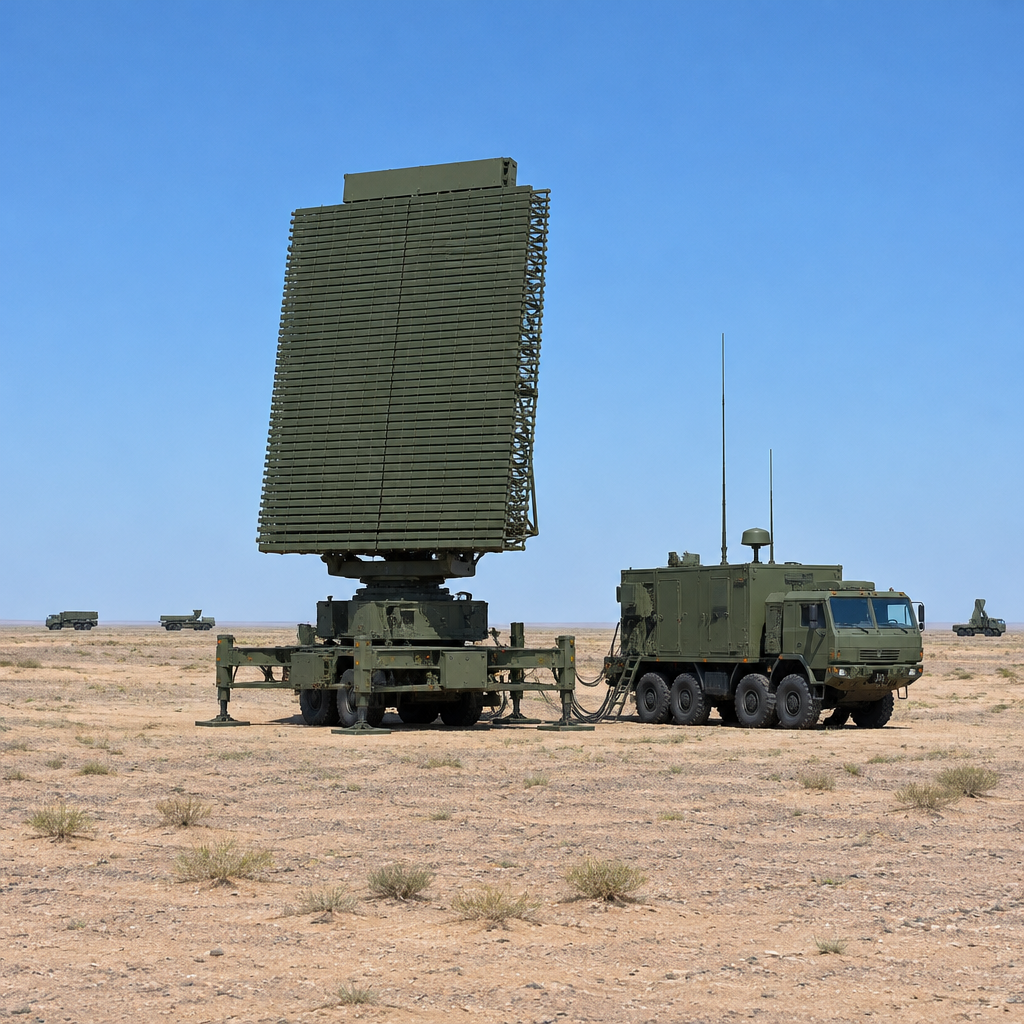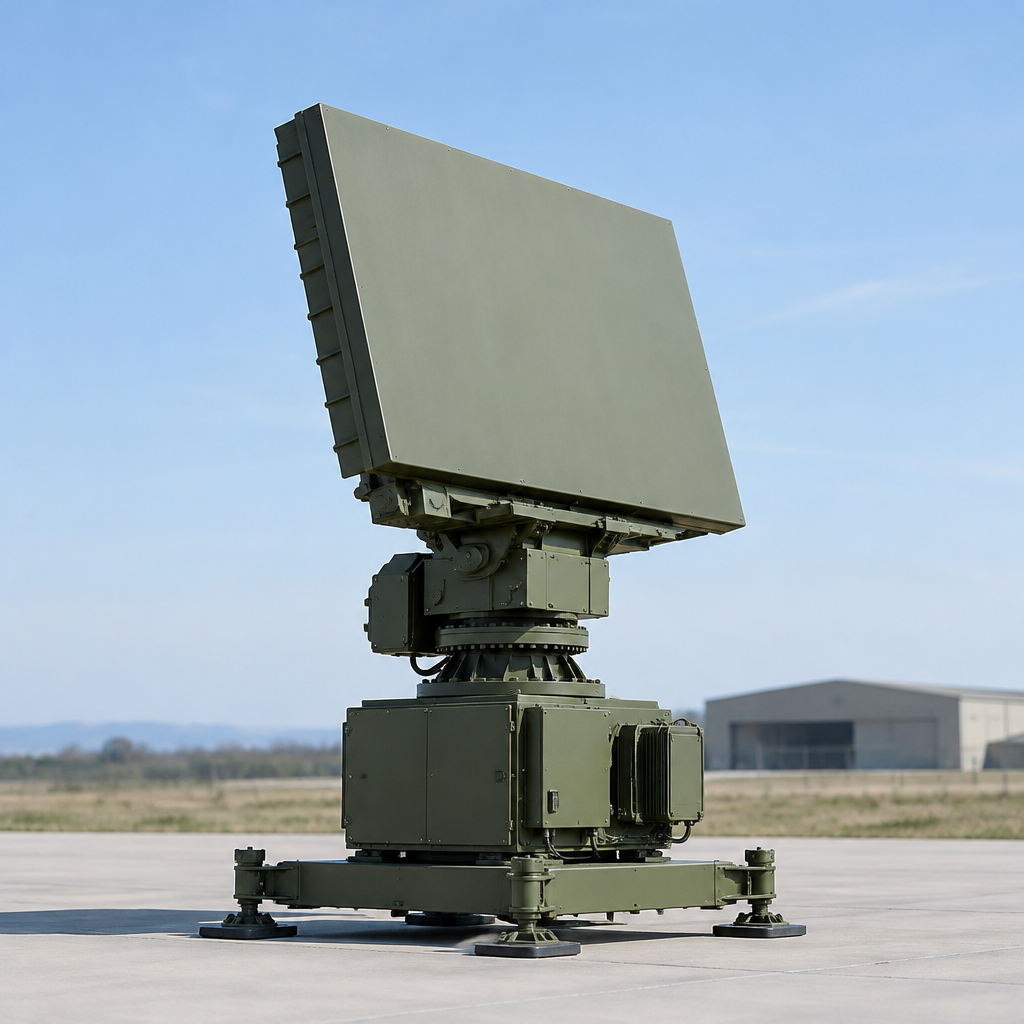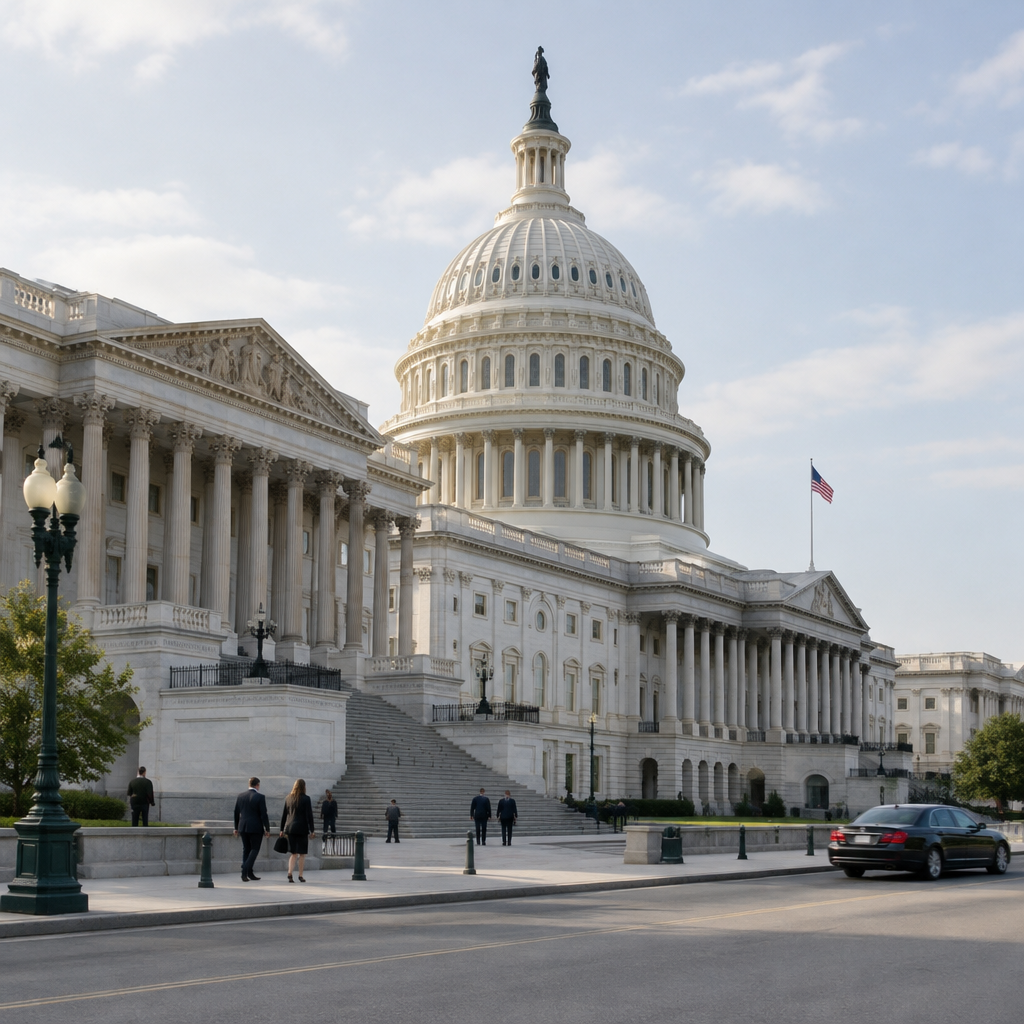
“This bill is a roadmap to sustainably and responsibly delivering generational investments in the national defense … The nature of warfare is changing, and America’s adversaries are working together to threaten us. Deterring these threats is a project bigger than one-time surges of cash,” Sen. Mitch McConnell wrote as the Senate appropriators unveiled a nearly $1.1 trillion Pentagon spending plan for fiscal 2027.
The $1.1 trillion topline and the reconciliation backdrop
Senate appropriators put forward roughly $1.1 trillion for defense in FY2027, a figure well below the $1.5 trillion sought by the Trump administration. That administration’s request was split into a $1.15 trillion base and a $350 billion reconciliation package intended to fund large, one‑time priorities. So far, lawmakers have not advanced that reconciliation request, and the White House has continued to push for it.
The Senate Appropriations defense subcommittee was the last of four defense committees to release a budget offering; the Armed Services Committees in both chambers separately included a $1.14 trillion topline that the appropriations committees said is not directly comparable. The top Republican in the Senate, John Thune, declined to say whether a defense‑only reconciliation bill is being actively considered, according to Punchbowl News.
Folding reconciliation priorities into appropriations
Rather than rely on reconciliation, Senate appropriators moved to absorb some one‑time administration priorities into discretionary accounts. Lawmakers said nearly $69 billion that had been requested as one‑time mandatory spending would be provided as discretionary funds “to provide stable, sustainable, and predictable funding for critical capabilities across the Joint Force.”
That transfer is uneven. The bill includes $9.4 billion for Golden Dome and $3 billion for the Defense Autonomous Warfare Group (DAWG) — amounts far short of the Pentagon’s ask but sufficient, in the committee’s view, to keep the initiatives going. The package also contains $47.2 billion for munitions, with $40.6 billion directed toward multi‑year contracts such as Advanced Medium‑Range Air to Air Missile, Patriot Advanced Capability‑3 Missile Segment Enhancement, and Precision Strike Missile Increment 1.
Appropriators would also partially make up for items the administration had planned to fund through reconciliation. For F‑35s, where the administration expected reconciliation to fund 53 jets, the committee added roughly half that number: an increase of $4.1 billion to buy an additional five conventional takeoff and landing F‑35As, five jump‑jet F‑35Bs, and 15 carrier‑launched F‑35Cs.

This site is the portfolio.
OSINTSights runs on Cloudflare Workers, D1, R2, and Vectorize, with an AI pipeline on Hetzner ARM. Nubivance designed, built, and operates it. We do the same for clients.
See what we buildArmy aviation and platform-level program shifts
The Senate panel recommended increases in both procurement and research, development, test and evaluation for Army aviation programs. Key adjustments include boosting funding for Boeing‑made Chinook CH‑47 helicopters from $210.6 million in the president’s budget to $570.6 million — higher than the House committee recommendation of $456 million.
The committee would restore $185 million to the Improved Turbine Engine Program after it was zeroed out in the president’s budget; the House had proposed $155 million for that effort, which aims to deliver a 50 percent increase in horsepower and 25 percent better fuel efficiency for Apache and Black Hawk helicopters. For counter‑drone capabilities, appropriators recommended a $150 million increase for more Coyote Block 2 and Block 3 platforms, while trimming $65.6 million from the Enduring‑High Energy Laser program on the grounds that it is “ahead of need.”
Shipbuilding, readiness cushions, and contingency funding
On the naval side, the committee included $42 billion for shipbuilding and added $1.9 billion for a second DDG‑51 destroyer. To address operational shortfalls and agility, the bill contains $1.7 billion to “mitigate the department’s projected FY2027 fuel shortfall” and $1.9 billion in “flexible readiness funding” earmarked to address emerging and unfunded requirements.
What this means for the White House, Senate appropriators, and defense contractors
- The White House and the Pentagon: The administration continues to press for the full $1.5 trillion package, but the department’s comptroller, Jules Hurst, told Breaking Defense in September that he is prepared to “work with lawmakers to figure out how to shuffle key priorities.” Hurst said, “If we really want to fund those things, then we have an opportunity to go back to the appropriators before they finalize the bill… it’s a conversation, obviously.” He added that leaders must weigh what “is more important to have money for in FY27 [or] can it wait for FY28,” noting that some technological areas require immediate investment while others need more research and development.
- Senate appropriators and Congress: Appropriators signaled a preference for controlling spending through the regular appropriations process rather than reconciliation; Sen. McConnell, who chairs the defense appropriations subcommittee and is retiring at the close of this Congress, framed the bill as a way to fund “generational investments” without one‑time surges of cash. The Senate bill must still clear the chamber and be reconciled with the House before leaders agree on a final package.
- Defense contractors and program managers: The committee’s shift of nearly $69 billion from mandatory to discretionary funding and its allocation to multi‑year missile contracts, aircraft buys, and shipbuilding would keep several large programs moving forward, albeit at reduced scales compared with the administration’s full request.
The calendar sets a hard deadline: Congress must sort appropriations before the continuing resolution expires on Dec. 11 or extend the CR to avoid a shutdown. The Senate plan reflects a pragmatic, partial accommodation of the administration’s priorities, but it leaves unresolved whether the additional $350 billion sought by the White House will ever move through reconciliation — and how much will ultimately be shifted between fiscal years as lawmakers and the department negotiate the tradeoffs Jules Hurst described.