"The Iranian-designed Shahed/Geran loitering munition has become the poster-child of this new threat environment," — Joe Mollo.
How the threat has changed, in concrete numbers
Joe Mollo, senior director of Advanced Programs at Leonardo DRS RADA Technologies business unit (DRS RADA), lays out a threat picture that is both high-volume and multi-modal. In Ukraine, Mollo says single-day tactical drone employment has exceeded 10,000 units along the front line, while a jet-powered long-range strike variant now represents "over half of deep-strike sorties," shortening warning times. Against Israel, Mollo cites three massive, coordinated Iranian-state barrages — April 2024, October 2024, and the 12-day war in June 2025 — that launched "hundreds to over a thousand ballistic missiles, cruise missiles, and drones directly from Iranian soil."
Damage to sensor infrastructure and the operational consequence
Mollo points to a striking operational consequence: ballistic missiles and low-cost one-way attack drones "damaged or destroyed radar systems in Qatar, Jordan, the UAE, Saudi Arabia, Bahrain, and Kuwait — including a $1.1 billion early-warning radar." He frames this damage as durable: those systems "will take years to replace." Layered on top of state barrages, Mollo also cites continuous fire from proxies — "15,000-20,000-plus rockets, missiles, and drones from Hezbollah and the Houthis" — to emphasize the scale and persistence of the threat.

Audit-ready is a season. It shouldn't be.
Evidence in spreadsheets, controls drifting between audits, frameworks multiplying on flat headcount. Nubivance runs continuous compliance on Rapid7 Cyber GRC - SOC 2, HIPAA, ISO 27001, PCI, CMMC.
End the scrambleDisaggregation: smaller, tactical radars and the cxMHR (RPS-502)
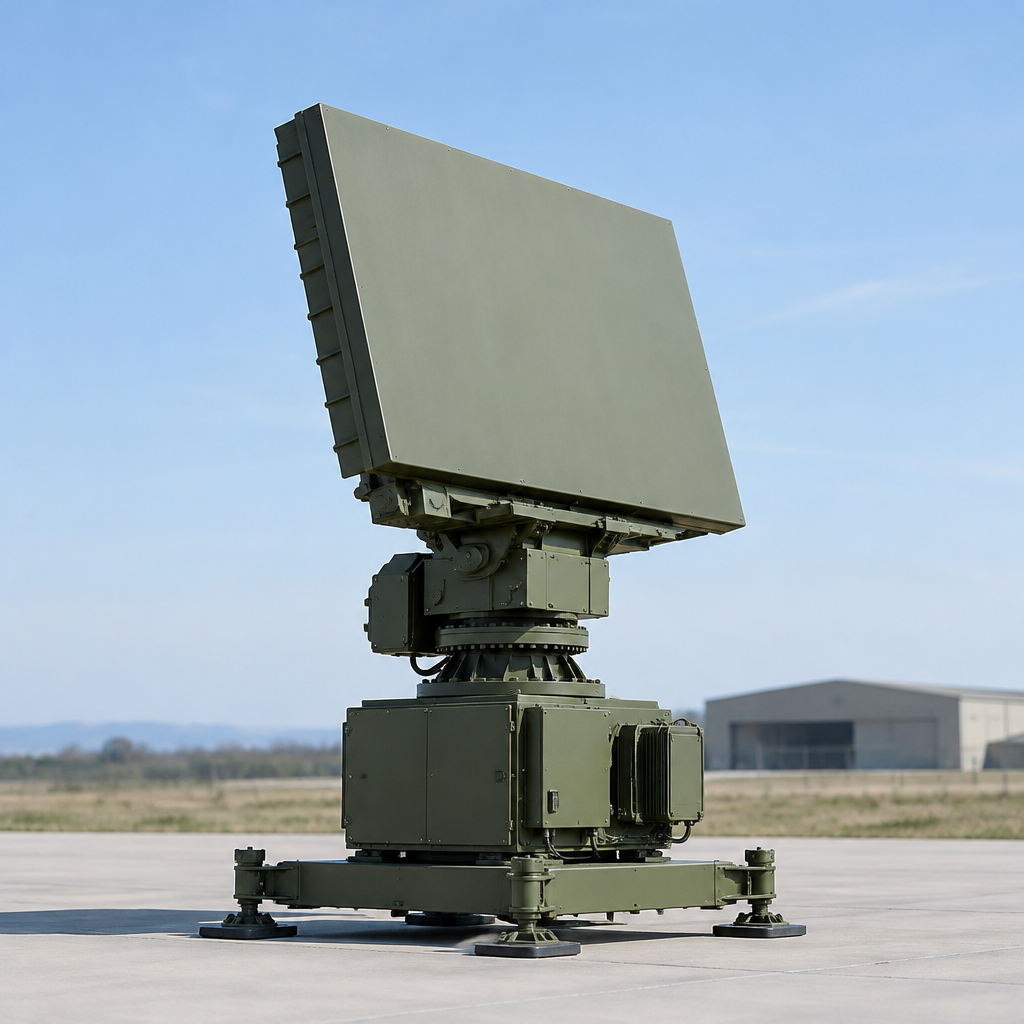
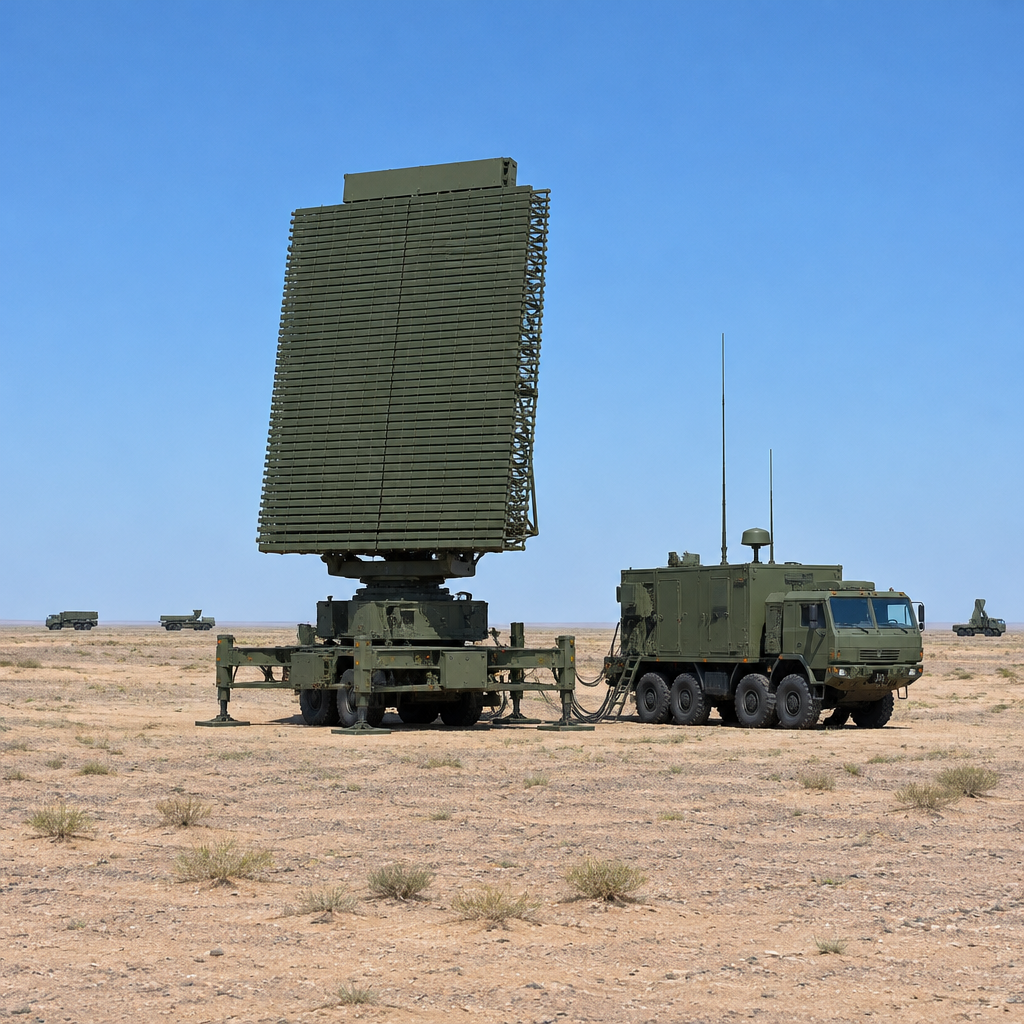
Mollo describes a shift away from reliance on a few "exquisite" long-range radars toward a dispersed architecture of smaller tactical sensors. Disaggregated sensors, he argues, are "more affordable and manufacturable at scale" and can be networked to provide the coverage and resilience traditionally supplied by a small number of expensive systems. He specifically highlights DRS RADA's new cxMHR (RPS-502), released this month, as a medium-range tactical radar that is "significantly larger, more powerful, and more complex than our other radar models."
The cxMHR operates in C-band and uses a "fully digital aperture" — a software-defined active electronically scanned array (AESA) that Mollo says provides "true, independent, per-element control across the transmit/receive aperture." Mollo lists operational advantages: up to "40 times faster volume scan," narrower main beam, longer detection range, simultaneous search/track/jammer localization beams, improved ECCM and EMI performance, and "frequency diversity for reduced multipath elevation errors and reduced RCS fluctuation, resulting in a higher Pd." He emphasizes graceful degradation: if elements are struck, "the radar will still continue to work."
Manufacturing scale-up: Germantown expansion and global footprint
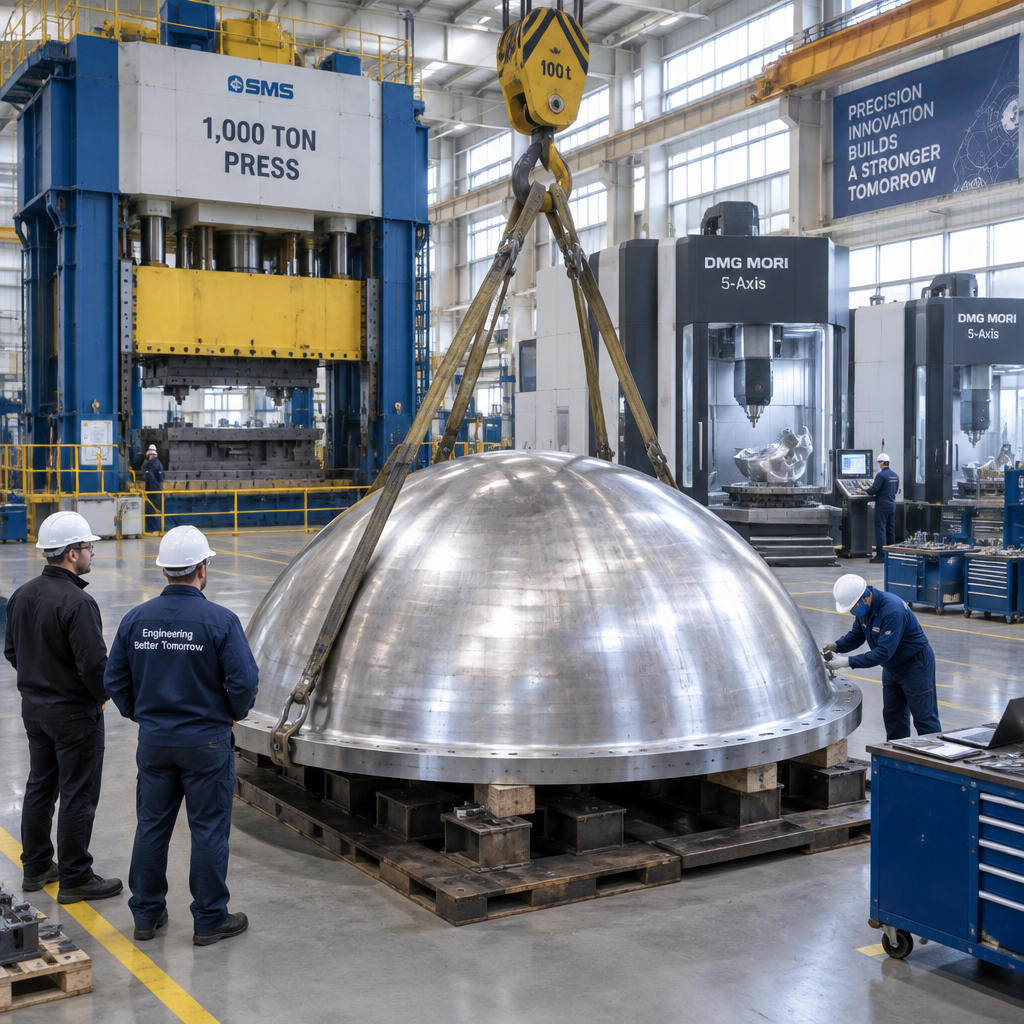
DRS RADA has been expanding capacity to meet surging demand. The company points to the 2022 merger with Leonardo DRS as a force-multiplier for R&D and scaling. At its Germantown, Maryland facility, Mollo states the engineering and manufacturing workforce has expanded "from 30 to 150 employees with 60 more planned for early 2027," and that the company's "footprint has increased nearly 10-fold and our complex test facilities by four times." The cxMHR requires its "own dedicated production and test facilitation," prompting further planned expansions.
Mollo also describes a distributed global manufacturing footprint, with facilities in operational areas of conflict or where regional restrictions require a physical presence. He frames this as a supply-chain resilience measure: regional sourcing can reduce dependence on any single supplier base or geography.
What this means for the Department of War, the Department of Homeland Security, and international partners
- Department of War: Mollo warns that "the real issue is whether the US industrial base produces sensor and interceptor systems at the quantity and speed that this evolving threat demands." The implication in his remarks is an operational requirement for radars that can be produced faster and fielded in dispersed arrays.
- Department of Homeland Security: Mollo notes "increased emphasis on robust homeland missile defense," citing the vulnerability of long-range sensors and the cost and multi-year production times for exquisite systems — "they take four or five years to produce and cost half a billion to a billion dollars."
- International partners (FMS and DCS): DRS RADA reports growing demand through Foreign Military Sales and Direct Commercial Sales, with "record bookings in each of the past two quarters" and sustained demand from Middle East and Eastern Europe customers.
Positioning and the closing question
DRS RADA presents itself as a company designed around gallium nitride (GaN) and software-defined AESA architectures from the outset, contrasting that with ongoing U.S. upgrade efforts from gallium arsenide (GaAs) to GaN. Mollo underscores the company's operational pedigree — "more of our radars have been shot than some of our competitors have ever produced" — and characterizes the firm as maintaining a "startup mentality" focused on rapid innovation.
The company reports back-to-back record-breaking quarters and ongoing, accelerating demand: "It just doesn't stop; the demand just keeps coming." Mollo frames the central challenge plainly: the evolving threat requires sensors that are cheaper, mobile, and producible at scale. The enduring question he leaves on the table is whether the industrial base can move at the speed and quantity the mission — and allies — now require.