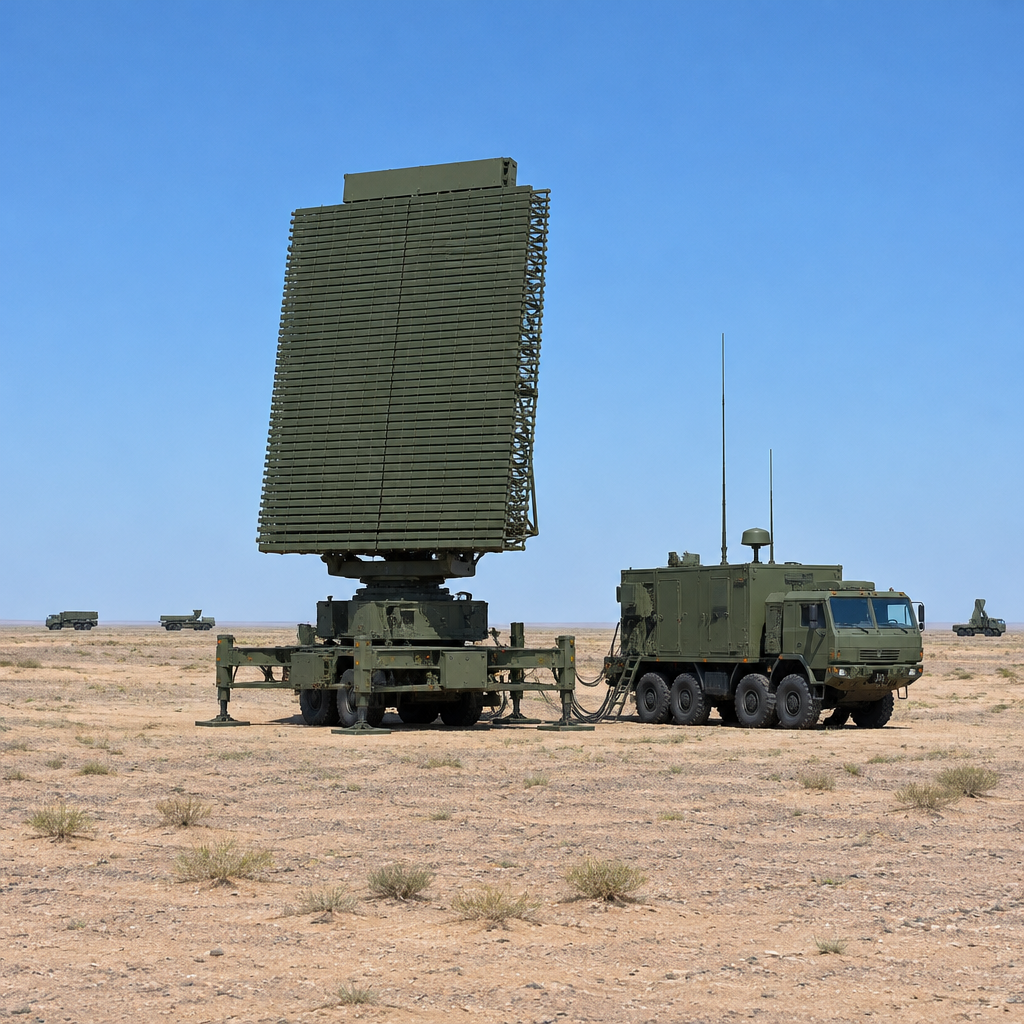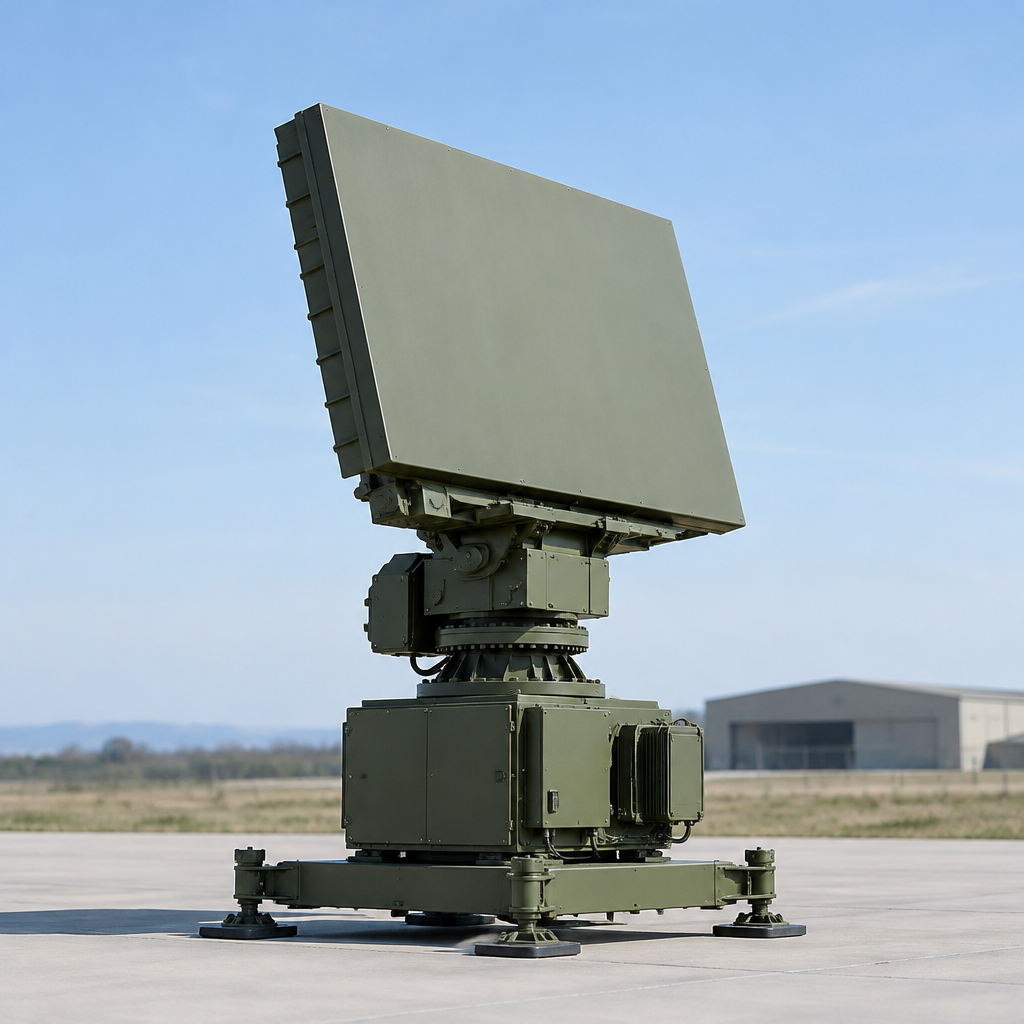
“As a wholly owned subsidiary of LeoLabs, FishEye will strengthen our ability to accelerate delivery of our next-generation radars optimized for missile warning and tracking, such as Scout‑X,” a LeoLabs spokesperson told Breaking Defense.
The deal: LeoLabs buys FishEye Software
Space-track company LeoLabs announced today that it has acquired FishEye Software. LeoLabs did not disclose the purchase price. The announcement presented FishEye as a wholly owned subsidiary that will be folded into LeoLabs’ effort to expand capability in missile warning and tracking radars.
Scout‑X: the capability at the center of the push
LeoLabs tied the acquisition explicitly to accelerating delivery of “next‑generation radars optimized for missile warning and tracking, such as Scout‑X.” Scout‑X is a highly mobile radar that debuted in June during U.S. Indo‑Pacific Command’s multinational Valiant Shield exercise. The system is containerized — it fits in a standard shipping container — and is described as able to detect both satellites and missiles flying at altitudes of about 230 to 1,000 kilometers (143 miles to 621 miles) above the Earth.

Audit-ready is a season. It shouldn't be.
Evidence in spreadsheets, controls drifting between audits, frameworks multiplying on flat headcount. Nubivance runs continuous compliance on Rapid7 Cyber GRC - SOC 2, HIPAA, ISO 27001, PCI, CMMC.
End the scrambleFishEye’s pedigree and Pentagon contract ties
FishEye Software, founded in 1997 and headquartered in Massachusetts, is presented in the announcement as having “decades of experience developing and integrating software for U.S. missile defense systems,” in the words of LeoLabs CEO Tony Frazier. The company is one of several thousand small firms selected last December for the Missile Defense Agency’s Scalable Homeland Innovative Enterprise Layered Defense (SHIELD) contract vehicle. That vehicle is described as worth up to $151 billion through 2035 and, in the company’s framing, supports the Trump administration’s Golden Dome initiative.
Financials and the missing purchase price
The LeoLabs statement withheld the acquisition price. Outside corporate research data cited in the announcement indicates FishEye’s revenue is projected to reach approximately $11.9 million this year, according to RocketReach. Beyond that revenue projection, the public record supplied with the acquisition notice does not disclose transaction terms.
How the Missile Defense Agency, U.S. Indo‑Pacific Command, and procurement leaders are affected
- Missile Defense Agency (MDA): FishEye is already on MDA’s SHIELD contract vehicle. The acquisition places FishEye’s software capabilities inside LeoLabs, a firm positioning itself to deliver “next‑generation radars” — a structural change MDA will see on contract rosters and in the marketplace for radar solutions covered by SHIELD.
- U.S. Indo‑Pacific Command: Scout‑X has a documented presence in the command’s multinational Valiant Shield exercise after its June debut. The acquisition could affect the pool of vendors and integrators available to support future exercises where Scout‑X or similar containerized radars are deployed.
- Procurement leaders and small‑business stakeholders: FishEye’s selection for the SHIELD vehicle and its projected $11.9 million revenue this year are concrete data points procurement officers will weigh alongside LeoLabs’ announcement that it intends to speed operational delivery of radar systems. The lack of a disclosed purchase price leaves open questions about scale, investment priorities, and consolidation among small firms on large defense contract vehicles.
What LeoLabs says it will do next — and what remains to be seen
LeoLabs framed the acquisition as an accelerant: the company said FishEye will “strengthen our ability to accelerate delivery” of missile‑warning and tracking radars and CEO Tony Frazier added that FishEye’s experience “will help us continue to adapt our proven radar technology for missile warning and tracking, and move those capabilities into operational use quickly.” What the announcement leaves unspecified is the timetable for integration, the operational fields where the combined teams will be deployed beyond the Scout‑X demonstrations, and the financial terms of the deal.
The acquisition brings together a small, decades‑old contractor already on a large MDA contract vehicle and a radar firm pushing containerized, dual‑use detection systems. The immediate, verifiable facts of the deal are straightforward; the practical effects — how rapidly Scout‑X or comparable radars will be fielded and under which authorities or exercises they will appear next — are the next items to watch as LeoLabs converts a purchased capability into deployed sensors.