"In a potential conflict over Taiwan Russia would provide China ‘support in matters of protecting state unity and territorial integrity’," Sergey Lavrov said in December 2025. That pledge, given Moscow's recent behaviour in the Western Pacific, frames the Nov. 17 sortie of two Russian bombers as more than a routine long-range flight: it is a calibrated signal of a deepening alignment with Beijing and a reminder that Moscow’s activities in the Indo‑Pacific are growing bolder.
The 17 November flight and the Da Nang touchpoint
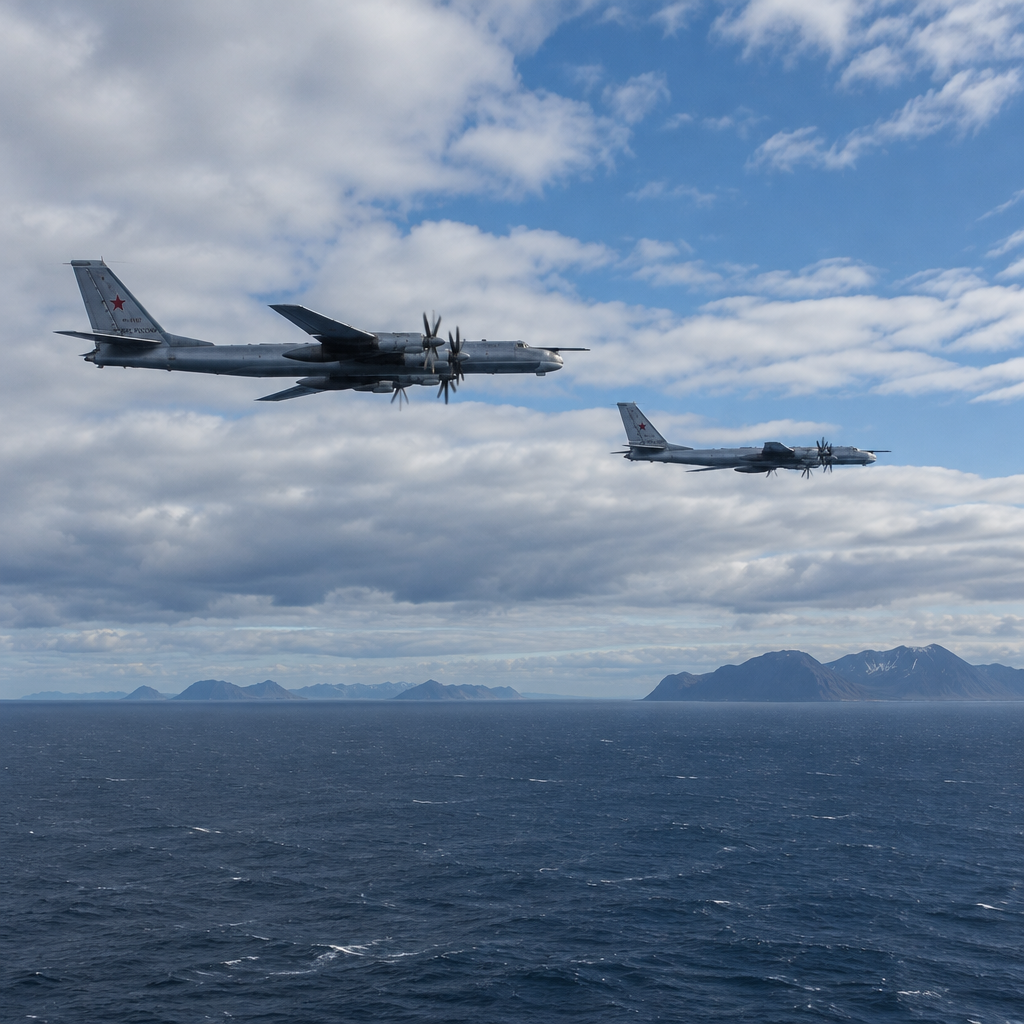
On 17 November, two Russian bombers — very likely Tu-95MS (Bear) nuclear-capable aircraft — conducted an East Asian excursion that entered the South Korean air defence identification zone (ADIZ), violated Japanese territorial airspace, and for the first time since 2010 entered the Taiwanese ADIZ. The same two aircraft landed that day at Da Nang in Vietnam, marking Russia’s first public bomber visit to Vietnam since 1993. Given that Russia is Vietnam’s biggest arms supplier, the visit doubled as a diplomatic and military signal: Moscow can probe US-aligned states while maintaining influence with sizable regional partners.
Escalating aerial patterns: Japan, Korea and Taiwan
The flight should not be seen in isolation. Aggressive Russian aerial activity around Japan — including breaches of its territorial airspace — has become increasingly common in recent years. Traversing the South Korean ADIZ is not, in itself, novel; that zone is mostly international airspace where a country asks approaching aircraft to report themselves. What makes the Nov. 17 sortie notable is the rarity of Russian entries into the Taiwanese ADIZ: this was only the second known occasion since the fall of the Soviet Union. The route taken was not required to reach Southeast Asia, suggesting the flight was deliberately escalatory.

This site is the portfolio.
OSINTSights runs on Cloudflare Workers, D1, R2, and Vectorize, with an AI pipeline on Hetzner ARM. Nubivance designed, built, and operates it. We do the same for clients.
See what we buildSignals from Moscow: Lavrov’s pledge and Putin’s August 2026 warning
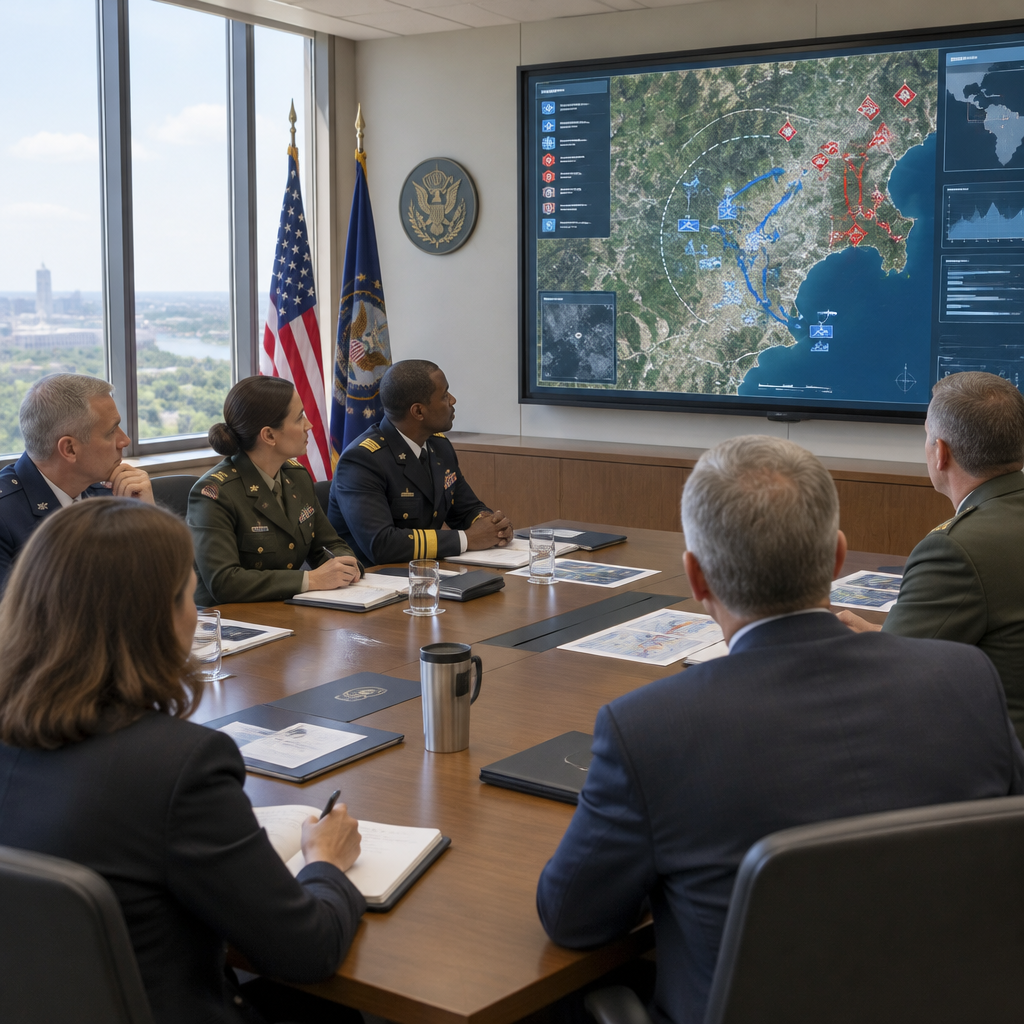
Lavrov’s December 2025 remark that Russia would provide China with “support in matters of protecting state unity and territorial integrity” reframes Moscow’s regional actions as doctrinal rather than ad hoc. That rhetorical commitment stands alongside other high-profile statements: in August 2026 President Vladimir Putin implied the Pacific Fleet stood ready to seize European countries’ commercial vessels in Asia in response to interdiction of Russia’s shadow fleet. Taken together with more frequent combined exercises with China, these signals point to Moscow positioning its forces and diplomatic posture to assist Chinese strategic aims in the Pacific.
Military and grey-zone options Moscow could employ
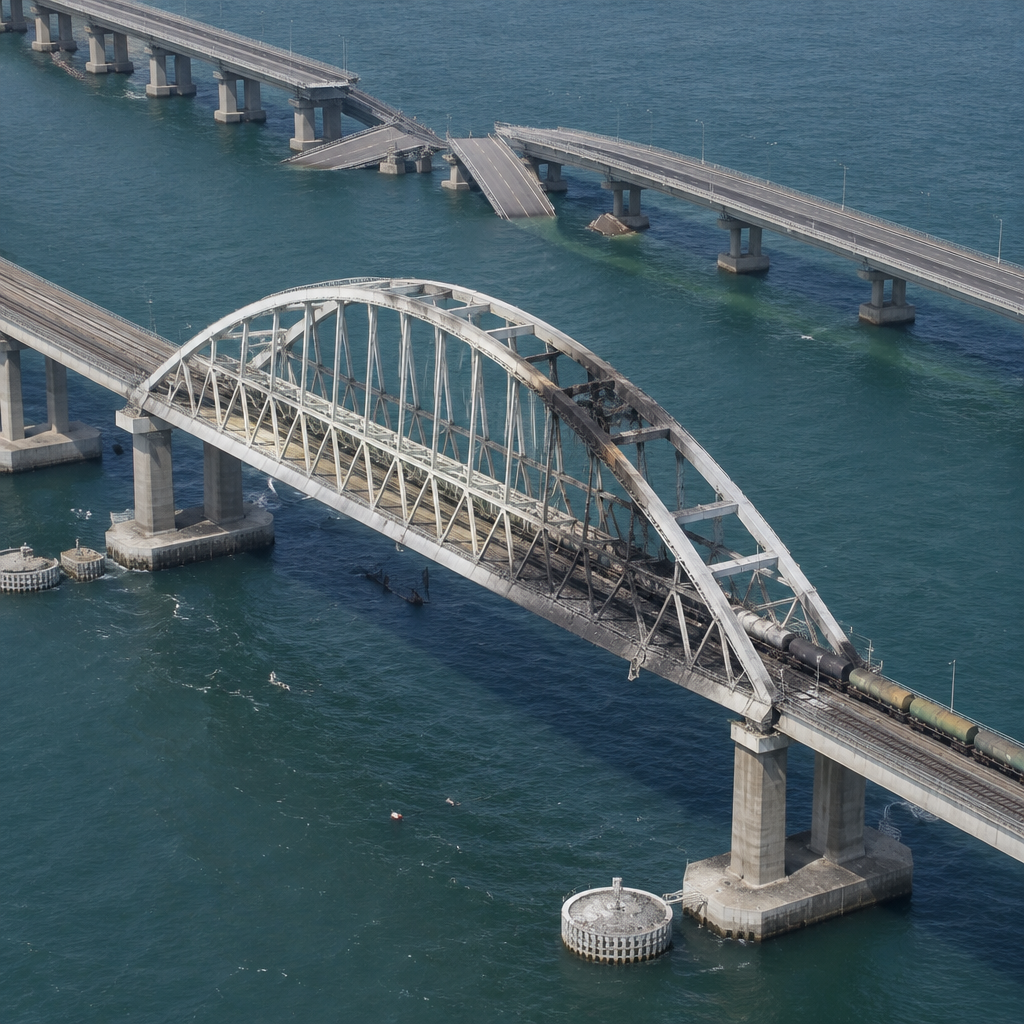
The author of an ASPI explainer outlined a range of options Moscow could use to complicate a Taiwan contingency. At the maximalist end, Russia could provide outright military support to Beijing: for example, employing the Pacific Fleet and its “sizeable submarine arm” to create asymmetric dilemmas for Japan and US forces stationed in the region. The article also explores grey‑zone activities — provocative acts below the threshold of war — that Russia could expand in the Indo‑Pacific. Examples cited include seizures of commercial vessels (a threat Putin referenced in August 2026) and disruptions to undersea infrastructure: multiple reports of Russia cutting submarine cables in the Baltic make similar operations in the Indo‑Pacific a plausible concern.
How Australia, Japan and US forces should respond
- Australia and its partners: The piece urges preparation for the expansion of Russia’s “inimical activity in the Pacific,” advising contingency planning for both overt military aid to China and subtler grey‑zone operations that would reshape regional dynamics.
- Japan: Japan should factor the pattern of territorial airspace breaches into its deterrence and air-defence planning, given that such violations have become more common and can be combined with other pressures in a crisis.
- United States forces stationed in the region: The possibility that Russia could use submarines and other assets to create asymmetric dilemmas means US forward forces should anticipate complex, multi-domain challenges rather than single-theatre crises.
Nov. 17’s flight is a compact act with wide implications: it reinforces a bilateral signal from Moscow to Beijing, demonstrates reach into contested airspace and regional ADIZes, and follows public statements that tie Russian support explicitly to a Taiwan contingency. Whether those signals remain posturing or become operational commitments depends on future coordination between Moscow and Beijing — and on whether Russia chooses to translate rhetoric into the kinds of naval and grey‑zone operations the article describes. For Australia and its partners, the prudent course the source urges is clear: prepare for plausible contingencies before they materialise.