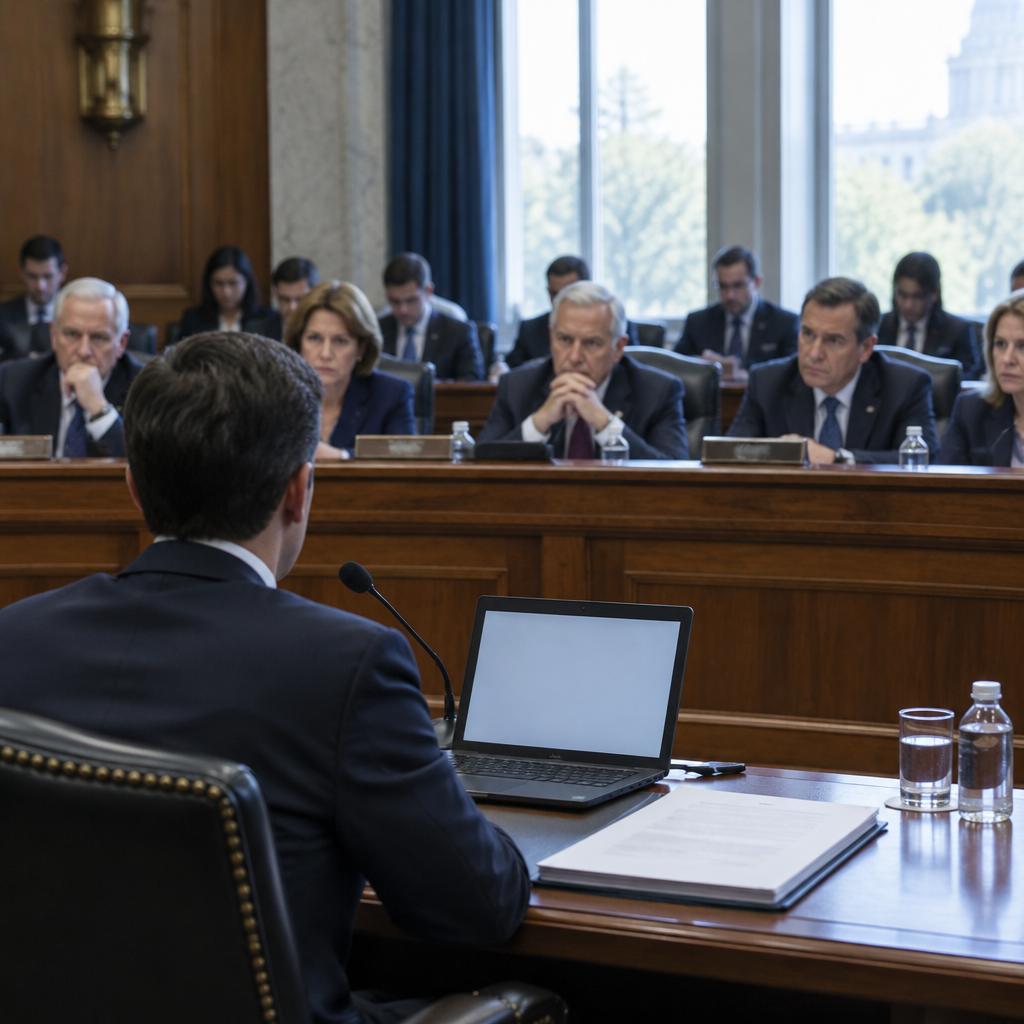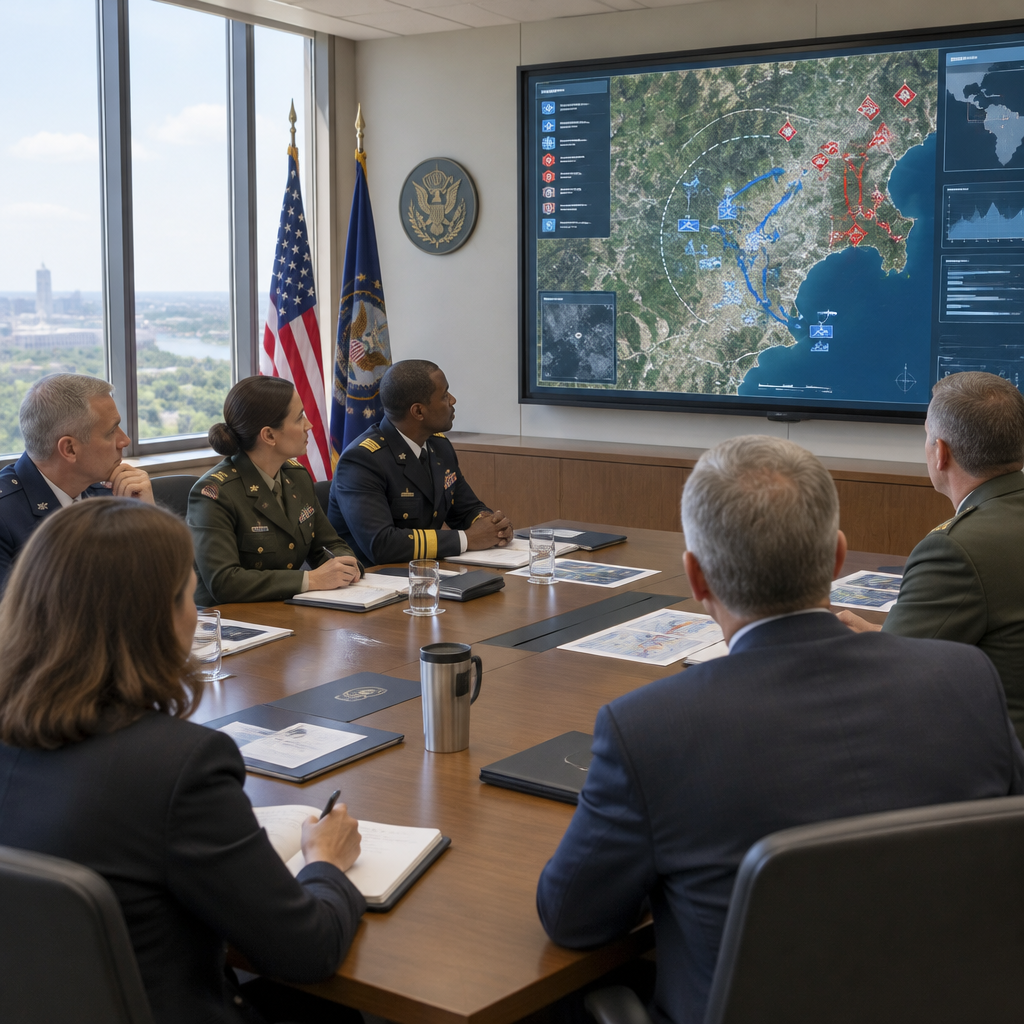
Militaries around the globe have been studying the Ukraine and Iran conflicts to learn about the impacts of missile technologies, drones and air defense systems.
Why Ukraine and Iran are focal points for study
The roundtable convened by Breaking Defense centered on a simple, explicit observation: armed forces and planners are closely watching the recent fighting in Ukraine and in Iran to extract operational lessons about missiles, drones and air defenses. The session framed those two conflicts as living case studies from which militaries hope to draw practical conclusions about effectiveness, vulnerabilities and force structure implications.
Missile technologies, drones and air defense systems: the explicit topics
The participants set the agenda around three technical areas named in the program: missile technologies, drones and air defense systems. Those three topics were presented as the core domains where observed performance in Ukraine and Iran is prompting re‑examination of tactics, procurement and deployment concepts. The roundtable placed the interaction among those categories — how missiles and drones stress air defenses and vice versa — at the center of the conversation.

Audit-ready is a season. It shouldn't be.
Evidence in spreadsheets, controls drifting between audits, frameworks multiplying on flat headcount. Nubivance runs continuous compliance on Rapid7 Cyber GRC - SOC 2, HIPAA, ISO 27001, PCI, CMMC.
End the scrambleBecca Wasser and Mark Cancian join Breaking Defense’s Aaron Mehta
Becca Wasser of Bloomberg Economics and Mark Cancian of the Center for International and Strategic Studies joined Breaking Defense Editor‑in‑Chief Aaron Mehta for the new roundtable video. The program brought together an economic analyst and a policy/strategy scholar with a defense editor to probe the practical lessons militaries can draw from recent combat experience. The format is a video roundtable intended to surface real‑world implications rather than abstract theorizing.
Every conflict is different, and every region has different needs
The conversation explicitly acknowledged a key constraint on generalizing lessons: "Every conflict is different, and every region has different needs." That maxim framed the roundtable’s treatment of transferability — the idea that what worked or failed in one theater may not map neatly onto another because of differing geography, threat sets and operational priorities. The remark anchored the discussion about how to judge which lessons are broadly applicable versus which are context‑specific.
What this means for militaries, policymakers, and analysts
- Militaries: The session underscored that armed forces worldwide are actively studying Ukraine and Iran to understand how missile and drone employment interacts with existing air defense architectures. Militaries, the panel suggested, will parse those cases to decide what capabilities to buy, how to organize air defenses, and how to train for integrated counter‑air operations.
- Policymakers: The roundtable highlighted the need for policymakers to weigh regional differences when translating lessons into procurement and doctrine. Because "every region has different needs," decisions about investment and policy cannot be one‑size‑fits‑all and will require careful, theater‑specific analysis.
- Analysts and media: Breaking Defense framed the event as part of an ongoing series. Analysts and reporters are positioned to follow and interrogate how lessons are selected, debated and communicated; the program explicitly invited viewers to "keep an eye on future episodes" and pointed them to "part one" for prior context.
The session did not promise tidy answers; instead, it put the emphasis on disciplined study and cautious application. By assembling an economist, a strategic‑studies expert, and an editor to examine missile, drone and air‑defense interactions, the roundtable sought to move the conversation from anecdote to comparative assessment while repeatedly circling back to the practical constraint that contexts differ.
For readers and practitioners alike, the immediate takeaway is procedural rather than prescriptive: observe, compare, and temper conclusions about transferability with regional realities. The roundtable invites continued scrutiny — and a check on whether subsequent episodes can bring more detailed, operationally specific insights that bridge the gaps the panel identified.