"Tomahawk is a critical capability for the warfighter, and meeting growing demand requires more capacity and a stronger, more resilient supply chain," Ursa Major President Jason Meredith said in a press release announcing a new production partnership for the cruise missile's solid rocket motor.
Raytheon selects Ursa Major and Avio USA as strategic partners
RTX’s Raytheon has chosen startup Ursa Major and Avio USA, the American arm of the Italian firm Avio, to jointly produce the solid rocket motor used in the Navy’s Tomahawk cruise missile, the company said in a Wednesday press release. Raytheon characterized the arrangement as a "multi‑year program" and named the two firms "strategic partners," but the statement did not disclose specific timelines or dollar values.
Where the solid motor sits in Tomahawk flight and demand drivers
The Tomahawk uses a solid rocket motor for its initial stages of flight; that motor is jettisoned after startup and a turbofan engine carries the weapon to its target. The missile's ability to fly low and strike with precision has kept it in demand. Solid rocket motors, broadly, have seen rising demand in recent years amid conflicts cited in the release — the war in Ukraine and conflict in the Middle East — and because U.S. munitions production plans are being scaled up.

This site is the portfolio.
OSINTSights runs on Cloudflare Workers, D1, R2, and Vectorize, with an AI pipeline on Hetzner ARM. Nubivance designed, built, and operates it. We do the same for clients.
See what we buildProduction scale, prior contract, and budget politics
In August, the Navy awarded Raytheon a $22.9 billion multi‑year deal intended to scale Tomahawk output to 1,000 rounds annually. The press release frames the Ursa Major–Avio USA partnership as part of meeting that growing demand, but production expansions face funding constraints at the federal level. The Trump administration planned its fiscal 2027 budget around a $1.1 trillion base and placed a $350 billion reconciliation bill at the center of its funding strategy; that reconciliation bill has been "flatly rejected by top congressional Republicans," the release says, although outgoing House Armed Services Chairman Mike Rogers has floated a slimmed down $100 billion version.
Senate appropriators, meanwhile, recently unveiled a proposed budget that folds reconciliation priorities into appropriations measures to fund programs including Tomahawk — signaling one possible path to financing the production increases Raytheon and its new partners are preparing to undertake.
Avio USA’s Virginia plant and the rise of new entrants
Both new Tomahawk suppliers are relatively recent entrants to production roles in the U.S. market. Ursa Major, founded in 2015, has won Pentagon contracts for missiles and established itself as a military supplier. Avio opened its U.S. office in 2022 and has since won deals for American missile production; Avio USA CEO James Syring called the selection alongside Ursa Major "a significant step forward" for his company's forthcoming production plant in southern Virginia. The release also notes the broader market interest in Avio: a related item in the outlet’s coverage references a $2 billion bid by ICEYE for Italian rocket firm Avio.
What this means for the Navy, Ursa Major, and Congress
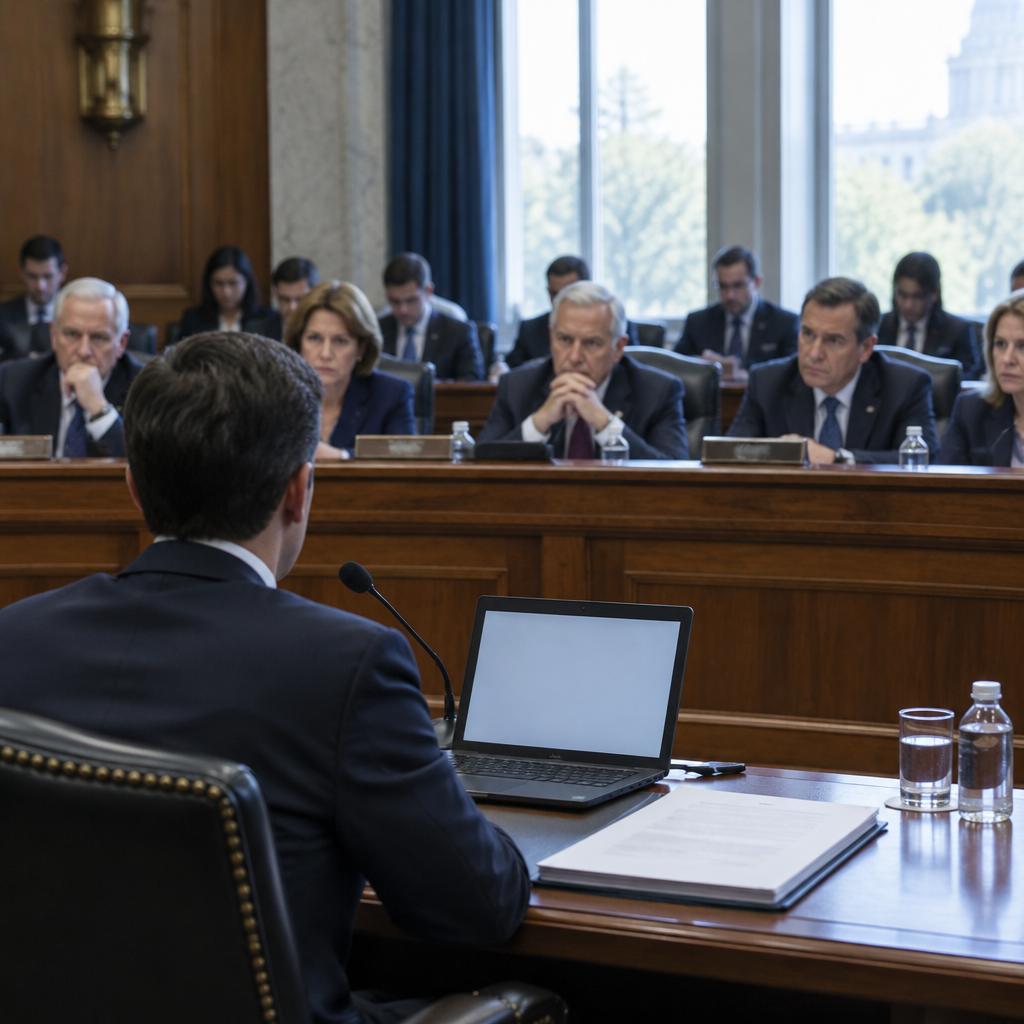
- The Navy: The partnership aims to create "additional reliable sources" of solid rocket motors to meet the Navy's expanded Tomahawk requirement and reduce reliance on a single supplier, an objective tied to operational concerns cited in the release. Acting Navy Secretary Hung Cao recently testified that the Navy had resorted to using expired copies of Tomahawk in combat, an acute operational signal driving urgency.
- Ursa Major and Avio USA: Both firms stand to increase manufacturing footprints and scale production capacity. Ursa Major emphasized complementary capabilities with Avio USA while Avio highlighted its southern Virginia plant as central to the work ahead.
- Congress and appropriators: Scaling to 1,000 rounds annually under the August $22.9 billion award depends on appropriation choices. The Administration's reconciliation‑dependent budget plans and the split in congressional views mean funding remains a critical variable that could accelerate or constrain the program.
The announcement signals a deliberate move to diversify suppliers for a weapon system the Pentagon and Navy expect to need in larger quantities. Raytheon’s naming of Ursa Major and Avio USA as strategic partners addresses a specific manufacturing choke point — the solid rocket motor — but the companies’ success in expanding output will hinge on concrete contracts, disclosed timelines, and, crucially, the final shape of federal funding. For now, the public record is a mix of bold production goals, newly forged supplier relationships, and budget uncertainty that will determine whether capacity keeps pace with the demand the Tomahawk currently faces.