"since the conditions did not exist to destroy the drone without it heightening [the] risk of endangering civilian safety," Romanian President Nicosur Dan wrote on X after a Russian-origin drone crashed into an apartment building in Galați overnight, injuring at least two civilians.
What happened in Galați
A drone described by Romanian officials as being of Russian origin and “in the bombing of infrastructure in Ukraine” struck civilian infrastructure in the city of Galați late Thursday night, according to a statement by Romanian Minister of Foreign Affairs Toiu Oana on X. Romanian authorities say the munition crashed into a residential building — a first, they add, for a stray munition directly striking a residential area in the country — and that at least two civilians were injured.
Romania’s military response and rules of engagement
Romania deployed two F-16 fighter jets and an IAR 330 SOCAT helicopter when the drone was detected on radar, and the pilots “had authorization to engage targets throughout the alert,” the Romanian Ministry of Defense said. The pilots were operating with permission to shoot, the MoD stated, but President Dan clarified the aircraft did not fire because commanders judged that engagement “would heighten [the] risk of endangering civilian safety.”
The MoD also told Breaking Defense that Romania’s chief of defense spoke with the commander of US Army Europe and Africa late Thursday, requesting the deployment of additional capabilities to further secure Romanian airspace.

This site is the portfolio.
OSINTSights runs on Cloudflare Workers, D1, R2, and Vectorize, with an AI pipeline on Hetzner ARM. Nubivance designed, built, and operates it. We do the same for clients.
See what we buildAllied requests, anti-drone capabilities, and sanctions
Romania requested that allied anti-drone capabilities be deployed to its territory to bolster its defenses and NATO’s eastern flank, the MoD said. The country has “recently joined forces with the US to gain fast-tracked access and procurement of counter-drone systems such as sensors and electronic warfare,” the report notes.
European Union Commission President Ursula von der Leyen said the bloc was preparing the 21st package of sanctions against Russia in response to the incident. NATO Secretary General Mark Rutte condemned the attack on Romania on X and pledged to “enhance our readiness to deter and defend against any threat, including from drones,” adding that “last night showed yet again that the implications of their [Russia’s] illegal war of aggression don’t stop at the border.” Russian officials have yet to comment on the incident.
Operational constraint: intercepting drones over populated areas
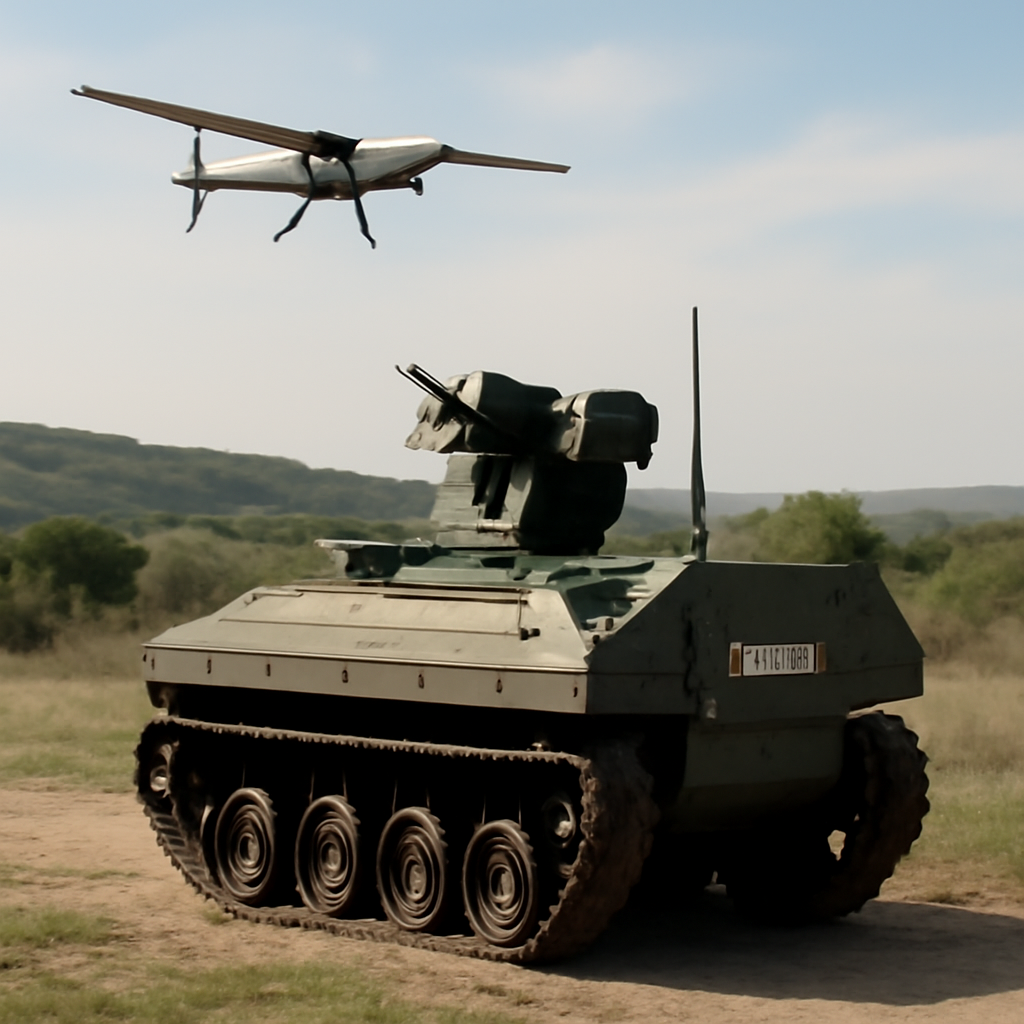
The event in Galați highlights a tactical constraint cited by Romanian officials and observers: the difficulty of intercepting and shooting down hostile drones when they fly over densely populated areas. The source report references lessons from the Iran war, noting that while Gulf countries reported “high interception and neutralization rates,” interception in cities can carry high risk because one successful shoot-down can cause significant collateral damage — a problem noted in cases such as Dubai and Doha.
Romanian authorities have opened an investigation to determine the exact weapon type and trajectory of the drone. President Dan said “there is no ambiguity regarding the perpetrator or the cause of such aggression,” while investigators work to confirm technical details.
How Romania, NATO, and civilians are responding
- Romania: Requested allied anti-drone capabilities and spoken with US Army Europe and Africa leadership to bring additional assets into Romanian airspace; has pilots authorized to engage but exercised restraint to avoid civilian harm.
- NATO and the EU: NATO’s leader pledged enhanced readiness to deter and defend against drone threats, and the European Commission is preparing a new, 21st sanctions package against Russia in response to the strike.
- Civilians and local responders: Two civilians were reported injured; Romanian authorities are conducting an investigation into the weapon type and trajectory while managing immediate safety and recovery concerns in a residential area.
This incident places a sharp, concrete question before Romania and its allies: how to balance the immediate imperative of defending airspace with the clear danger of creating additional civilian harm when intercepting airborne threats over populated neighborhoods. The Romanian government has moved to accelerate procurement of counter-drone sensors and electronic-warfare tools and has sought allied deployments, while Brussels and NATO have signaled political and sanctions responses. Investigations continue, and Russian officials have not issued a comment.