"Came across two old PLA propaganda photos, decided to do some forensic anthropology to see when and where those two were taken," the blog post begins — and then lays out the clues that lead to a focused dating and localization of the images.
The Type 56 85 mm anti‑tank gun: provenance and operational footprint
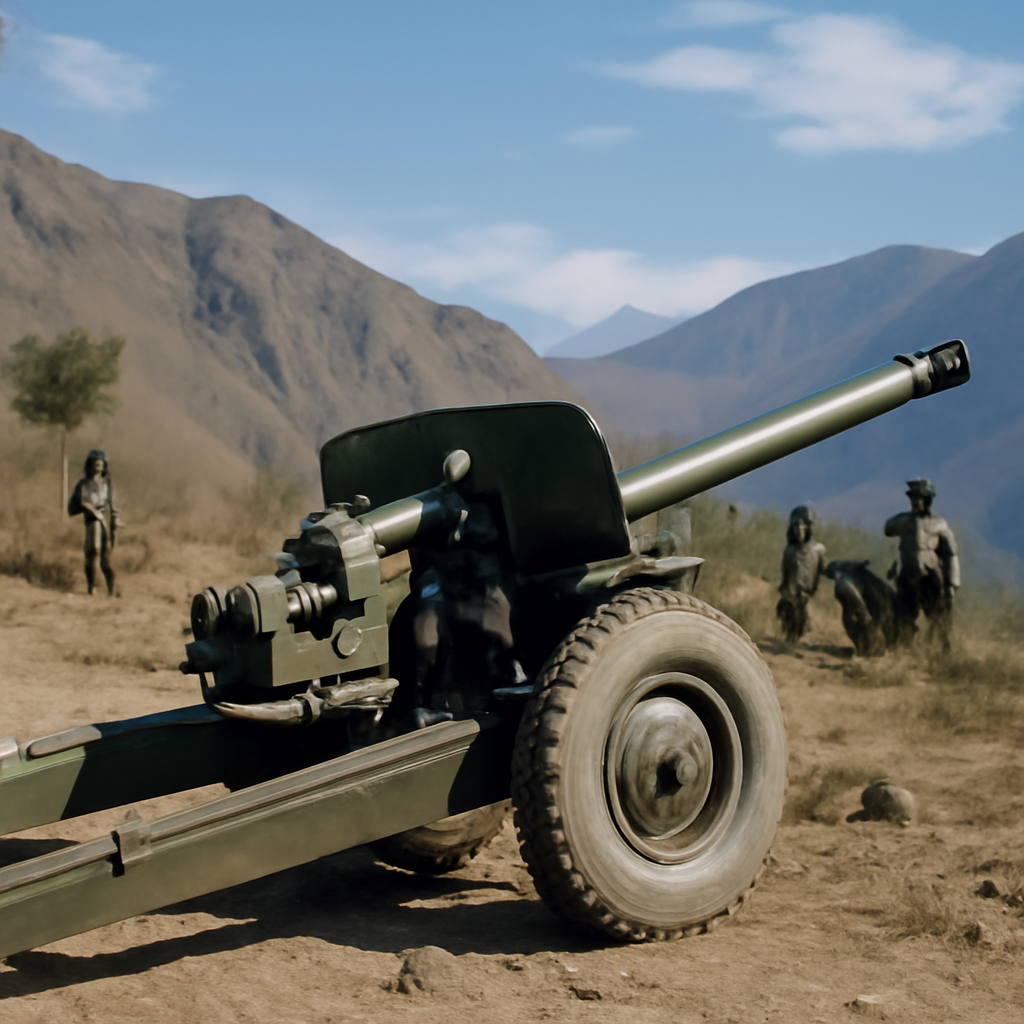
The photographs center on a Type 56 85 mm anti‑tank gun — China’s clone of the Soviet D‑44 divisional gun. According to the post, production at Factory 247 began in 1956 and eventually topped 11,000 units. For decades, the gun was a standard divisional asset: every PLA infantry division carried a full battalion of Type 56 85 mm guns, defined in the post as 18 guns per division. The weapon’s operational record, as enumerated in the source, ranges from the 1958 Kinmen artillery duels to the 1969 Sino‑Soviet border clashes and the 1979 Sino‑Vietnam War, and it is credited with service in essentially every border skirmish with Vietnam thereafter.
GK80 steel helmets and summer uniforms: a timestamped wardrobe
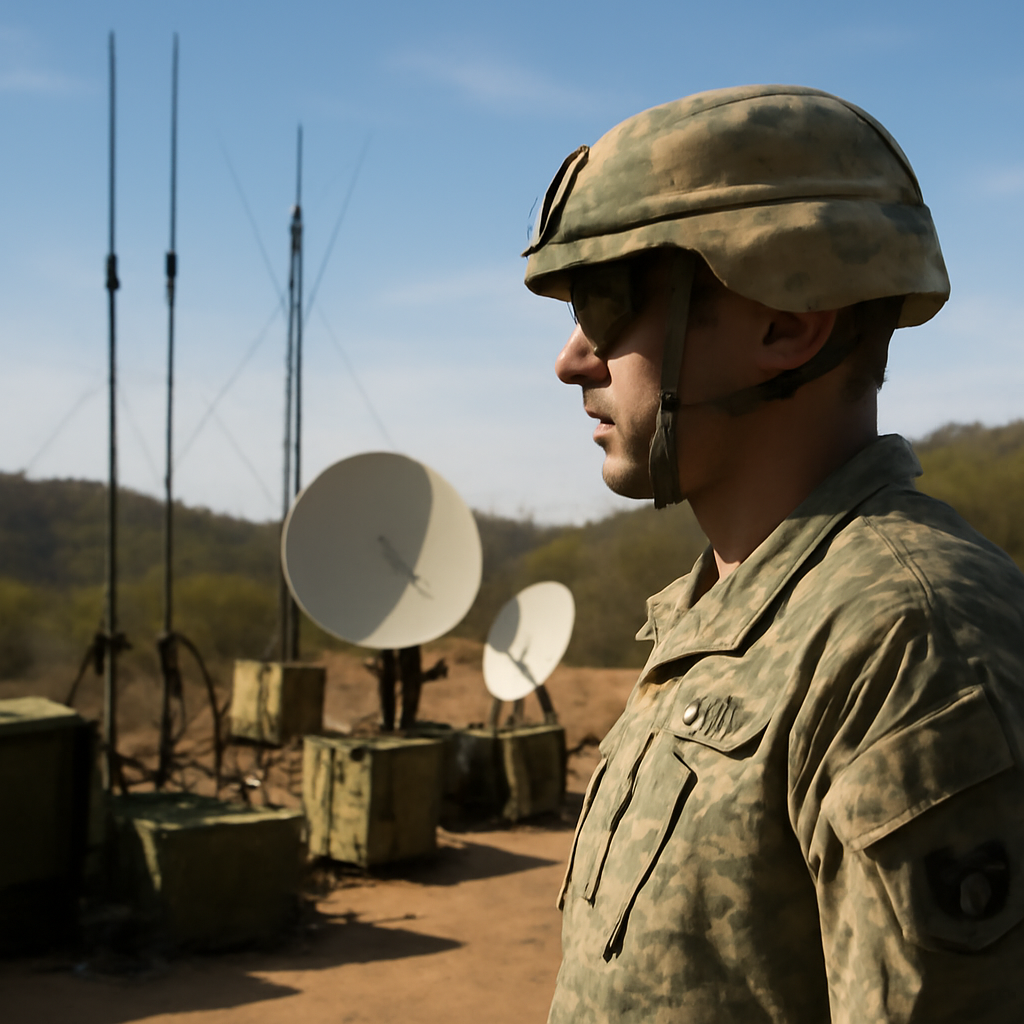
One of the clearest dating signals in the photos is headgear. The GK80 steel helmet, the post notes, was rushed into production for the 1979 Sino‑Vietnam War and did not become common until the early 1980s. By that time, border defense units and infantry regiments in Yunnan and Guangxi were wearing GK80 helmets widely. The soldiers in the images are also in summer cotton uniforms — a visual consistent with border service in hot, low‑elevation areas. Taken together, helmet model and climate‑appropriate dress narrow the likely timeframe toward the years after 1979 and into the early 1980s.

Audit-ready is a season. It shouldn't be.
Evidence in spreadsheets, controls drifting between audits, frameworks multiplying on flat headcount. Nubivance runs continuous compliance on Rapid7 Cyber GRC - SOC 2, HIPAA, ISO 27001, PCI, CMMC.
End the scrambleNo leggings, new uniform series: the significance of what’s missing
Equally telling is what the photographs lack: the traditional PLA puttees, or leg wraps. The post underlines that these leg wraps — with a lineage stretching back to Qin Dynasty terracotta soldiers and still present during the 1979 Sino‑Vietnam War — were visible in earlier wartime images. Their disappearance in the photos aligns, the source argues, with the PLA’s rollout of the Type 85 and Type 87 uniform series. That change signals a mid‑1980s or later date for the images because the practice of wearing puttees "only died out" after those uniform series were introduced.
Type 56‑1 under‑folder rifles: distribution patterns point to border units
The small arms visible in the photos further refine the picture. The post identifies many rifles as the Type 56‑1 — the milled‑receiver, under‑folding stock variant that the PLA often described as a "Type 56 submachine gun." Before and during the 1979 conflict, the blog notes, squad leaders usually carried the Type 56‑1 while rank‑and‑file soldiers used SKS‑based Type 56 rifles. In the images under analysis, most men appear to have the under‑folder variant. The post interprets that distribution as consistent with the early–mid 1980s pattern of wide issuance of Type 56‑1s in border units, especially in Yunnan and Guangxi.
Putting the clues together: summer towing and a mid‑1980s Sino‑Vietnam border setting
The final element the post emphasizes is situational: soldiers in summer uniforms physically towing a 1.7‑ton Type 56 85 mm gun up a slope. That scene, the author writes, fits the profile of PLA border defense work in the 1980s — hot weather, rugged terrain, and conscripts manoeuvring heavy divisional artillery by manpower. Weighing the helmet model, the absence of leg wraps, the prevalence of Type 56‑1 rifles, and the summertime towing of a 1.7‑ton gun, the post’s conclusion is explicit and concise: these photos were almost certainly taken in the mid‑1980s near the Sino‑Vietnam border.
What this means for border defense units, military historians, and photographic analysts
- Border defense units and infantry regiments: The images underscore a transition period in equipment and uniform issuance — GK80 helmets and Type 56‑1 rifles becoming common while puttees were phased out with the adoption of Type 85/87 uniforms.
- Military historians and regional analysts: The combination of weapons, headgear, and uniform details provides a convergent timestamp — mid‑1980s — and a probable geographic focus on the Sino‑Vietnam border regions of Yunnan and Guangxi.
- Photographic analysts and open‑source researchers: The post demonstrates a practical methodology: correlate weapons model, helmet issuance dates, clothing features (including the absence of older equipment like leg wraps), and activity (here, towing a 1.7‑ton gun) to narrow date and location for undated propaganda images.
The blog post’s short forensic exercise is a tidy example of visual OSINT: a handful of equipment indicators, read together, yield a specific time and place. In this case, the apparatus of a mid‑century divisional gun, a helmet rushed into service in 1979, the decline of a 2,000‑year clothing tradition, and the spread of an under‑folder rifle converge on a single, plausible conclusion — mid‑1980s, near the Sino‑Vietnam border. For those who study material culture as a record of policy and practice, the photograph is more than propaganda; it is a dated inventory of how an army looked and moved at a particular moment in time.