“If we field cutting-edge compute and advanced software applications, but retain rigid, multi-layered bureaucracies requiring hours to authorize time-sensitive engagements, then we've negated our technological overmatch,” Lt. Gen. George Rowell, deputy commander of INDOPACOM, told attendees at TechNet Indo-Pacific in Honolulu.
Lt. Gen. George Rowell: allies and partners as the strategic center of gravity
Rowell framed the issue plainly: America’s advantage in the Indo-Pacific is not a single weapon or platform but “America's network of capable allies and partners.” He called that network the command’s “strategic center of gravity,” and warned that slow, bureaucratic procedures can erase the operational benefits of advanced compute and software. The implication, presented at TechNet Indo-Pacific, is that speed of authorization and interoperability are as important as the hardware and code the U.S. fields.
DISA Pacific: migrating to a data‑centric, zero‑trust environment
Col. Michael Hlad, who leads the Defense Information Systems Agency’s regional field command in the Pacific, described an explicit transition in progress: “We are migrating to a data-centric environment, helping our partners understand what does it mean to be zero trust? What are the key items that we need to agree on, let's say, from an identity standpoint, a data standardization standpoint?”
Hlad’s remarks put data, identity and standards at the center of interoperability work. He warned that achieving a coalition-capable digital environment requires mutual agreement on those fundamentals—identity management, data formats and the basic rules for sharing—rather than ad hoc, bilateral solutions.

Audit-ready is a season. It shouldn't be.
Evidence in spreadsheets, controls drifting between audits, frameworks multiplying on flat headcount. Nubivance runs continuous compliance on Rapid7 Cyber GRC - SOC 2, HIPAA, ISO 27001, PCI, CMMC.
End the scramblePacific Mission Partner Network: consolidation and field testing
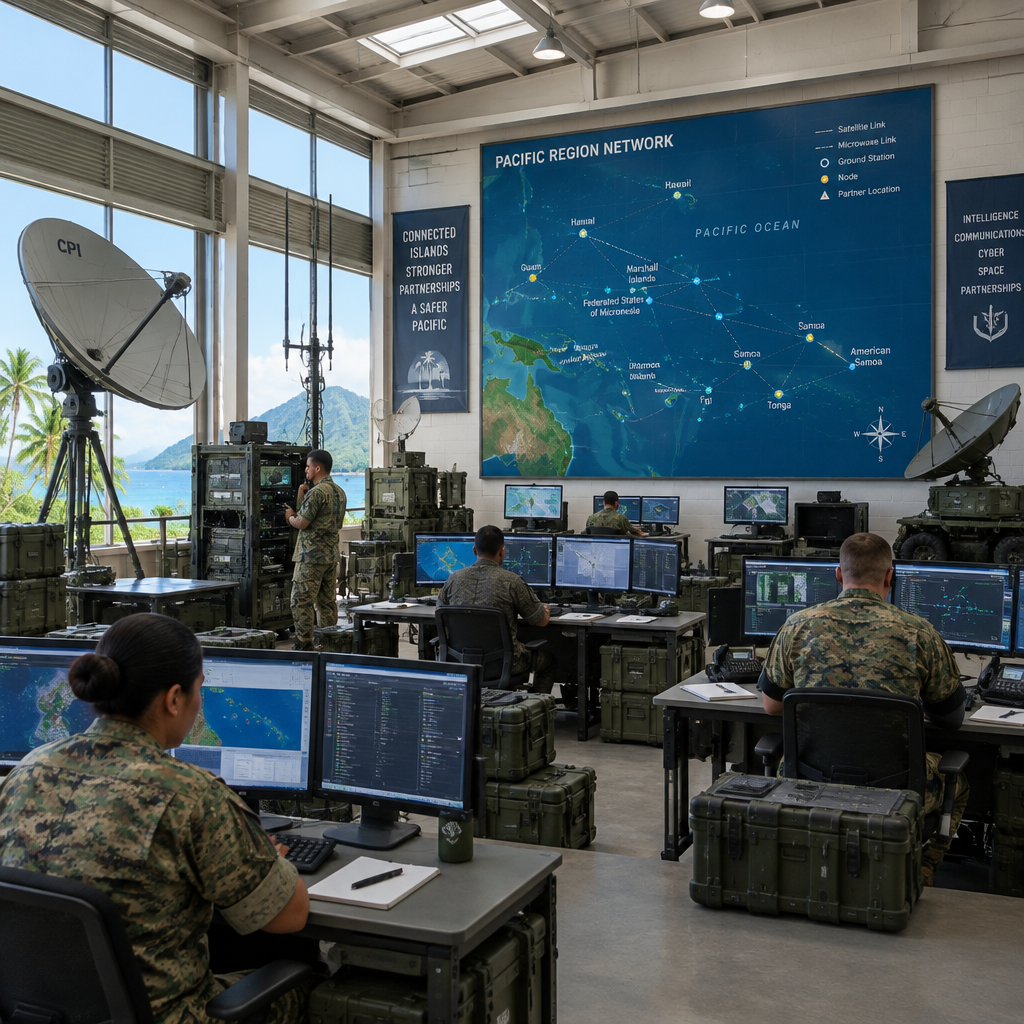
The command recently rolled out the Pacific mission partner network, described in the event as a unified version of previously bespoke networks built for individual allied or partner nations. Throughout the year, the command has tested that unified network in military exercises. According to the briefing, the tests have shown progress: the network has allowed better coordination and cut down on the number of devices users must toggle between.
Yet the effort has not eliminated problems. The reporting stressed that “there are still gaps that need to be addressed to improve communications with allies and partners,” underscoring that deployment and testing are steps in a longer, iterative process rather than a finished solution.
Regional Network Operations Security Center Pacific: resilience, services, and a personnel increase
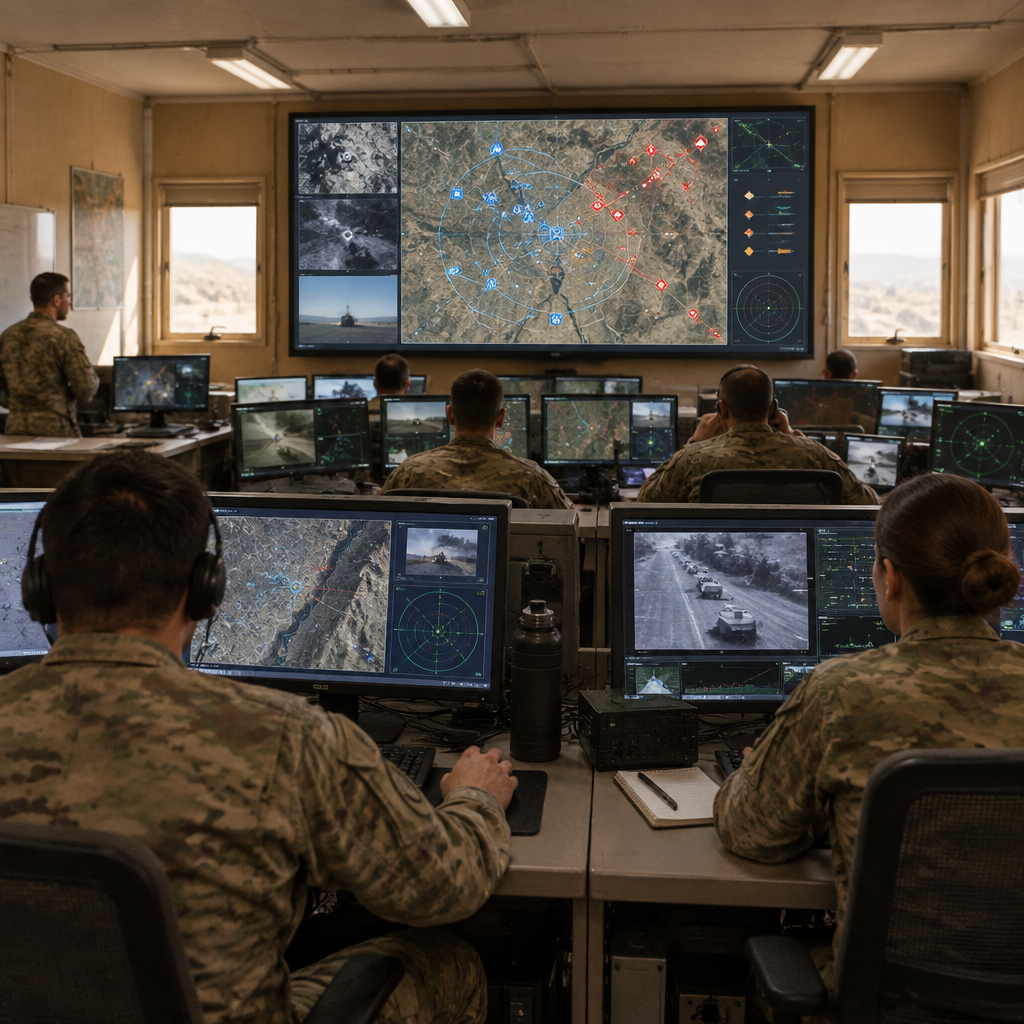
To shore up connectivity and operational support, DISA Pacific unveiled the Regional Network Operations Security Center Pacific. Hlad described it as “an enhanced [network operations center]. That's an enhanced [security operations center]. That's a regional service support desk, and that's some data fusion capabilities that were not resident in this theater to synchronize.”
The center is explicitly aimed at responding to connectivity challenges that arise in the theater, such as when undersea cables fail or when operations face electromagnetic spectrum or application disruptions. Hlad said the center has produced a 20 percent personnel increase to help solve those connectivity problems, and that its capabilities are intended to bring critical feeds and data closer to the “operational need.”
What this means for INDOPACOM, allied partners, and DISA Pacific
- INDOPACOM: The command is prioritizing speed and shared access. Rowell’s comments indicate the headquarters wants authorization processes and operational procedures to move faster so advanced systems retain their value in joint operations.
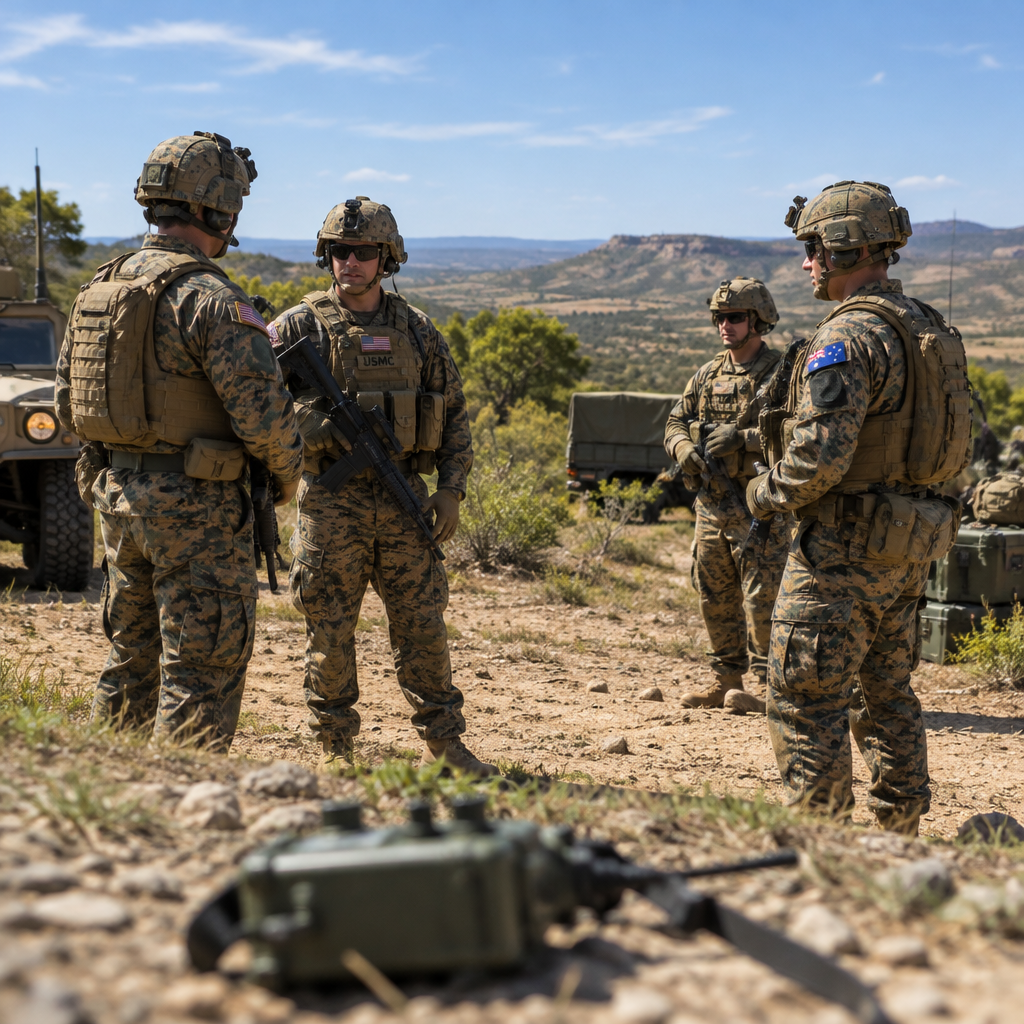
- Allied and partner nations (including “Five Eye partners”): The Pacific mission partner network and DISA’s push for standardization aim to fold like-minded nations into a common environment, but Hlad noted differing levels of technological alignment and emphasized the need for a malleable architecture that can add partners without becoming brittle.
- DISA Pacific: The agency is focused on both platform consolidation and resilience—migrating to data-centric and zero‑trust models, standing up the Regional Network Operations Security Center Pacific, and increasing personnel to meet theater demands.
Two themes recur in the officials’ remarks: first, that technical capability alone does not guarantee advantage if governance and authorization lag; second, that standardization—of identity, data formats and architecture—is the necessary precondition for a wider, more agile coalition. As Col. Hlad put it bluntly: “This only works if we get the data right. And we are still siloed.”
The Pentagon’s regional IT agency has deployed new tools and a regional operations center and is testing a unified partner network, but the officials who spoke at TechNet Indo-Pacific left a clear line of work ahead: agree on standards, accelerate decision timelines, and build transport resilience so that when critical feeds matter most, they arrive where the warfighter needs them.