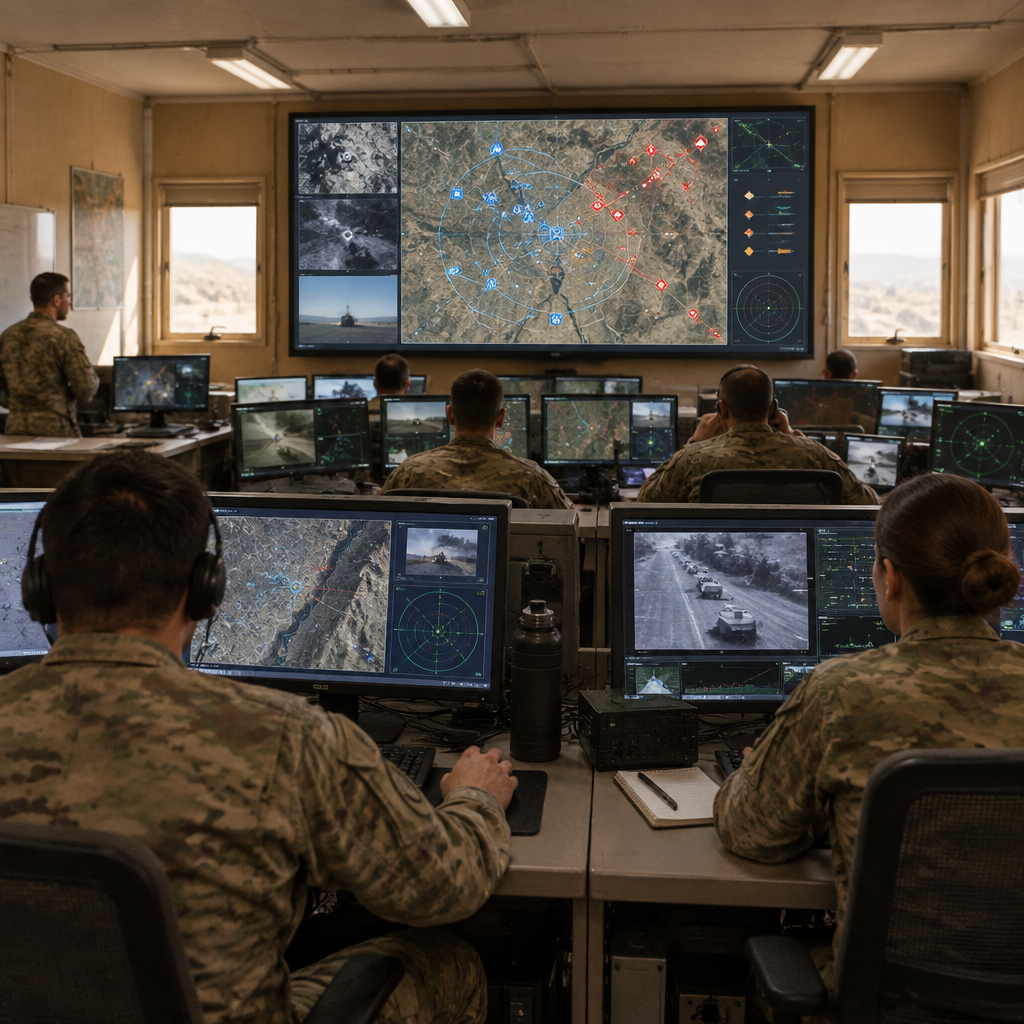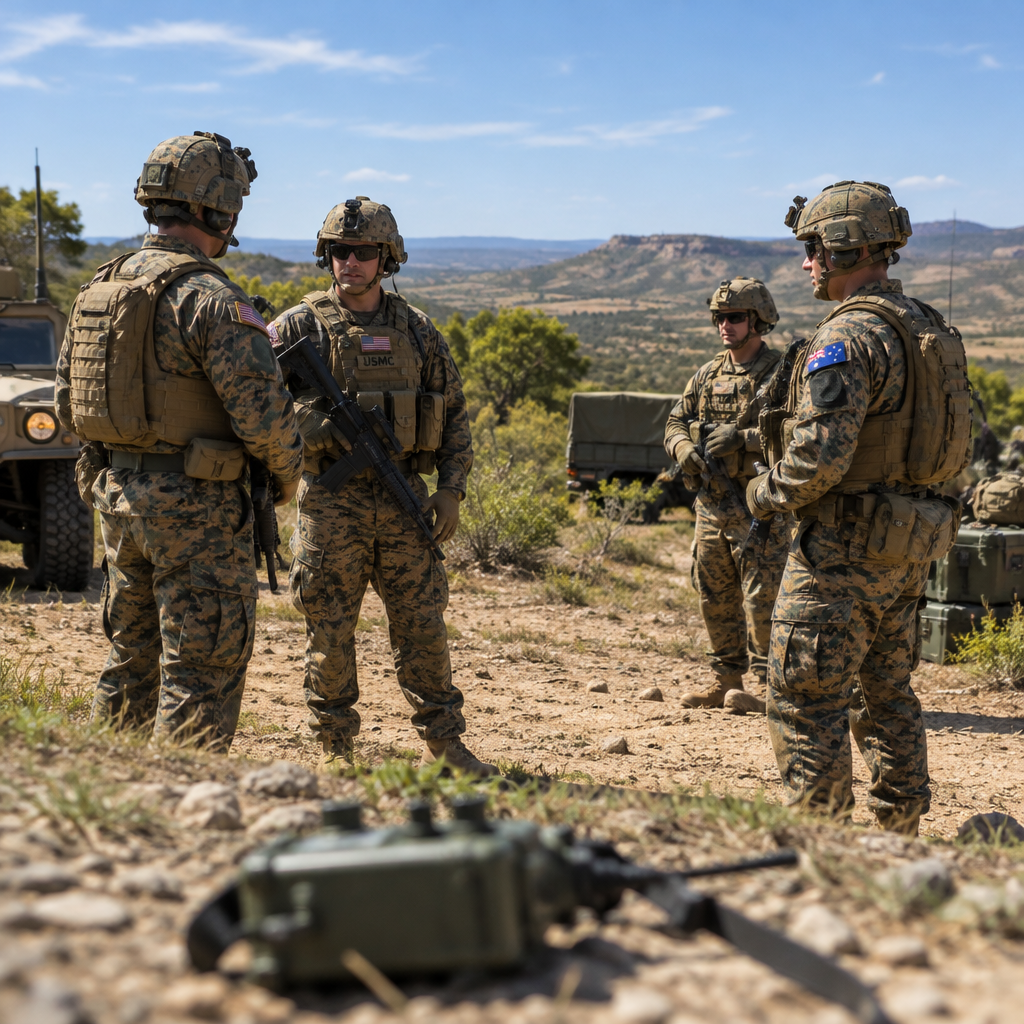
For the first time in the program’s 14‑year history, an MRF‑D rotation was certified as a Special Purpose Marine Air‑Ground Task Force, validating “its ability to integrate command, ground combat, aviation and logistics capabilities for crisis response.”
15th Marine Rotational Force‑Darwin: a new baseline of capability
After six months of training across Australia and the Indo‑Pacific, the US 15th Marine Rotational Force‑Darwin (MRF‑D) deployment concluded on 23 October. Its certification as a Special Purpose Marine Air‑Ground Task Force marks a practical shift: rotations are no longer only exercises in interoperability, they are being validated as integrated crisis‑response units. The US Marine Corps is already preparing the 16th rotation to the Northern Territory in early 2027, and the logistics arrangements that support the force must now match that operational ambition.
CoLSME pre‑positioning at Bandiana and the limits of forward stock
The Combined Logistics Sustainment and Maintenance Enterprise (CoLSME) is the logistics pillar of the US Force Posture Initiative that sits alongside MRF‑D. Under CoLSME, US Army vehicles and equipment are stored at Bandiana in Victoria; the stock was reported in 2023 as around 330 vehicles and trailers plus 130 containers. The presence of materiel in Australia demonstrably adds value, but pre‑positioning alone does not automatically translate into operational reach — the ability to access and move that kit is the decisive factor.

The cyber insurance questionnaire just landed. Now what?
SOC 2, HIPAA, insurance renewals - someone has to own security strategy. Nubivance provides fractional CISO leadership without the full-time salary.
Get a security leadRoad, air and rail: transport examples that reveal vulnerabilities
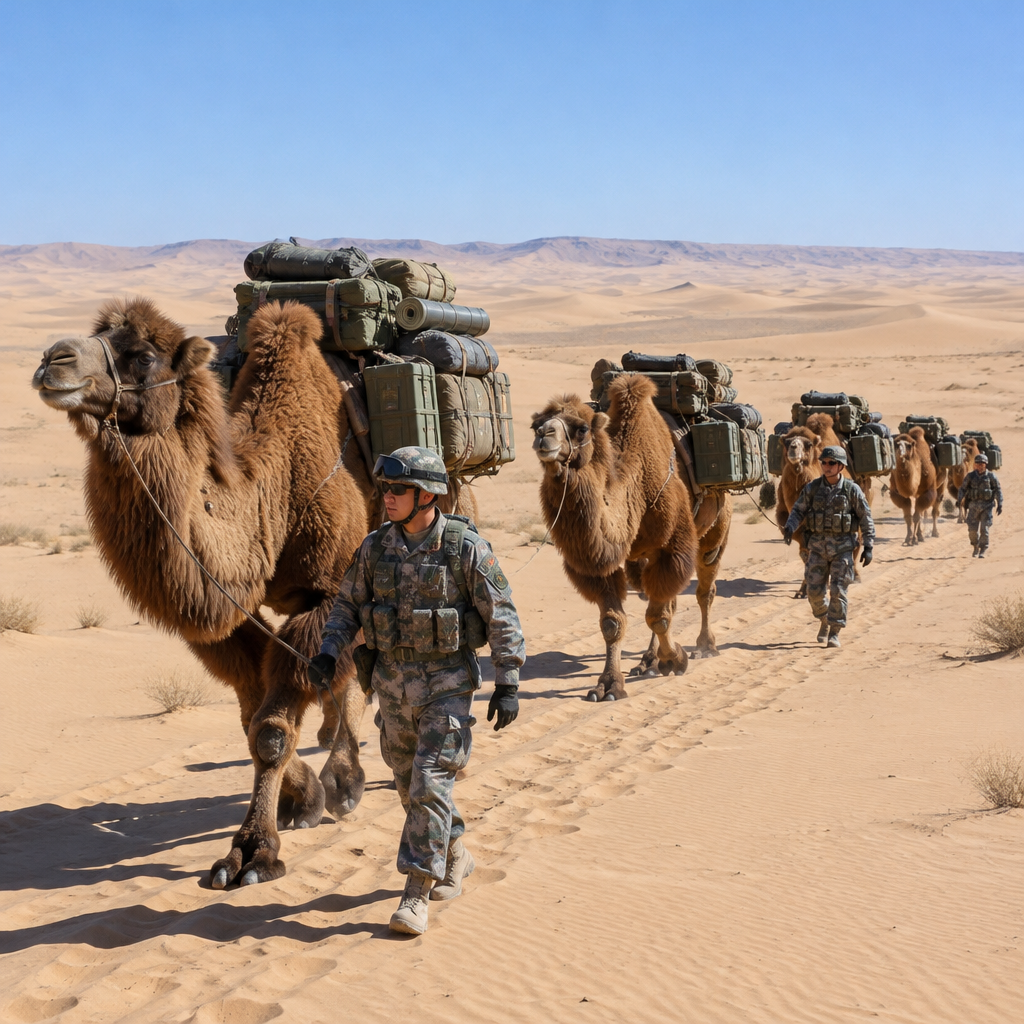
Recent exercises exposed the practical constraints of moving heavy equipment across an island continent. In Exercise Operose in 2024 some pre‑positioned equipment was driven by road to Darwin — a journey of approximately 3,800 km that could take a convoy around 10 days, depending on vehicles, route and movement arrangements. Military convoys move much more slowly than commercial trucks because of required stops and restrictions.
The 2024 Rapid Deployment Exercise showed an alternative: US Marine Corps LAV‑25 armoured reconnaissance vehicles were flown from the US to RAAF Base Edinburgh in Adelaide, then moved north by commercial rail. Rail transport is efficient for heavy kit, but the Adelaide–Darwin route still spans thousands of kilometres and remains dependent on the availability of the rail line, terminals and onward transport. These case studies underline a broader distribution vulnerability: peacetime capacity to move materiel does not guarantee the redundancy or flexibility required in a contingency.
Retaining MV‑22B Ospreys in Darwin: sustainment and access
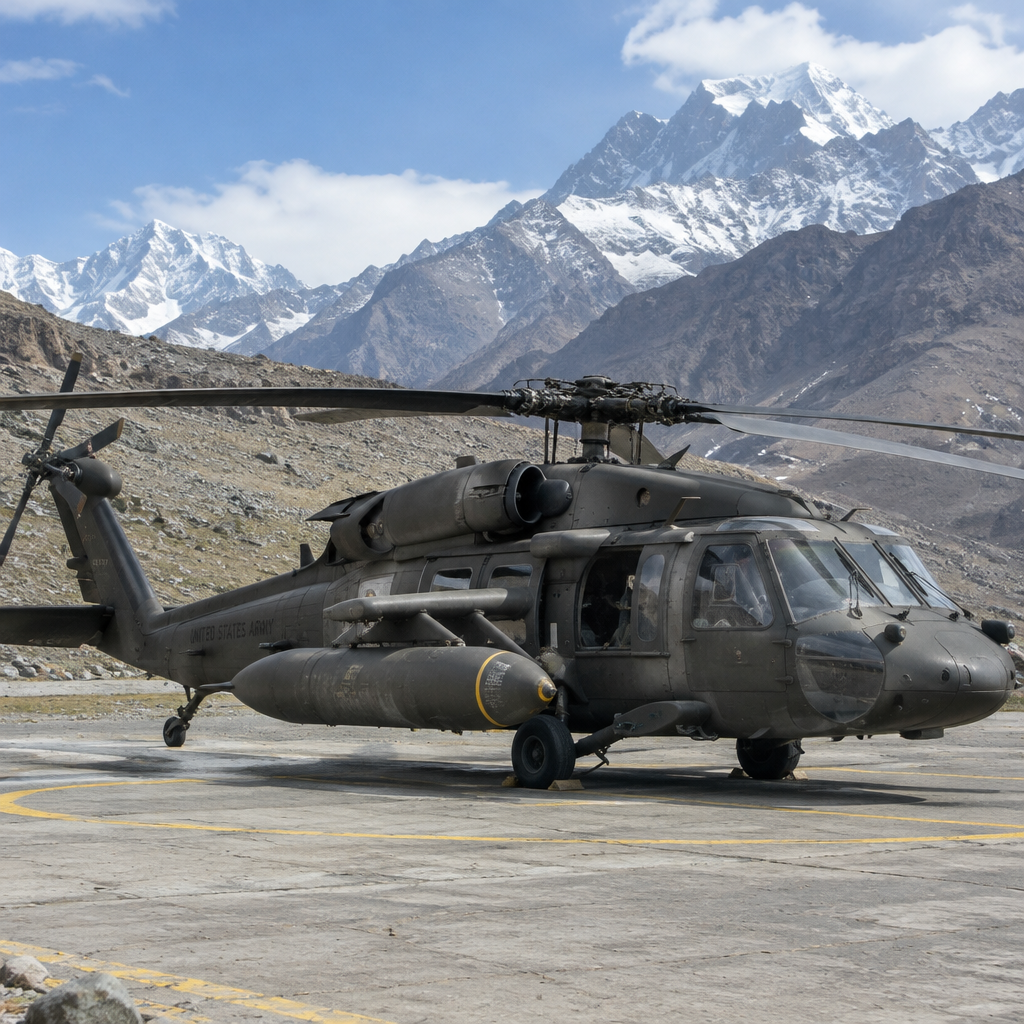
Separately, arrangements reported in 2025 to store and maintain US MV‑22B Osprey aircraft in Darwin were intended to improve availability for training, reduce transportation costs and remove import‑related administrative burdens. Keeping aircraft between rotations reduces the effort required to re‑establish capabilities for each deployment, but long‑term value is conditional on access to maintenance, fuel, skilled personnel and reliable distribution networks.
What this means for the Australian Defence Force, the US Marine Corps, and Australian logistics planners
- Australian Defence Force: Defence’s exploration of potential logistics hubs in Alice Springs and central Queensland creates an opportunity to link southern industrial and sustainment capacity with northern operating areas. The ADF will need to prioritise nodes that support broader theatre logistics while aligning with national priorities and existing force posture arrangements.
- US Marine Corps: With the 15th rotation certified as a Special Purpose MAGTF and preparations under way for the 16th rotation, the Corps will be watching whether distribution networks, maintenance arrangements and forward stockholding in Australia can be relied on to deploy, sustain and regenerate combat power.
- Australian logistics planners: Planners must reconcile the geography of sustainment — substantial capacity concentrated in the south and southeast — with the demands of northern operations. That means assessing transport route resilience, terminal and rail availability, forward stockholding and repair and replenishment arrangements under pressure.
The metric for Australia–US cooperation should therefore move beyond the scale and complexity of exercises to a practical test: how rapidly and reliably can combined forces be generated, sustained and regenerated across vast distances? Connecting pre‑positioned equipment and rotational training to resilient northern distribution networks is the next necessary step if the growing capability of MRF‑D is to be a sustained operational asset rather than a recurring training event.