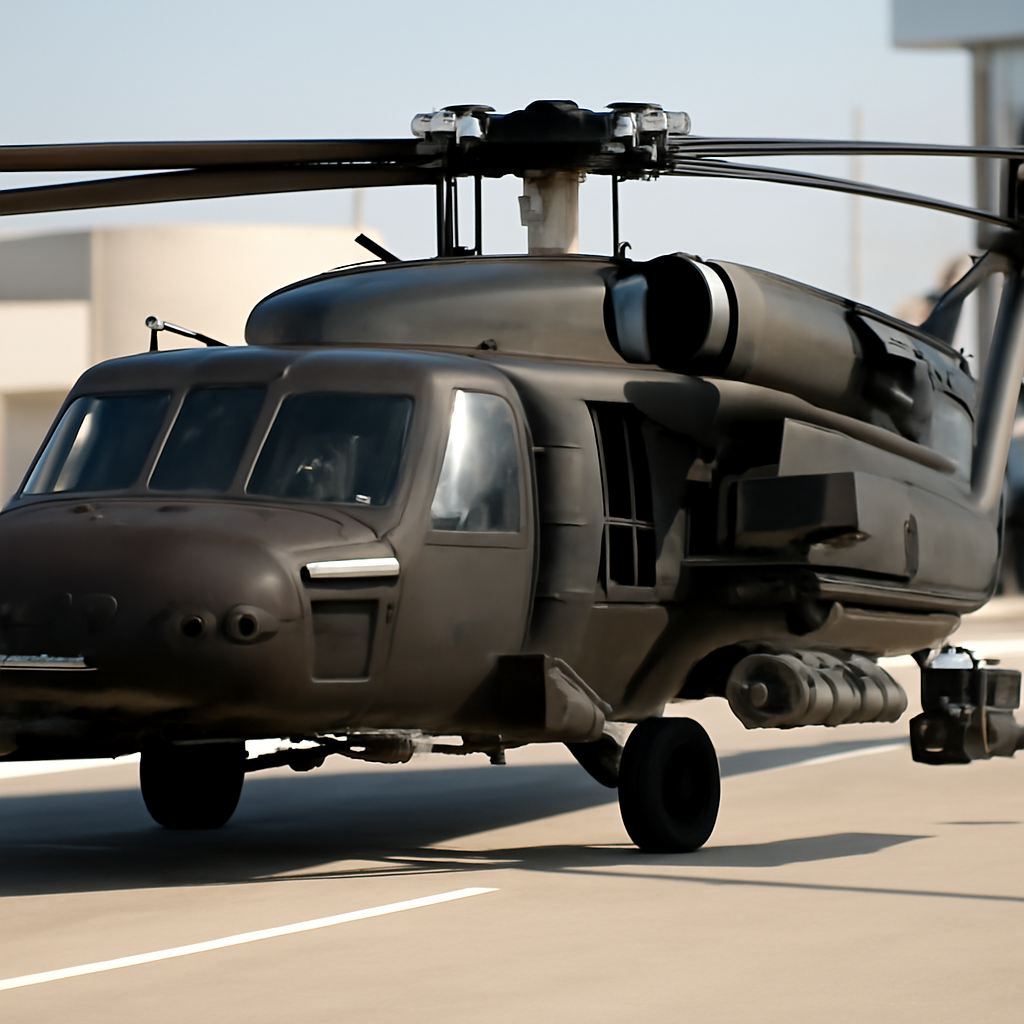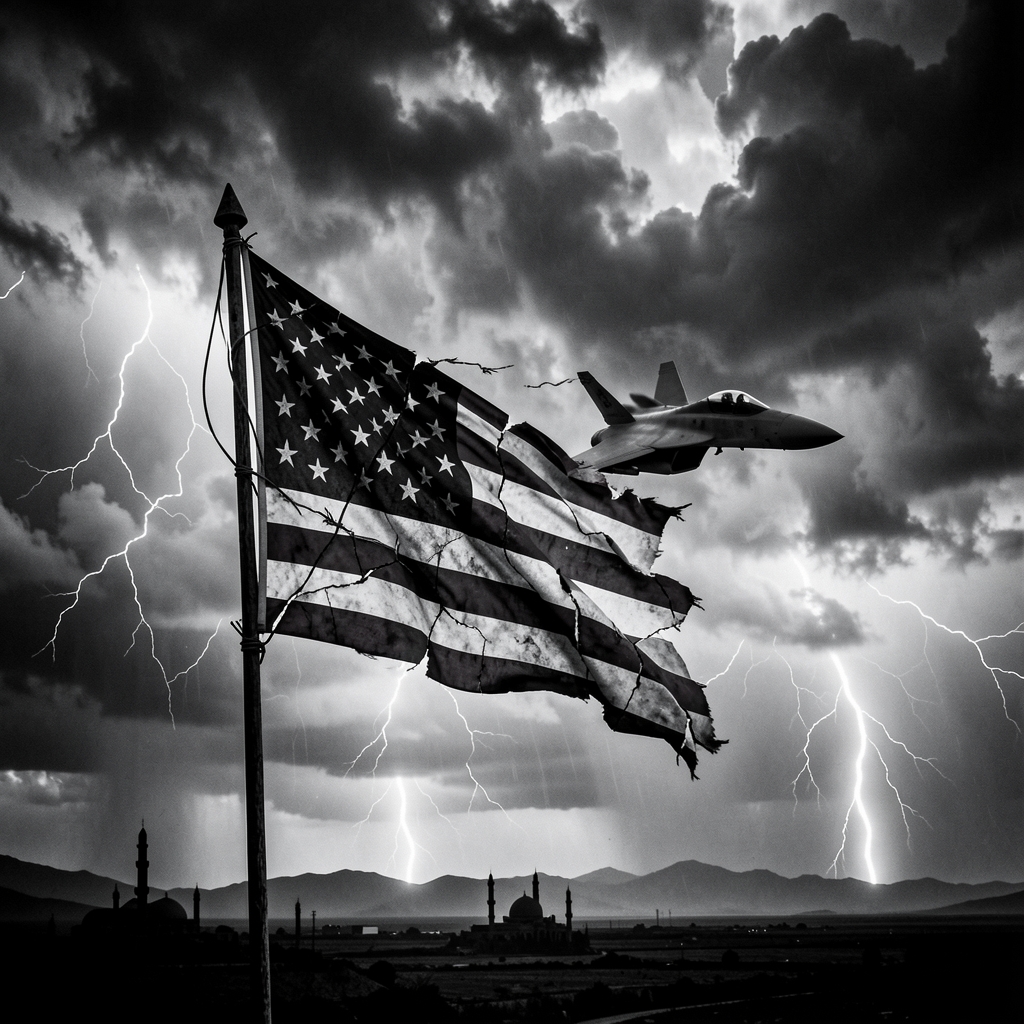
Which version of the sky should we believe in—a controlled, safe airspace proclaimed by the Pentagon, or a contested, hazardous domain described by outside analysts? That tension is not just rhetorical. It sits at the heart of a dispute over language, risk, and the lives of aircrew: the Pentagon says "we control the sky" over Iran, while experts warn the air war "isn't that simple," and say that terms such as air superiority are being misapplied in ways that obscure the real dangers that are downing and damaging U.S. aircraft.
What officials are saying — and what experts are pushing back on
The Pentagon has asserted a clear, confident claim of control over the skies above Iran. Outside analysts and specialists, however, challenge that assessment. Those experts argue that the labels being used—particularly air superiority—do not accurately capture the operational realities on the ground and in the air. According to the reporting, that linguistic gap matters because it risks minimizing or hiding the threats that have recently resulted in U.S. aircraft being downed and damaged.
Why the choice of words matters
Language about control, superiority, and dominance in the air is not only descriptive; it shapes decision-making. When policymakers, commanders, or spokespeople use broad terms such as air superiority, they create an impression that can influence everything from mission planning to public expectations. Experts cited in the reporting argue that misapplying those terms can obscure vulnerabilities and the presence of threats—threats that in this case have inflicted real harm on U.S. aircraft. The consequence is a gap between perception and risk: a public or a policy apparatus told the sky is controlled may be less attuned to the fragile margins that crews and platforms actually face.

Audit-ready is a season. It shouldn't be.
Evidence in spreadsheets, controls drifting between audits, frameworks multiplying on flat headcount. Nubivance runs continuous compliance on Rapid7 Cyber GRC - SOC 2, HIPAA, ISO 27001, PCI, CMMC.
End the scrambleDifferent perspectives on the same problem
- Technologists and analysts focus on how labels interact with capabilities. From that angle, describing an air domain as "controlled" or "superior" can mask specific weaknesses that allow adversaries to test, damage, or destroy aircraft.
- Policymakers and military communicators may favor concise, reassuring language to signal deterrence or confidence. But experts say that such messaging, if it glosses over active threats, can lead to misaligned strategies.
- For aviators and crews—the users of aircraft systems—what matters most is the on-the-ground reality of sensors, countermeasures, and tactics. When experts point out that the air war “isn’t that simple,” they are emphasizing that language should reflect operational hazards those users face.
- Adversaries, meanwhile, read both the rhetoric and the reality. When public claims of control contradict incidents of aircraft being downed or damaged, those adversaries may interpret the discrepancy as an opening to probe, adapt, or exploit perceived overconfidence.
The stakes and the unanswered questions
The tension between an asserted narrative of control and expert warnings about misapplied terminology has practical consequences. If terminology downplays ongoing dangers, commanders may miscalculate risk, procurement choices may favor the politically pleasing over the operationally necessary, and public debate may lack the information needed to weigh trade-offs. The reporting makes clear that U.S. aircraft have been downed and damaged, and that experts believe current descriptions of the air environment risk obscuring that reality.
That raises a final, pressing question: should public statements about control in a contested airspace be crafted primarily to project strength, or to convey the nuanced truth that enables better decisions and safer operations? How we answer will affect not only strategy and diplomacy, but the people who fly those missions.