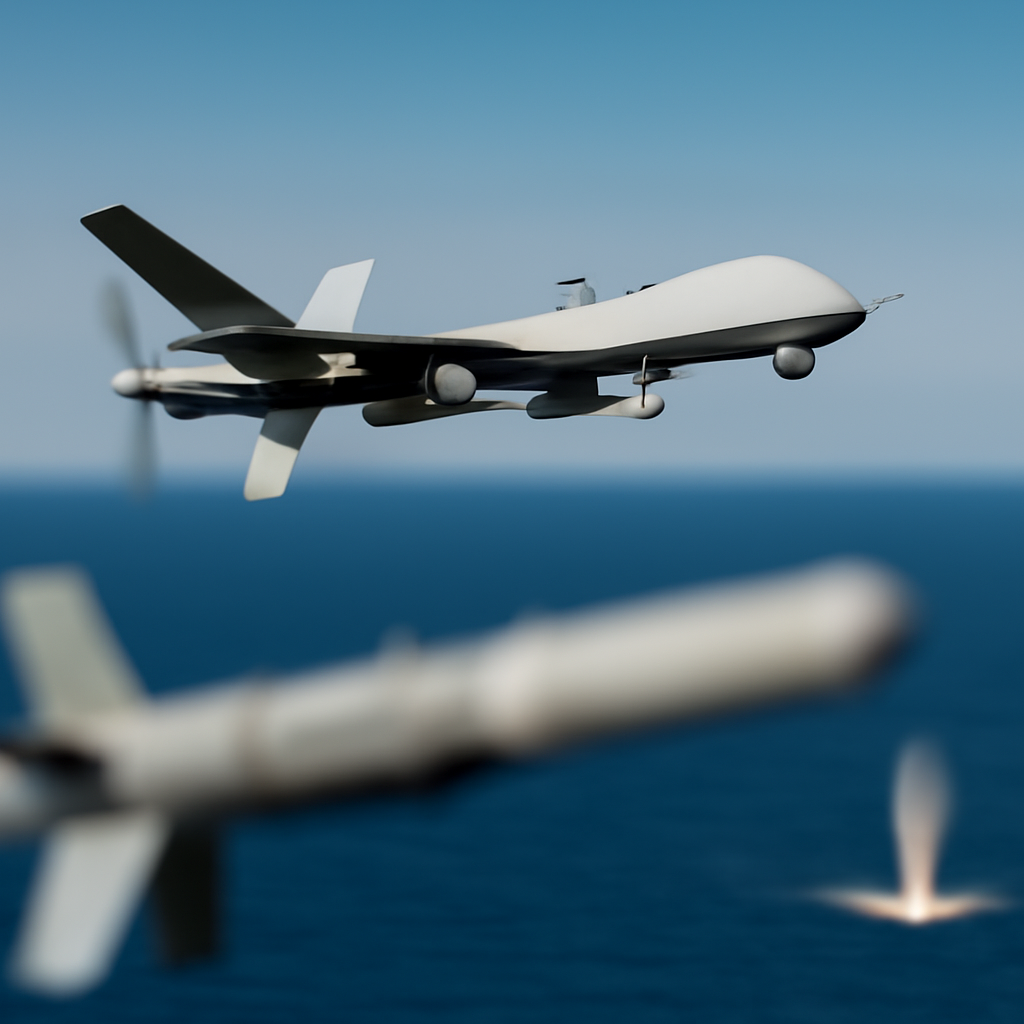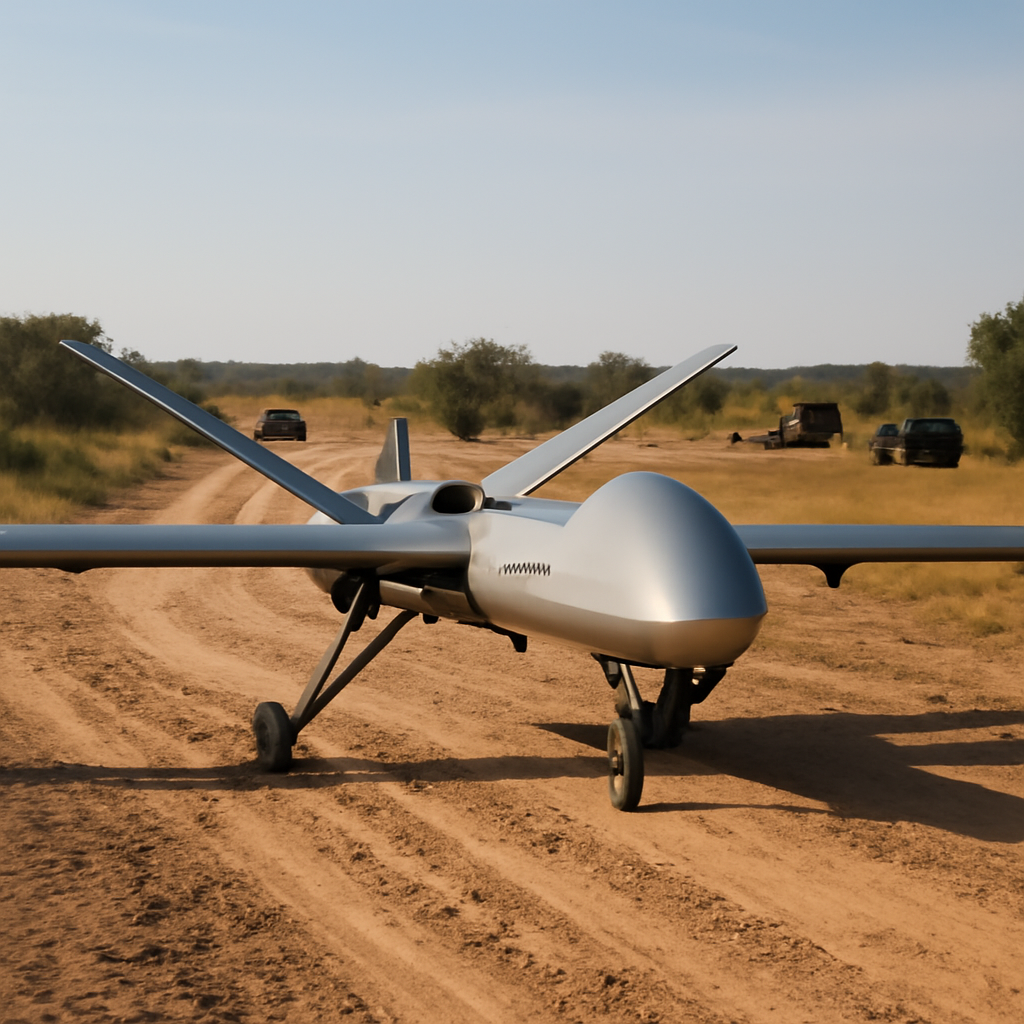
"Solutions must be scalable to match the rapid growth of Drone Dominance platforms and cost-effective to enable mass production and fielding," the Department of Defense wrote on the Drone Dominance competition site — language that now frames which companies may win the next tranche of small, armed drone work.
Who won the Lethality Prize Challenge
The Pentagon announced five winners of the Lethality Prize Challenge for payloads compatible with Group 1 drones (those weighing 20 lbs. or less): Bravo Ordnance, Kela Defense, Kraken Kinetics, Mountain Horse and Northrop Grumman. The competition was posted on Sam.gov in early April as part of the broader Drone Dominance initiative.
What the Pentagon set as the payload requirements
The government’s solicitation stressed three linked constraints: scalability, affordability and manufacturability. The published language emphasized that “the lethal payload system represents a significant portion of the total system cost; therefore, affordability and manufacturability are critical design considerations.” The department framed winning solutions as needing to be "scalable to match the rapid growth of Drone Dominance platforms" and cost-effective to support mass production and fielding.

This site is the portfolio.
OSINTSights runs on Cloudflare Workers, D1, R2, and Vectorize, with an AI pipeline on Hetzner ARM. Nubivance designed, built, and operates it. We do the same for clients.
See what we buildHow two winners described the practical implications
Two of the five named winners spoke publicly about what selection means for contracts, certification and business momentum.
Northrop Grumman said selection makes it a “preferred” provider to “identify and scale advanced payloads capable of complementing the rapidly growing production of small drones.” Northrop added it will deliver its “proven, standardized Common UAS Payload — an off-the-shelf fuze and effects module.”
Bravo Ordnance’s Chief Strategy Officer and General Counsel Kevin Landtroop said the company entered its HitchHiker munition into the challenge — a 2.5 kg (5.5 lb.) weapon that is compliant with the Picatinny Common Lethality Integration Kit for weaponizing low-cost, attritable drones. Landtroop wrote that Bravo is “an 18-month old hardware startup” and that HitchHiker is “our first scaled product.”
Landtroop said winning a challenge spot permits expedited safety review timelines — “sailing through in eight weeks instead of months or years” — and noted a concrete sales pathway: “And, DDP [the Drone Dominance Program] is purchasing 60,000 units in Phase 2,” he wrote. He added that the Lethality Challenge selection “gives us a rail-locked pathway to thousands or tens of thousands of unit orders for this product, which has absolutely changed the caliber of discussion we’re having with investors, suppliers, other customers/partners, etc.”
The other three winners — Kela Defense, Kraken Kinetics and Mountain Horse — did not immediately respond to questions about which lethality payloads they competed with or what selection would mean for them.
Procurement tempo: directives, gauntlets and reported orders
The Lethality Prize Challenge comes within a compressed set of procurement moves. In mid-2025, Defense Secretary Pete Hegseth unveiled directives intended to “unleash” the use of small drones and to “supercharge” the defense industrial base. As part of that Drone Dominance push, the department signaled it wants to spend roughly $1 billion to purchase small, lethal drones within a two-year window.
Earlier competitive steps included a first “gauntlet” focused on small aircraft; in February the DoD announced 11 firms who participated in that gauntlet would receive orders, with another gauntlet planned for later in the year. In March, Travis Metz, the Pentagon’s program manager for the Drone Dominance program, told lawmakers the Pentagon was set to order 30,000 one-way attack drones “over the next few days” as it determined the program’s first winners. Separately, Army leaders are working to meet an Oct. 1 deadline to field small, one-way attack drones to every squad.
What this means for Army leaders, investors and the Drone Dominance program
- Army leaders: The Oct. 1 squad-fielding target ties payload certification and delivery timelines directly to unit equipping. The selection of lethality payload providers affects which munitions can be scaled and integrated into the intended small-drone kits.
- Investors, suppliers and customers/partners: Bravo’s account shows how a competition win can alter commercial discussions quickly — Landtroop said selection “has absolutely changed the caliber of discussion we’re having with investors, suppliers, other customers/partners,” and noted an identified purchase volume in Phase 2.
- Drone Dominance program managers and Pentagon acquisition staff: The department’s emphasis on affordability and manufacturability, combined with statements about preferred-provider relationships and expedited safety reviews, links competition outcomes to certification pathways and rapid scaling decisions that will affect who supplies tens of thousands of units.
The naming of five lethality winners places a small set of suppliers ahead in a procurement drive that the department has cast as rapid and large-scale: a $1 billion purchasing intent, an asserted near-term 30,000-drone order and a Phase 2 buy of 60,000 units are all part of the public record around Drone Dominance. Whether the selected payloads will meet the affordability, manufacturability and safety criteria on the department’s compressed timelines — and whether the remaining three winners will make public their payload designs — are concrete next steps the program and its customers will need to resolve.