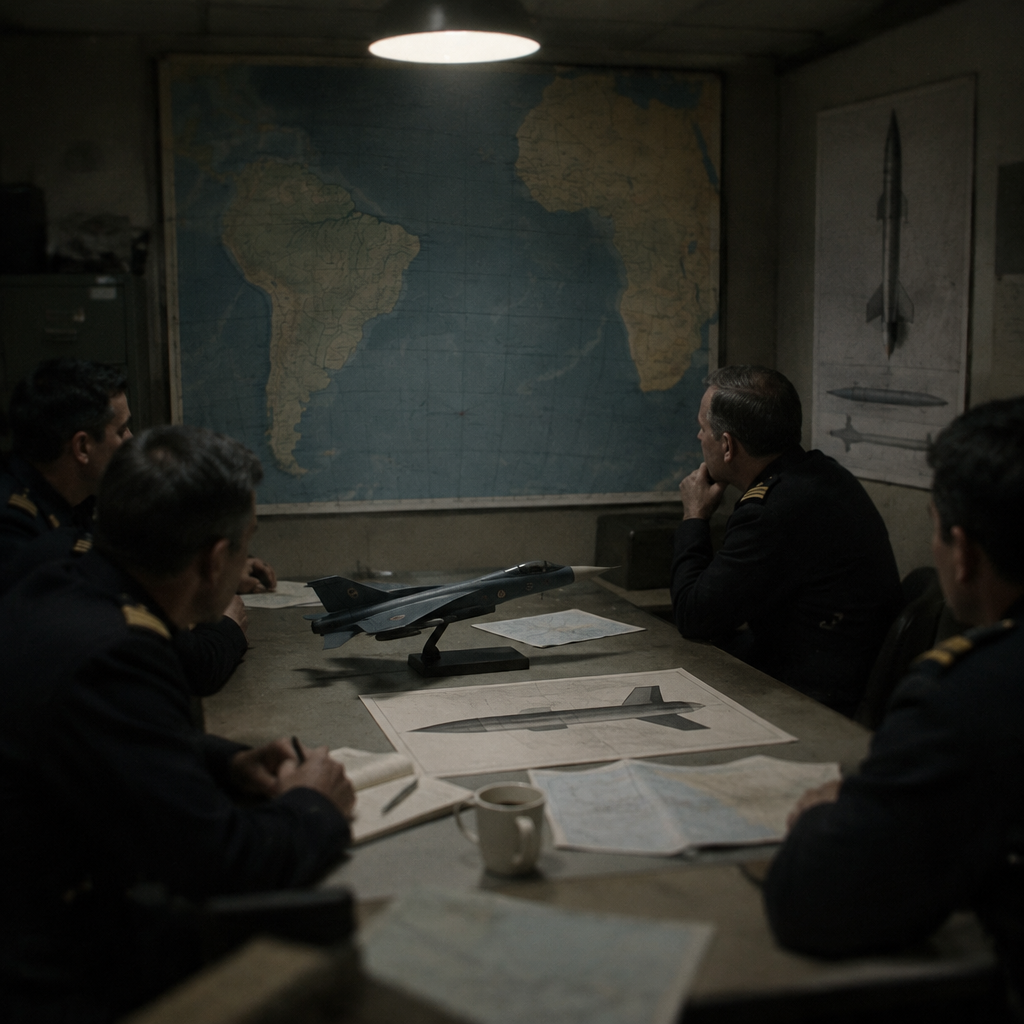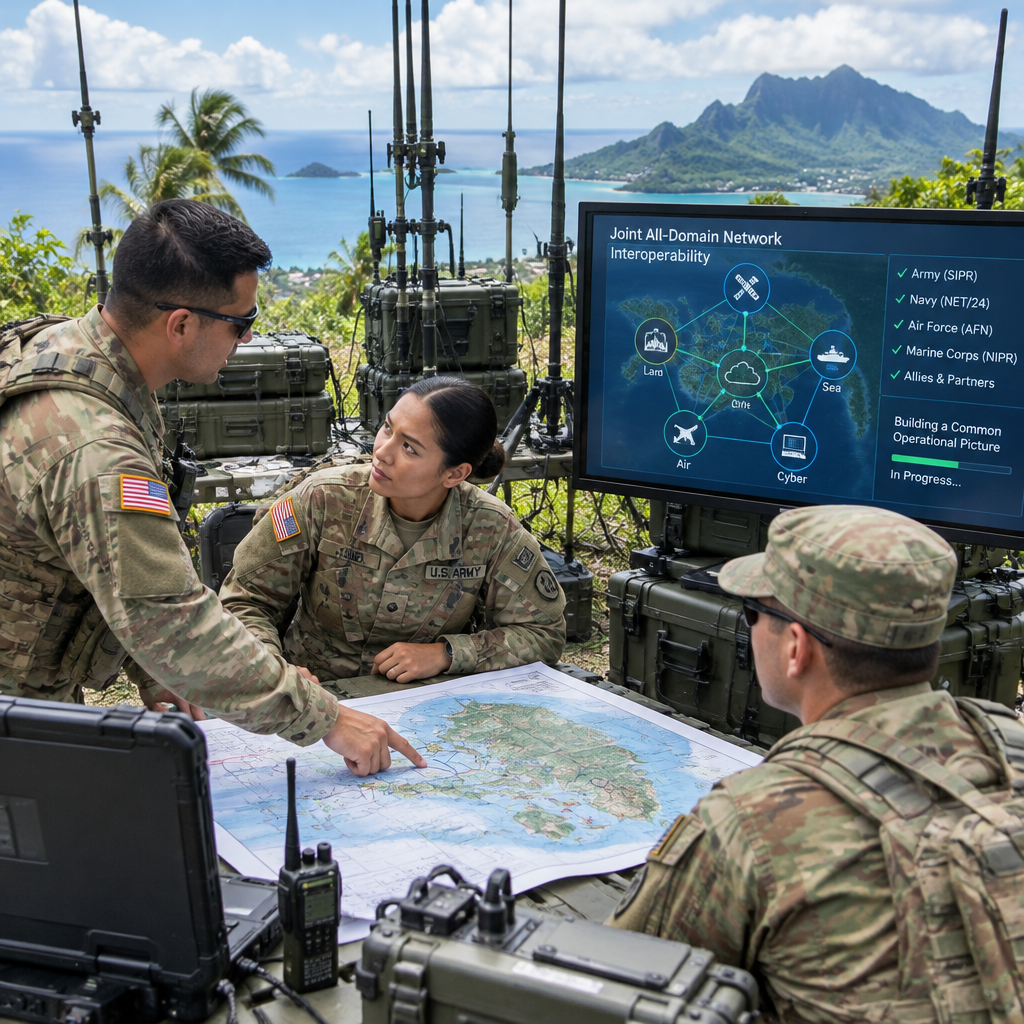
"Power is combat now. Without electricity, you lose communications, water, logistics, assembly lines and just basic military command structures," Sean Parnell told Fox News.
The 90‑day standard and the FORTRESS acronym
The Pentagon is pursuing a goal that would have every major U.S. military installation in the continental United States sustain essential operations independently for at least 90 days, according to reporting by Fox News that cited documents it reviewed. The effort sits inside a broader initiative the Pentagon announced last month called FORTRESS America — Federal Operations for Resilience, Troop Resources, Energy Supply, and Survivability — described by Secretary Pete Hegseth as "a national insurance policy for the American homeland."
Microreactors, microgrids, batteries: the energy pivot
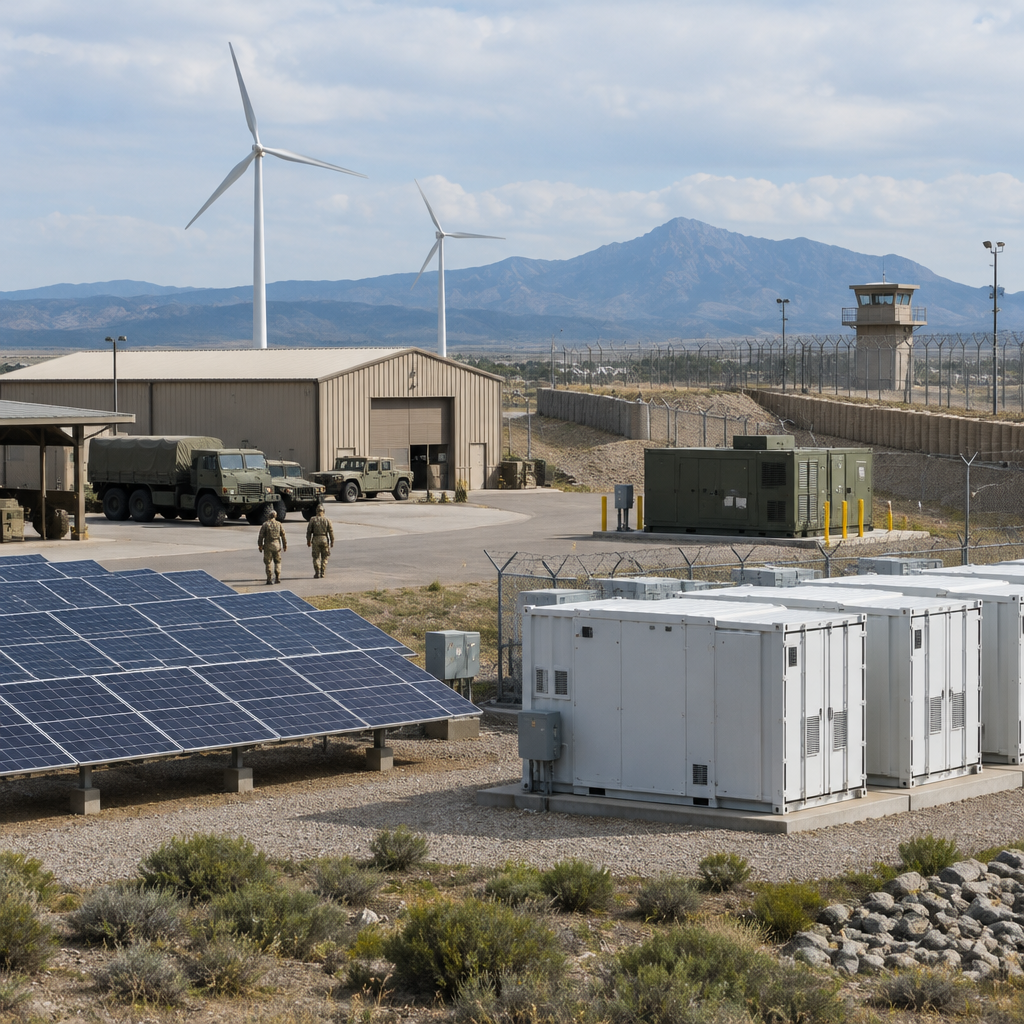
Central to the 90‑day electricity aim are so‑called portable or small nuclear reactors, large‑scale battery storage, and microgrids capable of disconnecting military installations from the civilian grid, Fox reported. The U.S. military, working with the Department of Energy, already has invested heavily in microreactor development and plans to deploy them at bases. In August, the U.S. Army and the Defense Innovation Unit cut deals with five companies under the Janus program to install more than 20 microreactors at bases, with deployments slated to begin in 2028.
Officials have also pushed microgrids and battery backup as near‑term options. A senior defense official told Air & Space Forces Magazine that the first priority is assessing installations’ power generation and then getting microgrids and storage deployed.

Audit-ready is a season. It shouldn't be.
Evidence in spreadsheets, controls drifting between audits, frameworks multiplying on flat headcount. Nubivance runs continuous compliance on Rapid7 Cyber GRC - SOC 2, HIPAA, ISO 27001, PCI, CMMC.
End the scrambleThe threat picture driving the push
TWZ and other reporting frame the initiative as driven by a growing recognition that civilian energy infrastructure is vulnerable — to uncrewed aerial attacks, kinetic sabotage, and cyberattacks — and that those vulnerabilities could cripple military capabilities “right where they live.” TWZ noted the ease of weaponizing commercial drones, the proliferation of swarm and AI‑driven capabilities, and the falling barrier to entry for cyber operations, citing the 2021 Colonial Pipeline ransomware incident and wartime examples. In remarks unveiling the program, Secretary Hegseth argued bases must be independent of the civilian grid so "if an adversary takes down the grid by cyber attack, by sabotage, or by any means, our bases stay lit, our aircraft keep flying, our command centers never go dark."
How the Pentagon is organizing FORTRESS America
A memo dated September 30 directs the Under Secretary of War for Acquisition and Sustainment to stand up the FORTRESS America Program Office within thirty days. The office will report directly to that Under Secretary, be led day‑to‑day by a Senior Executive Service appointee, and be assisted by a two‑star military advisor. The memo envisions a "lean core cell" that scales to full operating capability within months and emphasizes delivering "results in weeks, not years."
FORTRESS is broader than energy. Secretary Hegseth framed it to include securing supply chains for rare earths, specialty metals, semiconductors, and propellants and building strategic reserves "deep enough to fight through disruption." He has tied the program to initiatives already underway across services — for example, existing Army microgrid goals, the Air Force Installation Infrastructure Action Plan, and Navy plans to demonstrate the USS Gerald R. Ford's potential as a floating power source.
What this means for the U.S. Army, the Department of Energy, and military base communities
- U.S. Army: The Army is already a prime implementer — it set microgrid goals in 2022 and is a partner in the Janus program. Army installations are explicit targets for early microreactor and microgrid deployments beginning in 2028.
- Department of Energy: DOE is a technical and programmatic partner in microreactor development and logistics; the Janus deals and references to DOE collaboration point to an expanded interagency engineering and regulatory role.
- Military base communities: Bases and surrounding locales could see expanded on‑site energy generation and stockpiles of fuel, munitions, medicine and blood as part of the resilience plan; the program also raises questions about how water, food and long‑term sustainment for personnel will be assured during 90‑day contingencies.
The Pentagon's push is both a continuation and an expansion of existing efforts: many initiatives cited in the memo mirror programs already in motion, yet the 90‑day metric and the new program office formalize an ambitious standard. Key implementation details — the full logistics for sustaining water, food and fuel for three months, environmental and proliferation safeguards around microreactors, funding sources, and the schedule for rolling installations into the standard — remain to be seen. The immediate next steps recorded in the record are the Janus program deals for microreactors beginning deployments in 2028 and the September 30 memo ordering the new program office within thirty days.
Link to original story: https://www.twz.com/nuclear/90-days-no-help-fortress-americas-goal-to-make-bases-resilient-bastions-in-a-crisis