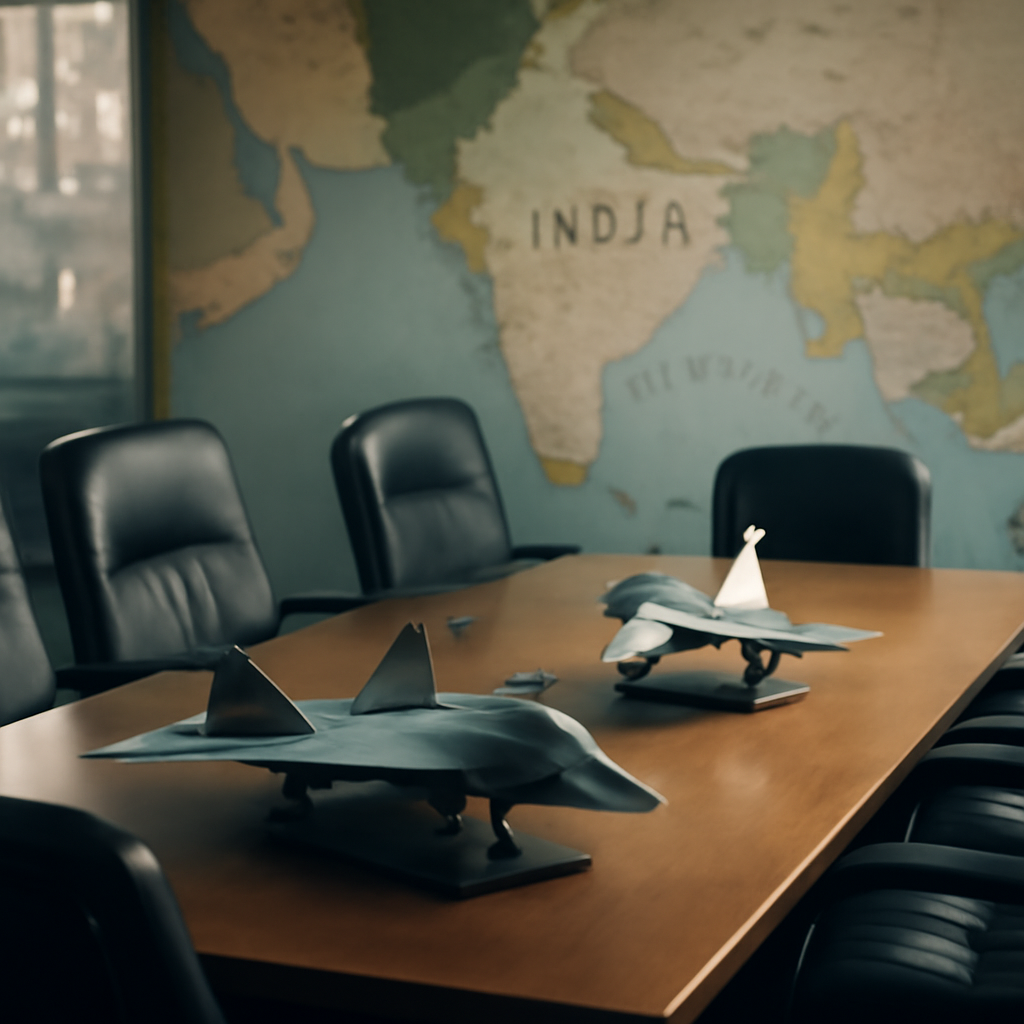
India, Russia, and the Su-57: generosity as leverage
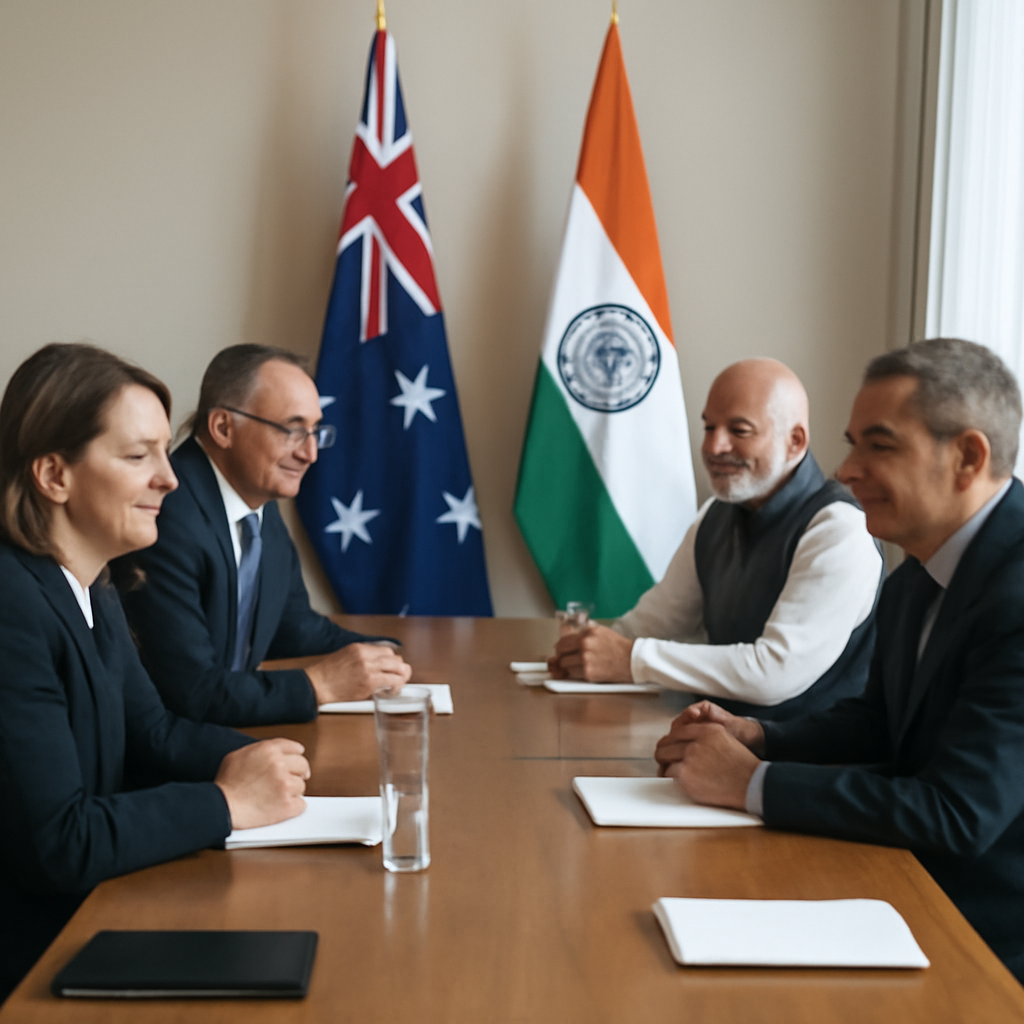
Defence Uncut frames the recent renewed interest by India in the Russian Su-57 as a lesson in how leverage reshapes offers. Moscow’s willingness to propose co‑production and supply‑chain integration — options Western suppliers are not matching — is presented as a function of Russia’s weakened position after the war in Ukraine and sanctions. India, the hosts say, now faces a choice between the Su-57 and buying more Rafales; Indian industry is reportedly pushing the Su-57 for a larger revenue share even as the air force prefers more Rafales it already knows how to operate. The programme comparison with France and the stalled FGFA effort two decades ago is used to argue that diplomacy — slowing modernization through negotiation — might cost less than a one-for-one jet response.
JF-17 and the cost of weak bargaining
The JF‑17 programme is cited as a cautionary example in which Pakistan paid steep prices because bargaining leverage was not extracted. The aircraft’s Klimov RD‑93 engine reached Pakistan only through China “with strings attached,” prompting Islamabad to source spares and support quietly from Ukraine. Later production blocks, the hosts note, are drifting toward a Chinese powerplant. China did not develop the JF‑17 out of charity: Pakistan paid for co‑development, and a promised Chinese order of 200 air force jets that would have lowered unit costs and widened the spares base never materialised. The result was heavy markups on key items — Pakistan paid roughly five times a JDAM’s price for a Chinese glide kit and double the local cost for cockpit displays — and a push toward indigenous munitions development.

This site is the portfolio.
OSINTSights runs on Cloudflare Workers, D1, R2, and Vectorize, with an AI pipeline on Hetzner ARM. Nubivance designed, built, and operates it. We do the same for clients.
See what we buildCPEC power deals, sovereign guarantees, and budget pressure
The conversation connects defence procurement to broader economic commitments. Defence Uncut highlights that CPEC power deals came with sovereign guarantees that now route an estimated $1.5–2 billion a year to China, and that debt servicing consumes more than half the national budget — a figure the hosts call “the real reason Pakistan keeps saying it cannot afford fighters.” The point is not that Pakistan lacks cash in absolute terms but that earlier contract terms and guarantees have committed large, recurring outflows and reduced negotiating room for current programmes.
Ukraine as a partnership model: engines, munitions, and industrial co‑funding
Repeatedly, the hosts offer Ukraine as the example Pakistan missed. Long before the Ukraine war, they say, Kyiv’s industrial base — gas turbines, metallurgy, solid‑rocket motors and small cruise‑missile engines — was available for collaboration. Firms such as Firepoint have converted old S‑300 stock into new missiles, and Pakistan has used Ukrainian support for spares and munitions. Defence Uncut argues Pakistan should have co‑funded a turbofan engine programme with Kyiv and trained a domestic workforce, producing a “win‑win” rather than a one‑way payment to foreign suppliers. The pattern of partnering with middle powers extends to Pakistan’s work with South Africa on indigenous weapons like the Azb and Ra’ad.
What this means for the Pakistan Air Force, Pakistani officials, and the private sector
- Pakistan Air Force: The hosts imply the air force will keep weighing options between buying platforms it already operates (e.g., more Rafales) versus new types (Su‑57, J‑35, J‑10). Past procurement experience suggests sustainment and supply‑chain access will be decisive factors.
- Pakistani officials and negotiators: The source contends officials have signed deals without extracting value in recent decades, and it contrasts that with earlier eras (1950s–1980s) when negotiators pushed harder. The anecdote about a 1960s offer of a full nuclear fuel cycle for about $1.65 billion in today’s money — which Ayub Khan declined as “too big” at the time — is used to show bargaining and capacity investment can pay off when chosen.
- Private sector and defence industry: Early signs of recalibration are visible in the private sector driving a domestic drone boom and in state entities like NESCOM and the Air Weapons Complex stepping in to build munitions after costly foreign markups.
Defence Uncut’s through‑line is straightforward: Pakistan has repeatedly transferred security, trade access and goodwill to partners without consistently extracting industrial offsets, co‑production or the kinds of shared sustainment that reduce lifecycle costs. The hosts hold up Russia’s recent generosity to India, China’s selective fulfilment of JF‑17 promises, and CPEC’s long‑term fiscal effects as evidence that better negotiating posture and middle‑power partnerships — notably with Ukraine — could have produced more durable capability at lower net cost.
Next week, Defence Uncut will examine Woot‑Tech’s rocket‑assisted‑takeoff test and revisit why the hosts believe drones, not fighter jets, may define the future of Pakistan’s air capabilities.