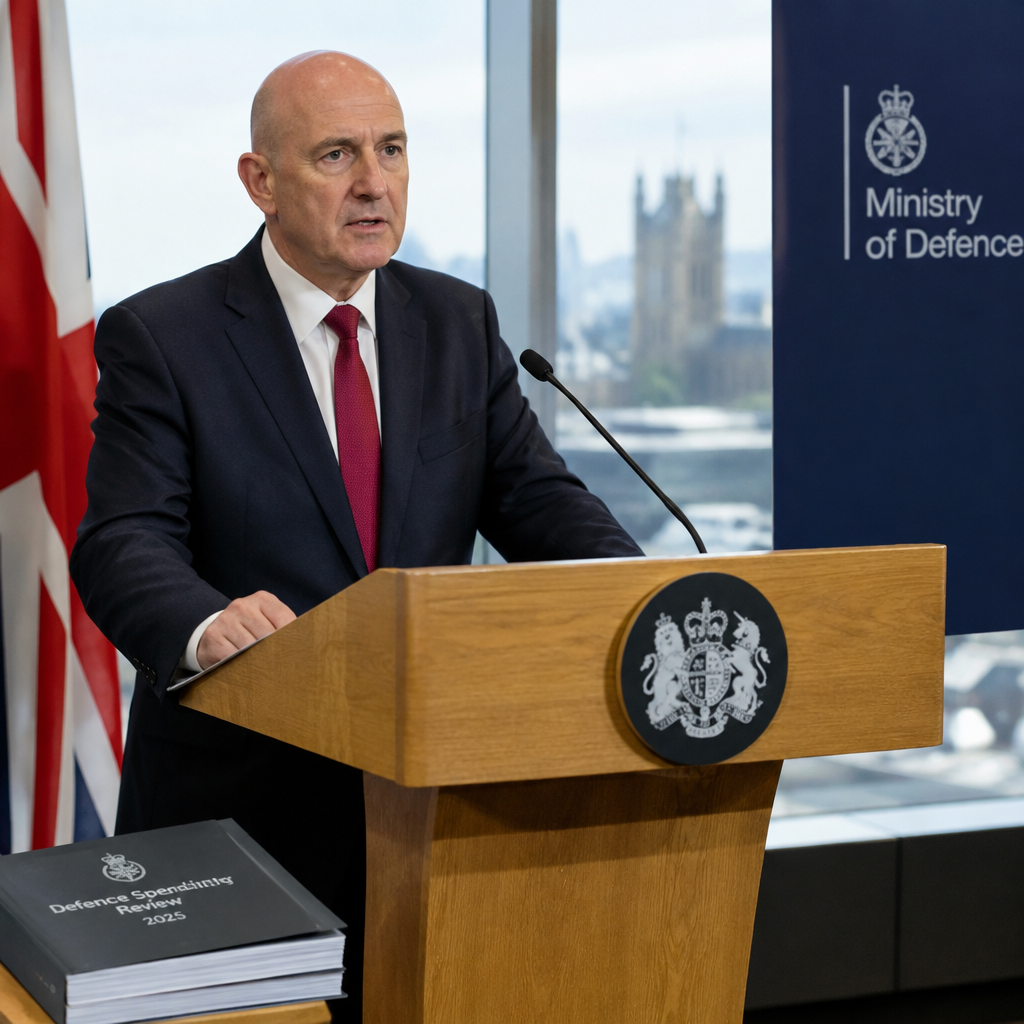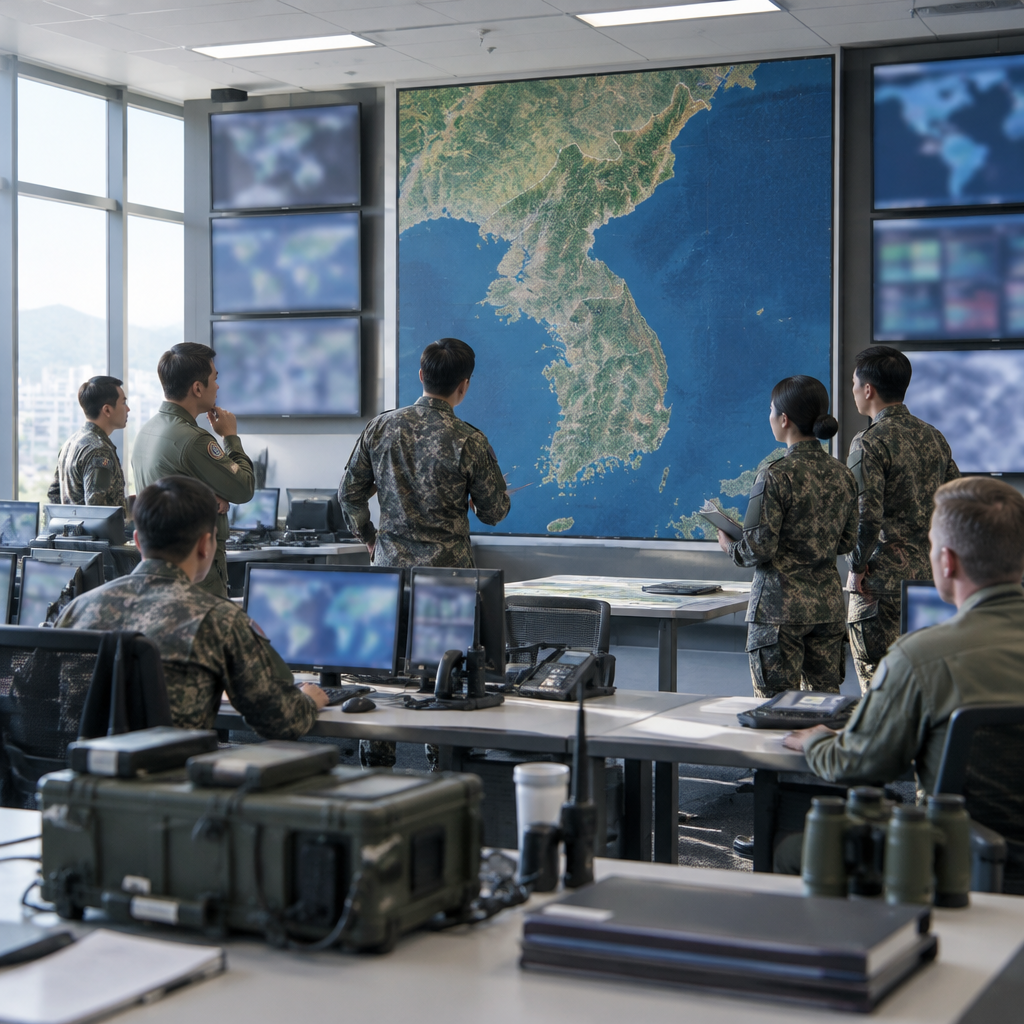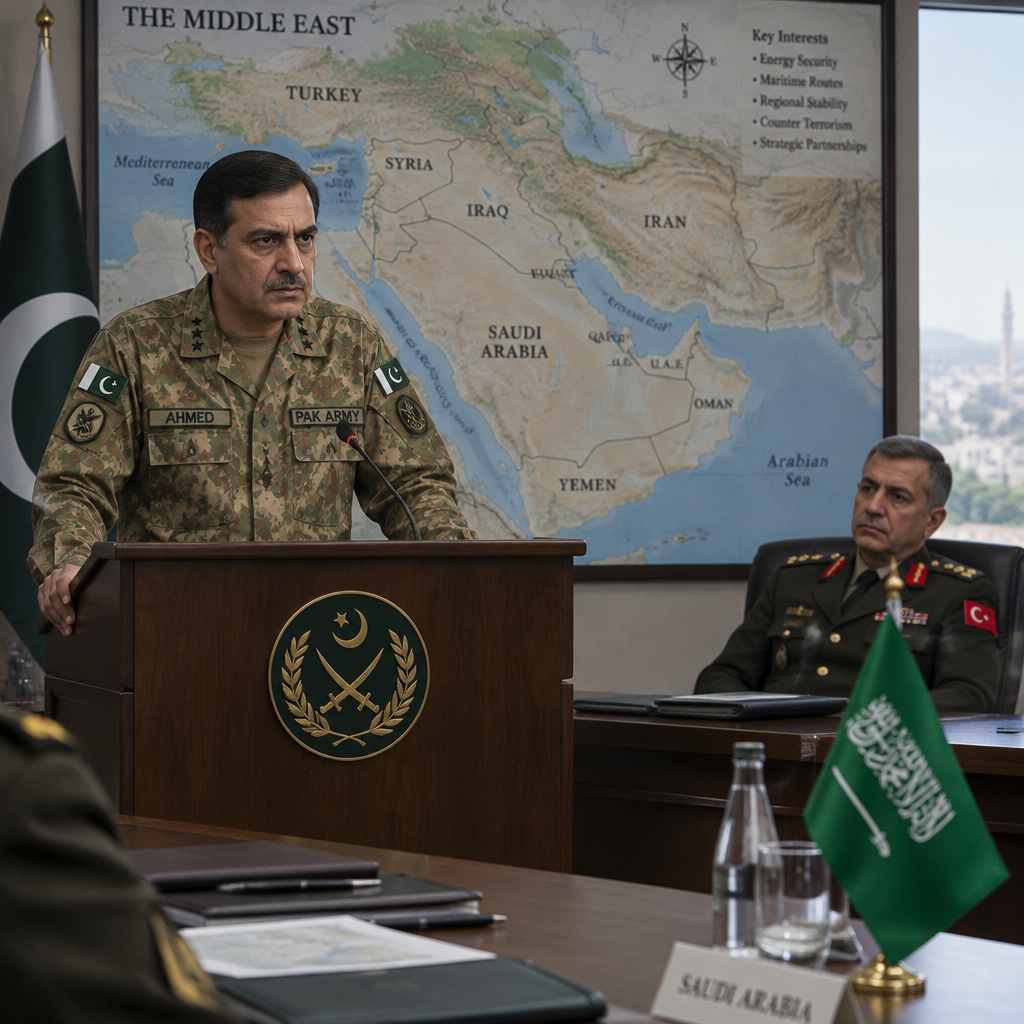
"The forces of Turkiye and Pakistan are playing a supporting role," Pakistan’s Defense Minister Khawaja Asif told Geo News, "We are definitely involved in reconnaissance and such things, but the combat is practically being conducted by Saudi Arabia’s own forces." That candid line captures Islamabad’s posture after the Mecca Agreement—present in form, cautious in force—and frames the central question the region now faces: how far will Pakistan go to turn diplomatic commitments into battlefield action?
The Mecca Agreement and Pakistan's October 5 commitment
The Mecca Agreement, signed in August 2026 by Saudi Arabia, Turkiye, and Pakistan, models itself on NATO’s Article 5: an attack on one is treated as an attack on all. On October 5, Pakistan and Turkiye agreed to "join hands" with Saudi Arabia against Houthi attacks. Once the agreement was activated, the source says, Pakistan committed its armed forces to counter Houthi attacks on the Kingdom and on Islam’s holy sites. Turkiye, citing legislative restrictions, limited its contribution to supplying technology and missiles.
Saudi–Pakistani security ties since the 1960s
Islamabad’s security relationship with Riyadh is decades old and episodic. Pakistan began sending personnel to train the Royal Saudi Air Force and ground forces in the 1960s; Pakistani pilots assisted Saudi forces against South Yemen in 1969. Islamabad provided advisory help during the 1979 Mecca Grand Mosque seizure. In 1982 the two states signed their first bilateral security agreement, paving the way for large-scale trainer and adviser deployments and testing the relationship again during the 1990–91 Gulf War when Pakistan pre-positioned troops in the Kingdom.
More recently, the 2015 Saudi-Houthi war produced a sharp reversal: Pakistan’s parliament voted unanimously for strict neutrality, barring involvement. In 2018, then-Army Chief General Javed Bajwa sent 1,000 troops described as a “training and advisory mission,” a move that bypassed the 2015 parliamentary position and maintained the pattern of defensive, in-Kingdom deployments rather than cross-border combat.

The cyber insurance questionnaire just landed. Now what?
SOC 2, HIPAA, insurance renewals - someone has to own security strategy. Nubivance provides fractional CISO leadership without the full-time salary.
Get a security leadPakistan’s limited military role: reconnaissance and air strikes, not ground combat
Despite commitments on paper, Pakistan’s practical footprint in the Saudi-Houthi conflict has been deliberately restrained. The reported contributions emphasize reconnaissance and supportive functions; Pakistan has restricted its role to assisting Saudi forces without "crossing the enemy border." The source states that Pakistan has limited participation to air attacks and has not committed to direct combat with the Houthis. That posture mirrors past choices: in the 1969 Al-Wadiah episode Pakistani involvement was likewise confined to air warfare.
Constraints: domestic sectarian balance, the Iran border, and strategic priorities
Islamabad’s caution is grounded in several concrete constraints identified in the reporting. Shia Muslims make up roughly 20 percent of Pakistan’s population, and the source notes community solidarity with Iran has appeared in the past. Pakistan shares about 900 km of border with Iran, raising the prospect that Tehran could view strong Pakistani alignment against Houthi forces—who are described as Shia-dominated and backed significantly by Iran—as a direct challenge. The source warns that Iranian displeasure could produce cross-border skirmishes in remote terrain along Balochistan.
Domestically, the report says Rawalpindi is reluctant to divert forces from tensions on Pakistan’s northern and eastern borders with Afghanistan and India. Financial ties also shape the calculus: the blend of Saudi finance and capital, Turkish defense capabilities, and Pakistan’s military and nuclear posture is described as a potent combination, and future Saudi financial assistance could push Islamabad toward deeper operational involvement.
What Saudi Arabia, Turkiye, and Pakistan now face
- Saudi Arabia: Gains a formalized three-party security guarantee with added intelligence and air support, but faces a coalition whose members currently provide a defensive shield rather than substantial offensive ground forces.
- Turkiye: Contributes technology and missiles while citing legislative limits on combat deployment, reducing its hands-on military footprint in the operational theater.
- Pakistan: Balances treaty commitments against internal security priorities, sectarian demographics (20 percent Shia), and a roughly 900 km frontier with Iran; Islamabad has chosen reconnaissance and air support rather than committing troops to cross-border combat.
The Mecca Agreement is a diplomatic and strategic test: it combines Riyadh’s financial weight, Ankara’s materiel, and Islamabad’s military credentials, yet so far the alliance resembles a shield of support more than a sword of unified offensive action. The reporting leaves a clear hinge for future policy: Saudi long-term financial assistance and Islamabad’s desire to wield regional influence could narrow the gap between commitment and combat—but for now Pakistan’s posture is one of managed distance, calibrated to domestic constraints and regional risks.