"The Pakistan Navy’s (PN) emerging anti-access and area-denial (A2/AD) posture will draw on the timely convergence of two developments," Quwa Pro reports, describing a deliberate pivot that ties battlefield lessons from recent wars to Pakistan's growing domestic defence production.
Quwa Pro frames the strategic convergence
The analysis lays out a straightforward causal chain: combat experience from the Russia-Ukraine War and the US-Iran War has validated certain weapons and concepts, while Pakistan’s indigenous industry is increasingly able to supply matching systems. Quwa Pro emphasizes there is "no apparent ‘lag’ between the following emerging warfare trends and the Pakistani industry’s ability to provision solutions," enabling the Pakistan Navy to adopt an A2/AD posture built around those capabilities.
Uncrewed aerial, surface and sub-surface platforms
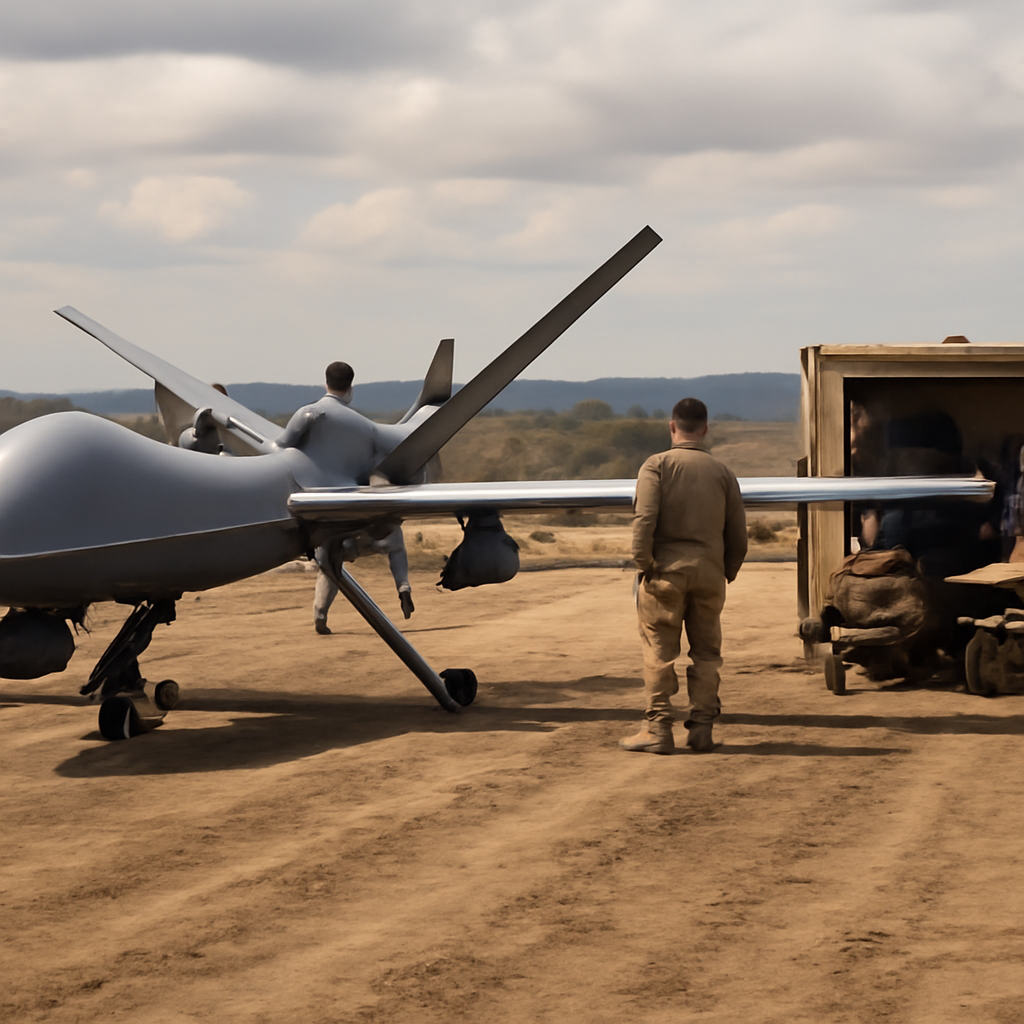
Quwa Pro identifies uncrewed platforms across three domains — aerial, surface and sub-surface — as central pillars of the Pakistan Navy’s evolving posture. These platforms let the PN distribute sensing and offensive reach without relying exclusively on manned ships or aircraft. The report links this emphasis on uncrewed systems to domestic industry trends, noting Pakistan’s industry is "increasingly leaning into uncrewed platforms."

Audit-ready is a season. It shouldn't be.
Evidence in spreadsheets, controls drifting between audits, frameworks multiplying on flat headcount. Nubivance runs continuous compliance on Rapid7 Cyber GRC - SOC 2, HIPAA, ISO 27001, PCI, CMMC.
End the scrambleLoitering munitions, swarming drones and one‑way attack (OWA)
The report singles out loitering munitions and "one-way attack (OWA) or loitering munitions" as another core element. Quwa Pro underscores how experience in Ukraine and Iran demonstrated the "high efficacy of OWA loitering munitions," and frames these weapons as attractive because they are platform‑independent — usable "directly without the need for an underlying system, such as a warship or combat aircraft." Swarming drone concepts are grouped with loitering munitions as part of the PN’s prospective toolkit.
Supersonic‑cruising and hypersonic ballistic surface‑to‑surface missiles
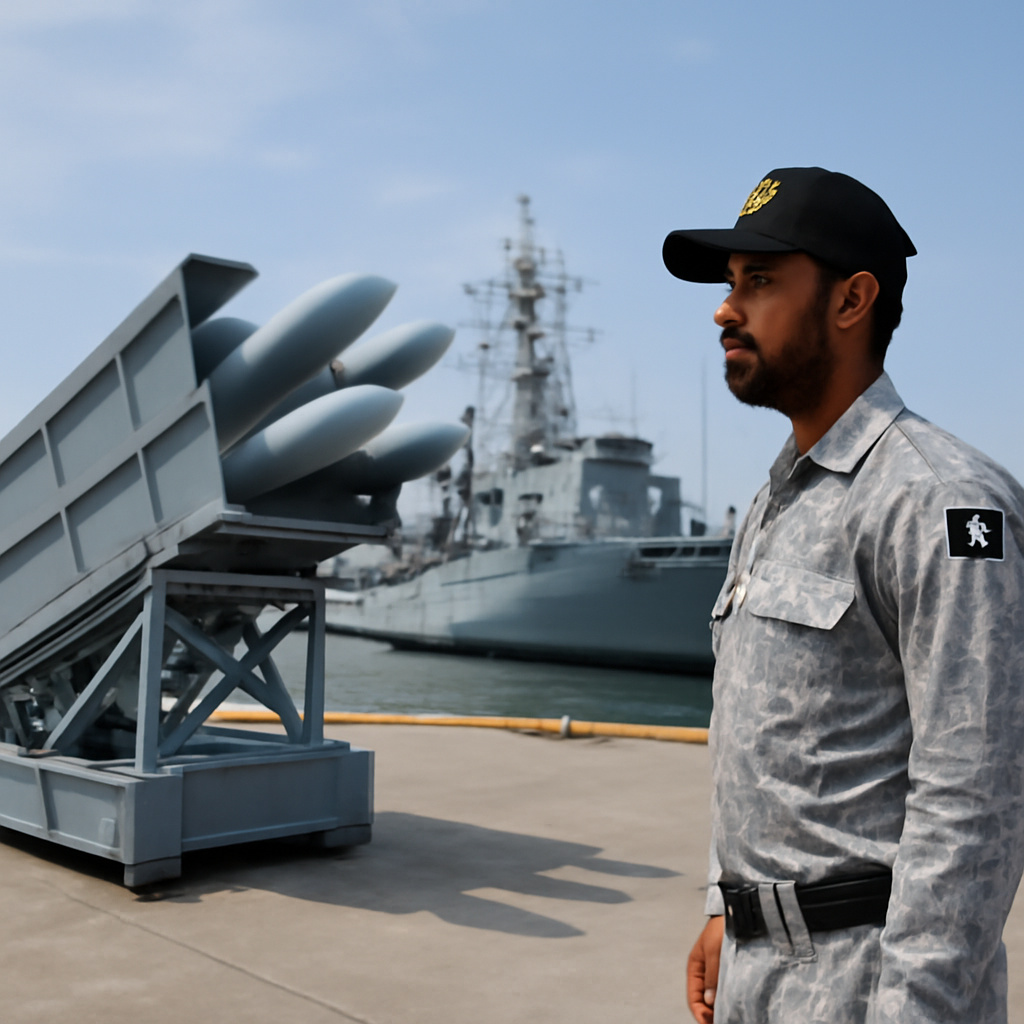
Quwa Pro also highlights conventional surface-to-surface missiles (SSMs) — including "supersonic-cruising and hypersonic ballistic missiles" — as a third axis. The report notes that the Russia-Ukraine and US-Iran conflicts demonstrated the particular effectiveness of conventional ballistic SSMs, and suggests Pakistan’s missile capabilities form a complementary strand to its uncrewed and loitering-munition options.
Link Green and the Naval Information Exchange System (NIXS)
Technical integration, not just individual platforms, figures prominently in the account. Quwa Pro states the Pakistan Navy will "extend the capabilities of both its data link and wider network-enabled warfare architecture, i.e., Link Green and the Naval Information Exchange System (NIXS), respectively." That expansion is presented as necessary to knit together sensors, uncrewed platforms, loitering munitions and SSMs into a coherent A2/AD posture.
What this means for the Pakistan Navy, the Pakistani defence industry, and regional decision‑makers
- Pakistan Navy: The PN can exploit a near-term match between battlefield-proven concepts and domestic production to field distributed sensors and strike options without overreliance on traditional manned platforms, Quwa Pro argues.
- Pakistani defence industry: The industry stands as the enabling factor; Quwa Pro describes it as already "leaning into" uncrewed systems, OWA loitering munitions and SSMs, allowing rapid procurement and integration.
- Regional decision‑makers: The report frames the Russia-Ukraine and US-Iran wars as operational proofs that reshape expectations about which systems deliver value, with implications for force planning and maritime balances.
Quwa Pro’s central claim is crisp: a confluence of external operational lessons and internal industrial capacity gives the Pakistan Navy options to construct an A2/AD posture that relies on sensors, networks, uncrewed platforms, loitering munitions and high‑speed missiles. The report leaves the next concrete measures implicit — expansion of Link Green and NIXS, procurement and induction of indigenous uncrewed systems and SSMs — but the outline it provides is concrete enough to show a clear direction.
Read the original Quwa Pro analysis: https://quwa.org/pakistan/market-intelligence/pakistan-navy-a2-ad-plans-to-emphasize-sensors-uncrewed-systems-and-high-speed-missiles/