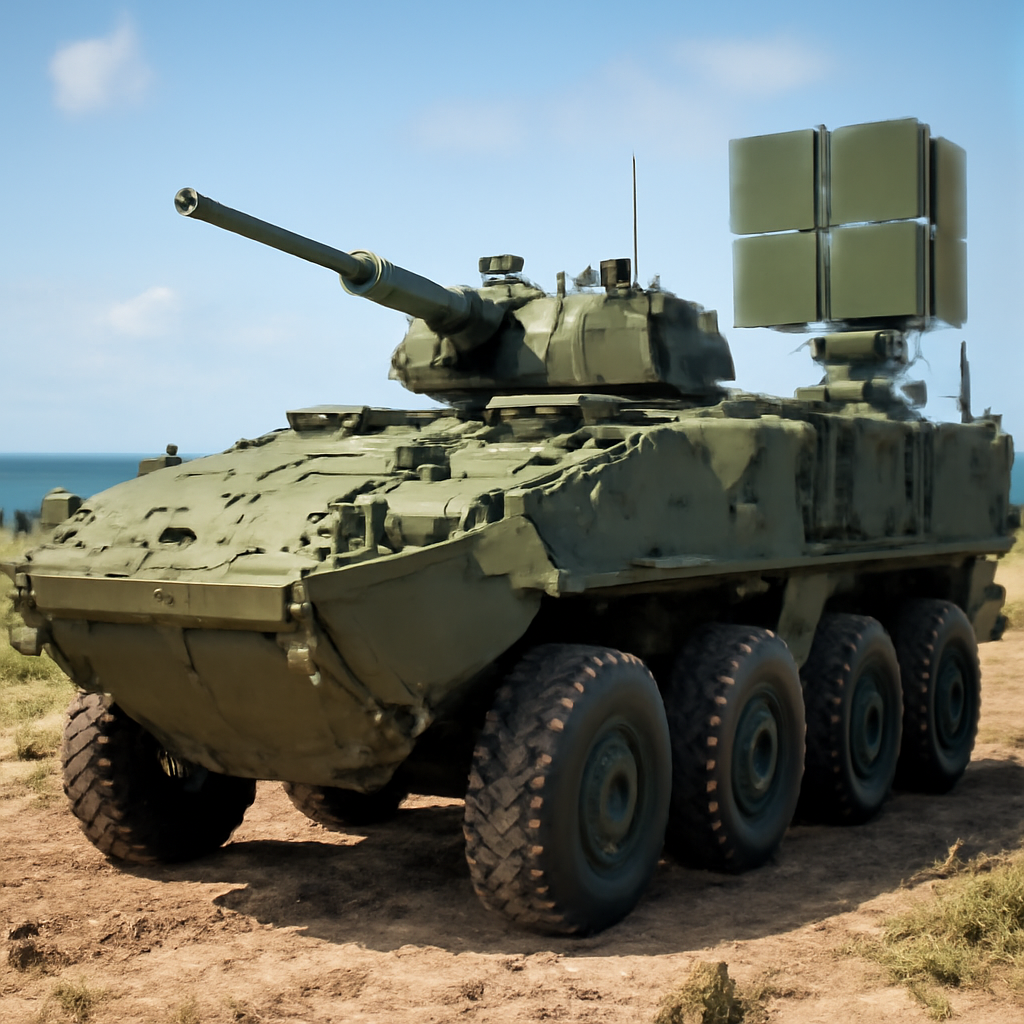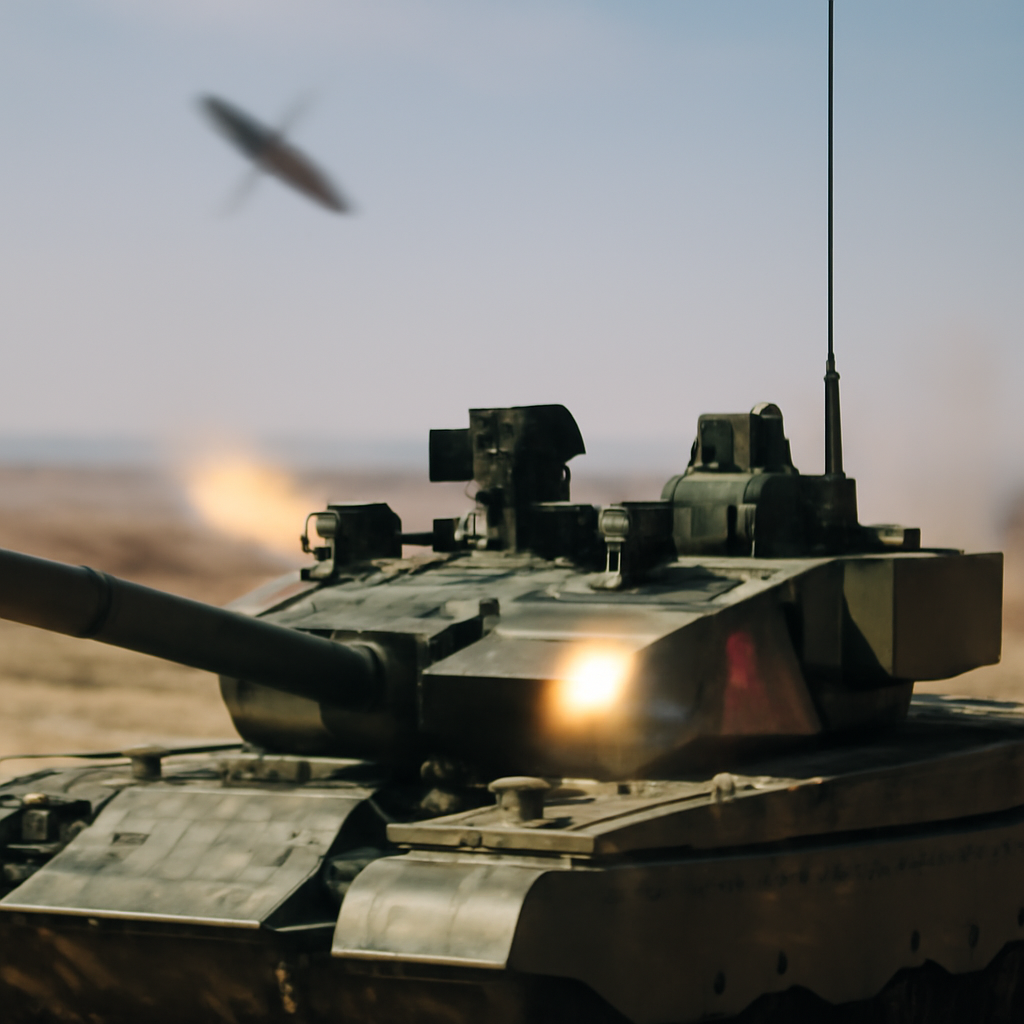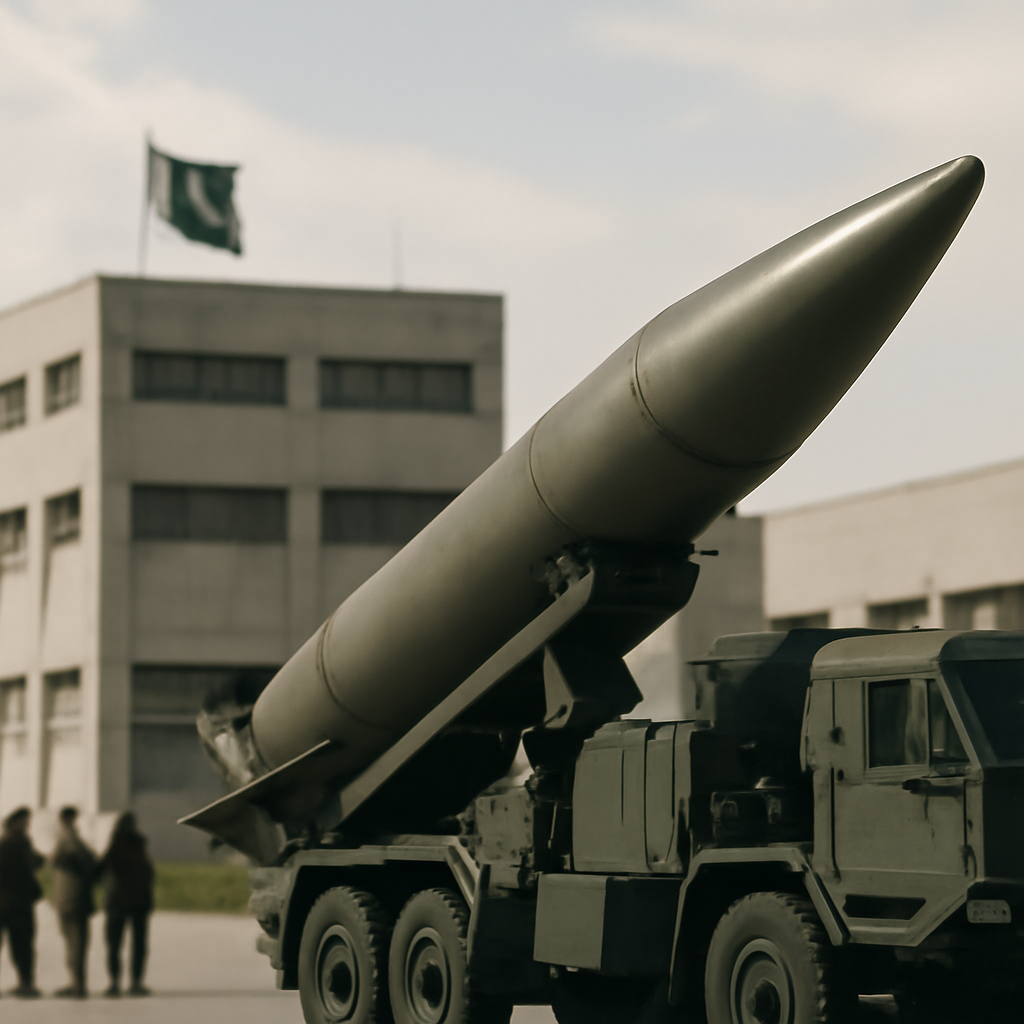
"Identified military objectives," Information Minister Attaullah Tarar said — a terse framing for strikes that Pakistan launched across Afghanistan's Khost, Paktia, and Kandahar provinces early on 24 September.
What happened on 24 September: sites, claims, and conflicting casualty reports
Pakistan reported strikes on 10 sites across Khost, Paktia and Kandahar provinces early on 24 September. Afghan officials described strikes specifically in Khost province’s Gurbaz, Ismail Khel and Mandozai districts and in Kandahar city’s 9th district. Pakistan’s Information Minister Attaullah Tarar characterized the targets as “identified military objectives” linked to a prior set of drone interceptions, while Taliban spokesman Zabihullah Mujahid stated that four civilians were killed. By contrast, the Afghan news agency Pajhwok reported no casualties.
How the strikes fit a recent operational pattern
The 24 September action was part of a string of cross-border and cross-provincial strikes over recent weeks. On 21 September Pakistan carried out a round of strikes in Kunar and Paktika; Pakistan claimed 28 militants were killed, while Kabul reported three civilian deaths. Earlier, on 16 September the Pakistan Army publicly acknowledged a first-person-view (FPV) drone strike against Tehreek-e-Taliban Pakistan (TTP) at Abakhail, Khyber Pakhtunkhwa. Officials tied the 24 September strikes to eight drones Pakistan said it intercepted near Kohat and Torkham on 23 September.

This site is the portfolio.
OSINTSights runs on Cloudflare Workers, D1, R2, and Vectorize, with an AI pipeline on Hetzner ARM. Nubivance designed, built, and operates it. We do the same for clients.
See what we buildArmy Tailless Delta loitering munition: Shahed-136 analogue and runway independence
Among the munitions used on 24 September was a tailless delta loitering munition similar in design to the Iranian Shahed-136. The source makes clear that it is not certain whether this is the Heavy Industries Taxila (HIT) D-248, the recently revealed Pakistan Ordnance Factories (POF) tailless delta design, or some other undisclosed Shahed-136 analogue. That munition was launched with a rocket-assisted take-off (RATO) motor — a capability offered by the private firm Woot-Tech and the state-owned National Engineering and Scientific Commission (NESCOM). The use of RATO was highlighted as evidence Pakistan is moving toward runway-independent strike operations.
R-200 and other launch systems: pneumatic rail and range considerations
A previously undisclosed loitering munition observers have labeled the “R-200” was also employed. The R-200 differs from the tailless-delta design by using a front-mounted propulsion system and — notably — a pneumatic rail launch rather than RATO. The source notes that its range and payload are not known but, because Pakistan struck sites in Khost, Paktia and Kandahar, the R-200’s range is likely between roughly 10 km and “100+ km,” with the pneumatic launch pointing to a shorter-range role compared with RATO-launched systems.
Dark Angel-II, the Pakistan Air Force, and the tri-service picture
The Pakistan Air Force (PAF) also appears to have used loitering munitions in the 24 September strikes, augmenting conventionally delivered air strikes with the Dark Angel-II. The Dark Angel-II is described as a Chinese-origin loitering munition that the National Aerospace Science and Technology Park (NASTP) builds under licence for the PAF; neither NASTP nor the PAF have disclosed the munition’s warhead, endurance, or guidance details. The PAF employed RATO for the Dark Angel-II in these operations, and reporting noted the possibility that the previously runway-dependent YIHA-III might also begin using RATO. Within the tri-services, the Pakistan Army is identified as the only branch publicly known to have inducted a loitering munition directly inspired by the Shahed-136; the Pakistan Navy is separately working with Sysverve on the Mudamir-LR series, a tailed-delta design that is distinct in concept from the Army’s Shahed-style platform.
What this means for the Pakistan Navy, the Pakistan Air Force, and Afghan civilians
- Pakistan Navy: the Navy’s collaboration with Sysverve on the Mudamir-LR-series suggests parallel naval-focused loitering munition development even as the Army and Air Force field other delta and tailed designs.
- Pakistan Air Force: the PAF’s use of Dark Angel-II with RATO shows an operational mix of runway-independent and runway-dependent strike options; questions remain about disclosed capabilities — warhead, endurance and guidance — that NASTP and the PAF have not published.
- Afghan civilians: casualty reporting was contradictory — a Taliban spokesman claimed four civilians killed while Pajhwok reported none — underscoring persistent uncertainty about noncombatant harm in cross-border strikes.
The 24 September strikes illustrate a layered approach: multiple loitering-munition types, launch methods ranging from rocket-assisted take-off to pneumatic rail, and use by different services to prosecute cross-border targets. The operation follows a string of actions in September that Pakistan links to intercepted drones and militant targets; Afghan sources continue to provide divergent accounts of civilian harm. Those contrasts — between claimed precision and conflicting casualty tallies, between announced capabilities and undisclosed technical details — frame the next questions: which systems will be publicly documented next, and how will competing accounts of civilian impact be reconciled?
Source: Quwa — Pakistan Launches Air and Drone Strikes Into Afghanistan