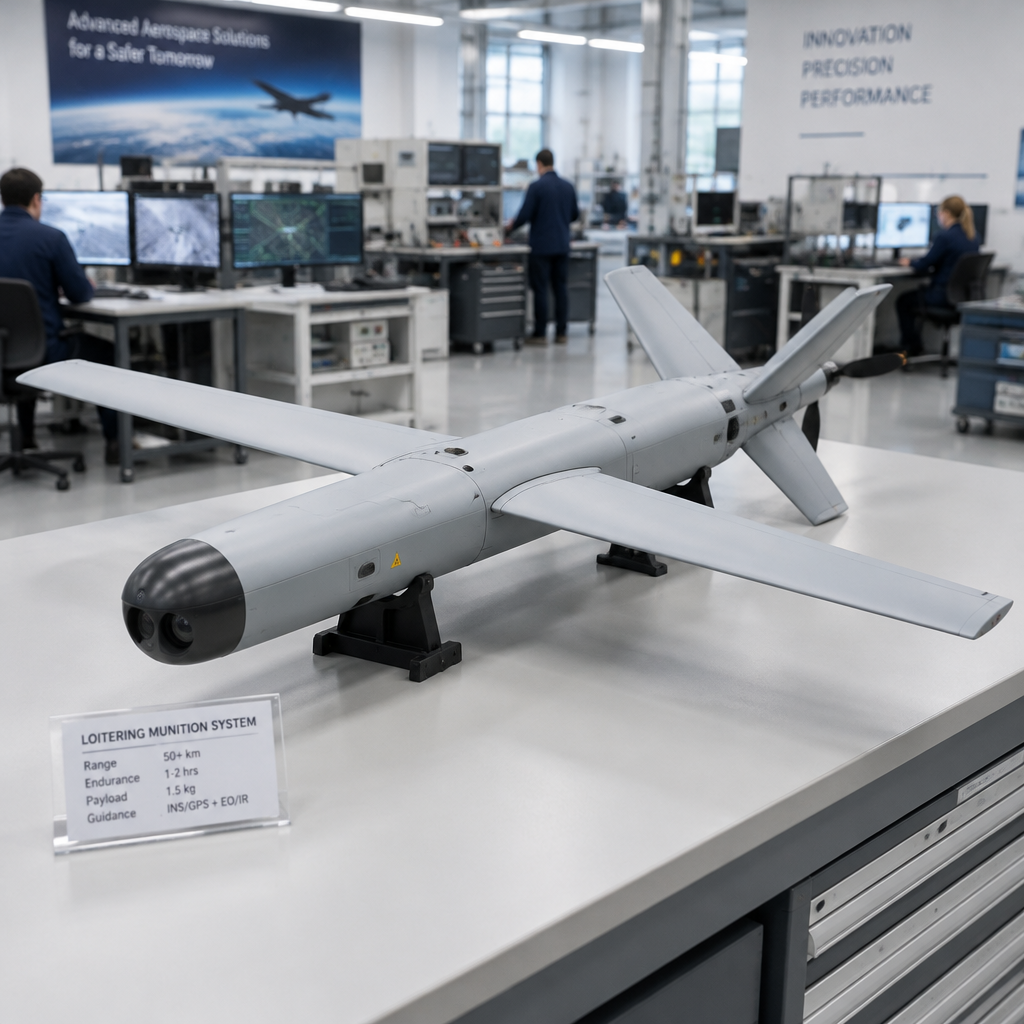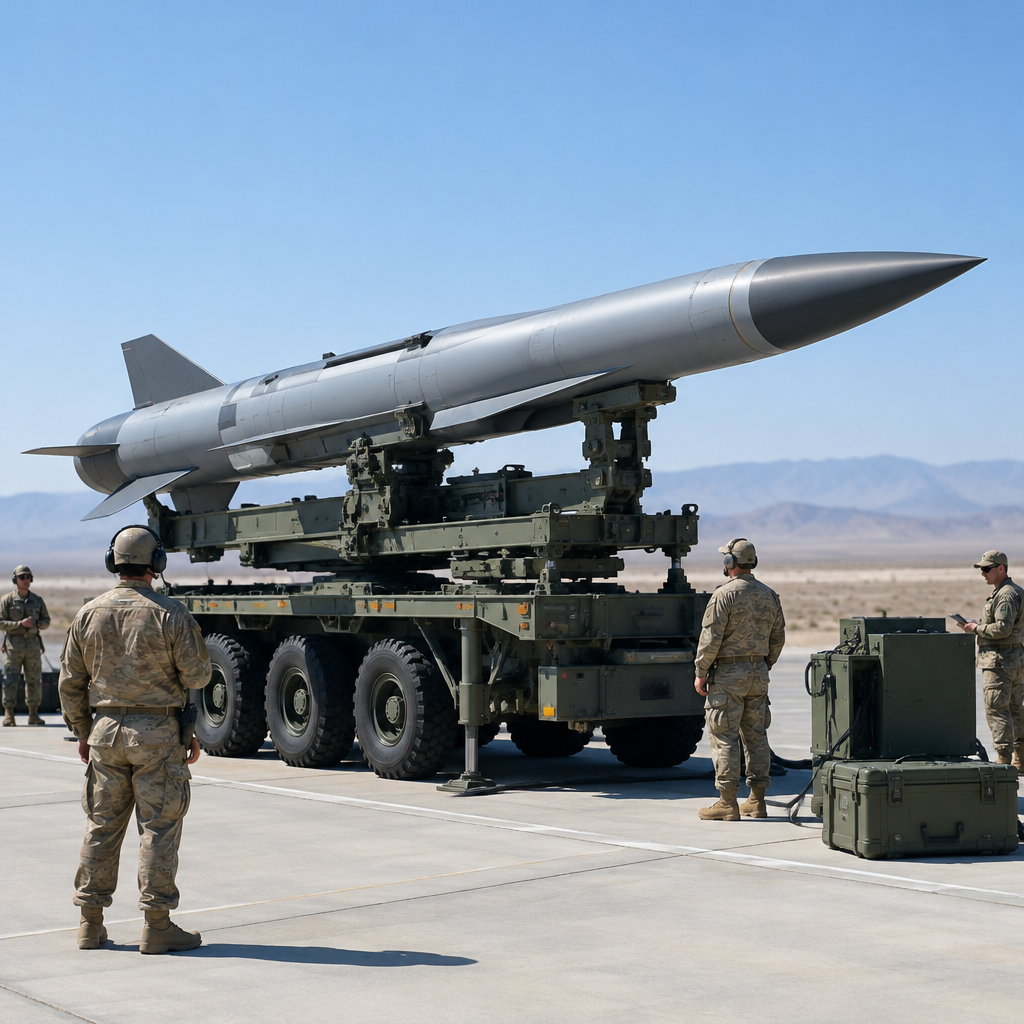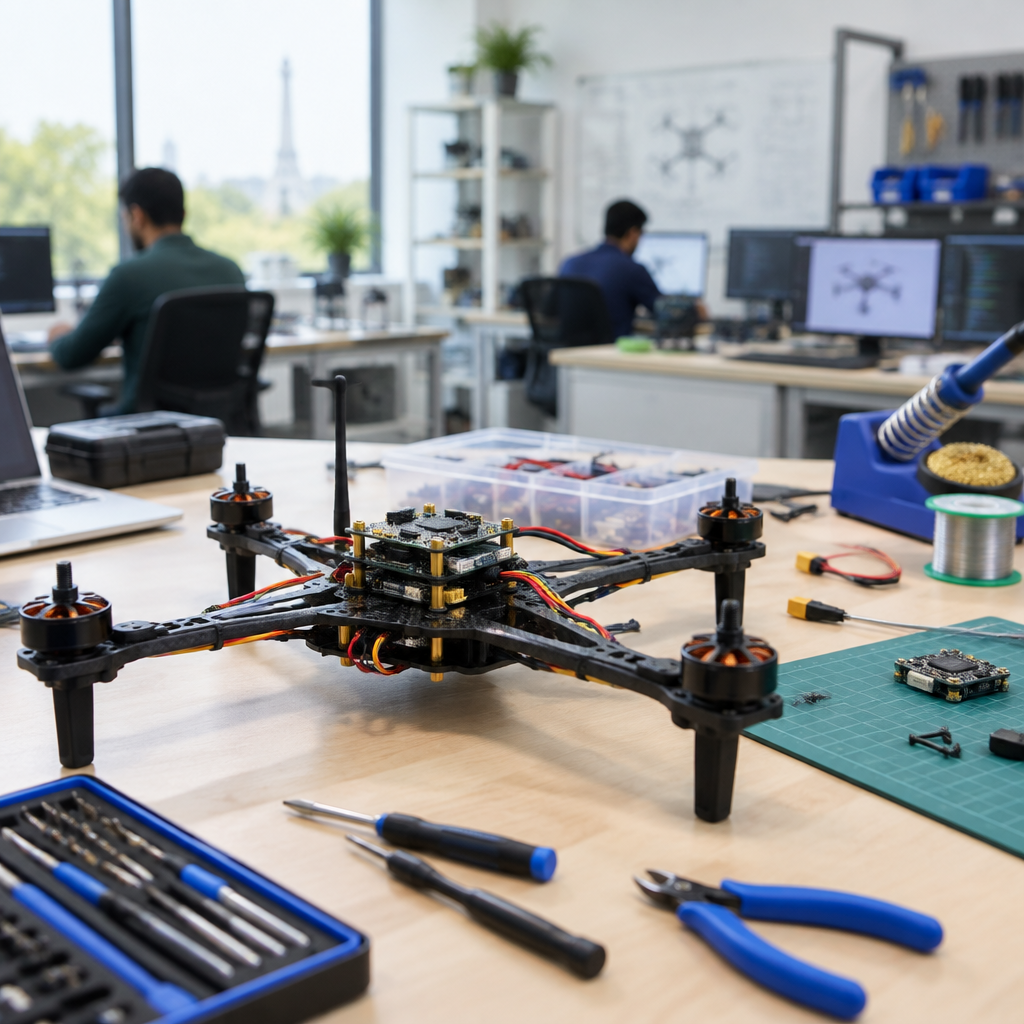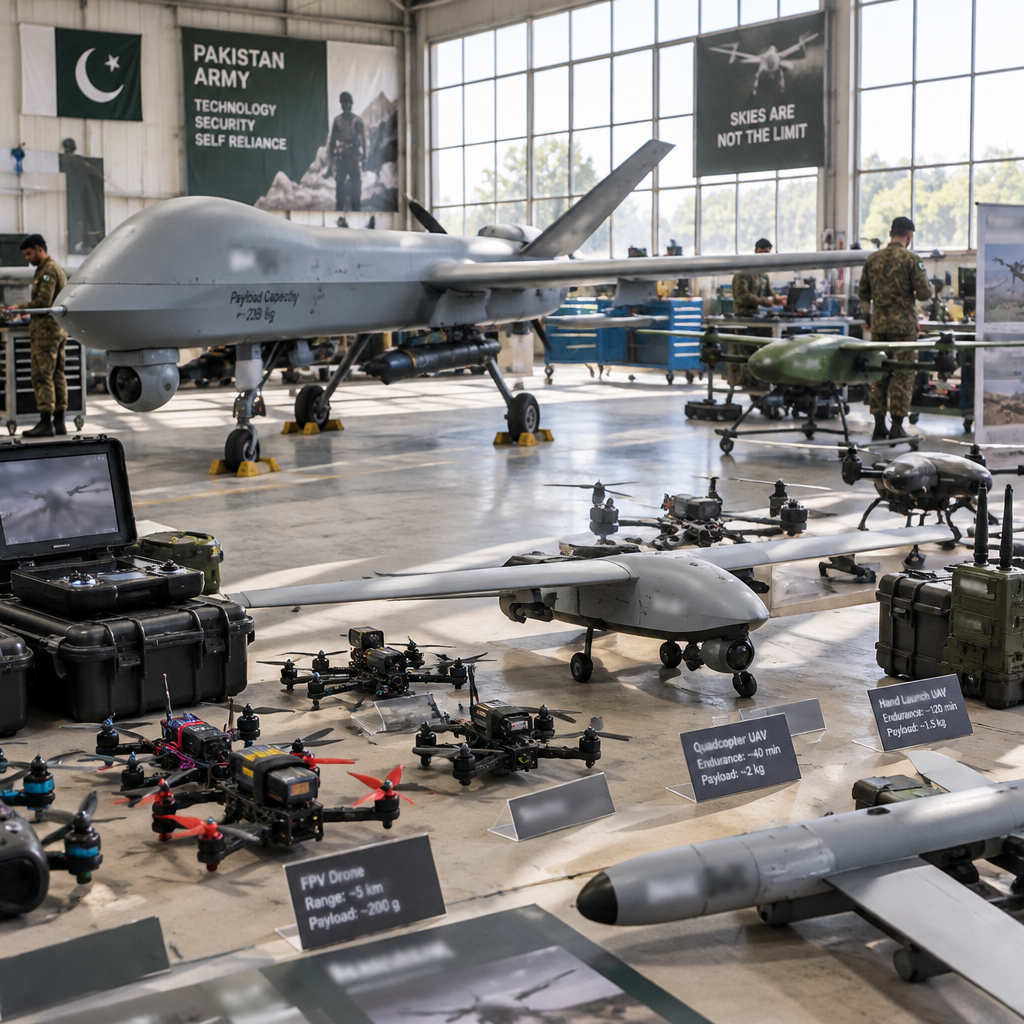
"Pakistan’s armed forces are acquiring unmanned systems across most major classes, from high-endurance unmanned aerial vehicles (UAVs) with payloads of 400 kg to hand-held first-person-view (FPV) drones, and a diverse range of other systems in between," according to a Quwa survey of Pakistan’s drone programs.
Scope and suppliers: a broad vendor base
The survey documents a procurement picture that is both broad and deliberately redundant. Pakistan’s armed forces draw on multiple original equipment manufacturers (OEMs) in China, Türkiye, the United States, Azerbaijan, and, crucially, domestic vendors. That vendor mix spans imports and indigenous efforts; the report says Pakistan’s fixed-wing UAV inventory includes both home-grown systems and imports from China, Türkiye, and Western Europe.
The practical effect of that diversity is twofold: it reduces reliance on any single external supplier, and it creates pathways for technology transfer and local industry participation that the survey describes as intentional parts of Pakistan’s acquisition strategy.
Platform variety: from high-endurance fixed-wing to hand-held FPVs
The survey traces Pakistan’s interest across the full spectrum of unmanned systems. On one end are high-endurance, fixed-wing UAVs — historically centered on piston engines such as Rotax units — that have typically been used for intelligence, surveillance, and reconnaissance (ISR). The report places the General Atomics MQ-1 Predator in historical context as an early multi-role platform that combined ISR and attack capabilities and pioneered satellite-based beyond-line-of-sight (BLoS) data-links.
On the other end are small-form-factor systems, including hand-held first-person-view (FPV) drones and loitering munitions. The survey frames Pakistan’s induction of this wide set of effectors as deliberate: the armed forces are fielding both high-end capabilities (payloads up to 400 kg are cited) and low-cost, expendable systems to meet different tactical problems.

Audit-ready is a season. It shouldn't be.
Evidence in spreadsheets, controls drifting between audits, frameworks multiplying on flat headcount. Nubivance runs continuous compliance on Rapid7 Cyber GRC - SOC 2, HIPAA, ISO 27001, PCI, CMMC.
End the scrambleIndustrial strategy: indigenization and upstream inputs
Beyond buying finished systems, Pakistan’s defence planners have opened pathways for domestic suppliers to participate not only in assembly but also upstream inputs. The report specifically notes efforts to indigenize components such as engines, and to scale industrial support structures that range from advanced targeting infrastructure to broader manufacturing capacity.
That combination — procurement plus local industrial development — is described as an effort to match scale-of-requirement assumptions: planners expect broad demand in a future conflict environment and are structuring the supply chain accordingly.
Learning from current conflicts: adapting trends from Ukraine
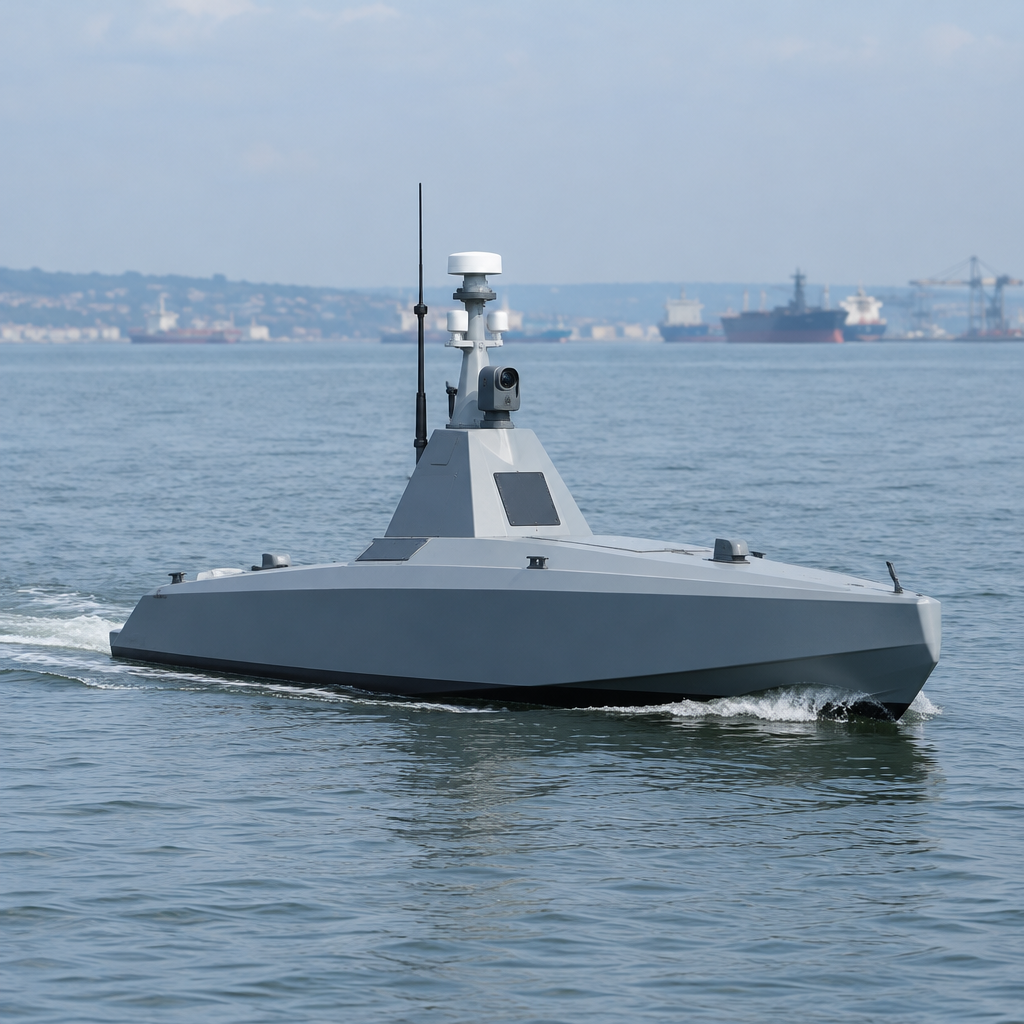
The survey places Pakistan’s trajectory alongside trends observed in the Russia–Ukraine War. It notes the export of battlefield lessons beyond the immediate theater, citing Ukraine’s use of unmanned surface vessels (USVs) to strike Russian vessels in Libya as an example of how unmanned tools and their supporting targeting and command-and-control architectures can be applied at distance. The report argues Pakistan is "adapting in lockstep with those trends," incorporating both effectors and the support systems that make them tactically and strategically valuable.
What this means for defence planners, domestic industry, and technologists
- Defence planners: will continue to balance imported platforms with home-grown systems, using procurement to secure capability today while building industrial capacity for tomorrow.
- Domestic industry and procurement leaders: are positioned to expand beyond final assembly into upstream components such as engines, which the survey identifies as an explicit indigenization priority.
- Technologists and security teams: should watch the interaction between new effectors and the supporting targeting and command-and-control infrastructure, since the survey links those systems directly to how drones will yield strategic impact.
Conclusion: Pakistan’s approach, as described in the survey, is comprehensive rather than piecemeal. Acquisition spans nearly every class of unmanned system, procurement sources are diversified, and an explicit industrialization push aims to secure upstream inputs. Together, those elements make drone adoption central to Pakistan’s current and future warfighting concepts — from ISR to strike, from hand-held FPVs to high-endurance platforms — and shape the practical questions that follow: how quickly indigenized inputs will substitute imports, how targeting architectures will be secured, and how doctrine will evolve as these systems are fielded at scale.
Source: Survey of Pakistan’s Drone Acquisitions & Development Programs — Quwa