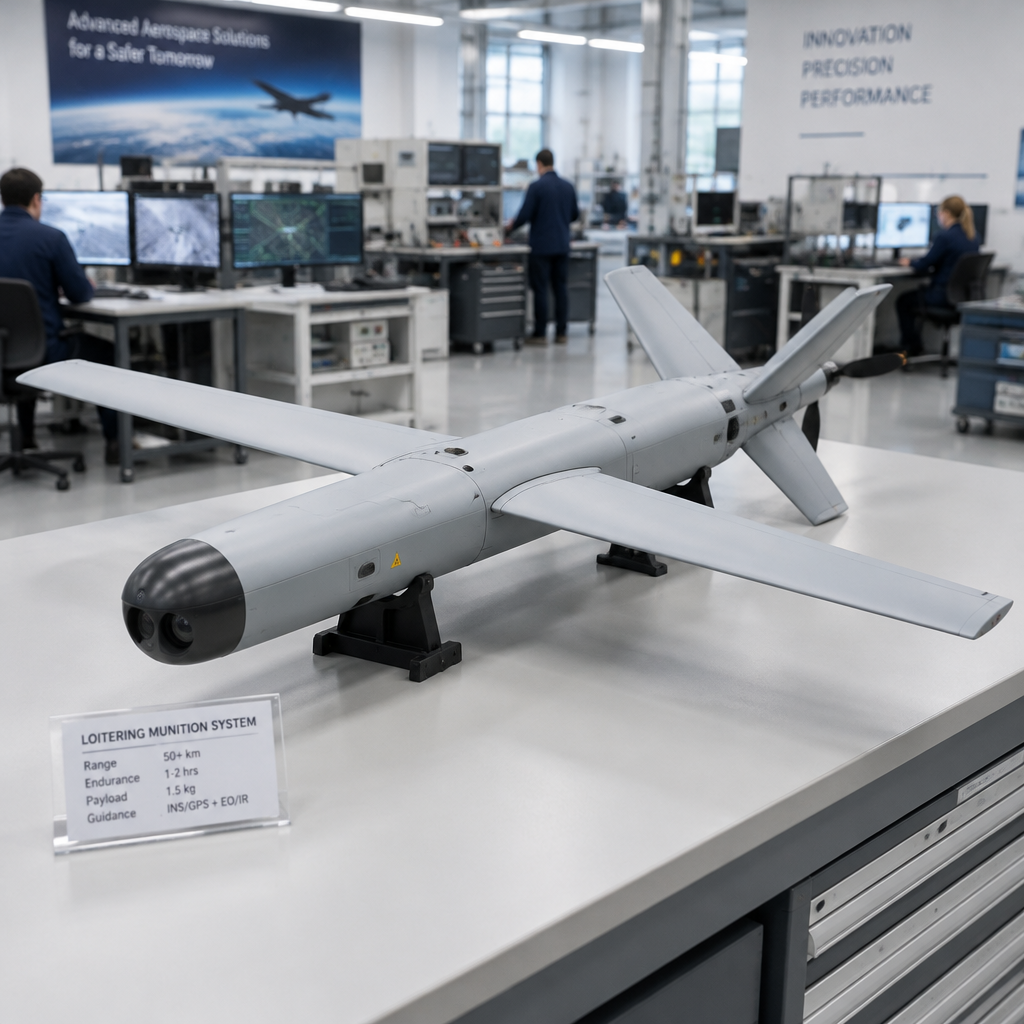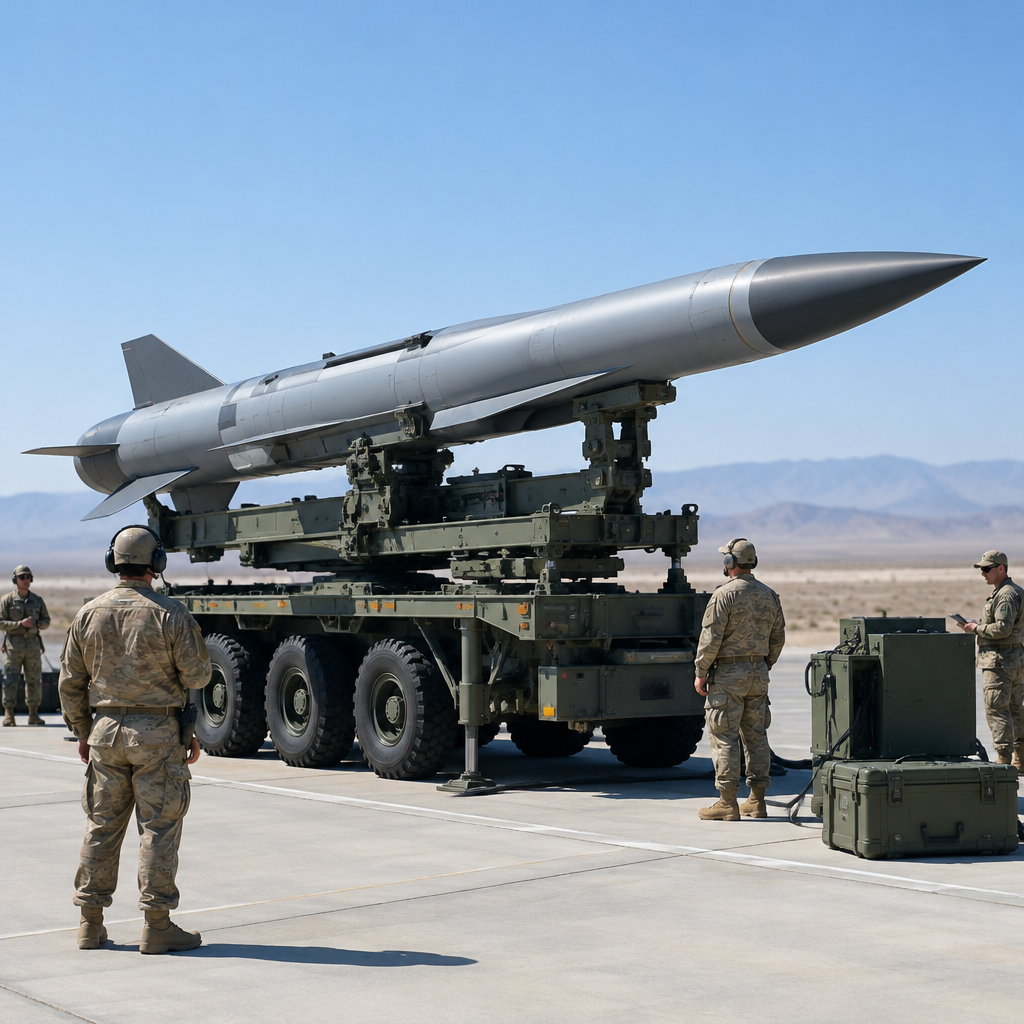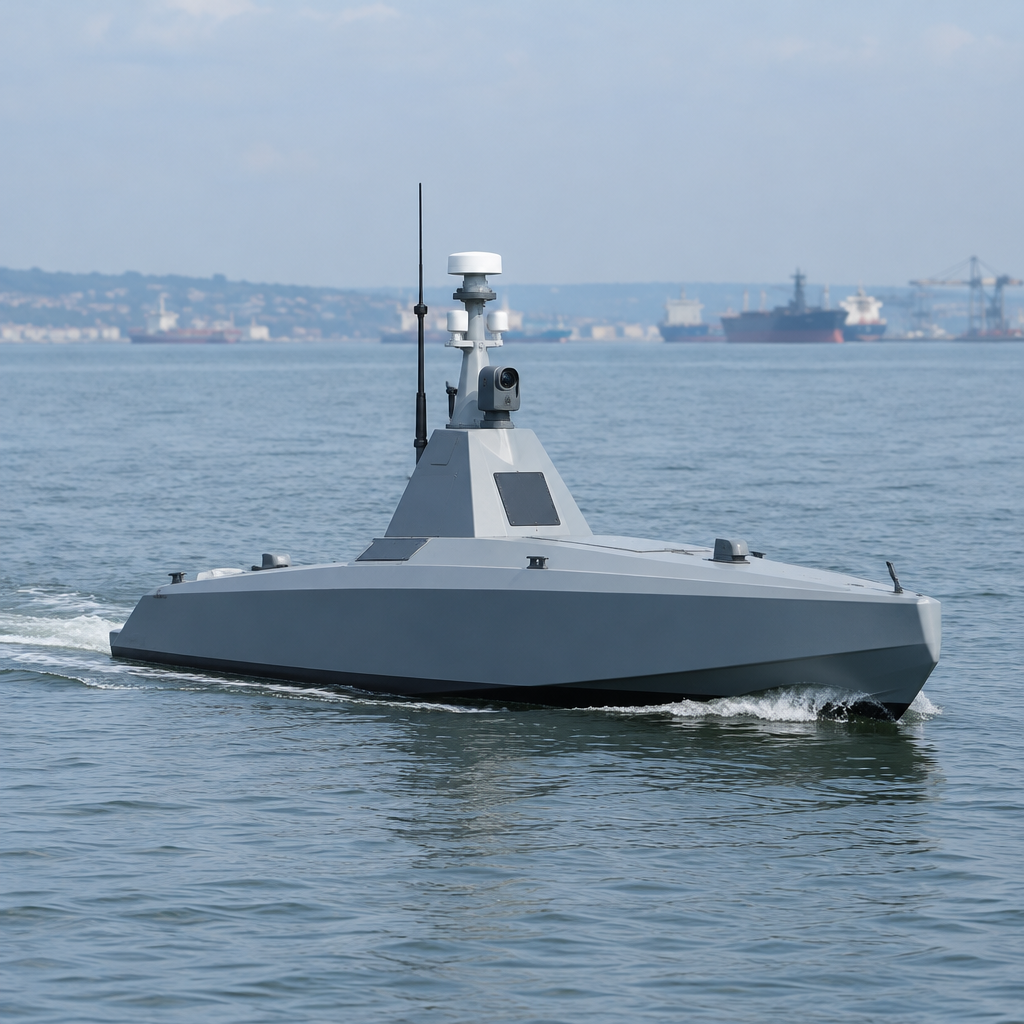
Founded in 2021, Woot-Tech began with commercial VTOL drones for agriculture and survey work and, within a few years, built a product line that now includes armed multirotors, one-way attack (OWA) or loitering munitions drones, low-cost cruise missiles, target drones, and drone-swarm systems.
Walnut: the flight controller at the centre of Woot‑Tech aircraft
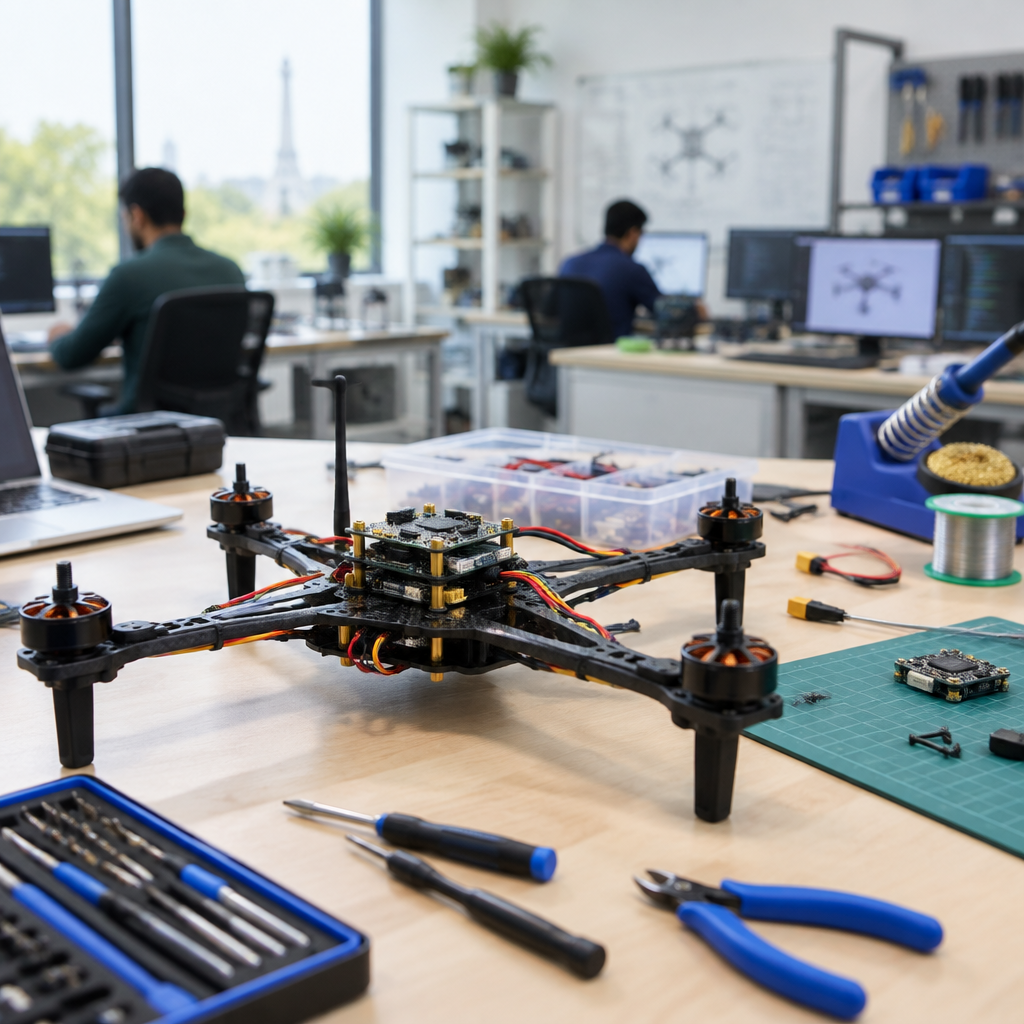
Walnut is Woot‑Tech’s in‑house flight controller — the “brain” that stabilizes aircraft, runs autonomous flight profiles, and hosts other onboard subsystems. The company uses Walnut across its own platforms, including multirotors such as the Juggernaut Gunship and its HiMark‑25‑series OWA drones, positioning the autopilot as an integral technology across both multirotor and fixed‑wing loitering munitions designs.
From internal subsystem to standalone product
Woot‑Tech is now offering Walnut as a standalone product rather than only as part of integrated systems. A source from Woot‑Tech told Quwa the company sees an opportunity to supply key software and hardware subsystems to Pakistan’s growing drone industry, and that several vendors inside Pakistan are already evaluating Walnut for use in their own drone solutions.
Marketing for Walnut currently runs under Skynacues, a brand Woot‑Tech uses for internal software and electronics projects. The company is weighing whether to spin Walnut off into a separate business to make a clearer distinction between subsystem sales and its integrated drone‑systems programs.

Audit-ready is a season. It shouldn't be.
Evidence in spreadsheets, controls drifting between audits, frameworks multiplying on flat headcount. Nubivance runs continuous compliance on Rapid7 Cyber GRC - SOC 2, HIPAA, ISO 27001, PCI, CMMC.
End the scrambleSkynacues, market strategy, and the push to widen the supplier base
The Woot‑Tech source told Quwa the company wants more firms to enter Pakistan’s drone sector with their own solutions. Walnut is one of several subsystems Woot‑Tech has developed with that objective in mind: to reduce barriers for startups and established players building platforms for both defence and civilian markets.
That framing makes Walnut a product with dual utility — a packaged autopilot aimed at new entrants seeking ready‑made avionics and at incumbent manufacturers looking to substitute or augment in‑house flight controllers.
How Pakistani drone makers, defence buyers, and civilian users are responding
- Pakistani drone makers: Several domestic vendors are evaluating Walnut for integration into their designs, signaling early commercial interest in an off‑the‑shelf autopilot that can shorten development timelines.
- Defence buyers and programmes: Defence customers now face a supplier environment in which a private company markets both finished platforms and modular subsystems; that could change procurement choices between turnkey systems and component‑level sourcing.
- Civilian users (agriculture and survey): The same autopilot technology that Woot‑Tech applies to military designs traces its origins to commercial VTOL work, which may make subsystem availability attractive for non‑defence applications such as agricultural and survey drones.
What Walnut’s availability reveals about Woot‑Tech’s evolution
The move to sell Walnut separately is consistent with the company’s broader shift. Woot‑Tech began in commercial vertical take‑off and landing platforms and, after early success, expanded into defence domains and more complex systems. Offering a core avionics element as a product suggests a strategy to monetise internal engineering, to support third‑party platform development, and to create an alternative revenue stream distinct from full system sales.
Whether Walnut becomes a distinct business under Skynacues or an entirely separate spin‑out remains undecided; Woot‑Tech is actively weighing that option. The next clear milestone will be whether the vendors currently evaluating the autopilot move to purchase and integrate it, and whether Woot‑Tech formalises Skynacues as an independent product line.
Original Quwa report: Woot‑Tech Offers Its Walnut Autopilot to Pakistan’s Drone Makers