“It was a 90-minute call. It was substantial and went into the issues. There are large gaps in positions,” Norway’s Prime Minister Jonas Gahr Støre told NRK after he and Finnish President Alexander Stubb spoke with Russian president Vladimir Putin.
The Støre–Stubb call with Putin
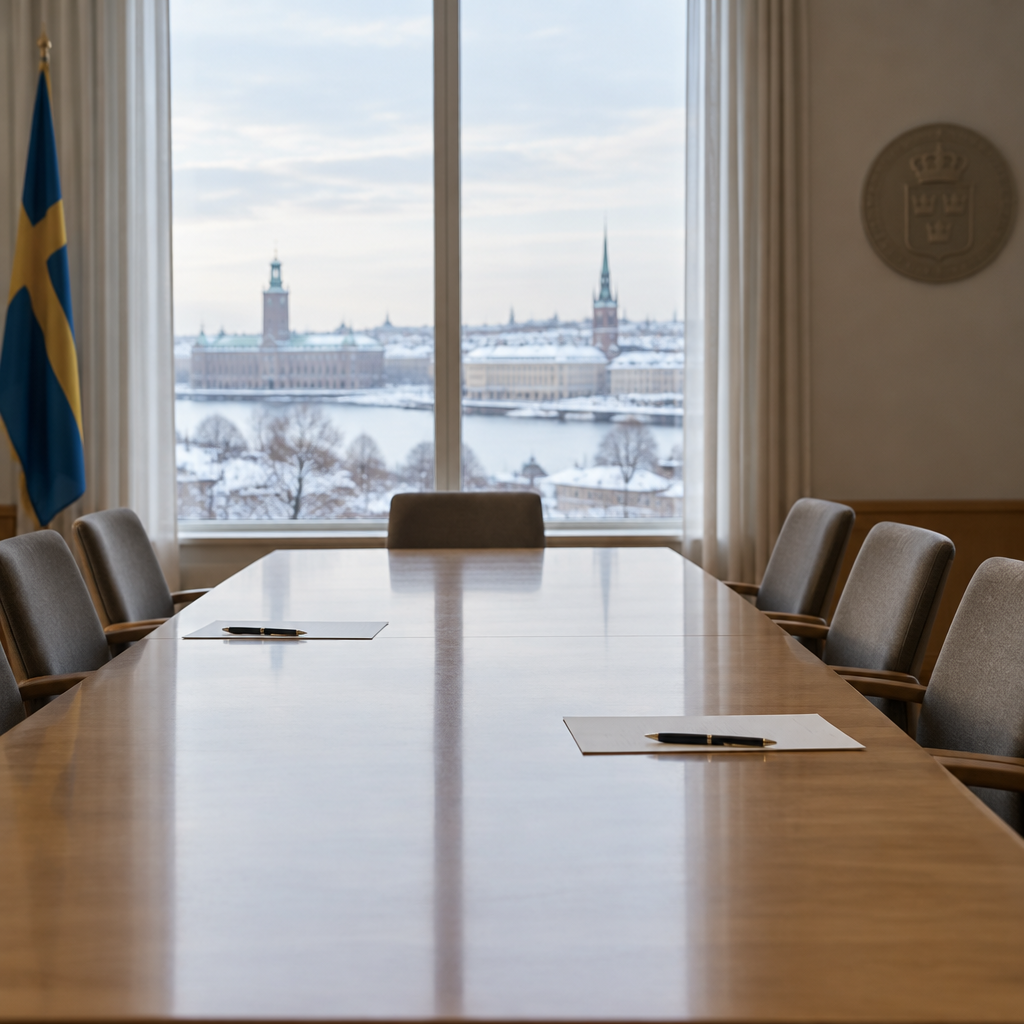
Finnish President Alexander Stubb and Norwegian Prime Minister Jonas Gahr Støre held a rare, joint telephone conversation with President Vladimir Putin on Tuesday to discuss the war in Ukraine. The leaders said the call was a follow-up to a meeting in Oslo one week earlier in which they hosted Ukrainian President Volodymyr Zelenskyy and US special envoy Steve Witkoff; representatives from several other countries, including Germany and Poland, attended that Oslo session.
Støre said the conversation had been intended to last 20 minutes but ran 90. Both leaders emphasized that they took the call “as leaders of their respective countries and did not speak on behalf of Europe as a whole,” and Stubb stated that “Ending the war requires direct discussions.” Russia’s Ministry of Foreign Affairs posted that Putin “stressed that a just and lasting peace can only be achieved if the Russian Federation’s legitimate interests are fully and unconditionally taken into account.” The Financial Times, the reporting noted, said Putin spent much of the call complaining about Slavic history.
Immediate Nordic and European responses
The call provoked swift and varied reactions across Europe. Denmark’s Prime Minister Mette Frederiksen told Danish TV 2 she was “very sceptical about this Norwegian and Finnish solo initiative. It has not been coordinated with the rest of us,” adding, “I believe we should keep Europe united instead of going it alone.”
Sweden’s Prime Minister Ulf Kristersson, who was in Helsinki for the Nordic Council’s annual session, said, “My view is that everyone wants peace except Putin. I have rather low expectations for this kind of talks,” and noted he had not been briefed immediately on the outcome. Baltic opinions were cautious: Estonia’s Minister of Foreign Affairs Margus Tsahkna said he had been briefed and posted on X that “Only increased pressure on Russia will make it take peace negotiations seriously” and that contacts “must convey Europe’s unity and determination to support Ukraine and maintain pressure on Russia.”

This site is the portfolio.
OSINTSights runs on Cloudflare Workers, D1, R2, and Vectorize, with an AI pipeline on Hetzner ARM. Nubivance designed, built, and operates it. We do the same for clients.
See what we buildBorder geography and the security logic behind the call
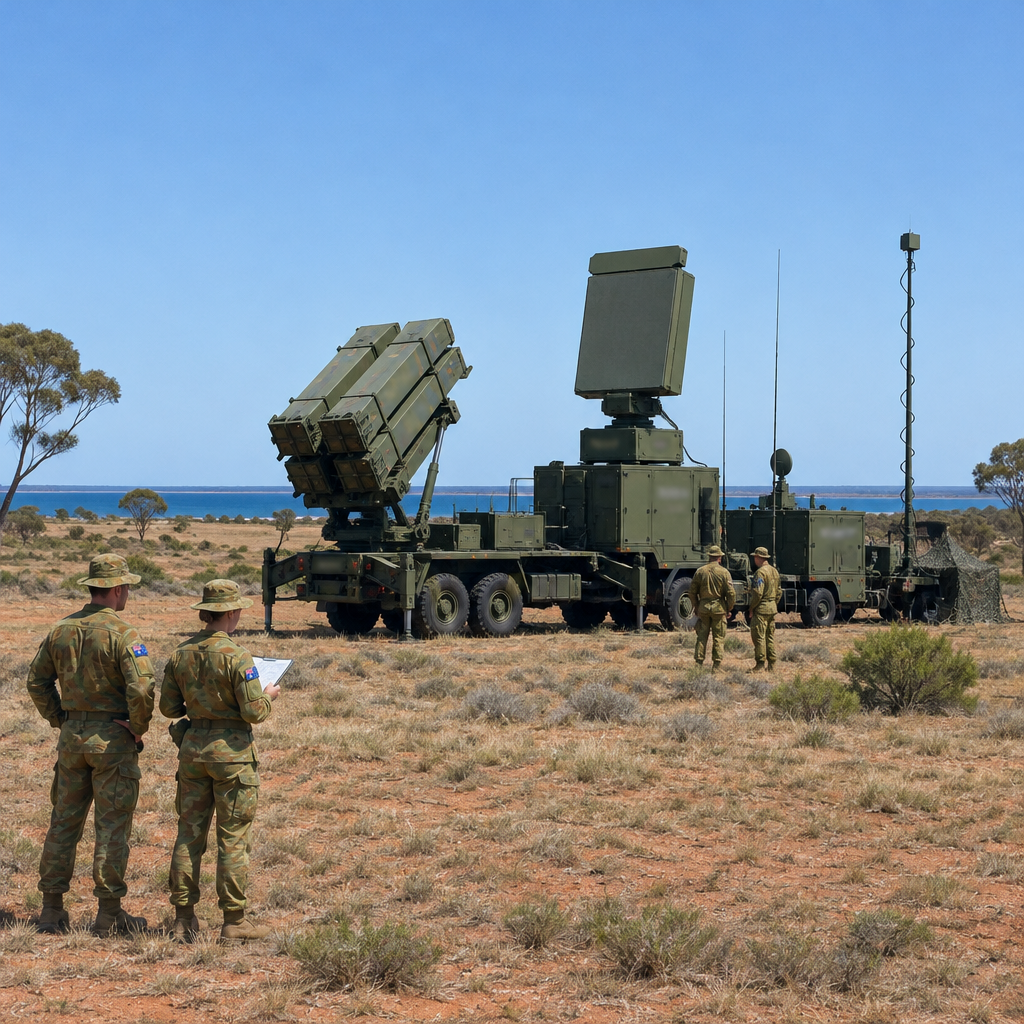
Analysts and officials point to proximate geography and long experience as an explanation for why Finland and Norway led the initiative. Finland shares a 1,340-kilometer land border with Russia; Norway borders Russia in the High North near the Kola Peninsula, which the report noted “hosts Russian nuclear capabilities.” The piece also emphasized Sweden’s strategic location in the Baltic Sea region for the alliance’s northern flank.
Henri Vanhanen, a Finnish foreign-policy analyst, wrote on X that Finland brings “long experience dealing with Russia, while Norway brings decades of expertise in security dialogue on the northern regions.” Vanhanen also noted that “Norway is not part of the EU, but Finland is,” allowing the pair to act as European NATO allies without deciding who should represent the EU or Europe as a whole.
Military and defense voices from the Nordics
Senior military professionals framed the call within persistent preparedness. Maj. Gen. Johan Pekkari, the Swedish army chief, told Breaking Defense that “Our dimensional threat will continue to be Russia,” adding that the Nordic community shares the same view though it may differ “how we pronounce it.” He said sabotage is among the scenarios Sweden anticipates and prepares for using “different tools.”
Tuija Karanko, secretary general of the Finnish Defense and Aerospace Industries, described a Finnish mentality of preparedness: “We definitely know what is going on and I would claim that we know it better than anybody else — the Finnish way is not to be very vocal about this, there is no need to go around and say what we think might happen.” Trond Nilsen, the acting chief of the Norwegian Army, stressed readiness for an invasion scenario, warning about the prospect of multiple waves of attack and the need to plan beyond an initial defense.
Analysts on intent and European cohesion: Vanhanen and Townsend
Observers quoted in the report diverge on whether the call signals an erosion of unity or a pragmatic step. Vanhanen framed the initiative as predictable and rooted in geography and experience. Jim Townsend of the Center for a New American Security called the call “a first step in what could be a great role for Europe in negotiating a ceasefire in Ukraine,” and described Stubb as a pragmatic leader with broad relations.
Townsend cautioned that Europe “is hardly a unified monolith,” pointing to internal strains — he mentioned riots in France, the rise of the far-right in Germany and ongoing economic challenges — and suggested the call reflects that some leaders are beginning to say publicly what others have discussed privately about finding a way out of the Ukraine situation.
The call between Stubb, Støre and Putin has already prompted public friction among close Nordic and European partners. Whether it becomes a catalyst for a new diplomatic track or a single, isolated initiative will depend on follow-up: whether other capitals coordinate, whether Kyiv and its partners accept any new format, and whether the substantive gaps Støre described are narrowed in future exchanges.