Dutch Defence Ministry Charts New Territory with Transatlantic AI Drone Pact
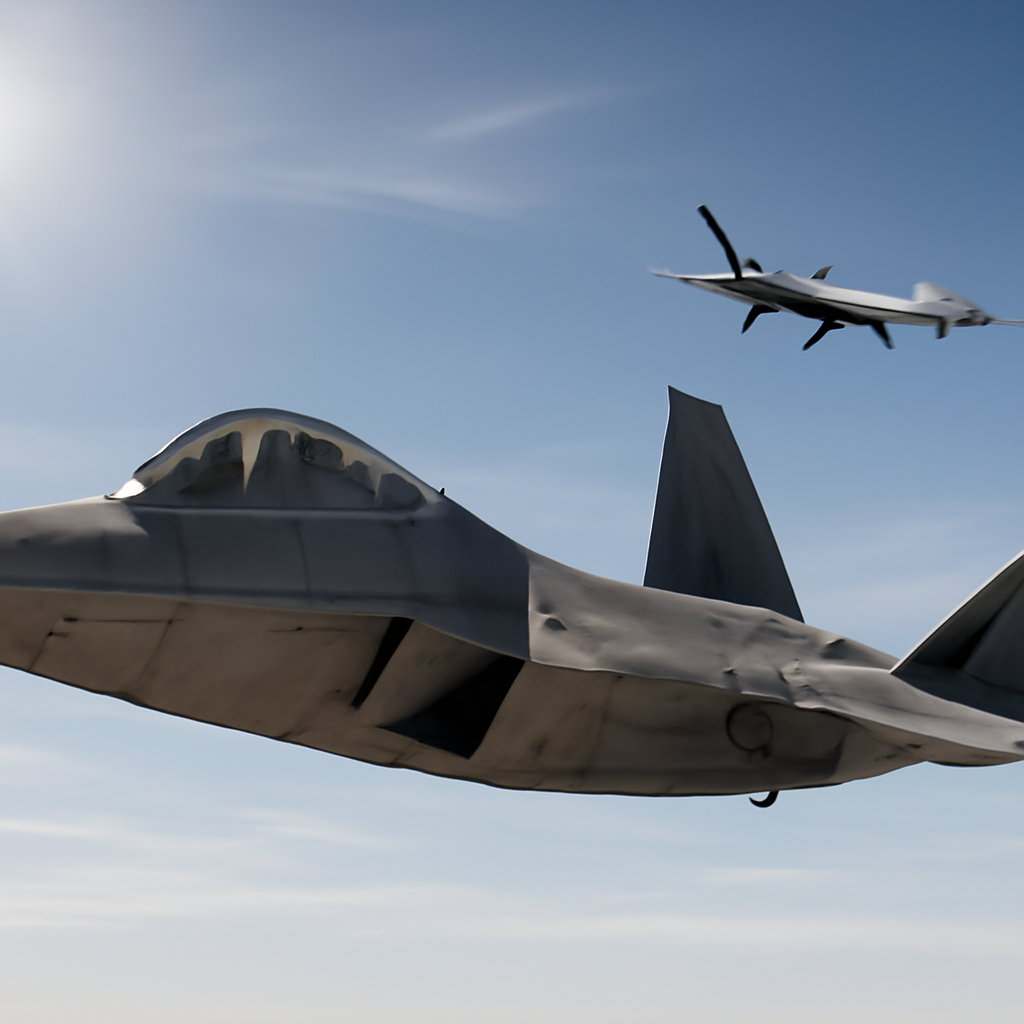
In a move that underscores the evolving dynamics of modern warfare and transatlantic cooperation, the Dutch Ministry of Defence has finalized a landmark deal with a major United States defense contractor to integrate artificial intelligence into drone technology. The agreement, announced amid intense deliberations over Europe’s long-standing quest for technological autonomy, signals a strategic pivot toward leveraging American innovations while navigating the continent’s independent aspirations.
Early reports confirm that the contract, valued at several hundred million euros, will see the deployment of next-generation drones capable of autonomous operations spanning surveillance, reconnaissance, and defensive measures. The deal, verified by official releases from the Dutch Ministry of Defence and corroborated by statements from U.S. defense industry representatives, aligns with a broader governmental strategy aimed at modernizing military capabilities as geopolitical tensions and rapid technological shifts redefine global security.
This decisive step marks a significant collaboration between the Netherlands and its American counterparts, blending cutting-edge artificial intelligence with unmanned aerial systems. Officials argue that the integration of AI into drone operations not only enhances mission effectiveness but also reinforces interoperability with NATO allies, a necessity in an era where coordinated defense strategies increasingly hinge on technological parity.
Historically, the Netherlands has demonstrated a pragmatic approach to defence procurement, balancing its own requirements for technological independence with the benefits of allied partnerships. Over recent decades, successive governments have invested in innovative military capabilities, often partnering with U.S. firms renowned for pushing the envelope in defense technology. This latest deal is a natural progression of that strategy, as policymakers take stock of both the growing sophistication of AI platforms and the inherent advantages of transatlantic collaboration.
The contract’s announcement comes at a time when Europe is wrestling with the dual imperatives of cultivating domestic technological expertise and maintaining close ties with long-standing allies. European leaders have periodically debated the merits of a self-sufficient defense industry versus the cost efficiencies and advanced capabilities inherent in foreign technology transfers. In this light, the Dutch decision to engage an American partner reflects a nuanced compromise: embracing a proven technological leader while ensuring that future integration efforts remain adaptable to Europe’s security landscape.
According to documented government briefings, the US firm—the identity of which has been confirmed in public communiqués—will be responsible for delivering platforms that harness machine learning and data analytics to optimize decision-making in complex operational environments. With features including real-time data processing, autonomous threat detection, and rapid mission re-tasking, these AI-enabled drones are set to redefine the parameters of surveillance and defense within Dutch military operations.
Industry observers note that the new drones will likely incorporate a range of sensors and communication systems designed to function effectively even in contested electromagnetic environments. As documented in previous analyses by the Atlantic Council and the RAND Corporation, such advancements are essential for mitigating vulnerabilities in modern combat scenarios. They represent the convergence of artificial intelligence and advanced aeronautics—a combination that experts agree is rapidly becoming indispensable in today’s defense strategies.
Beyond the immediate capabilities provided by the contract lies a broader strategic consideration: the balance between reliance on American technological prowess and the burgeoning drive among EU states to cultivate homegrown innovation. Dutch defense officials have acknowledged that while the current arrangement leverages U.S. expertise, there are parallel initiatives aimed at fostering Europe’s self-reliance in critical technologies. In public statements, a spokesperson for the Ministry emphasized that “this partnership is mutually beneficial, serving immediate operational needs while also paving the way for future collaboration with European industry partners.”
From a policy perspective, this deal is layered with implications. The immediate benefit is clear: the enhancement of operational capacities that are both versatile and resilient, capable of supporting a range of missions from border surveillance to rapid response in crisis zones. In tactical terms, the integration of AI into drone operations is anticipated to reduce the latency between threat detection and engagement, thereby offering commanders a decisive edge in rapidly evolving conflict scenarios.
However, the ripples of this agreement extend far beyond the battlefield. The decision to align closely with a U.S. contractor carries significant diplomatic and economic dimensions. Diplomatically, the pact reaffirms the close defense ties that have long underpinned the transatlantic partnership, especially in a period marked by shifting geopolitical alliances. Economically, it underscores the competitive landscape in which defense contractors operate, where innovation is not only a matter of national security but also of maintaining a technological edge in the global market.
Moreover, this initiative arrives as European institutions and national governments are increasingly scrutinizing the ethical and operational challenges posed by autonomous systems. The integration of AI into military hardware has spurred rigorous debates about the roles of human oversight, accountability, and the potential implications for international law. While officials have assured that rigorous review processes are in place, unanswered questions remain about how emerging technologies might alter traditional rules of engagement and influence the future conduct of warfare.
Notably, several defense analysts and industry experts have weighed in on the matter. John R. Allen, former U.S. Marine Corps General and noted strategic thinker, has observed that “the future of warfare lies in the intelligent integration of machine capabilities with human decision-making.” Although his remarks highlight the technological potential of AI-enabled systems, they also serve as a reminder of the delicate balance between leveraging innovation and retaining meaningful human control—a point of concern echoed by experts at the Center for Strategic and International Studies (CSIS).
In a comprehensive review published last month by CSIS, analysts underscored that autonomous systems, while promising substantial operational benefits, also present unique risks if not carefully managed. The report stressed the importance of establishing robust verification, validation, and oversight mechanisms to ensure that these systems behave as intended in the heat of conflict. Such mechanisms are particularly crucial when operating across international legal and ethical frameworks.
Looking forward, the ramifications of the Dutch deal are poised to influence both regional and global security postures. On one hand, the capability boost conferred by advanced AI drones is expected to enhance the operational readiness of Dutch forces, thereby strengthening NATO’s collective security architecture. On the other hand, it raises questions about how European defense procurement strategies might evolve in response to the dual imperatives of security and technological sovereignty.
In the near term, observers anticipate that the deployment of these AI-driven drones will be accompanied by a period of extensive testing and evaluation. Military exercises planned in the coming months are likely to serve as crucial proving grounds, offering insights into the systems’ performance under various operational conditions. In these scenarios, the interaction between autonomous systems and human operators will be scrutinized, with lessons learned expected to inform subsequent iterations of both technology and tactics.
Furthermore, as governmental and military agencies worldwide take stock of rapid technological advances, the Dutch contract provides a template for how cross-border collaborations can be structured. It illustrates that while Europe may strive for technological independence, practical imperatives often necessitate close cooperation with established defense industry leaders. This dynamic underlines a broader truth in modern defense: innovation rarely occurs in isolation, and the benefits of shared expertise can be as pivotal as the technologies themselves.
- Strategic Enhancement: The new drones offer the potential to enhance real-time threat assessment and rapid response capabilities through advanced data analytics.
- Interoperability: The integration of AI-equipped systems reinforces alliances by ensuring compatibility with NATO’s defense infrastructure.
- Ethical Considerations: Ongoing debates surrounding autonomous systems highlight the need for robust oversight and accountability frameworks.
- Technological Balance: The pact exemplifies the delicate equilibrium between relying on American innovation and fostering European technological self-reliance.
Behind the technical details lie human stories of innovation, risk, and commitment. For Dutch military personnel, the promise of enhanced situational awareness and operational precision carries tangible benefits in terms of both safety and strategic deterrence. In boardrooms and policy meetings, the negotiation of such technology transfers involves careful deliberation over mission objectives, ethical constraints, and long-term security implications—a process that is as much about human judgment as it is about coding and machine learning algorithms.
It is in these multifaceted debates that the human dimension of defense procurement becomes evident. The decision-makers tasked with forging such agreements must navigate a complex web of national interests, industrial capabilities, and moral considerations. For the service members on the front lines, the advanced technology represents not merely a tool of warfare but also a safeguard against the uncertainties of modern conflict. Each drone, imbued with AI, becomes a symbol of the intricate interplay between technology and the human imperative to secure peace.
As the Dutch Ministry of Defence embarks on this ambitious new chapter, observers both within and beyond Europe will be watching closely. The initiative serves as a bellwether for broader trends in military modernization, influencing future procurement strategies and potentially setting precedents for international collaboration in advanced technologies. With rapid developments on the horizon, policy circles and defense establishments are poised to reassess priorities, especially as the boundaries between conventional and digital warfare continue to blur.
Ultimately, this agreement is more than just a procurement contract; it is a strategic statement. It reflects an acknowledgment that national security in the 21st century is inextricably linked to technological innovation. As European policymakers continue to weigh the merits of achieving complete technological independence versus harnessing the strengths of international partnerships, the Dutch deal provides a concrete example of how such complex trade-offs can be navigated.
In a world where artificial intelligence is increasingly central to the future of defense, the integration of AI drones by the Dutch Ministry of Defence may well prove to be a harbinger of changes across military establishments globally. The ensuing months will reveal the operational impact of this technology and its influence on strategic doctrines. Will other nations follow suit, embracing similar partnerships, or will the debate over technological sovereignty intensify, prompting a reevaluation of defense alliances?
One thing, however, remains clear: the convergence of human insight and artificial intelligence is reshaping the art of war. As the boundaries of technology stretch ever further, the real challenge will be ensuring that these powerful tools serve the cause of peace, security, and the enduring human commitment to protecting society. In this delicate balancing act, the Dutch approach offers a measured yet decisive step forward—a step that reminds us that in today’s complex security environment, progress must be accompanied by prudence and careful oversight.