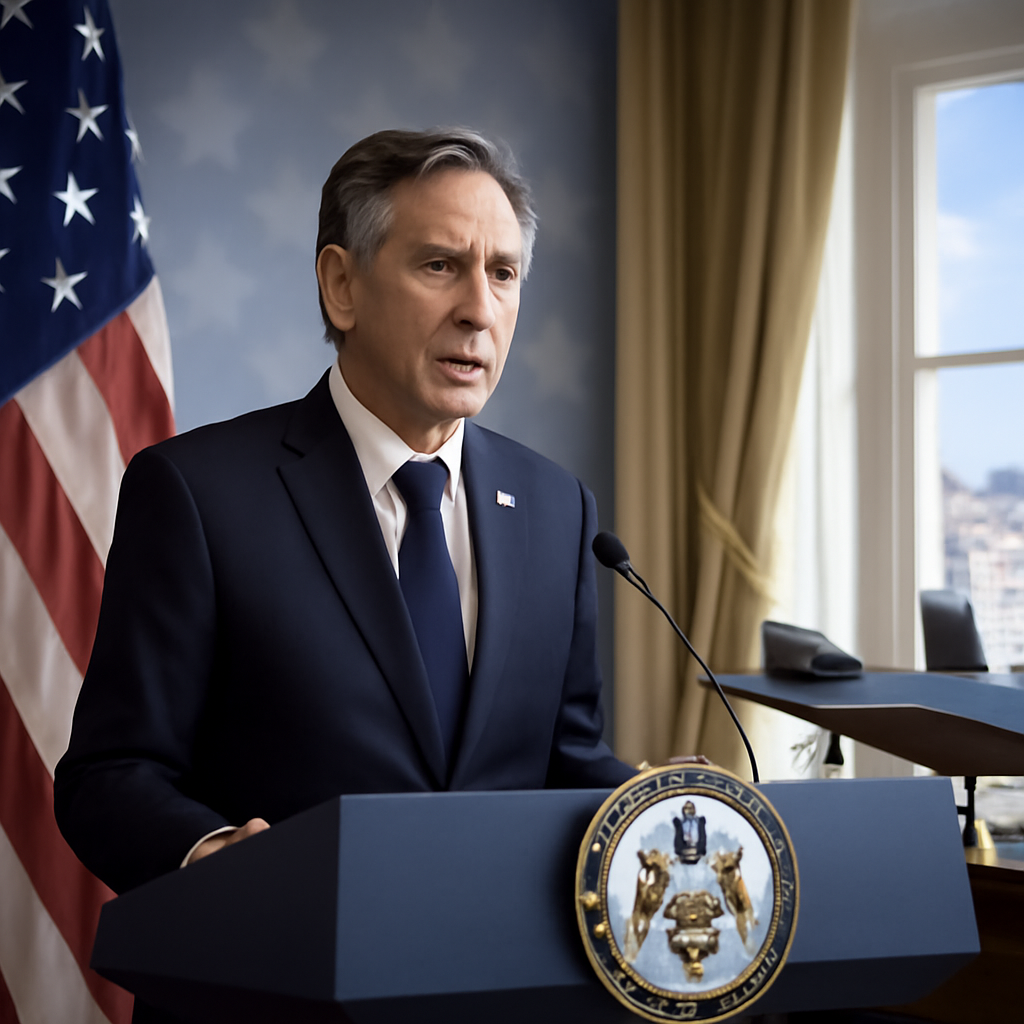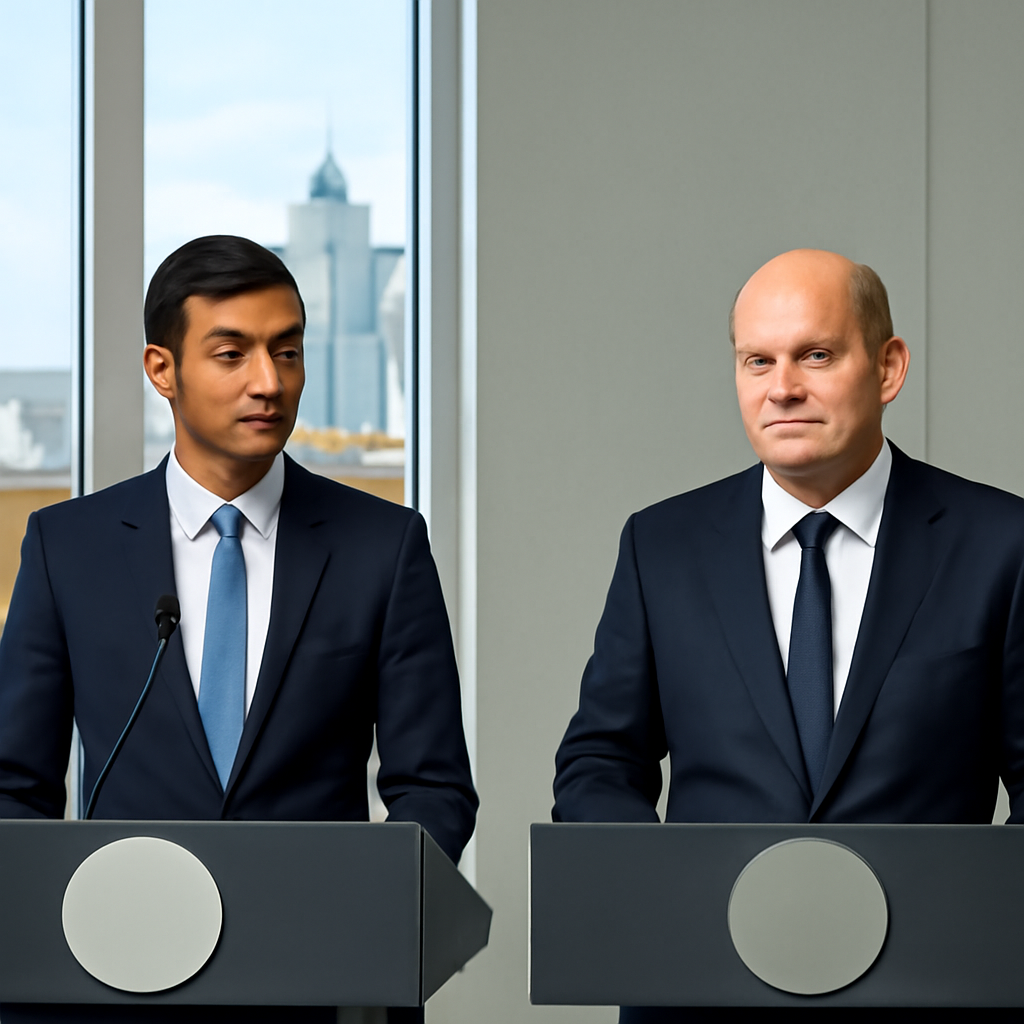
"That is something that we seek to progress in in the coming period, working with our other partners, Italy and Japan, in relation to that as well," Prime Minister Andy Burnham said in Berlin on Thursday.
What Burnham and Merz announced in Berlin
At a joint press conference in Berlin to ratify a bilateral security and defense treaty, Prime Minister Andy Burnham and German Chancellor Friedrich Merz discussed a possible shift in the architecture of next‑generation combat aviation in Europe and Asia. Burnham said the United Kingdom is "open" to Germany joining the Global Combat Air Programme, and that London and Berlin will work "to progress" that possibility with GCAP partners Italy and Japan. The announcement accompanied formal steps to ratify a UK‑Germany security and defense agreement.
Why Germany is reconsidering its path after FCAS
Germany had been part of the Future Combat Air System (FCAS) partnership with France and Spain, but that effort collapsed this summer amid industrial disputes. German officials, the source reports, said they were weighing several paths forward after FCAS collapsed — including launching a brand‑new German project led by FCAS developer Airbus, or joining the UK‑Italian‑Japanese GCAP. Burnham’s comments indicate that the UK is receptive to the latter option and intends to discuss the practicalities with the existing GCAP partners.

This site is the portfolio.
OSINTSights runs on Cloudflare Workers, D1, R2, and Vectorize, with an AI pipeline on Hetzner ARM. Nubivance designed, built, and operates it. We do the same for clients.
See what we buildIndustry responses and the risk of disruption
Some industry figures have publicly signalled cautious welcome for Germany’s potential entry while warning of programmatic cost. Leonardo CEO Lorenzo Mariani said in July that he could see the benefit of Berlin joining but cautioned that any major change risks "disruption." Mariani argued Germany would be a "strong industrial partner," but added that "another nation joining, another group of industries joining the program would risk [producing] some delays," at a moment when GCAP partners are "fully committed to the 2035 [service entry] date." That trade‑off — broader participation versus schedule stability — is central to the negotiation the leaders in Berlin said they will pursue.
Canada’s observer role and the core design goals of GCAP
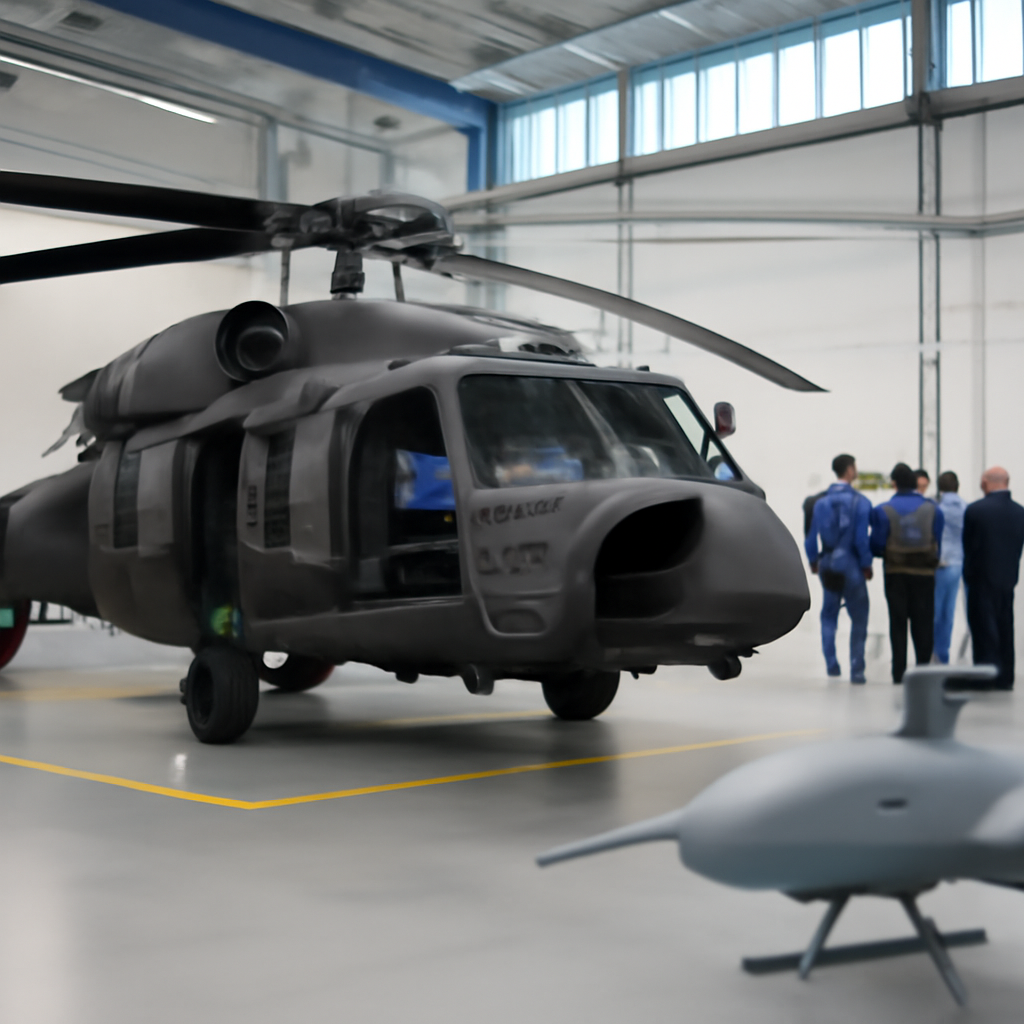
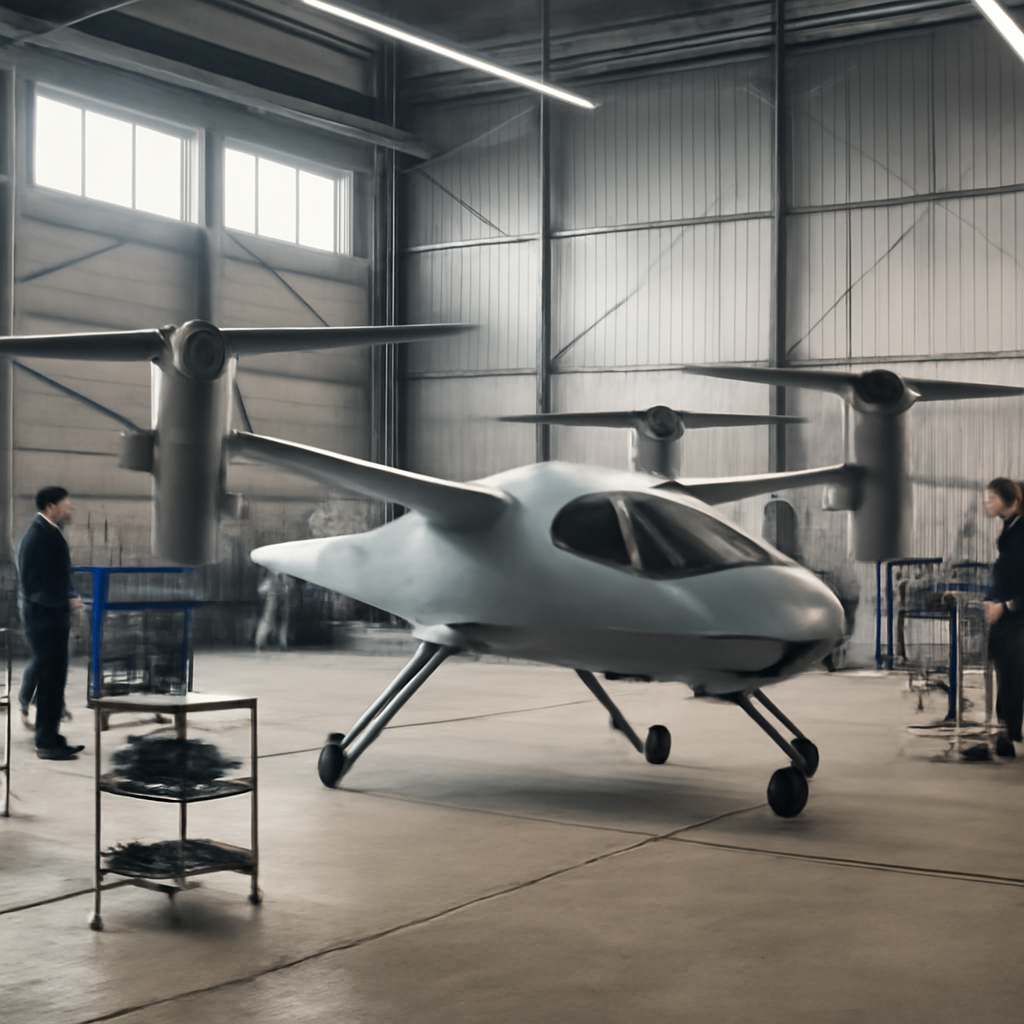
The source notes that Canada joined GCAP as an observer nation in July, a status intended to let Ottawa gain a working understanding of the programme and potentially evolve into a fully fledged partner contributing at an industrial level. The GCAP effort is designed to produce a future fighter that will replace the British and Italian Eurofighter Typhoons and Japanese F‑2 combat aircraft. The programme envisions the new fighter operating alongside "loyal wingmen" drones and supported by a combat cloud communications network — capabilities that underline both the technical ambition and the industrial complexity of the project.
What this means for the UK, Germany, and GCAP industry partners
- UK, Italy, and Japan (existing GCAP partners): If Germany seeks to join, these partners will need to determine how to integrate German requirements and industries without undermining the current schedule toward a 2035 service entry target. The source indicates the UK has signalled willingness to pursue this path "working with our other partners."
- Germany and German industry (including Airbus as the FCAS developer): Berlin faces a decision point after the collapse of FCAS. Options include leading a new German project with Airbus or joining an established multinational effort; the latter would alter GCAP’s industrial footprint and governance.
- GCAP industry partners (Leonardo and others): Senior industry executives have voiced both the advantages of bringing Germany into the programme and the danger of schedule slippage. Leonardo’s CEO publicly framed Germany as a "strong industrial partner" while warning that additional participants could produce delays.
The leaders’ discussion in Berlin ties a political ratification — a bilateral security and defense treaty — to a strategic conversation about the continent’s and allies’ air combat future. Bringing Germany into GCAP would be a major reconfiguration of a programme built by the United Kingdom, Italy and Japan, and it would follow the summer collapse of FCAS that set Germany searching for alternatives. The central tension is clear from the source material: expanded partnership could deepen industrial capability and burden‑sharing, but it also raises the risk of disruption to an ambitious timeline tied to a 2035 service entry.
Leaders in London and Berlin have signalled their intent to discuss the mechanics with the programme’s current partners; what remains open is how those partners will balance potential industrial gains against the schedule and integration risks that Leonardo and others have already highlighted. The conversation the leaders began in Berlin now moves from statements of openness to the harder work of aligning requirements, industrial roles and schedules.