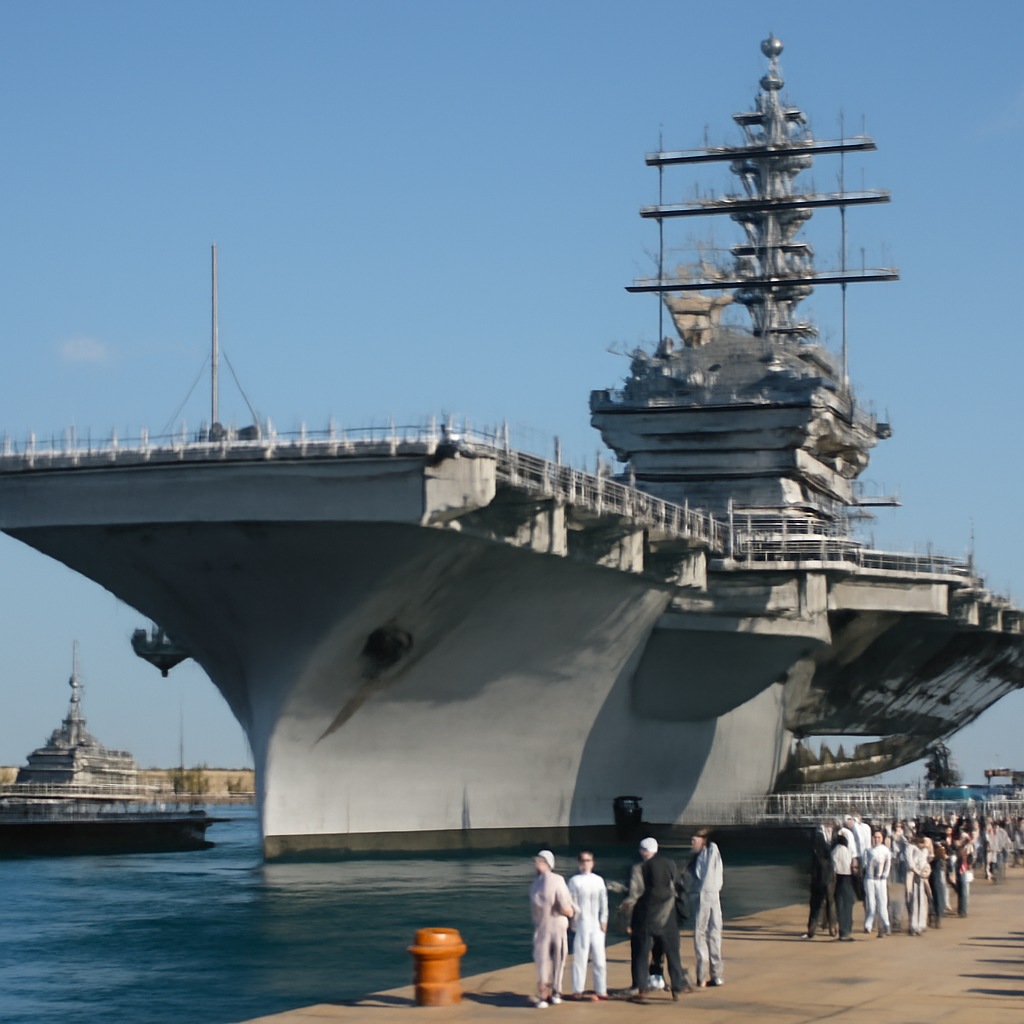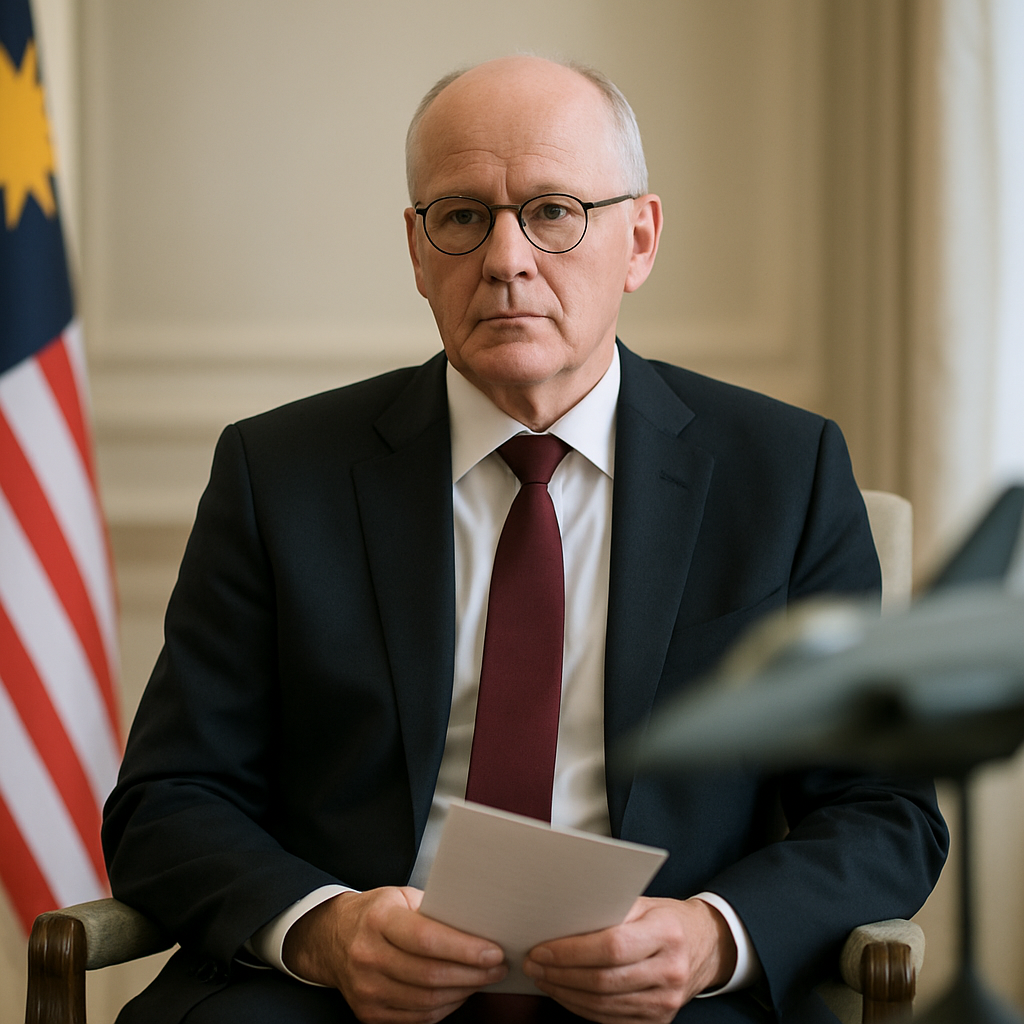
“Malaysia will use diplomatic channels with the Government of Norway to seek further clarifications and find the best solution in the interest of the country,” Malaysian Defense Minister Mohamed Khaled Nordin said after media reports suggested Oslo was reversing a defence export approval tied to a missile purchase.
Mohamed Khaled Nordin’s public response
Defence Minister Mohamed Khaled Nordin published a statement on social media saying he had “taken note of reports” that the procurement is facing a supply issue alongside “Norway’s apparent change of heart.” He said Malaysia would pursue clarifications through diplomatic channels and emphasized that the Ministry of Defense “remains committed to ensuring the country’s defense readiness is unaffected and maintaining good bilateral relations.”
Nordin’s statement did not say whether Kuala Lumpur will seek to recoup any payments made to Kongsberg or whether it will pursue alternative weapons to replace the Naval Strike Missile (NSM).
The 2018 Kongsberg NSM contract and the six LCS
Malaysia and Kongsberg signed a deal in 2018 for supply of an undisclosed number of NSM weapons intended to equip six new Royal Malaysian Navy Littoral Combat Ships (LCS). The contractual quantity was not disclosed in the reporting.
Reports that Norway may be rescinding a defence export approval are being interpreted as likely to signal cancellation of that deal, putting the 2018 agreement at risk.

Your town's IT department is one person. Maybe.
Ransomware crews target small municipalities because nobody's watching. Nubivance gives Maine and New Hampshire towns a security program sized to a town budget.
Protect the town officeImpact on the Royal Malaysian Navy and LCS 1 Maharaja Lela
Should the cancellation go ahead, the reporting states it “would deal a fresh blow to Malaysia’s LCS program,” leaving the navy in need of a new primary anti-ship missile. The risk arrives as Malaysia’s lead ship, LCS 1 Maharaja Lela, “has started sea trials after years of delay.”
Taken together, those facts in the reporting underline an immediate procurement gap for a class of ships explicitly planned to carry the NSM as their primary anti-ship weapon.
Norwegian ministries and Kongsberg did not comment
The Norwegian Ministry of Foreign Affairs, Norway’s Ministry of Defense and Kongsberg “all did not respond to a request for comment by press time,” the report notes. The initial reports that prompted Malaysia’s statement claimed Oslo was reneging on a defence exports approval, producing what the Malaysian ministry described as a potential supply issue.
What Kongsberg’s literature says about the NSM
Company literature cited in the report characterizes the NSM as offering “high survivability against all enemy soft and hard kill defence systems.” The same literature describes the weapon as “designed specifically to destroy air and land based targets out to a range beyond 300km (186 miles).” The document also states the missile “can also travel at high supersonic speed and weighs 407kg (just under 900 pounds).”
How the Royal Malaysian Navy, the Malaysian Ministry of Defense, and Kongsberg are responding
- The Royal Malaysian Navy: Faces an immediate need for a primary anti-ship missile for its six planned LCS; the lead ship, LCS 1 Maharaja Lela, is in sea trials after years of delay, amplifying the operational pressure.
- The Malaysian Ministry of Defense: Per Mohamed Khaled Nordin’s statement, will use diplomatic channels with Norway to seek clarifications and aims to keep defence readiness unaffected while maintaining bilateral relations; the ministry has not disclosed plans to recover funds or select alternatives.
- Kongsberg and Norway’s ministries: Did not respond to requests for comment by press time; reports indicate Oslo may be reneging on an export approval, which Malaysian officials are now seeking to clarify diplomatically.
The immediate, traceable next step is diplomatic: Malaysia will press Norway for clarification. Absent comment from Norway or Kongsberg and without public detail on alternatives or contract remedies, the report leaves a concrete procurement gap for the six LCS and an open question about whether Malaysia will pursue reimbursement, a substitute missile, or both.