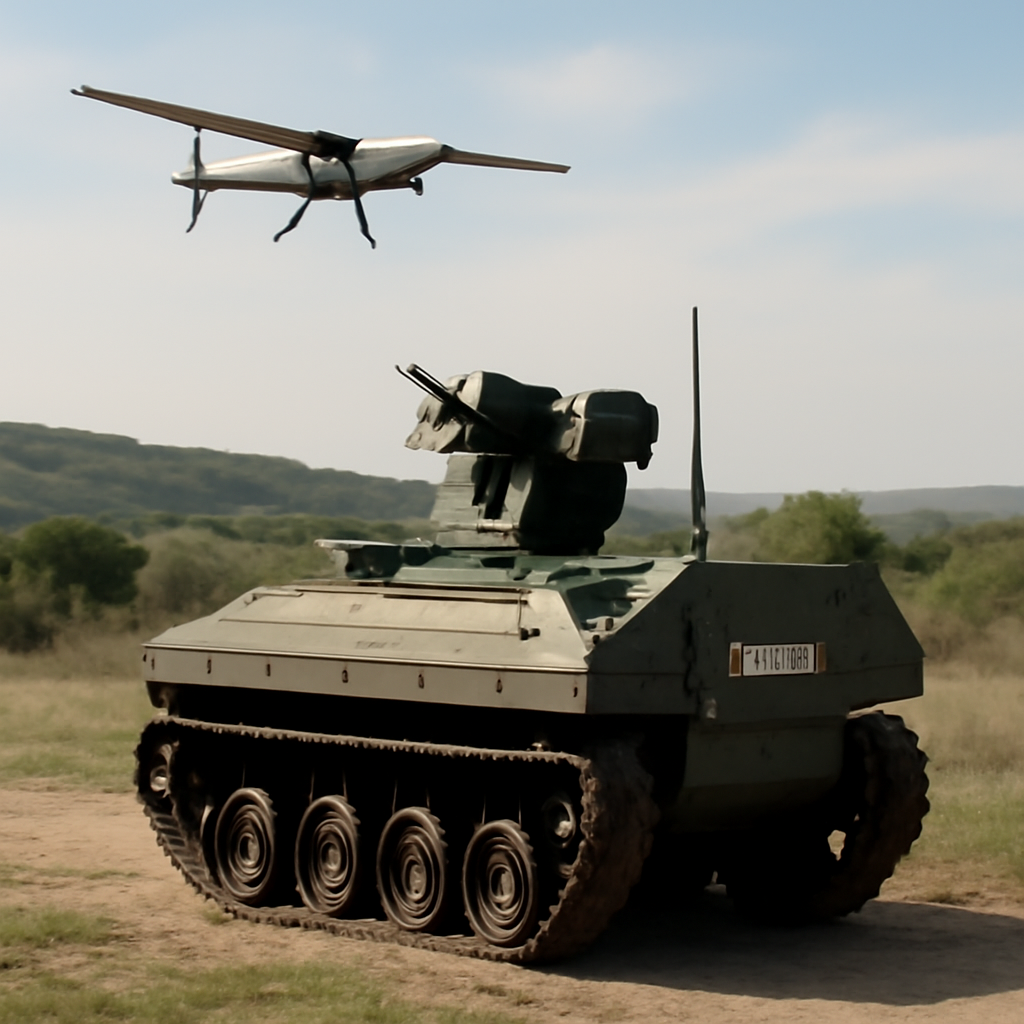
What happens when a shrinking population collides with the demands of modern warfare? Japan's recent move to create two new offices inside the Ground Self-Defense Force (GSDF) forces that question into the open: the country is beginning to bake unmanned systems and artificial intelligence into the structure of its military operations, and it is doing so at a time when demographic decline is already reshaping national priorities.
Background: Institutional change meets demographic pressure
Japan has signaled a clear shift in military organizing by establishing two new GSDF offices. Those offices, according to the reporting, are intended to accelerate the use of unmanned and AI-enabled systems. Reporters characterizing the move call it an effort to "institutionalize drone warfare"—a phrase that captures both a doctrinal change and an adjustment in force design at a moment when manpower shortages are becoming a strategic constraint.
The current picture: drones, AI and new bureaucratic capacity
The most concrete fact in this development is simple: two new offices have been created inside the GSDF. That creation is being interpreted as a formal signal by Japan’s defense establishment that unmanned platforms and artificial intelligence will play a larger role in operations going forward. The phrase "AI-enabled operations" appears alongside the description of those offices, linking organizational change to a technological agenda.

This site is the portfolio.
OSINTSights runs on Cloudflare Workers, D1, R2, and Vectorize, with an AI pipeline on Hetzner ARM. Nubivance designed, built, and operates it. We do the same for clients.
See what we buildWhy this matters
- Operational force design: Institutionalizing drones and AI suggests a shift from people-centered force structures toward systems that can perform sensing, targeting, and other tasks with fewer human bodies directly involved.
- Recruitment and retention pressures: The move comes "amid demographic decline." In that context, adopting unmanned capabilities can be seen as a response to shrinking pools of military-age personnel.
- Doctrinal and legal choices: Embedding unmanned and AI-enabled operations into permanent offices changes how doctrine, procurement, training, and oversight may be organized in the future.
- Technology and scale: Making drones and AI core to force posture implies different industrial, logistical, and maintenance demands compared with traditional platforms.
Different perspectives
Technologists will likely view the step as an opportunity to accelerate integration—standardizing interfaces, data flows, and AI tools inside a formal military framework. Policymakers must weigh trade-offs: accelerating adoption can reduce reliance on manpower but also requires governance frameworks to manage risks and accountability. Users—soldiers and commanders—will confront new workflows that rely on data and autonomy; success will depend on training, human-machine interaction, and trust. Adversaries will observe the institutional signal and may adjust their own tactics or investments in countermeasures.
Implications and questions ahead
Institutional change tends to outlast political cycles. Creating dedicated offices is a step toward routinizing concepts that might otherwise remain experimental. That routinization can speed procurement and doctrine, but it also raises questions about oversight, interoperability, and resilience. Will the new offices focus on defensive surveillance and logistics, or will they be shaped to support more direct combat roles? How will standards for AI safety, human oversight, and legal review be embedded into the organizations being stood up?
Japan's choice to formalize a path toward unmanned, AI-enabled operations—at a time when demographic decline is constraining manpower—points to a broader dilemma facing modern armed forces: how to reconcile technological opportunity with ethical, legal, and operational limits. The GSDF has created two offices that mark the beginning of that reckoning. The more telling developments will come as those offices define priorities, issue doctrine, and field systems—steps that will reveal whether this institutional shift is mainly a coping mechanism for a shrinking pool of personnel or a deeper reimagining of how to wage war in the age of autonomy.