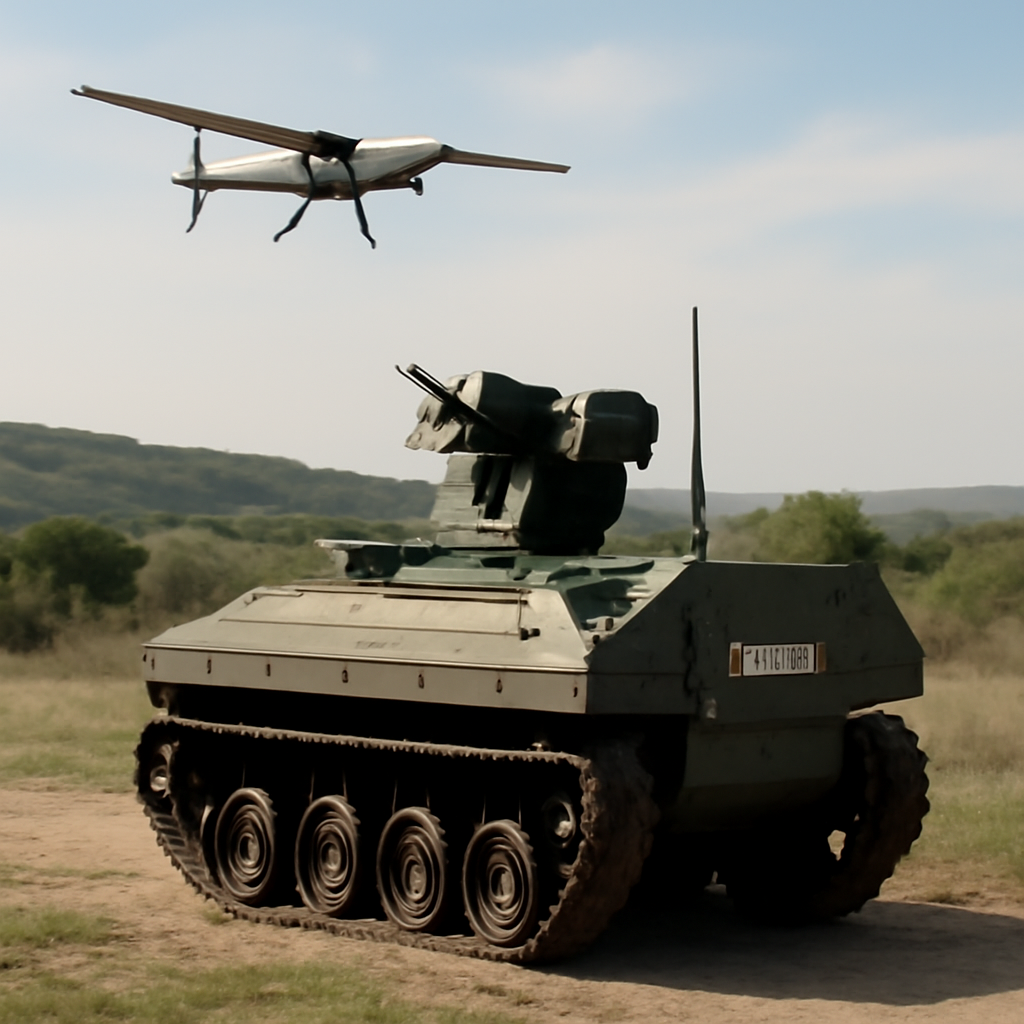
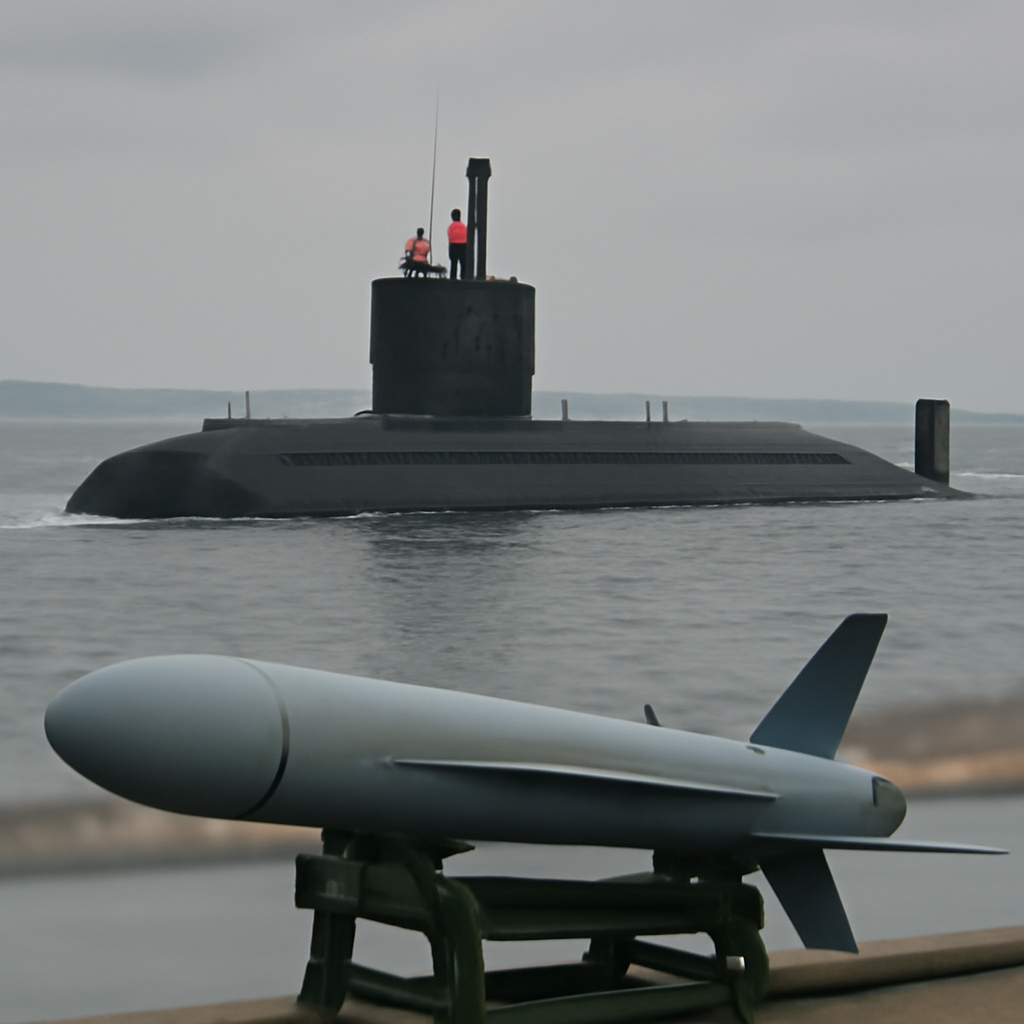
“Recent reports show that even during the ceasefire, Iran has restored 30 out of its 33 missile sites it maintains along the Strait of Hormuz.”
Coercive bargaining: the logic of war as negotiation
The essay frames Iran’s choices through a familiar strategic logic: war as an extension of bargaining. The source argues Tehran is unlikely to accept an early ceasefire as a victory unless it yields a new strategic settlement that recognises Iran’s deterrent capabilities, preserves its nuclear program and its missile and drone arsenal, and reduces the risk of preemptive strikes by the US or Israel. From this vantage, a swift return to peace would risk re-locking Iran into a status quo of sanctions, strategic encirclement and episodic military pressure; a calibrated, prolonged confrontation instead converts rhetoric into demonstrable capability and bargaining leverage.
Asymmetric attrition and time as a weapon
Time, the piece says, is itself a strategic instrument for Tehran. Iran’s doctrine of asymmetric warfare and strategic patience aims less for decisive battlefield victory and more for cumulative cost-imposition — military, economic and psychological — on adversaries. Operating under long-term sanctions and isolation, Tehran is portrayed as having a higher structural threshold for pain than many of its opponents. In practice, that makes prolonged, managed instability preferable: it increases economic uncertainty, forces sustaining of US deployments and military resources in the region, and exposes gaps in the air-defence postures of Israel and US allies by subjecting them to repeated missile and drone attacks.

The cyber insurance questionnaire just landed. Now what?
SOC 2, HIPAA, insurance renewals - someone has to own security strategy. Nubivance provides fractional CISO leadership without the full-time salary.
Get a security leadWeaponising the Strait of Hormuz
The source highlights Iran’s proximity to the Strait of Hormuz as a central instrument of leverage. Around a fifth of global oil transits the strait, so even limited disruption produces outsized global effects — price volatility, insurance spikes and higher shipping costs. Recent Iranian actions cited include prevention of passage, attacks on tankers and announcements of new transit tolls. The piece also notes that media entities linked to the Islamic Revolutionary Guard Corps have discussed imposing fees on submarine cables transiting the strait and monitoring global data traffic. Tehran, according to the account, does not need to close the strait fully; credible threats and intermittent disruption are sufficient to shape global political and economic pressure toward de-escalation on terms favourable to Iran.
Axis of Resistance: proxies, multi‑theatre operations and regional deterrence
Iran’s regional leverage, the source asserts, extends through a network the piece calls the “Axis of Resistance” — aligned non-state actors in Yemen, Lebanon and Iraq. These relationships are described not as transactional shortcuts but as foundational pillars of Iran’s deterrence architecture, deeply embedded ideologically. The article argues that sidelining these proxy groups via an early de-escalation would risk fragmenting that architecture and weakening Tehran’s credibility; by contrast, sustained confrontation reinforces operational coordination and raises the cost to Western and regional actors considering localized strikes. The Houthis in Yemen are singled out as still posing a threat to Red Sea navigation and neighbouring GCC states with missiles and attack drones despite strikes elsewhere.
What this means for the United States, Europe, and GCC states
- United States: The piece forecasts pressure to sustain forward deployments and increased military resources in the Middle East, while testing the willingness and capacity of the international community to form a unified military front against Iran’s hostile intentions.
- Europe and Asia: By weaponising economic vulnerability in energy markets, Tehran can create incentives for countries in Europe and Asia to press for de-escalation — specifically, de-escalation negotiated on terms that preserve Iran’s deterrent advances and reduce the prospect of preemptive action.
- Gulf Cooperation Council (GCC) states: Repeated missile and drone attacks and threats to shipping corridors place the GCC in the crosshairs, increasing demand for external security guarantees even as the region accelerates its own defensive and military-industrial efforts.
The essay stresses that Iran’s preference is not for limitless war but for "controlled instability" — a sustained condition that maximises leverage while avoiding decisive escalation. That posture carries real risk: managed conflicts can spin out of control through miscalculation, and domestic tolerance in Iran has limits amid enduring economic strain, particularly with the reported US blockade of vessels to and from Iranian ports.
For the international community, the immediate test the source identifies is whether a unified response can be assembled that alters Tehran’s cost–benefit calculus. The writer closes by tying the future of any such response to concrete metrics noted in the piece: how Iran continues to exercise leverage over the Strait of Hormuz, how it manages its enriched uranium, and the remaining threat threshold posed by its ballistic missiles and drones.