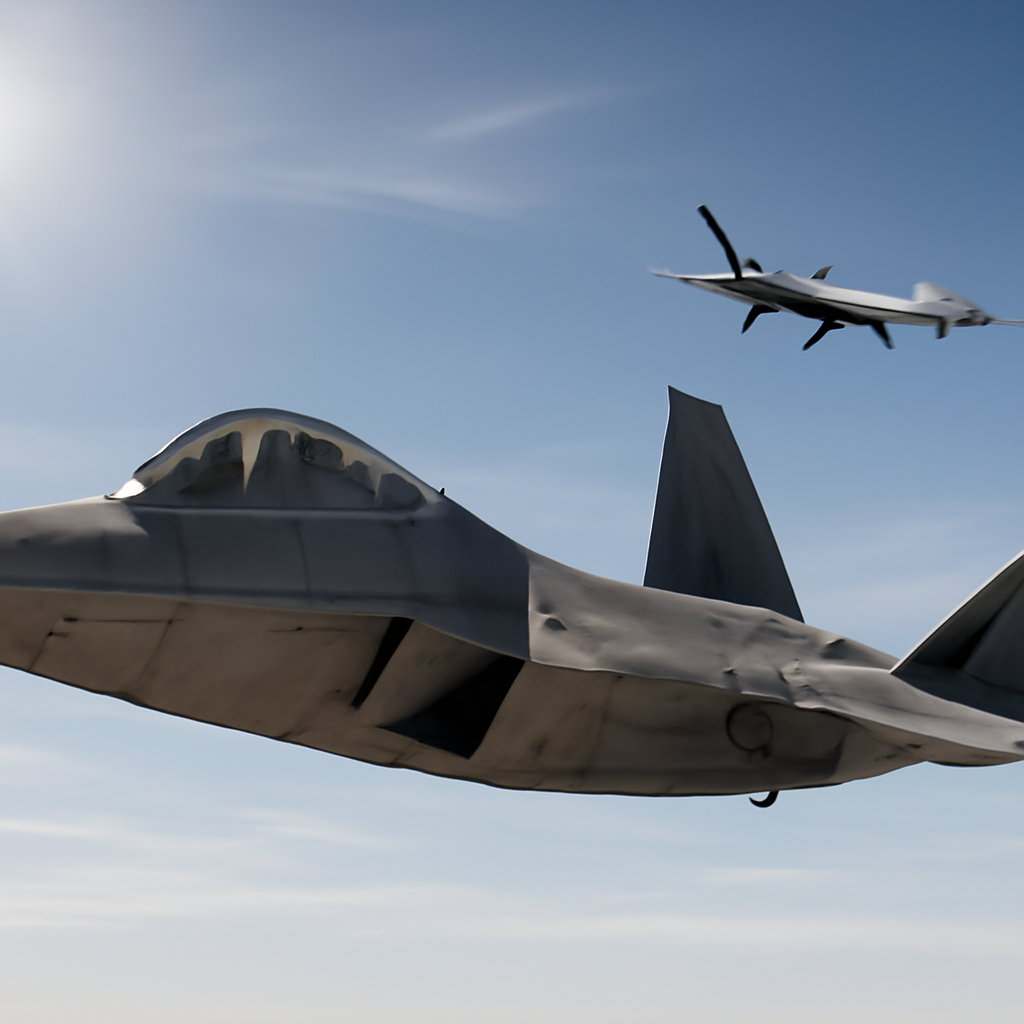
India Pioneers a New Era in Directed-Energy Defense
In a groundbreaking development that marks a significant leap forward in military technology, India has successfully completed full operational trials of its domestically developed Mk-II(A) laser weapon system. The trials, conducted over several weeks at a secure testing facility, showcased the weapon’s ability to detect and disable fixed-wing drones, counter coordinated swarming unmanned aerial vehicle (UAV) attacks, and disrupt surveillance systems. This achievement positions India at the forefront of directed-energy weapons development—a field that until now has been dominated primarily by a few global powers.
Officials from India’s Ministry of Defence and associated research bodies have confirmed that the tests met all the program’s key performance indicators. The Mk-II(A laser weapon system is engineered for rapid response and precision, harnessing advanced optics and energy modulation techniques to counter emerging aerial threats. While the Indian government has maintained a measured silence regarding specific tactical deployments, the implications of this advancement are clear: India is forging a path toward reshaping its defensive and offensive operational capabilities in an increasingly contested domain.
Historically, India’s journey towards indigenously developed advanced military technology has been both challenging and transformative. Since the early 2000’s, initiatives by government agencies such as the Defence Research and Development Organisation (DRDO) have underscored a long-term commitment to reducing dependency on foreign defense imports. This test of the Mk-II(A system is an extension of those efforts, reflecting not only technical prowess but also a strategic policy shift toward self-reliance in defense capabilities. The system’s development benefited from years of iterative research, high-stakes trials, and incremental technological innovations in laser physics and energy management.
At the heart of recent tests was the system’s capacity to engage multiple types of aerial targets simultaneously. With drones increasingly being used for both surveillance and as potential weapons in asymmetric warfare, the ability to neutralize a swarm of UAVs represents a significant operational advantage. Analysts have noted that the successful demonstration of such multifaceted capabilities could shift traditional paradigms in aerial defense by providing an alternative to kinetic countermeasures, which are often less precise and more resource-intensive.
Why does this matter? The development of directed-energy weapons like the Mk-II(A has far-reaching implications for both national security and the broader international defense landscape. As countries grapple with evolving threats from hybrid warfare and the proliferation of inexpensive drone technology, India’s new system could introduce a disruptive element. These weapons could protect critical installations, border areas, and naval assets, thereby bolstering deterrence while reshaping the strategic calculus for potential adversaries.
Experts such as Mr. Rajiv Chandrasekhar, a noted defense analyst with the Institute for Defence Studies and Analyses (IDSA), stress that this milestone is not merely about the acquisition of new hardware. “The operational success of the Mk-II(A laser weapon system reflects India’s capability to integrate advanced technology into its core defense architecture,” he explained. While Mr. Chandrasekhar’s views reflect a common sentiment among defense strategists, he cautioned that real-world integration will require extensive further testing in diverse combat environments. This measured perspective underscores both the promise and the challenges that come with pioneering new military technologies.
From an international perspective, the test has drawn attention from global defense stakeholders. Countries invested in counter-drone technologies and directed-energy research are now closely monitoring India’s progress. Similar systems are in various stages of development in the United States and Israel, and cross-national dialogue on the ethics and operational protocols of laser-based engagement has only intensified. The successful completion of these trials prompts questions regarding international arms control and the potential for future collaboration or competition in the directed-energy arena.
Looking ahead, key issues will include the pace of further development, full operational integration, and the establishment of doctrinal frameworks to guide its use in combat scenarios. The Indian government has hinted at further refinements, including enhanced energy storage, quicker targeting algorithms, and scalability for different threat levels. Over the next several months, defense experts and policymakers should watch for official announcements on deployment timelines and strategic adjustments within India’s defense doctrine.
Ultimately, India’s advancement in laser weapon technology is a vivid illustration of the broader trend toward high-tech warfare—a trend that challenges traditional military paradigms and underscores the importance of technological ingenuity in national defense. As nations worldwide contend with a rapidly evolving threat landscape, the successful trials of the Mk-II(A laser system serve as both a beacon of progress and a reminder that defense in the modern era is increasingly defined by innovation as much as by tradition.
In a world where the pace of technological change can reshape the contours of global security overnight, one must ask: how will the balance of power adjust when energy, rather than explosive force, takes center stage in future conflicts?