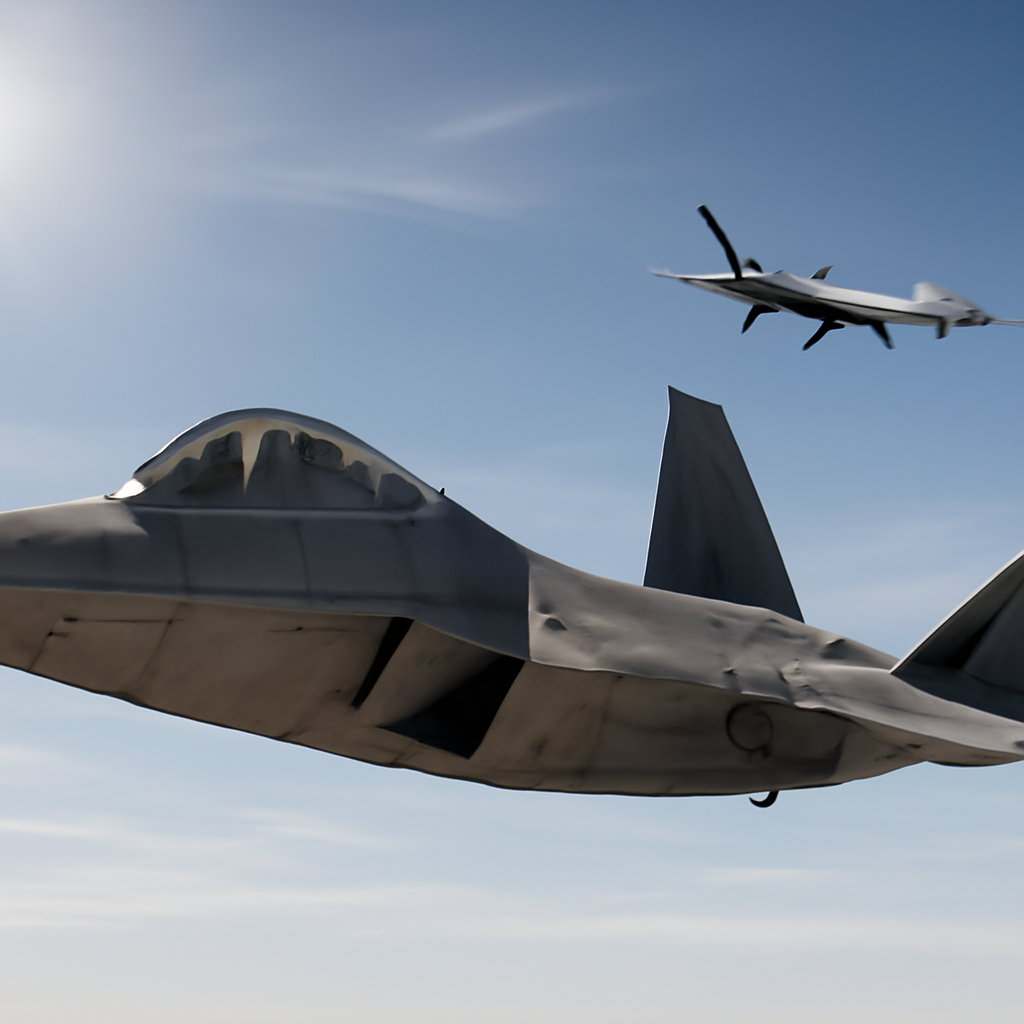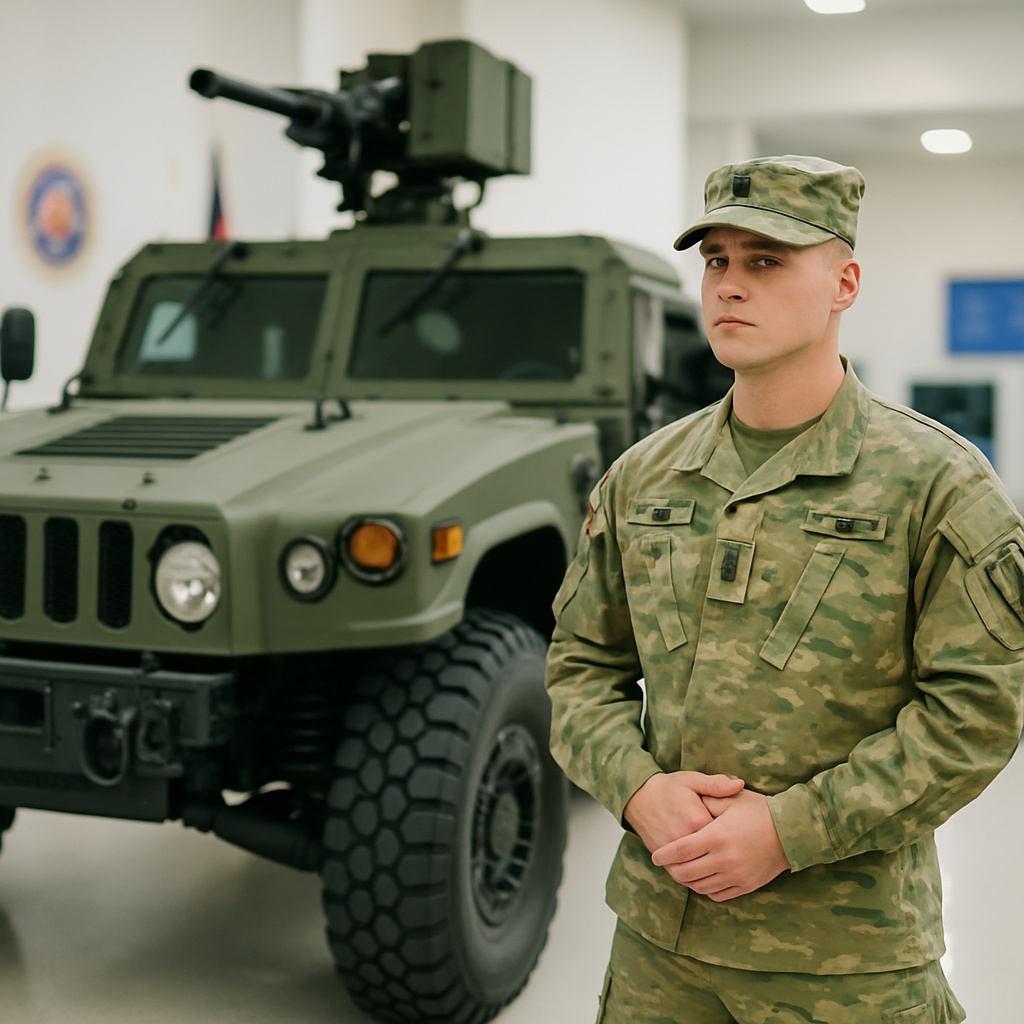
"Global military spending rose again in 2025 as states responded to another year of wars, uncertainty and geopolitical upheaval with large-scale armament drives," Xiao Liang, a researcher with SIPRI’s military expenditure and arms production program said.
Europe: a 14 percent surge to $864 billion
Europe’s defense spending jumped 14 percent in 2025 to $864 billion, and SIPRI identifies that increase as the main driver of the global rise. The think tank links the rearmament push to Russia’s war in Ukraine and to warnings that Moscow could attack a NATO country inside the next three years. That pressure has driven a reorientation of budgets and procurement across the continent.
At the same time, Europe’s reliance on U.S. weapon systems is described as under strain after the Department of Defense expended large numbers of costly missiles during the war against Iran. The shift in U.S. financing policy under the Trump administration prompted the creation of NATO’s Prioritised Ukraine Requirements List (PURL), an initiative designed to let alliance members fund the supply of U.S.-made systems to Kyiv.
United States: year‑on‑year decline, but approvals point up
U.S. military expenditure fell 7.5 percent in 2025, a decline that SIPRI attributes primarily to the absence of new U.S. military assistance packages for Ukraine after three prior years that together saw $127 billion approved for Kyiv. Despite the drop, the United States remained the world’s largest weapons spender.
SIPRI notes the decline is likely to be short-lived: spending approved by the U.S. Congress for 2026 has risen to over $1 trillion and "could rise further to $1.5 trillion in 2027 if President [Donald] Trump’s latest budget proposal is accepted," said Nan Tian, programme director of the SIPRI military expenditure and arms production programme.
In March the Pentagon announced three framework agreements intended to accelerate production of the Precision Strike Missile (PrSM), seekers for Terminal High Altitude Area Defense (THAAD) interceptors, and a range of missile components — moves framed by the department as efforts to rebuild depleted stockpiles. The announcement followed a social media post from Trump asserting local industry had "agreed to quadruple Production of the 'Exquisite Class' Weaponry in that we want to reach, as rapidly as possible."

The cyber insurance questionnaire just landed. Now what?
SOC 2, HIPAA, insurance renewals - someone has to own security strategy. Nubivance provides fractional CISO leadership without the full-time salary.
Get a security leadRussia and Ukraine: parallel increases
Both Kyiv and Moscow raised defense spending substantially in 2025. Russia’s outlays climbed 5.9 percent to $190 billion, while Ukraine’s surged 20 percent to $84.1 billion. Those increases occur amid continuing war-related demand for munitions, platforms and sustainment, and underpin SIPRI’s assessment that states responded to "another year of wars" with broad armament drives.
Asia and China: biggest regional uplift since 2009
Spending in Asia and Oceania rose 8.1 percent to an estimated $681 billion in 2025 — the region’s largest year‑on‑year increase since 2009. Chinese military expenditure jumped 7.4 percent to $336 billion, making it a prominent contributor to the regional surge and to global totals.
Middle East and Israel: near‑flat regional total, Israel down but still far above 2022
Annual spending in the Middle East was almost flat at about $218 billion. Most countries in the region increased outlays, but Israel’s spending fell 4.9 percent to $48.3 billion, which SIPRI links to "a reduction in the intensity of the war in Gaza during 2025." Even with that decline, Israel’s 2025 spending was 97 percent higher than in 2022.
What this means for European governments, the Pentagon, and Kyiv and Moscow
- European governments: expect continued pressure to convert higher budgets into sustained procurement, while also managing strains caused by reliance on U.S. systems and potential delivery delays of undisclosed U.S.-made weapons to Baltic and Scandinavian nations, which Reuters reported are likely to face delays due to the war in Ukraine.
- The Pentagon: will be focused on rebuilding stockpiles and accelerating production — evident in March framework agreements for PrSM, THAAD seekers and missile components — while congressional approvals for 2026 and possible 2027 increases create fiscal room for that effort.
- Kyiv and Moscow: both are funding larger forces and materiel purchases; Kyiv continues to rely on allied supplies (and faces the consequences of reduced new U.S. assistance in 2025), while Moscow sustains higher expenditure consistent with continued operations.
For the eleventh consecutive year global military spending rose, reaching $2.89 trillion in 2025, with the United States, China and Russia together accounting for $1.48 trillion — more than half of the world total. SIPRI’s numbers show a global security environment in which national budgets and industrial production are being retooled to meet an elevated tempo of demand; how quickly stockpiles are rebuilt, deliveries are stabilized, and national spending patterns settle will shape military balances in the near term.