“Both sides have burned through an average of seven million FPV drones per year combined, with Ukraine alone using 9,000 such systems daily.”
FPV drones: mass, low cost, and hardwired resilience
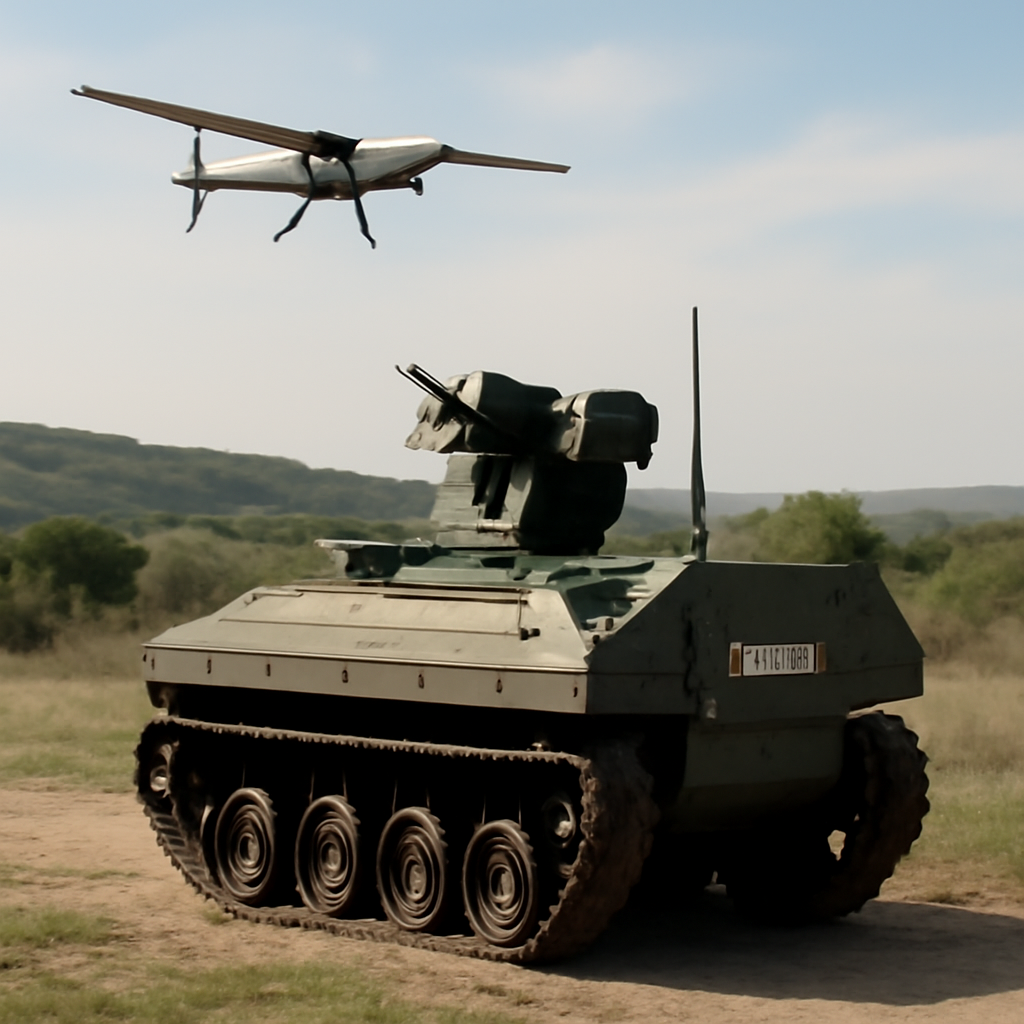
First-person view (FPV) drones — small, inexpensive systems controlled via a microscopic fibre‑optic line rather than wireless links — are the true workhorses driving a global shift toward expendable unmanned systems. The source describes FPVs as “hardwired, not wireless,” a design that lets them operate where dense electronic warfare and electronic attack target communications links. According to the reporting, Ukraine has used roughly 9,000 FPVs per day, and both sides in the Russia–Ukraine War together have consumed about seven million FPVs annually.
What militaries are buying: DAWG, Army squad targets, and one million drones
The United States is positioning to lead the surge into expendable systems. The FY2027 budget proposal includes USD $54.6 billion for the Defense Autonomous Warfare Group (DAWG). Army Secretary Dan Driscoll has set a target to equip every U.S. Army squad with expendable one‑way attack (OWA) drones and to acquire at least 1 million units within two to three years. The Department of War Secretary, Pete Hegseth, re‑classified unmanned aerial systems under 50 lbs as single‑use ammunition — a category that the source says was essentially meant to capture FPVs and other small drones.

Audit-ready is a season. It shouldn't be.
Evidence in spreadsheets, controls drifting between audits, frameworks multiplying on flat headcount. Nubivance runs continuous compliance on Rapid7 Cyber GRC - SOC 2, HIPAA, ISO 27001, PCI, CMMC.
End the scrambleMerops interceptors: an economical counter that still points to commercial parts
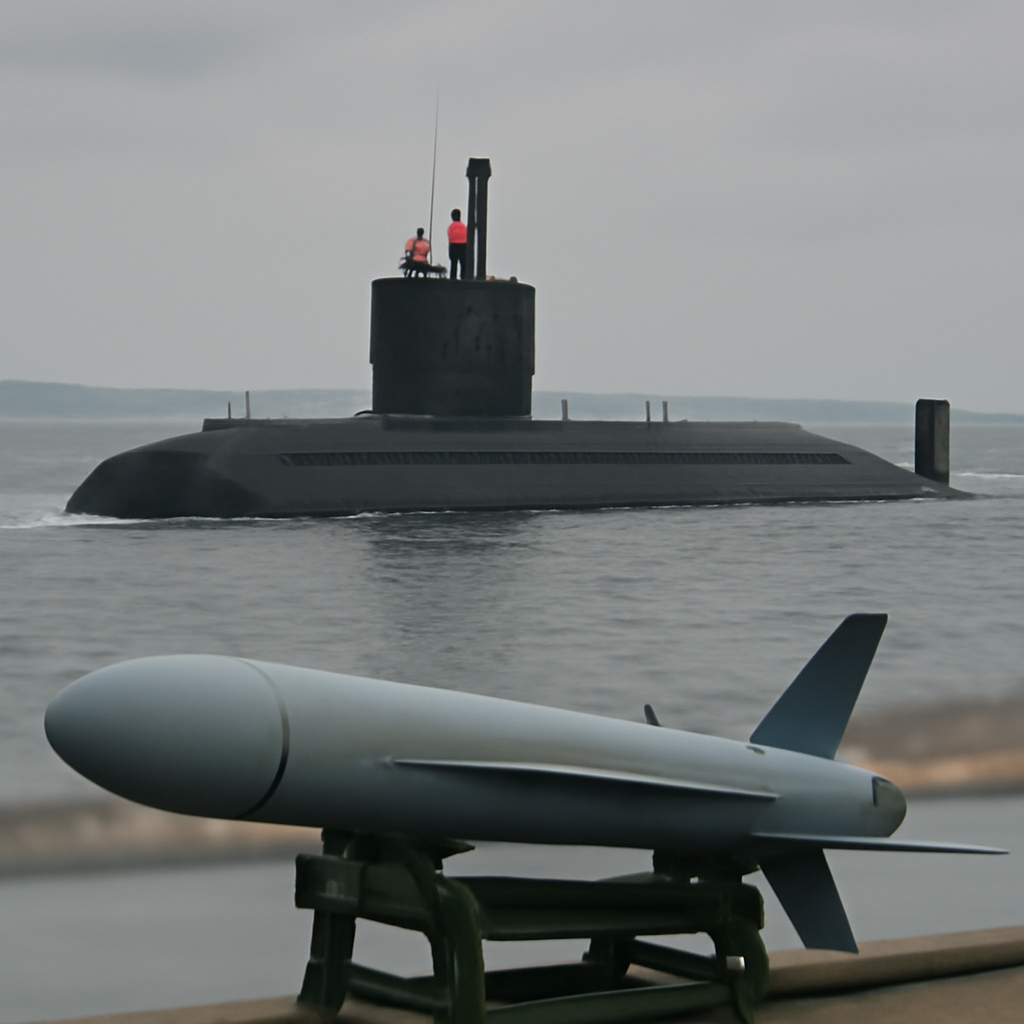
The Pentagon will deploy Ukrainian‑origin Merops interceptor drones as a scalable solution against mass salvo threats from Shahed‑style loitering munitions. The Merops are reported to cost roughly $14,000–$15,000 per unit. While Perennial Autonomy, the Merops OEM, did not confirm how the interceptor is powered, visible design features — small size, pneumatic launch, and that price point — point to use of an electric brushless motor and other commercially off‑the‑shelf (COTS) inputs. The source highlights that both FPVs and interceptor designs tend to rely on the same small, commercial‑grade parts: brushless motors, microelectronics for optronics, fibre‑optic cables, and batteries.
Blue UAS certification and the limits of “de‑Sinocizing” supply chains
There is an explicit effort to identify and exclude Chinese inputs. The U.S.‑led Blue UAS certification program aims to create a Sino‑free drone supply chain by certifying vendors without Chinese components. Yet in 2025, of 300 submissions to Blue UAS, only 23 companies and solutions passed; most failures were due to Chinese‑sourced inputs. The source frames the tension clearly: demand for scale is urgent, but “true Sino‑free solutions at competitive costs do not exist,” leaving buyers and certifiers with a practical dilemma.
China’s industrial footprint: the chokepoints named
The source provides concrete figures for where China concentrates production of critical drone inputs: about 80% of the world’s drone component production; 75% of global lithium‑ion battery output; 80% of neodymium magnet manufacturing; and 98% of rare‑earth permanent magnets, the magnets that drive brushless motors in nearly every small drone. The reporting states that virtually every nation producing FPVs and loitering munitions — including the U.S., Russia, Iran, Ukraine, and India — depends on Chinese inputs for the majority of critical components. Even some Blue UAS‑approved vendors remained vulnerable to Chinese supply‑chain controls.
What this means for policymakers, technologists, and militaries
- Policymakers and procurement leaders: They face competing pressures — a budgeted push to mass‑field expendable drones (DAWG funding and a one‑million‑unit Army target) versus a shortage of competitive, Sino‑free parts. The Blue UAS experience — 23 certs from 300 submissions — signals tight practical limits on creating a fast, large‑scale, China‑free supply chain.
- Technologists and supply‑chain teams: Engineers and procurement specialists will need to reconcile designs built around COTS parts with the political objective of de‑Sinocization. The source ties that problem to discrete, measurable chokepoints: batteries, brushless motors, and rare‑earth magnets.
- Militaries and front‑line units: Forces pursuing OWA‑centered tactics may secure large numbers of FPVs and interceptors quickly, but the reporting warns those platforms will remain materially entangled with Chinese component production unless manufacturing diversity changes.
For now, the arithmetic is stark: the tactics and economics that make FPVs and small interceptors attractive — low unit cost, repeatability, and survival in contested electromagnetic environments — also bind global procurement to a handful of Chinese supply‑chain nodes. The United States is funding scale and certification programs; Ukraine is burning thousands of FPVs a day; the Pentagon is buying Merops interceptors; and Blue UAS is trying, with limited near‑term success, to carve out alternatives. Until those supply‑chain concentrations shift, the OWA era will proceed hand‑in‑glove with China’s industrial footprint.
https://quwa.org/drone-market-intelligence/every-drone-producing-nation-has-a-china-problem/