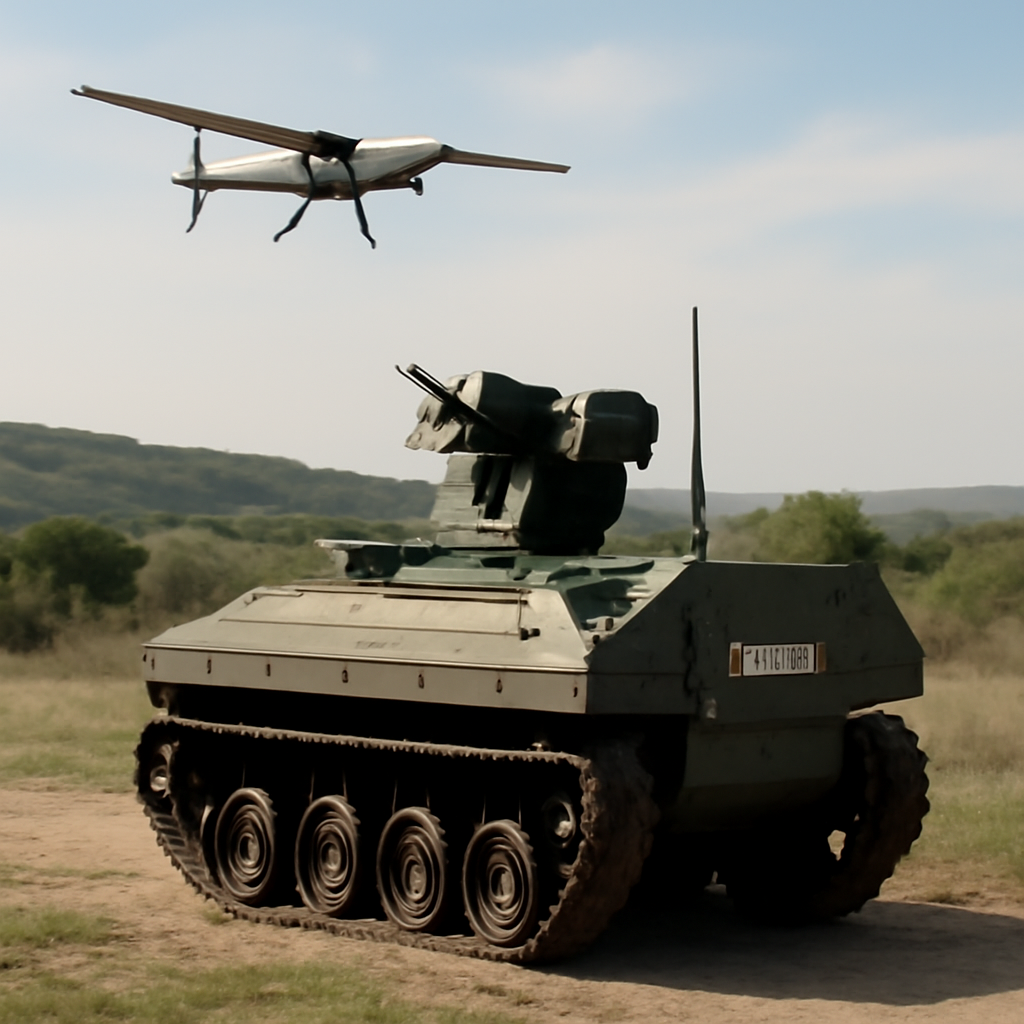
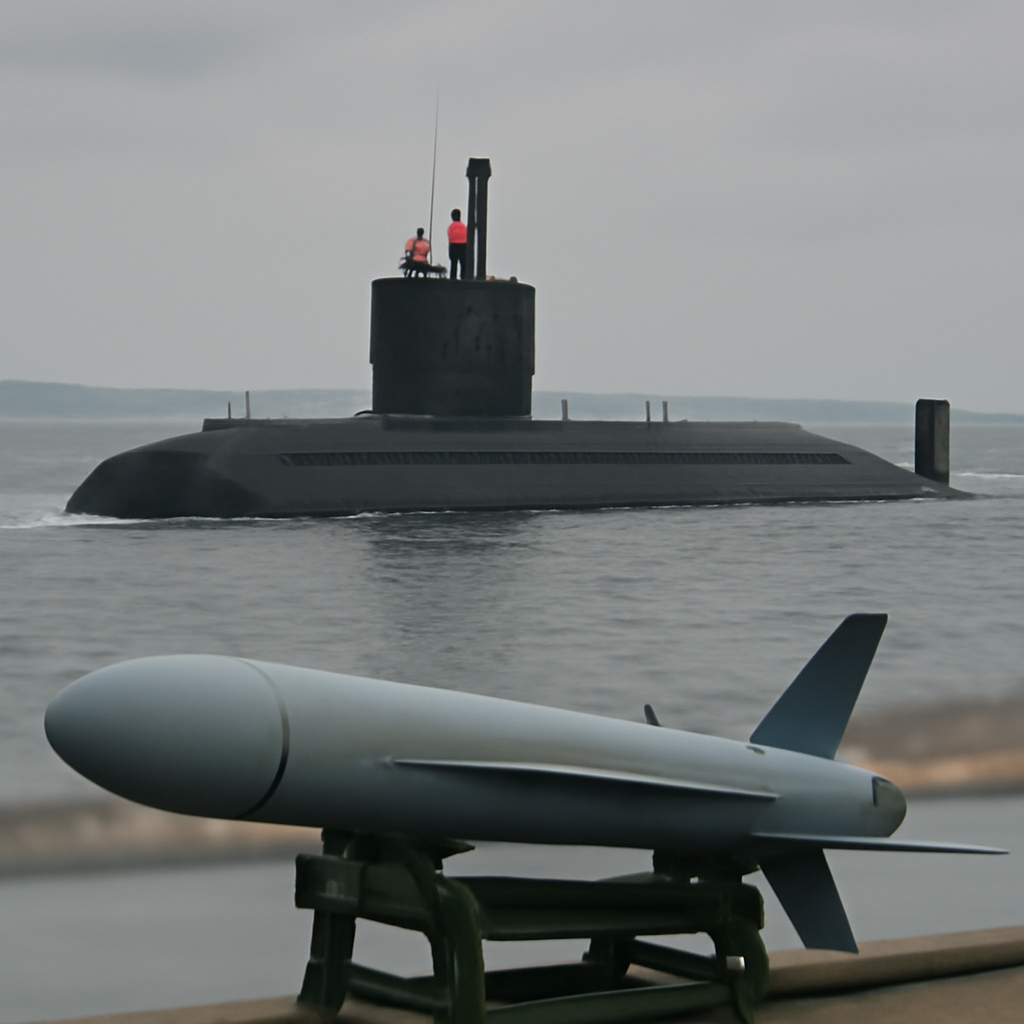
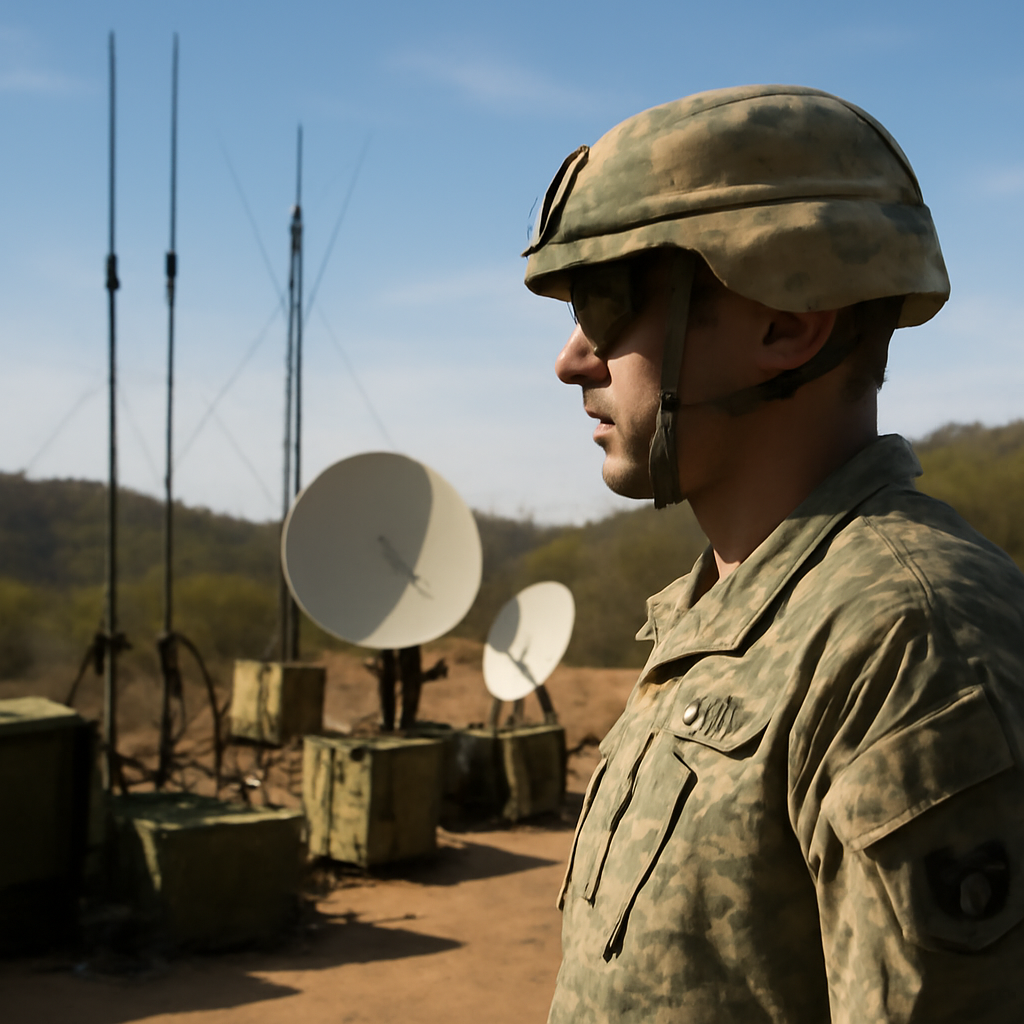
“the threats the United States is facing today are not like our Cold War enemies; there are more of them with nefarious intent.” — Adam Rogge, Senior Director – Department of War Specialized Sales, at Lumen.
Golden Dome’s explicit aim: a decision advantage, not just more satellites
The Golden Dome initiative, described in a recent briefing by Lumen Technologies staff, is framed as a layered national-defense mission that seeks to neutralize both kinetic and non-kinetic threats to the homeland. Rather than treat the effort as purely a satellite technology program, the authors argue the real challenge is the end-to-end data problem: collecting, moving, analyzing and acting on sensor feeds fast enough to shorten the kill chain and permit instantaneous decisions across all-domain command and control (C2) facilities.
Why legacy and wireless networks are judged inadequate
According to Chris Miller, Senior Account Director, USAF and USSF, at Lumen, legacy networks perform adequately for routine terrestrial transmission but fall short on the “assured, survivable, redundant, and low latency” qualities Golden Dome requires. Miller warns that in a national-defense scenario there is no room for degraded bandwidth or partial functionality: “If a nuclear, or even a non-kinetic strike, occurs the network still needs to function seamlessly; there’s no opportunity for degraded bandwidth or functionality.”
That conclusion extends to wireless architectures. Lumen’s argument is that wireless towers are easy to locate and easy to incapacitate; they are therefore neither as secure nor as physically survivable as a buried fiber plant. The firm explicitly recommends a terrestrial, buried fiber network as the foundational communications layer for Golden Dome.

Audit-ready is a season. It shouldn't be.
Evidence in spreadsheets, controls drifting between audits, frameworks multiplying on flat headcount. Nubivance runs continuous compliance on Rapid7 Cyber GRC - SOC 2, HIPAA, ISO 27001, PCI, CMMC.
End the scrambleAI accelerates capability — and creates new network stress
Both authors place artificial intelligence at the center of Golden Dome’s analytic capability. AI is presented as essential to “make sense of data on a scale far beyond human capability,” but also as a driver of significantly increased bandwidth consumption. Adam Rogge warns that AI workloads “create underrated challenges for Golden Dome,” producing surges in data movement, analysis, and application that can “create bumps in the network capacity” unless the digital infrastructure is designed to absorb them without faltering.
Rogge frames the consequence plainly: “To deliver on the mission the kill chain has to become much shorter, which means data inputs and outputs must be nearly instantaneous and unfailingly accurate.” That operational requirement is used to justify the insistence on low-latency, high-capacity terrestrial fiber rather than incremental upgrades to legacy transport or wireless redundancy alone.
Lumen’s stated track record and contract position
Lumen positions itself as a ready builder for this mission set. The company cites that it has “built robust fiber networks for DoW and operating over 11,000 fiber miles for the DoD Information Network,” and asserts readiness to “take on the challenge of what is likely the nation’s most important network.”
The company’s recent contractual foothold came via an award under the Missile Defense Agency (MDA) SHIELD Multiple Award IDIQ contract vehicle: Lumen Technologies Government Solutions was awarded an Indefinite Delivery Contract, HQ085926DE203, by the MDA. The briefing uses that award to link Lumen’s capabilities with procurement pathways that could be used in Golden Dome implementation.
How the Department of War, the USAF/USSF, and the Missile Defense Agency will be affected
- Department of War (DoW): Faces a requirement to specify and fund a terrestrial fiber architecture that is “fit for mission,” meaning buried, low-latency, survivable, and redundant to sustain both kinetic and non-kinetic contingencies.
- United States Air Force and United States Space Force (USAF/USSF): Will rely on an integrated sensor-to-C2 data flow and AI-assisted processing to shorten the kill chain, creating operational dependency on assured bandwidth and near-real-time analytics.
- Missile Defense Agency (MDA): Through the SHIELD IDIQ award mechanism the MDA is a procurement conduit; its contract awards and task orders will determine which vendors build the terrain-bound network elements and how quickly those elements can be deployed.
The authors place the technical and procurement emphasis not on the visible icons of space hardware but on the less-visible, terrestrial backbone that connects sensors, platforms, and command nodes. They argue that a Golden Dome without a buried, assured fiber network will not deliver the decision advantage the program promises.
What remains explicit in the source is a clear sequence of claims: the geopolitical environment is changing; Golden Dome is well-funded today; AI will power the analytic edge but will stress networks; and a buried terrestrial fiber network is the proposed solution — with Lumen positioning itself as an experienced builder and an MDA contract awardee. The next practical steps implied by the source are engineering and procurement: build the low-latency, survivable fiber fabric that stakeholders say must undergird the Golden Dome’s sensor-to-C2 mission.
Original story: https://governmenttechnologyinsider.com/building-the-future-of-national-defense-how-golden-dome-will-deliver-decision-advantage/