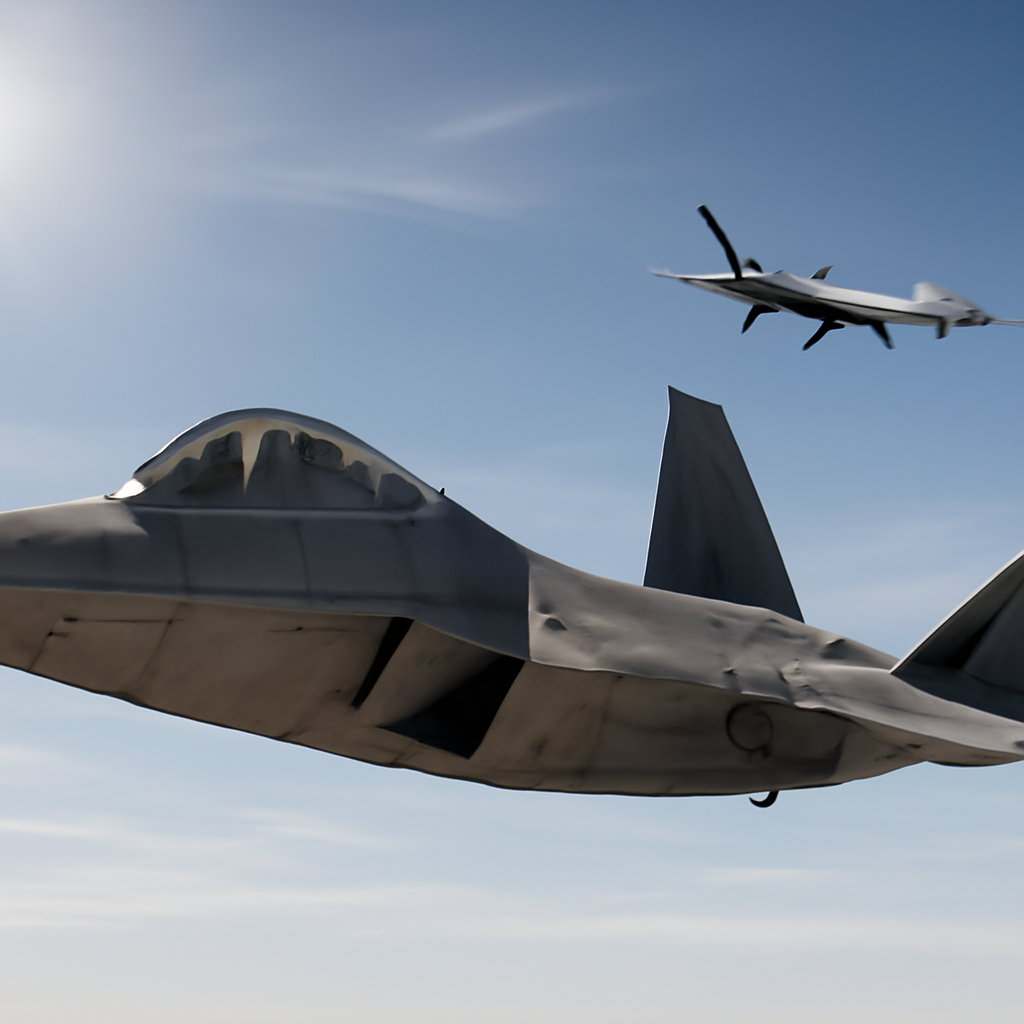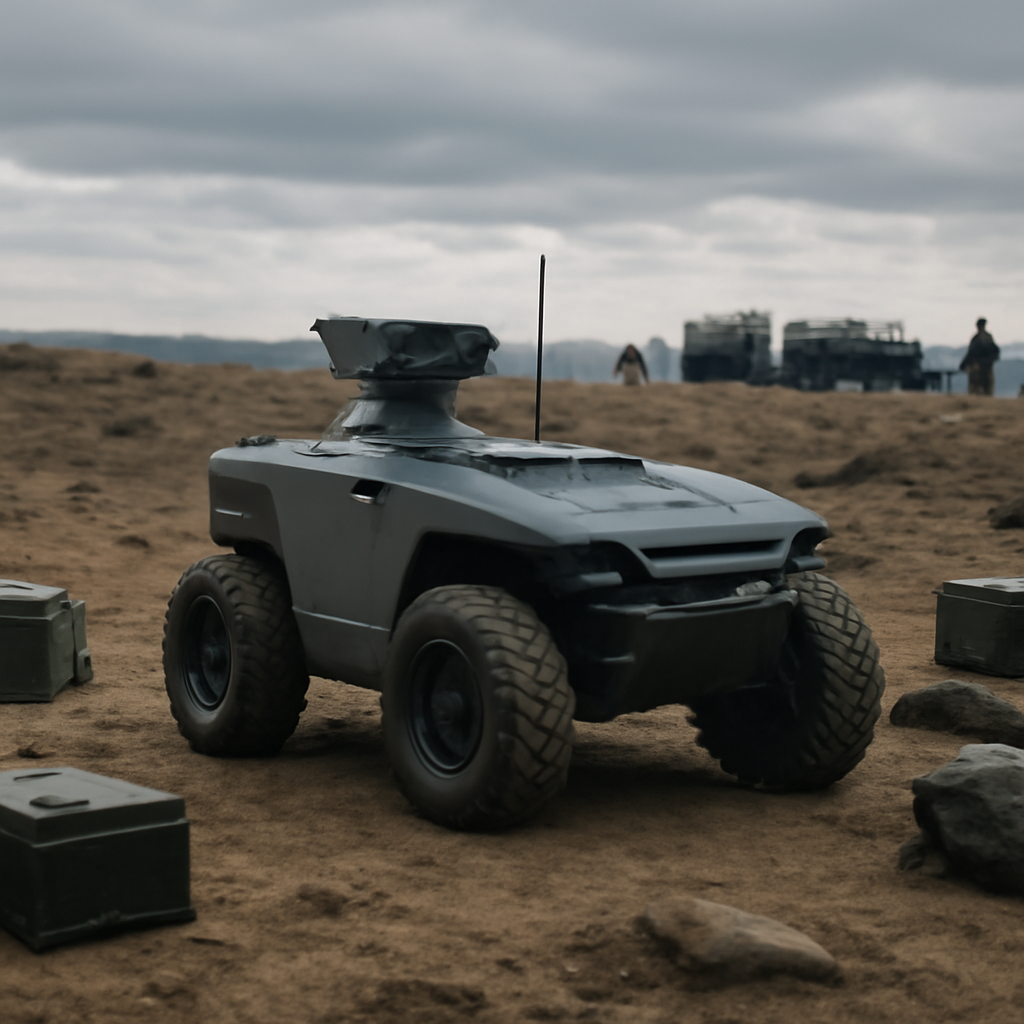
“Across the war in Ukraine, multiple reports now show that 50–80% of frontline resupply is drone‑based.”
Scale of drone logistics on the frontline
Recent reporting places drone platforms at the centre of contemporary battlefield supply: between 50% and 80% of frontline resupply is now drone‑based, and the bulk of that work is done by ground transport drones — described in the record as UGVs or NRKs. That shift is not marginal. According to the same reporting, even when drone losses are high, "unmanned systems are still cheaper and far safer than losing trucks or trained soldiers." The arithmetic of cost and risk is driving a rapid reorientation of how supplies move to forward positions.
FPV drones and thermal optics have changed night operations
The frontline environment has been "saturated with FPV drones," the reporting says, and the long‑standing tactic of running supplies under cover of darkness no longer provides protection. "Both sides fly drones with thermal optics, so night offers no protection." The combination of first‑person‑view (FPV) strike drones and thermal sensors erodes an entire set of historical mitigation measures for moving materiel after sunset.

Audit-ready is a season. It shouldn't be.
Evidence in spreadsheets, controls drifting between audits, frameworks multiplying on flat headcount. Nubivance runs continuous compliance on Rapid7 Cyber GRC - SOC 2, HIPAA, ISO 27001, PCI, CMMC.
End the scrambleThe 5–20 km "kill zone" behind the front line
One consequence is the emergence of a pronounced danger area for manned movement. Sources describe a 5–20 kilometre "kill zone" behind the front line where "any manned vehicle or resupply team becomes a target." That zone reframes where human logistics teams can operate safely and where they are instead exposed to attack — a shift that helps explain the turn to unmanned transport even when attrition of drones is expected.
How the PLA is watching and adapting with UGVs
Observers note that the People's Liberation Army "is watching all of this very closely." The reporting connects lessons from Ukraine and conflicts in the Middle East to a rapid evolution toward drone‑centric warfare: "Between Ukraine and the conflicts in the Middle East, China is seeing evolution of drone‑centric warfare happening at a rapid place." In response, the PLA "has begun deploying their own UGVs for transport roles," and many of those vehicles are now fitted with "cage armor to survive FPV strikes." The implication is explicit: ground transport drones are not a theoretical experiment but an operational response to a changed threat environment.
Water, logistics, and why UGVs matter
The reporting underscores a concrete, human logistics problem: "Access to clean drinking water is essential in peacetime; on a battlefield, it becomes a life‑or‑death logistics problem." UGVs enter the frame as a practical tool to move critical supplies without committing personnel into the described kill zone. The record states plainly: "UGV is one way to solve it without risking people." That line links a basic humanitarian requirement — potable water — to tactical choices about unmanned transport.
What this means for the PLA, frontline logisticians, and UGV designers
- For the PLA: the reporting describes active observation and adaptation — deploying UGVs fitted with protective measures like cage armor as a direct response to FPV and thermal‑enabled threats witnessed in other theatres.
- For frontline logisticians and manned resupply teams: the emergence of a 5–20 km "kill zone" and the loss of night as a safe window mean that traditional methods of moving supplies are increasingly untenable without unmanned mitigation.
- For UGV designers and deployers: survivability features such as cage armor are already in operational use to counter FPV strikes, pushing payload transport designs toward hardened, autonomous or remotely operated platforms rather than lightly protected cargo vehicles.
The picture that emerges from the reporting is stark and tightly focused: inexpensive, expendable unmanned systems are replacing much of what used to be done by trucks and personnel because the threat — FPV drones with thermal optics — renders old assumptions about concealment and night movement obsolete. The tactical calculus is simple and unforgiving: where losing a truck or a trained soldier is unacceptable, a UGV that can carry water and other essentials into the contested 5–20 km rear area becomes the preferred option.