"New threats, including downstream attacks, drive the need for improved tools to protect critical assets," the sponsored article on Breaking Defense warns.
Drones and the limits of perimeter security
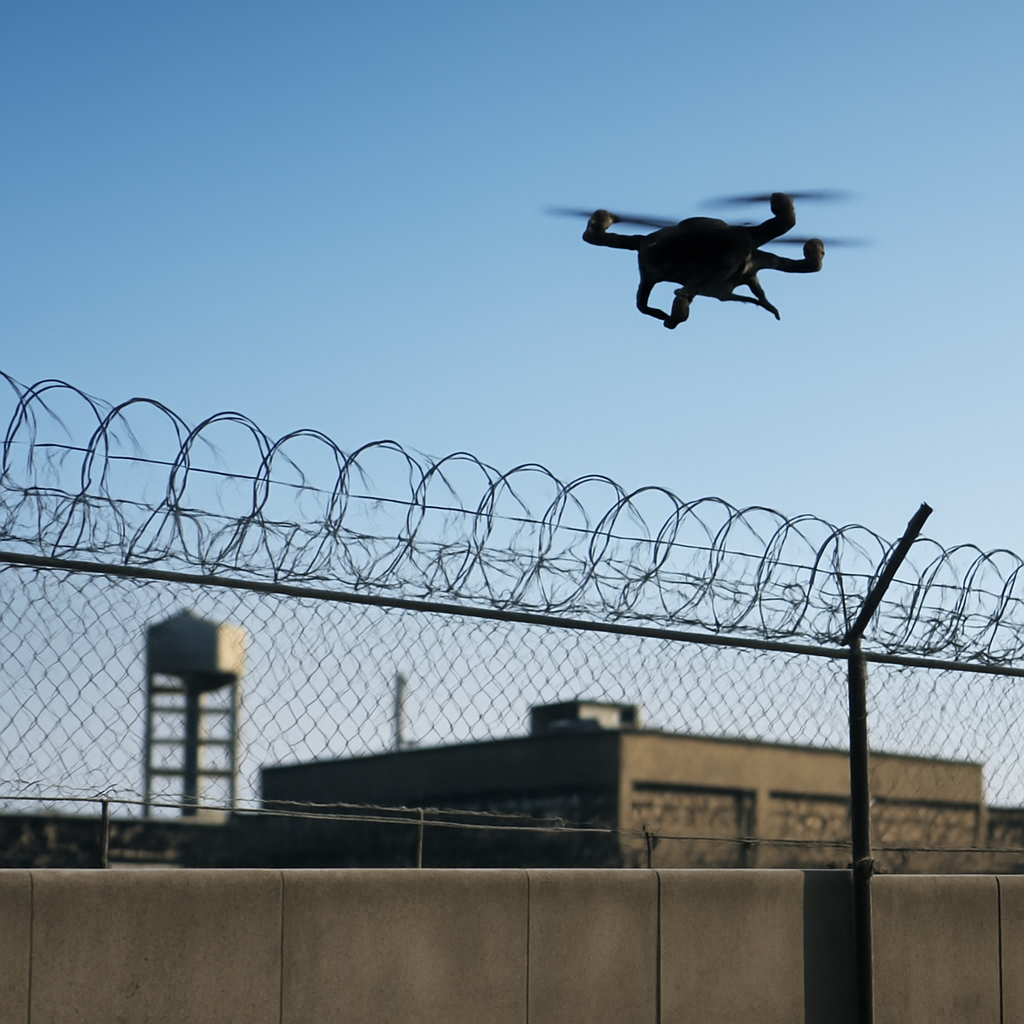
The article’s headline — that "you can’t have a fence high enough to protect your facility against drones" — frames the central claim: physical perimeter measures alone are insufficient against aerial threats. That formulation places the problem squarely in the realm of physical security tools that historically relied on fences, walls and controlled access points, and it asserts those measures do not address the airborne vector the piece highlights.
Downstream attacks named as a new threat
The sponsored content identifies "downstream attacks" among the new threats driving concern. The text ties that specific phrase to a broader call for change: downstream attacks are listed as part of the threat set that makes current protections inadequate and that motivates the search for different or additional defenses.

This site is the portfolio.
OSINTSights runs on Cloudflare Workers, D1, R2, and Vectorize, with an AI pipeline on Hetzner ARM. Nubivance designed, built, and operates it. We do the same for clients.
See what we buildDemand for improved tools to protect critical assets
The piece explicitly links the arrival of new threats — drones and downstream attacks — to a need for "improved tools to protect critical assets." That linkage is the article’s main prescription: as threats evolve, the article contends, so too must the technologies and systems used to secure facilities and the assets within them.
What this means for technologists and security teams, procurement leaders, and policymakers
- Technologists and security teams: The article implies these teams will need to look beyond traditional perimeter measures and evaluate or adopt new tools aimed specifically at airborne and downstream vectors.
- Procurement leaders and affected enterprises: The piece signals a purchasing imperative — organizations responsible for protecting critical assets will be pushed to acquire improved tools that address the cited threats.
- Policymakers and regulators: By naming downstream attacks and the insufficiency of fences, the article suggests that evolving threat definitions may influence regulatory and standards conversations about what constitutes adequate protection for critical assets.
Sponsored framing and the central, narrow takeaway
The article is presented as sponsored content, and its central, repeated message is concise: new threats — drones among them, and downstream attacks specifically — create a gap that current perimeter-focused defenses do not fill, and that gap drives demand for improved protective tools. The sponsorship context underlines that the call for "improved tools" is the explicit outcome the piece advances.
Taken together, the reporting is uniform and direct in its claims but limited in scope: it names the airborne/dowstream problem and prescribes improved tooling as the solution. It does not enumerate specific technologies, vendors, standards, timelines or costs in the text provided; instead, it frames a strategic problem and a strategic response.
The practical question the article leaves at center stage is a pointed one: if fences and other perimeter measures cannot by themselves defend critical assets against drones and downstream attacks, what specific tools, investments, and policies will be required to fill that gap — and who will decide and fund them?